What a Coal Conveyor Belt Does
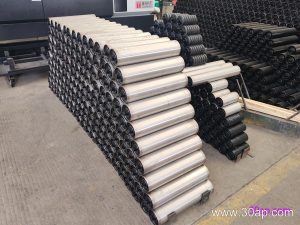
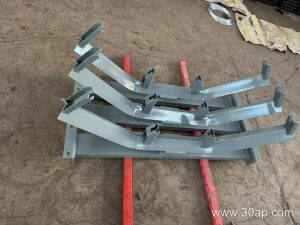
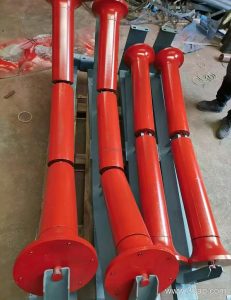
A coal conveyor belt is the load-carrying element of a bulk handling line. It moves crushed or raw coal from a stockpile, mine mouth, silo or wagon tippler to screening, crushing, blending or boiler feed points. In a coal-fired power plant, a cement works that burns coal, or a sand and gravel yard handling fuel, the belt is only one part of the machine. It works together with the conveyor pulley, idler roller, conveyor bracket and frame, so belt selection must match the whole conveyor design, not just the tonnage figure.
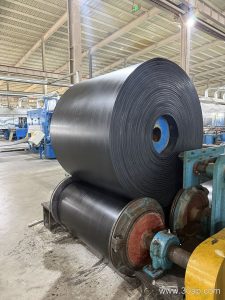
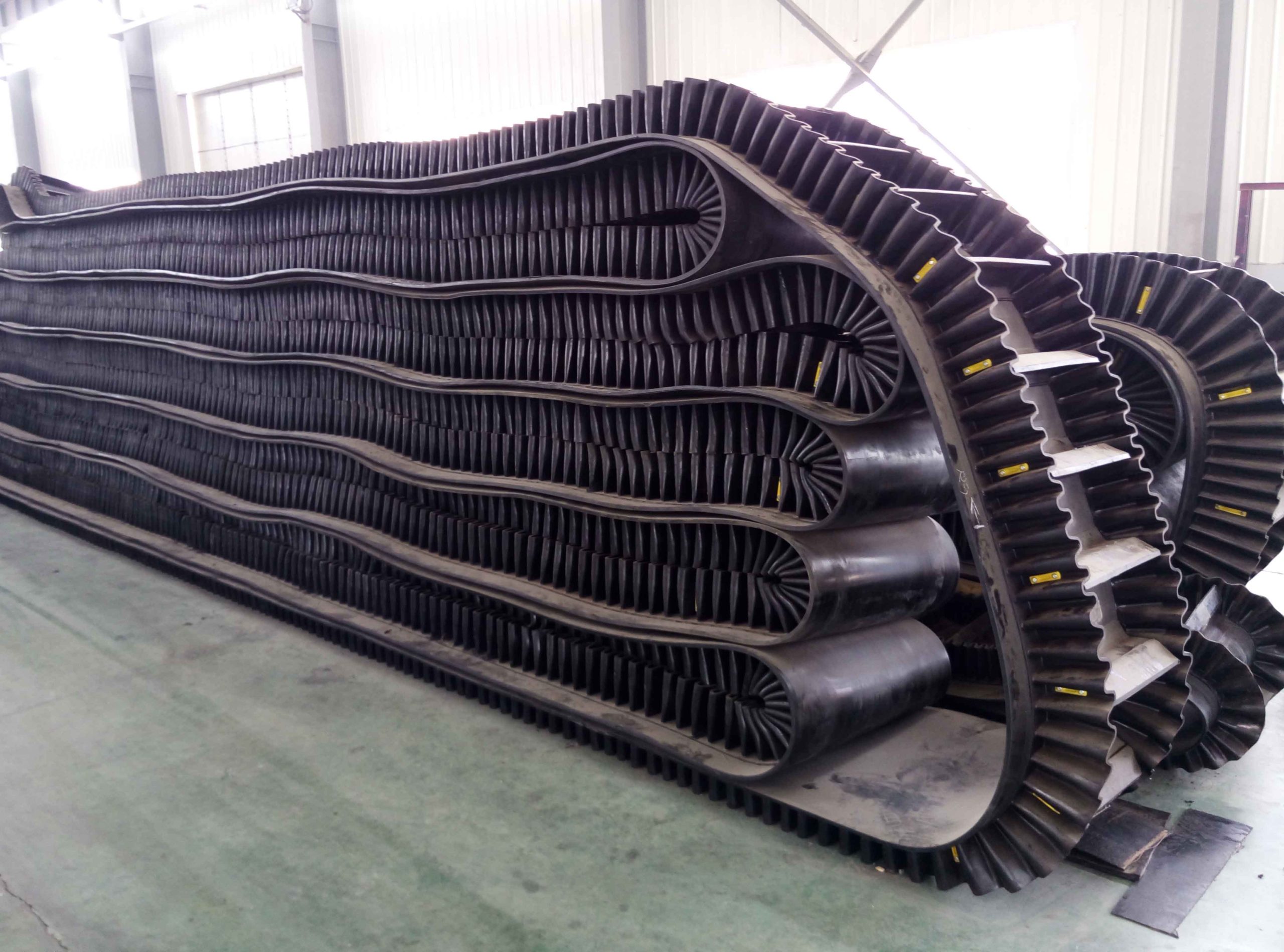
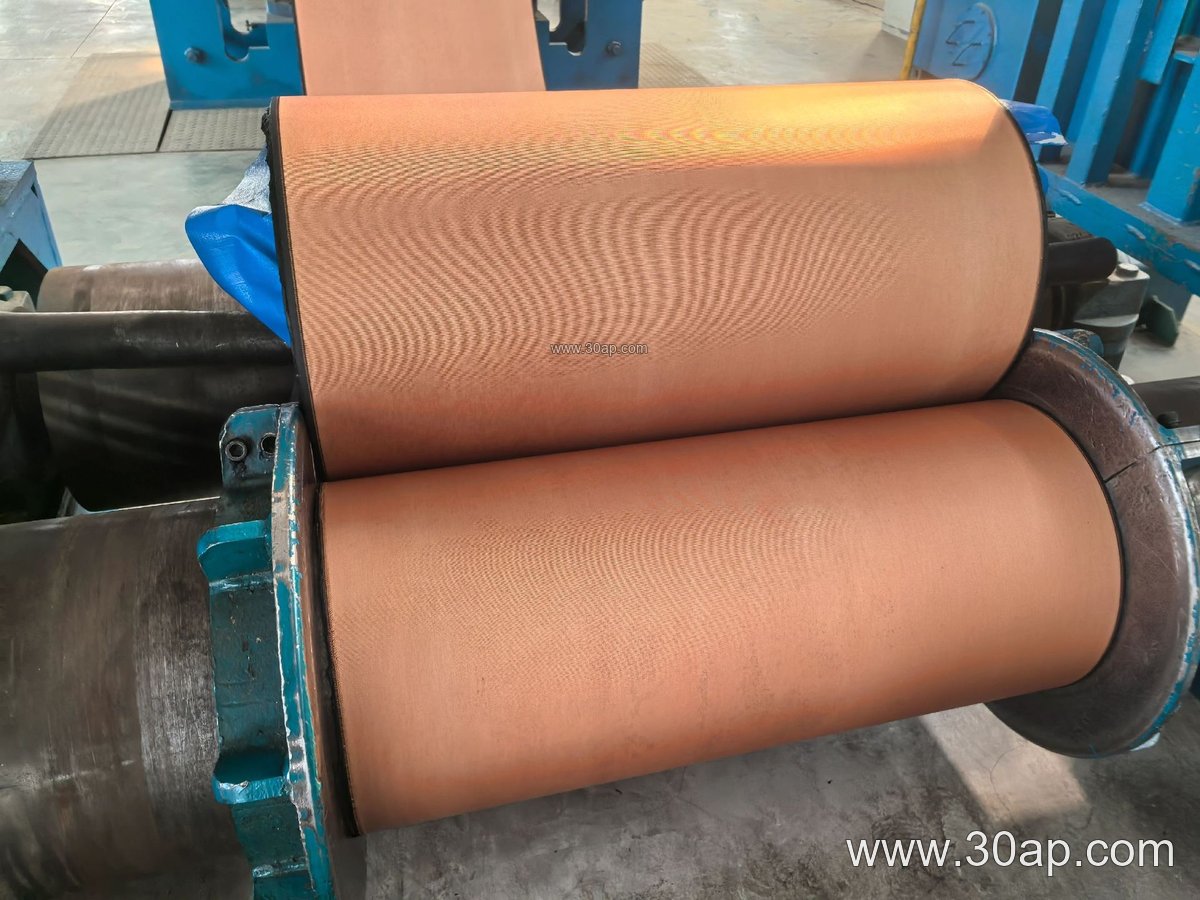
The rubber conveyor belt is a composite product. Its carcass carries the tension, and its covers protect the carcass from abrasion, impact and moisture.
How the Belt Is Built
Most coal belts use a fabric carcass or a steel cord carcass. Fabric types include EP (polyester-cotton) and NN nylon constructions, usually with 2 to 6 plies depending on duty. Steel cord belts are chosen for long centre distances and high tension. Cover rubber is specified in top and bottom thickness, for example 4+2 mm or 6+2 mm, with thicker covers for high-drop loading points.
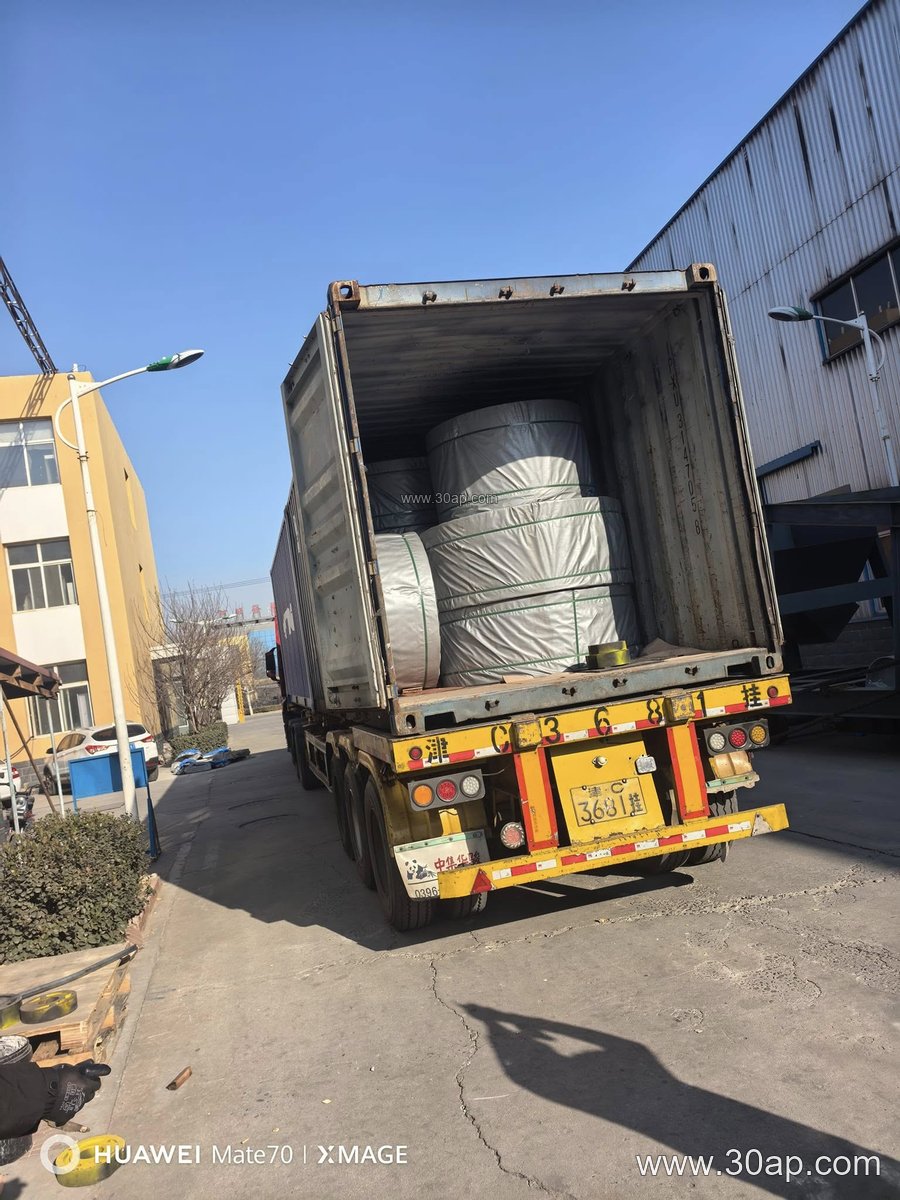
For coal service, common cover grades include flame retardant and antistatic compounds for underground or enclosed galleries, plus abrasion-resistant, oil-resistant and heat-resistant options where the local conditions demand them. A buyer should ask for the grade that matches the fire and dust rules of the site, not simply the cheapest compound.
Common reference data
The values below are typical reference ranges, not fixed rules. Final figures are confirmed by design and by the belt maker.
- Belt types: EP, NN nylon, steel cord, PVC and PVG; also abrasion-resistant, heat-resistant, oil-resistant, flame retardant, antistatic, cold-resistant and acid-alkali resistant grades.
- Bandwidth: B500, B650, B800, B1000, B1200, B1400, B1600, B1800, B2000.
- EP strength grades: EP200, EP315, EP400, EP500, EP630, EP800, EP1000, EP1250, EP1600, EP2000.
- Cover thickness: 3+1.5, 4+2, 5+2, 6+2, 8+3 mm, with 2 to 6 plies common for fabric belts.
Where Coal Belts Are Used
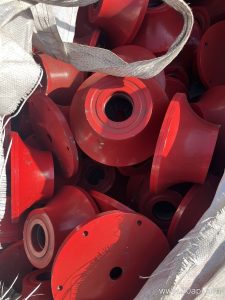
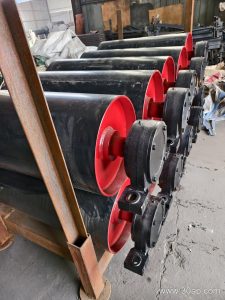
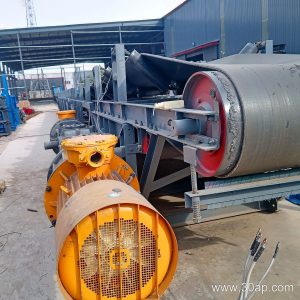
Coal handling is found in mines and coal preparation plants, power stations, cement kilns, coke plants, ports and rail loading terminals. In these lines the belt may run on a troughing idler roller set, pass over a drive pulley and a tail pulley, and return through bend pulleys. The pulleys are not interchangeable parts: the drive pulley transmits torque, the tail pulley sets belt tracking at the loading end, and the bend pulley changes direction on the return run. Matching belt width to pulley face width and to the idler trough angle is a layout decision, and one belt width can serve several pulley diameters depending on tension and shaft load.
Buyer Checklist
Before ordering a coal conveyor belt, collect the following from the conveyor designer:
- Belt width, centre distance and incline angle.
- Peak and average tonnage per hour, plus lump size and drop height at the loading point.
- Maximum working tension and required safety factor.
- Ambient and material temperature, dust and moisture exposure.
- Fire, antistatic and oil resistance requirements.
- Splice method and available pulley and idler roller dimensions.
Also confirm the conveyor bracket spacing and the trough angle, because a belt that is too stiff for a tight trough will not seat well on the idlers. For coal with fine dust, antistatic and flame retardant covers are often requested; for coal with oil contamination, an oil-resistant cover is worth considering.
Installation and Maintenance Notes
Keep the belt centred during tensioning, check the drive pulley lagging and the tail pulley alignment, and inspect idler rollers for seized bearings that can score the cover. Clean spillage at transfer points, because coal build-up under the belt can cause tracking faults. Store spare belts away from sunlight, ozone sources and oil, and rotate stock so the oldest belt is used first.
Cut and spliced edges should be square, and the splice strength should match the carcass. A correctly specified coal conveyor belt, matched to its pulleys, idlers and brackets, gives longer cover life and fewer stoppages in the coal yard.