What a Belt Conveyor Idler Frame Does on the Line
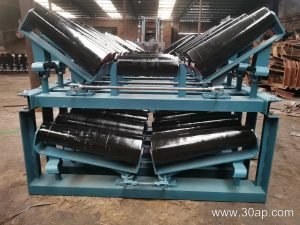
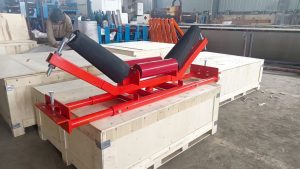
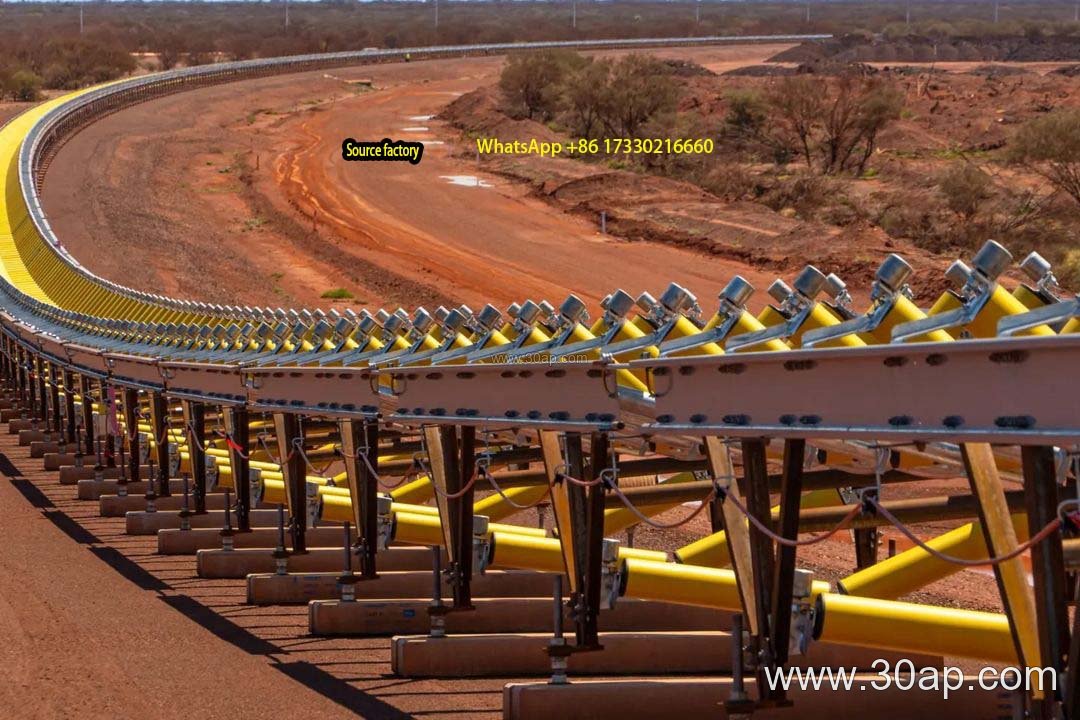
In a quarry, a coal preparation plant, or a cement kiln feed system, the belt conveyor idler frame is the structural backbone that holds every idler roller in correct alignment. Without a rigid, well positioned frame, the conveyor belt will wander, spill material, and wear out rollers long before their time. This component is sometimes called a roller bracket assembly or idler support frame, and it performs the same job regardless of the industry: it carries the weight of the belt and the load while keeping the rollers at the designed trough angle.
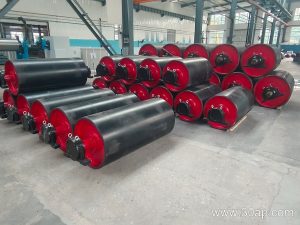
The frame does not drive the belt. Drive pulleys, tail pulleys, and bend pulleys handle power transmission and direction changes. The idler frame simply supports the carrying and return strands so those pulleys can do their work efficiently.
How an Idler Frame Is Built
Most frames are fabricated from angle steel, channel steel, or folded steel plate. The choice depends on belt width, load capacity, and the environment. A frame for a B650 conveyor in a sand and gravel line may use lighter angle sections, while a B1600 or B2000 frame in an iron ore terminal needs heavier channel or folded plate construction.
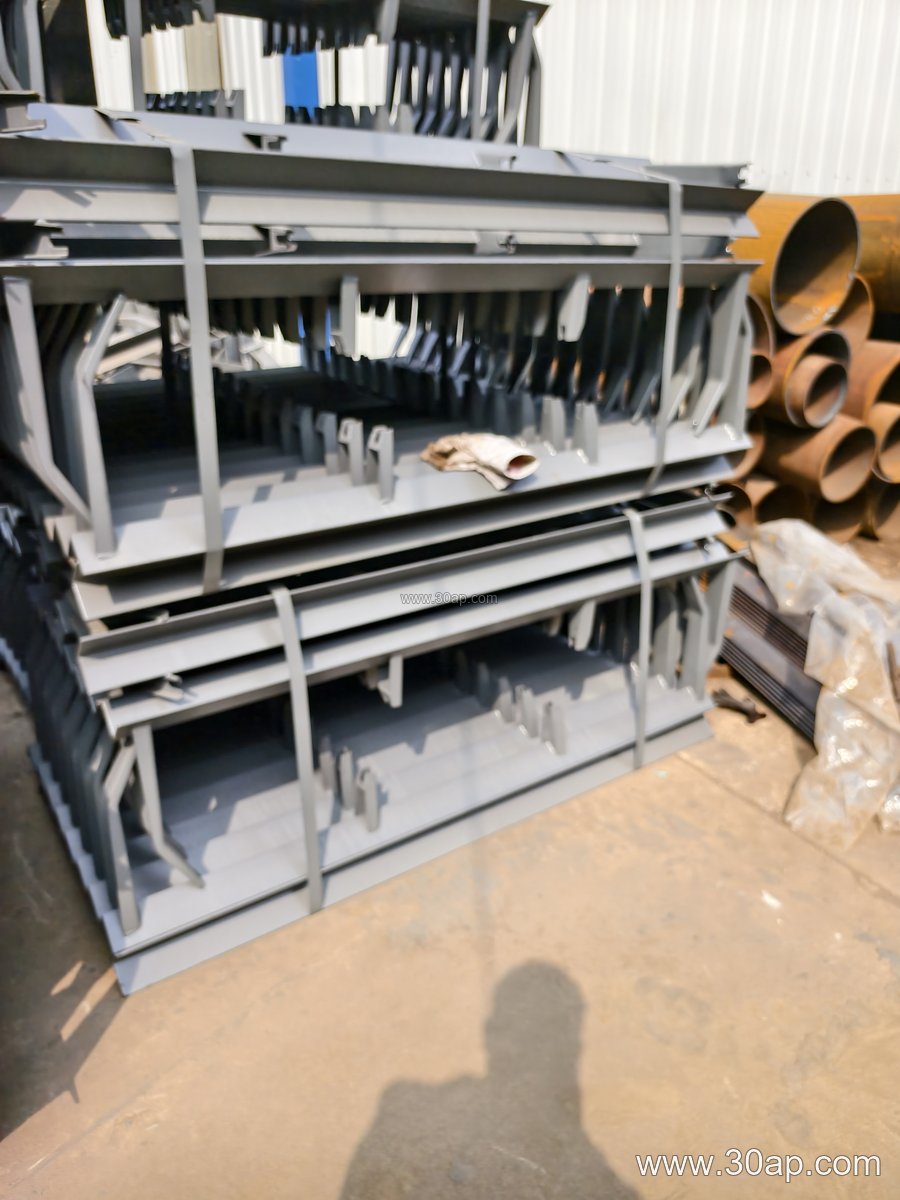
Key structural details include:
- Mounting slots or holes that accept idler roller shafts
- Cross beams sized to the belt width and trough angle
- End brackets that bolt to the conveyor stringer or support structure
- Reinforcement ribs or gussets where loads are highest
Installation hole spacing and beam length change with belt width and trough angle. They are not universal numbers. A frame designed for a 35 degree trough will differ from one built for 45 degrees, even when both fit the same belt width.
Trough Angles and Frame Geometry
The trough angle determines how deeply the belt sits between the side rollers. Common angles are 20, 30, 35, and 45 degrees. A 20 degree frame suits light, free flowing materials where belt training is straightforward. A 45 degree frame increases capacity and keeps bulk materials centered on steep inclines or high tonnage lines.
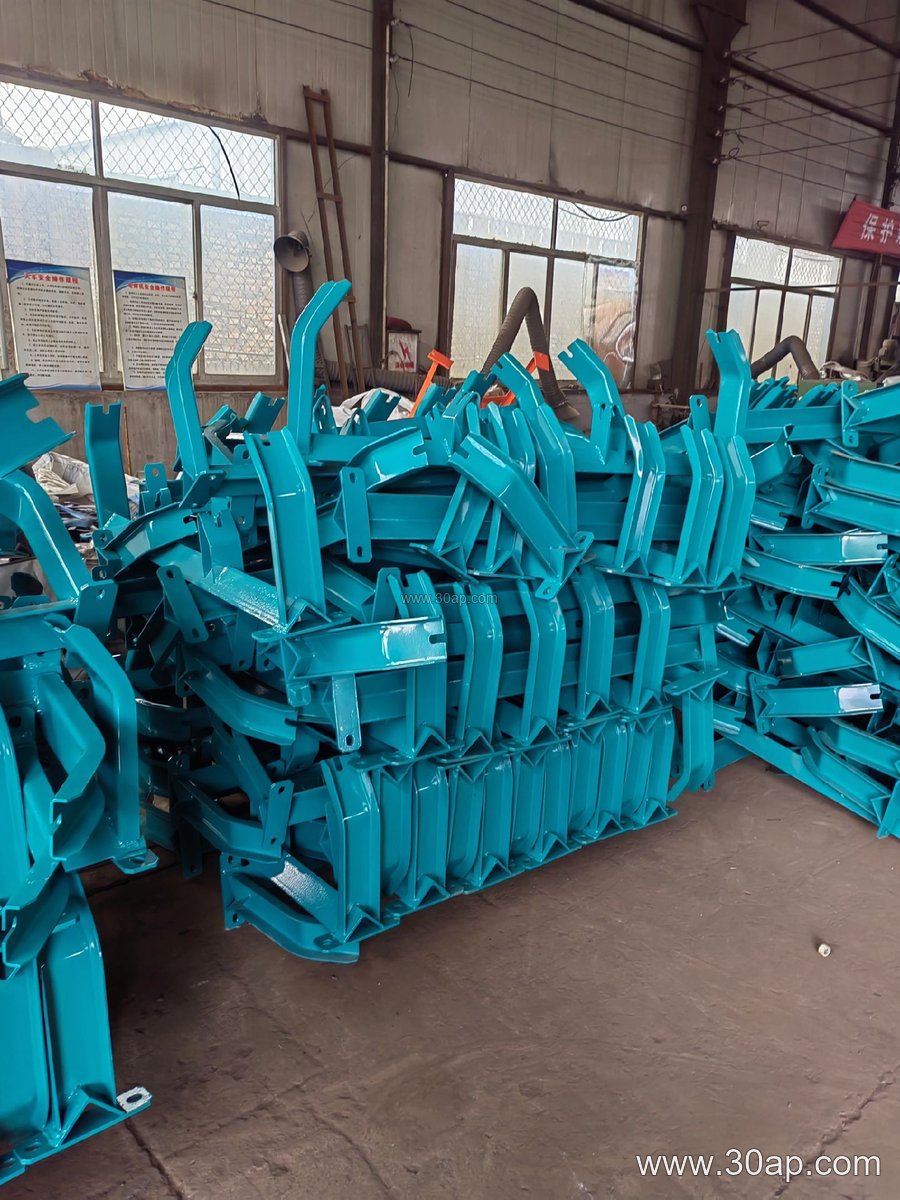
Adjustable idler frames allow the same structure to work at different trough angles within a range. This is useful during commissioning or when a plant changes its material profile. Fixed frames are simpler and often preferred where the duty is constant and well understood.
Where These Frames Are Used
You will find belt conveyor idler frames in coal handling systems at power plants, limestone crushing circuits, fertilizer granulation lines, and tunnel muck removal conveyors. In each case, the frame must resist vibration, dust, and occasional impact from large lumps.
For impact zones under a crusher discharge, a buffer idler frame with rubber or spring cushions is often installed. In the return strand, a V type return frame helps center the belt and remove sticky material. These are different frame subtypes, not replacements for the main carrying frame, but they work together on the same conveyor.
Matching Frame to Belt Width and Roller Diameter
There is no single rule that links one belt width to one roller diameter. A B800 conveyor may run with Ø89, Ø108, or Ø133 idler rollers depending on load, speed, and bearing life targets. The frame must match the chosen roller shaft and mounting centers.
The table below shows common reference combinations, not mandatory pairings:
| Belt Width | Trough Angle | Typical Roller Diameter |
|---|---|---|
| B500 | 20–30 degrees | Ø89 |
| B650 | 30–35 degrees | Ø89 or Ø108 |
| B800 | 35 degrees | Ø108 or Ø133 |
| B1000 | 35–45 degrees | Ø108 to Ø159 |
| B1200 | 35–45 degrees | Ø133 or Ø159 |
| B1400 | 35–45 degrees | Ø133 to Ø194 |
| B1600–B2200 | 35–45 degrees | Ø159 or Ø194 |
Always confirm shaft diameter, bearing type, and frame mounting dimensions with the conveyor designer. Do not assume a frame will fit simply because the belt width matches.
What Buyers Should Check Before Ordering
- Confirm the exact trough angle and whether adjustment is needed
- Verify mounting hole centers against the existing stringer or support
- Check material thickness and coating for the site environment
- Ensure the frame accepts the idler roller shaft diameter you plan to use
- Ask about spare parts availability for brackets and fasteners
A well selected belt conveyor idler frame reduces belt edge wear, lowers roller replacement frequency, and keeps the conveyor pulley and belt running true. It is a small part of the total conveyor cost but a large part of reliable operation.