What a Heavy-Duty Steel Conveyor Bracket Does
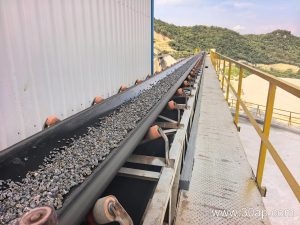
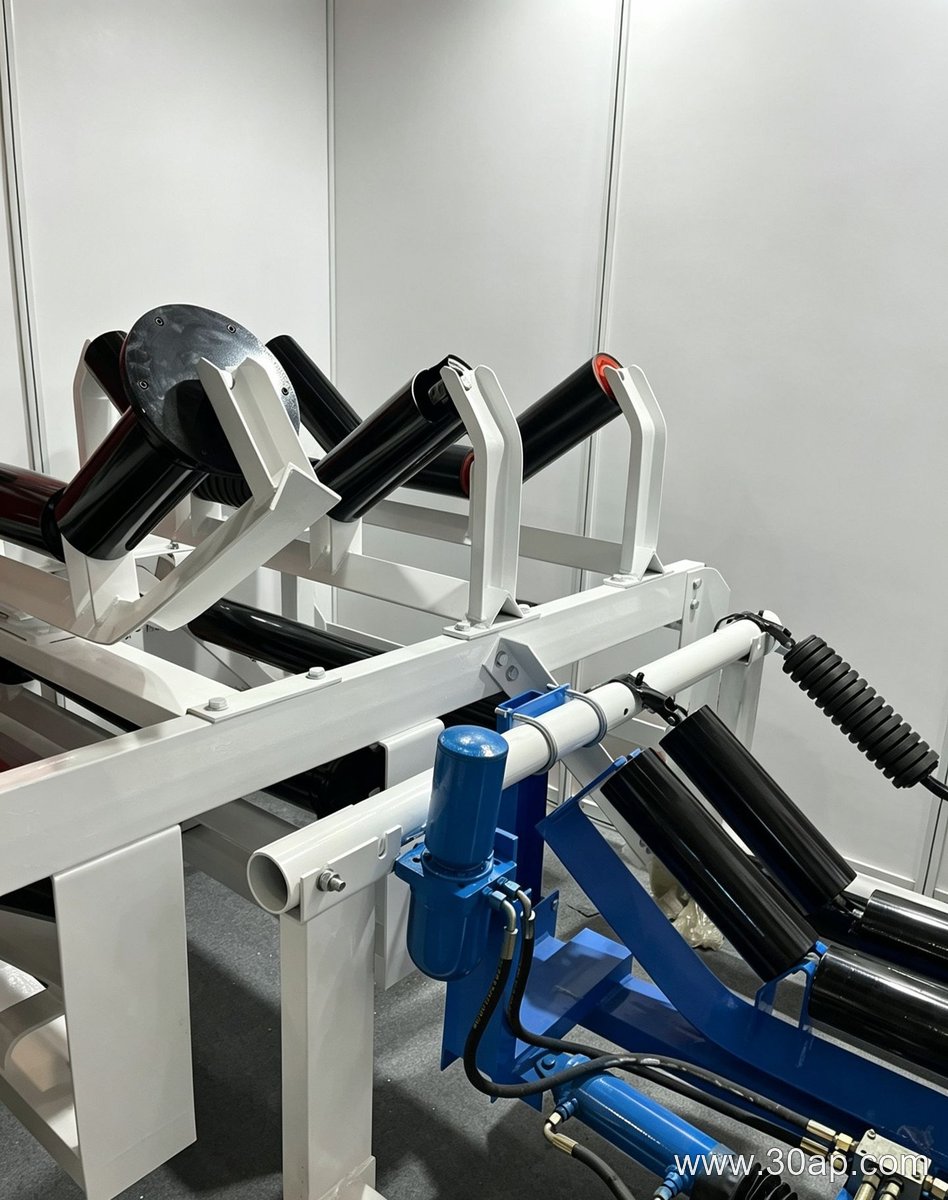
In a quarry, a coal preparation plant, or a cement kiln feed line, the conveyor belt carries more than just material. It handles impact, abrasion, and constant vibration. The heavy-duty steel conveyor bracket is the structural component that holds the idler roller in place and keeps the belt profile stable. Without a rigid bracket, the belt sags, material spills, and the whole conveyor pulley alignment suffers. This bracket is not a universal part; it is designed for specific belt widths, idler diameters, and trough angles.
Construction and Materials
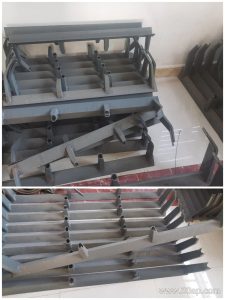
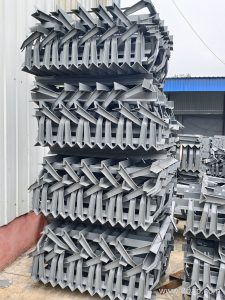
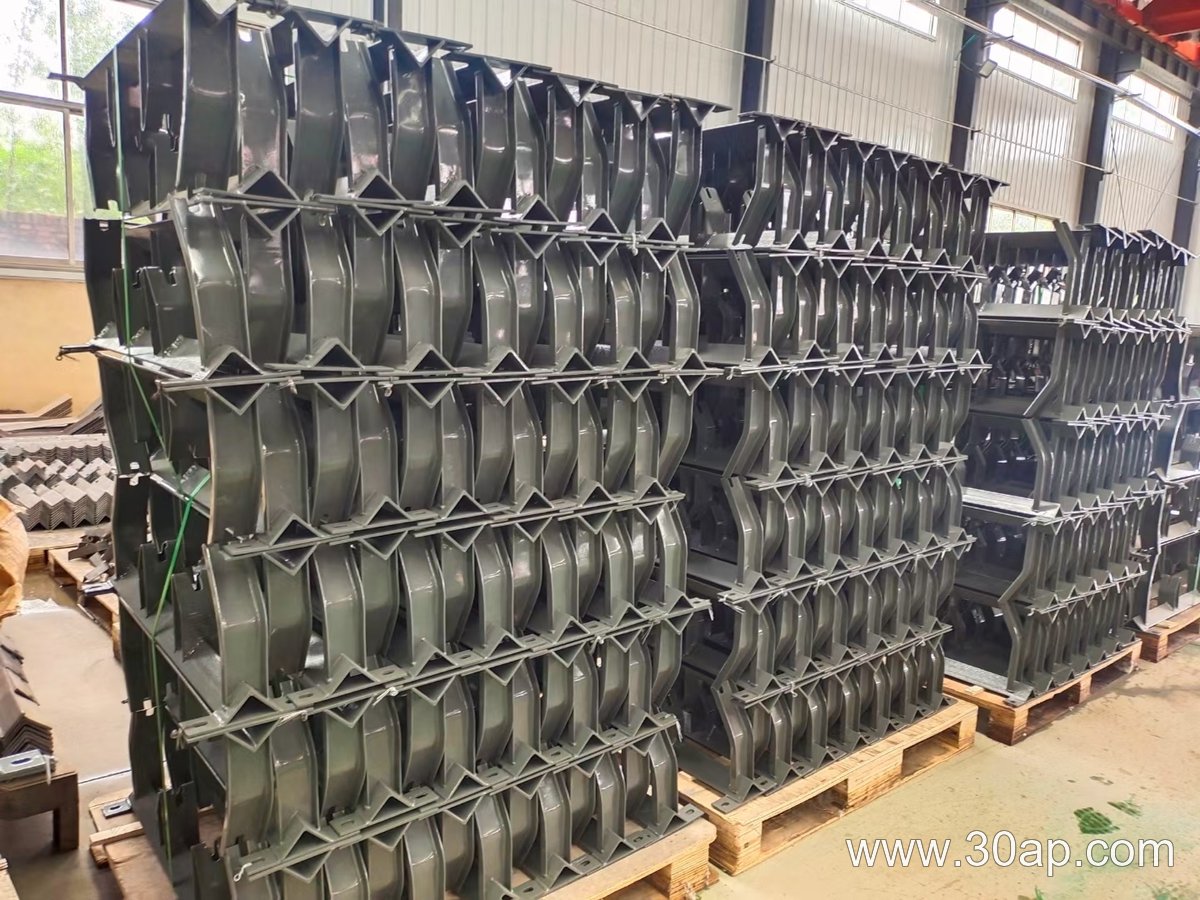
Most heavy-duty brackets are fabricated from angle steel, channel steel, or folded steel plate. The thickness and grade depend on the load rating and the belt width. For a B1200 conveyor carrying iron ore, a 6 mm to 8 mm folded plate is common. For a B800 sand and gravel line, 4 mm to 5 mm channel steel may be sufficient. The bracket usually includes mounting holes for the idler shaft, a base plate for bolting to the conveyor frame, and sometimes a slotted design for angle adjustment. Welds are continuous and often reinforced at stress points. Surface treatment can be hot-dip galvanizing or painting, depending on the environment.
Common Types and Their Roles
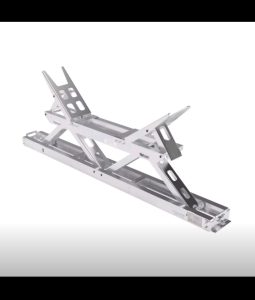
Heavy-duty steel conveyor brackets come in several subtypes, each for a specific position on the conveyor. The trough bracket supports the carrying idlers and sets the trough angle. The return bracket holds the return idlers and keeps the belt clean. The impact bracket is used under the loading point, often with rubber rings or cushion rollers. The self-aligning bracket corrects belt tracking. The adjustable bracket allows the trough angle to be changed between 20, 30, 35, and 45 degrees. A fixed bracket is welded or bolted at one angle. Do not confuse a trough bracket with a return bracket; they are not interchangeable. Similarly, a drive pulley and a bend pulley are different from each other and from a bracket. Only the bracket is the subject here.
Where It Is Used
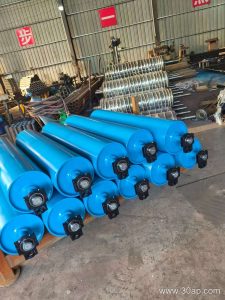
You will find heavy-duty steel conveyor brackets in crushing and screening plants, coal washing plants, power plant coal handling systems, and limestone mines. In a tunnel boring project, the muck conveyor uses brackets that resist shock loads. In a fertilizer granulation line, the brackets must resist corrosion. The same bracket design may appear in a port bulk terminal, but the belt width and idler diameter will differ. For example, a B650 conveyor with 30-degree trough and Ø89 idlers uses a lighter bracket than a B1600 conveyor with 45-degree trough and Ø159 idlers. The bracket must match the conveyor pulley and the idler roller to avoid premature wear.
Key Parameters for Selection
When choosing a heavy-duty steel conveyor bracket, consider the belt width, trough angle, idler diameter, and mounting hole spacing. The table below shows common combinations, but these are reference values, not fixed rules. A B1000 belt can work with a 35-degree trough and Ø108 idler, or with a 45-degree trough and Ø133 idler, depending on the material and capacity. Installation hole distance and crossbeam length vary with belt width and trough angle; they are not universal constants.
| Belt Width | Trough Angle | Idler Diameter | Typical Bracket Type |
|---|---|---|---|
| B500 | 20° | Ø89 | Trough bracket |
| B650 | 30° | Ø89 | Trough bracket |
| B800 | 35° | Ø108 | Trough bracket |
| B1000 | 35° | Ø108 | Trough bracket |
| B1200 | 45° | Ø133 | Trough bracket |
| B1400 | 45° | Ø159 | Trough bracket |
| B1600 | 45° | Ø159 | Trough bracket |
| B1800 | 45° | Ø194 | Trough bracket |
Other types include the return bracket, impact bracket, and self-aligning bracket. A return bracket for a B1200 belt may use a V-shaped return idler, while an impact bracket uses cushion rollers. The adjustable bracket can be set to 20, 30, 35, or 45 degrees. A forward tilt of about 1.5 to 2 degrees is sometimes used in the bracket design to help belt tracking.
What Buyers Should Know
Do not assume that a bracket for a B800 belt will fit a B1000 conveyor. The mounting hole spacing and crossbeam length change with belt width and trough angle. Always ask for a dimensional drawing that shows the hole pattern, the overall height, and the angle. Check the material thickness and the welding quality. For corrosive environments, specify galvanized or stainless steel. For high-impact zones, consider a bracket with a reinforced base. Remember that the bracket works together with the idler roller and the conveyor pulley; a mismatch can cause belt misalignment or roller failure. Finally, keep spare brackets on hand for critical conveyors, especially in a coal mine or cement plant where downtime is expensive. A heavy-duty steel conveyor bracket is a small part, but it carries the load of the entire belt system.