Conveyor Belt Selection and Purchasing Guide
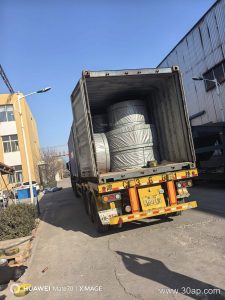
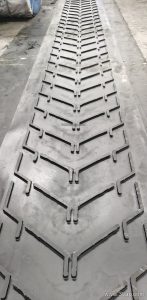
A conveyor belt is the core of any material handling system. Choose the right belt to cut downtime and export costs.

Key Selection Factors
- Material: rubber, PVC, or metal for heat, oil, or abrasion.
- Load and speed: match tension rating to daily throughput.
- Environment: consider food-grade, anti-static, or fire-resistant needs.
Purchasing Advice
Verify splice quality, warranty, and spare-part availability. Request test reports and compare total lifecycle cost, not just unit price.
How to Choose the Right Idler Roller
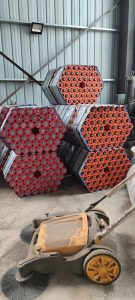
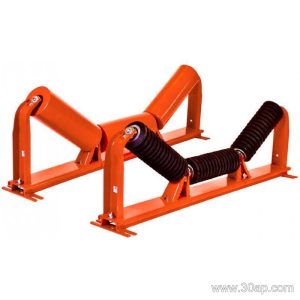
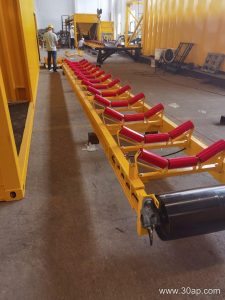
An idler roller supports and guides conveyor belts without driving them. Correct selection reduces wear, downtime, and energy costs.

Key Selection Factors
- Load capacity and belt width
- Roller diameter, wall thickness, and shaft size
- Bearing type: sealed, precision, or maintenance-free
- Material: steel, stainless, or polymer for corrosion
- Environmental conditions: dust, moisture, temperature
Purchasing Advice
Verify dimensional tolerances, dynamic balance, and IP-rated sealing. Request load-life calculations and test reports. Compare total cost of ownership, not unit price alone. Standardize sizes to simplify spare parts inventory.
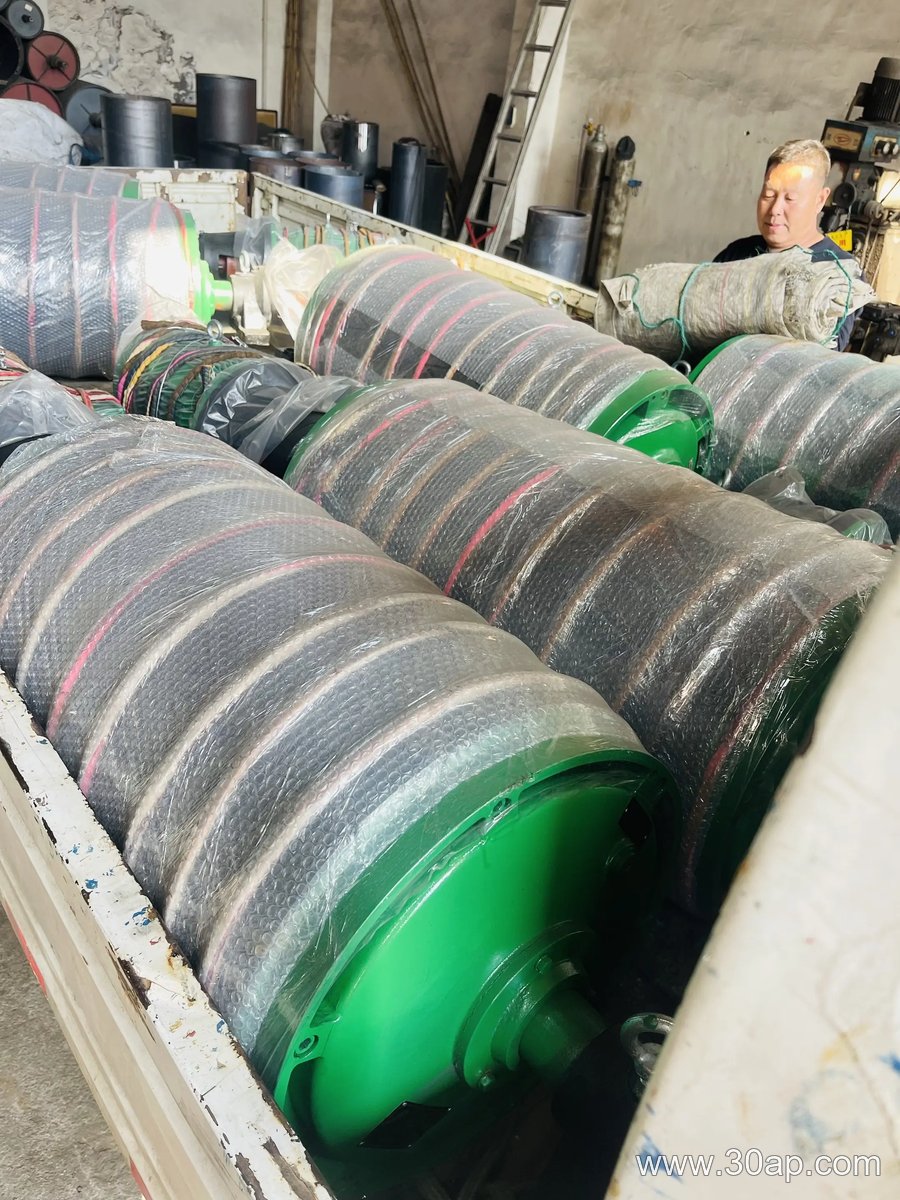
The conveyor pulley drives and tensions your belt. Choose it carefully for reliable performance.
How to Select a Conveyor Pulley
Match pulley diameter to belt thickness and speed. Larger diameters reduce bending stress. Check shaft size, bearing type, and lagging. For high-torque drives, use a diamond or herringbone pattern.
Purchasing Advice
- Confirm load capacity and duty cycle.
- Specify material: mild steel, stainless, or rubber-lagged.
- Request dynamic balance for high speeds.
- Verify bore and keyway dimensions.
Buy from a supplier offering test reports and wear guarantees.
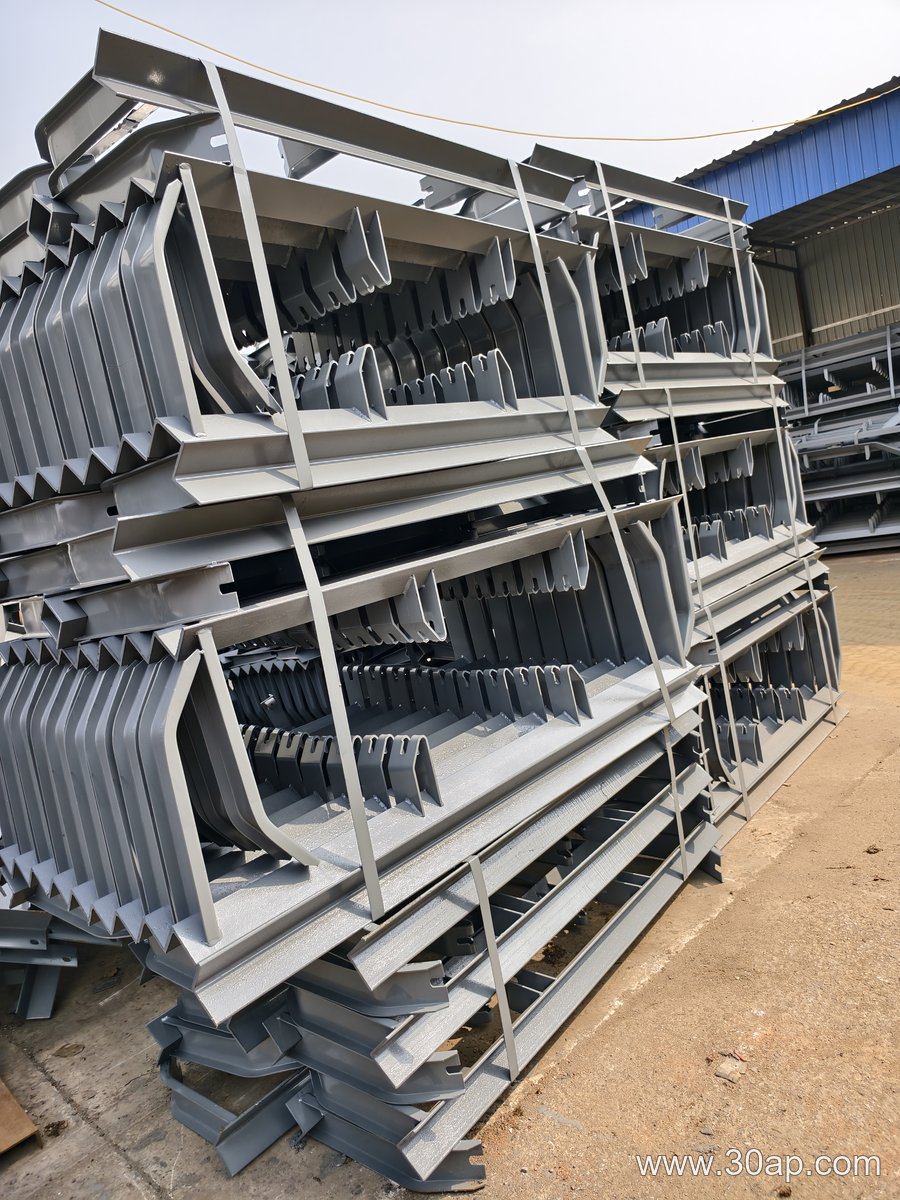
Conveyor Bracket: The Unsung Hero of Material Handling
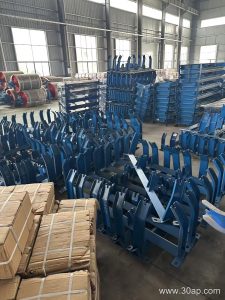
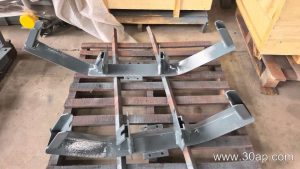
A conveyor bracket is the structural component that connects and supports rollers, idlers, and frames. Choosing the right bracket ensures alignment, reduces vibration, and extends conveyor life.
Selection and Purchasing Advice
- Match bracket material to load and environment: mild steel for general use, stainless for washdown, polymer for corrosion.
- Verify hole spacing and slot dimensions against your roller shaft.
- Check load rating and adjustment range for belt tracking.
- Prefer stamped or laser-cut brackets with deburred edges for safety.
- Buy from suppliers offering batch traceability and custom sizes.