What a Stone Crushing Conveyor Belt Does
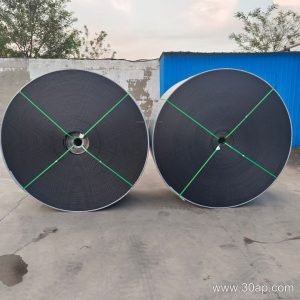
A stone crushing conveyor belt is the load-carrying component that moves blasted rock, crushed aggregate, and screened stone between the jaw crusher, cone crusher, screens, and stockpiles. In a sand and gravel plant, quarry, or cement works, this belt is the continuous link that keeps material flowing without interruption. Unlike a general-purpose belt used for light goods, the stone crushing conveyor belt must cope with sharp edges, heavy lumps, abrasive dust, and frequent impact at transfer points.
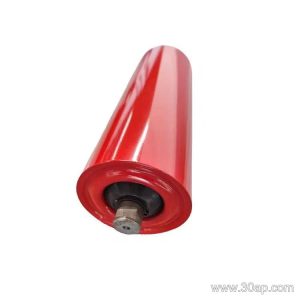
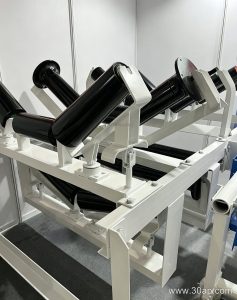
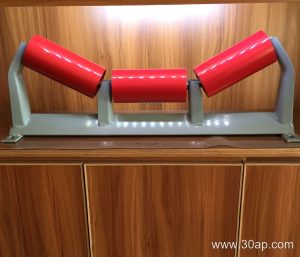
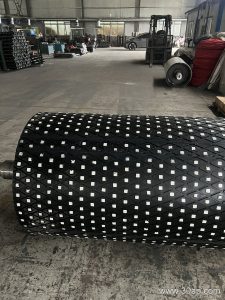
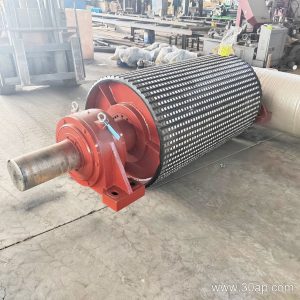
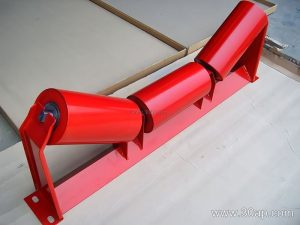
The same product is often called a crusher conveyor belt or a heavy-duty aggregate conveyor belt. These are equivalent names for the same item. In this article the focus stays on the stone crushing conveyor belt itself; the pulleys, idlers, and brackets that support it are separate components with their own specifications.
Construction and Common Specifications
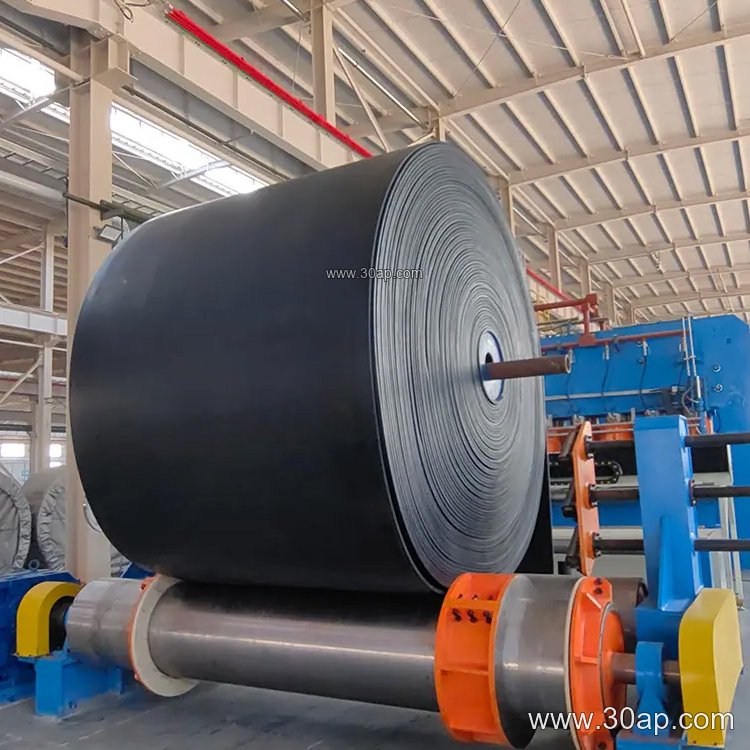
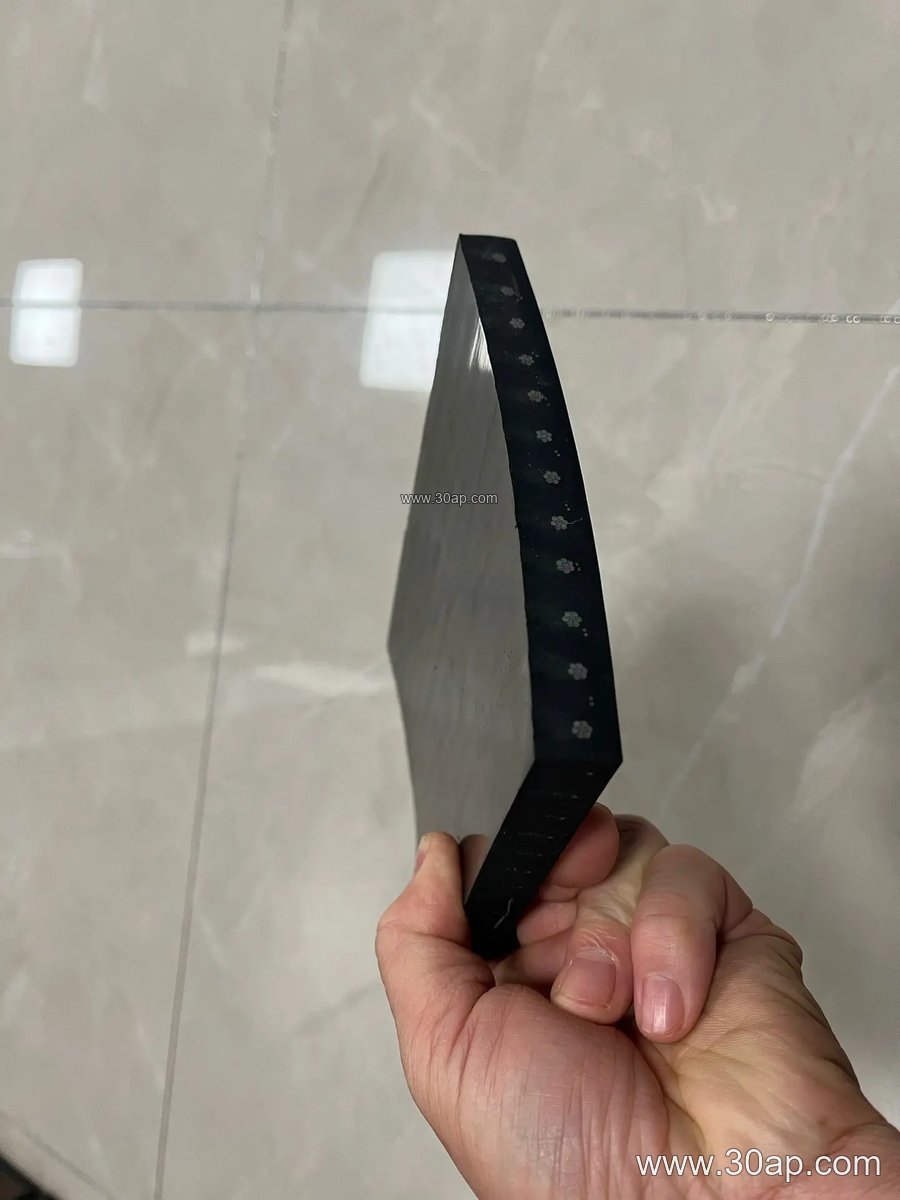
A typical stone crushing conveyor belt uses a fabric carcass with rubber covers. The carcass provides tensile strength and resistance to elongation, while the top cover absorbs impact and abrasion and the bottom cover protects the pulley side. For heavier crushing duty, a steel cord carcass may be chosen where very high tension and long center distances are involved.
Common reference data for this product family is summarized below. These values are indicative; actual selection is confirmed by the conveyor design and the belt manufacturer.
Carcass Types and Strength Grades
- EP (polyester-cotton) belt: EP200, EP315, EP400, EP500, EP630, EP800, EP1000, EP1250, EP1600, EP2000
- NN nylon belt: used where higher flexibility and impact resistance are preferred
- Steel cord belt: for high-tension, long-distance crushing lines
- PVC and PVG belts: often seen in underground coal and tunnel crushing sections where flame resistance is required
Belt Width and Cover Thickness
| Parameter | Common Reference Values |
|---|---|
| Belt width | B500, B650, B800, B1000, B1200, B1400, B1600, B1800, B2000 |
| Top + bottom cover | 3+1.5, 4+2, 5+2, 6+2, 8+3 mm |
| Carcass layers | Usually 2 to 6 plies for fabric belts |
Cover thickness should follow the abrasion and impact severity. A primary crusher discharge belt with large, sharp rock usually needs a thicker top cover than a fine aggregate transfer belt. The belt width is matched to the required capacity and lump size, not to a single fixed pulley diameter.
Where It Is Used
The stone crushing conveyor belt appears across many industries. In mining and quarrying it carries run-of-mine rock from the primary crusher. In sand and gravel plants it links screening decks and stockpile conveyors. Cement plants use it for limestone and clinker handling, while power plants and coal preparation sections may use flame-resistant versions for fuel and slag. Construction waste recycling lines also rely on this type of belt for crushed concrete and demolition debris.
Each section of the line has different demands. A belt feeding a jaw crusher faces impact, a belt under a screen faces abrasion and fines, and a stockpile belt faces weather and sunlight. Matching the belt construction to each duty point is more effective than using one specification everywhere.
Selection Points for Buyers
Before ordering, a buyer should confirm the material size, bulk density, moisture, and the presence of oil or heat. The conveyor layout, incline angle, and loading method also affect the choice. A steep incline may call for a patterned surface such as a chevron or a cleated belt, while a flat long run may suit a plain EP belt.
Check how the belt interacts with the conveyor pulley, idler roller, and conveyor bracket assembly. The belt should track correctly and the transition distance from the tail pulley to the first idler should be suitable for the carcass stiffness. For abrasive stone, a thicker cover and a robust edge are usually worth the investment.
Installation and Maintenance Notes
- Store belts away from direct sunlight, oil, and sharp objects before installation.
- Align the conveyor pulley and idler roller frames so the belt trains without edge wear.
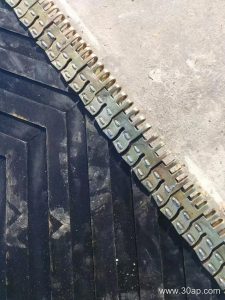
- Inspect the splice and edges regularly, especially after the crusher discharge point.
- Keep skirt rubber and loading chutes from pressing hard on the belt surface.
- Clean carryback material from the return side to reduce misalignment and premature wear.
A well-matched stone crushing conveyor belt, supported by correctly sized pulleys, idlers, and brackets, helps a crushing plant run with fewer stoppages and more predictable maintenance. Buyers should treat published sizes as reference values and confirm final specifications with the belt supplier and conveyor designer.