What a Bulk Material Conveyor Belt Does
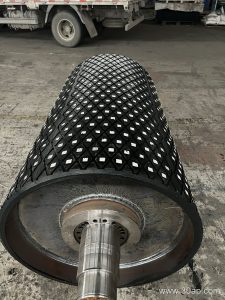
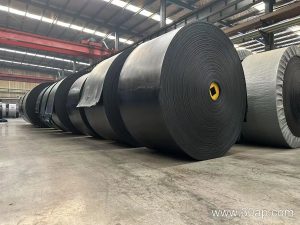
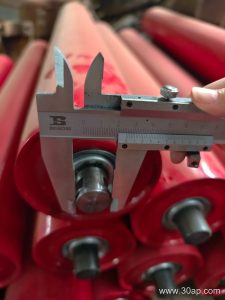
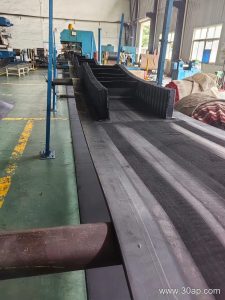
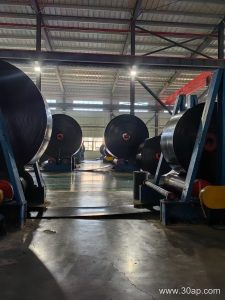
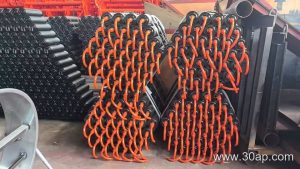
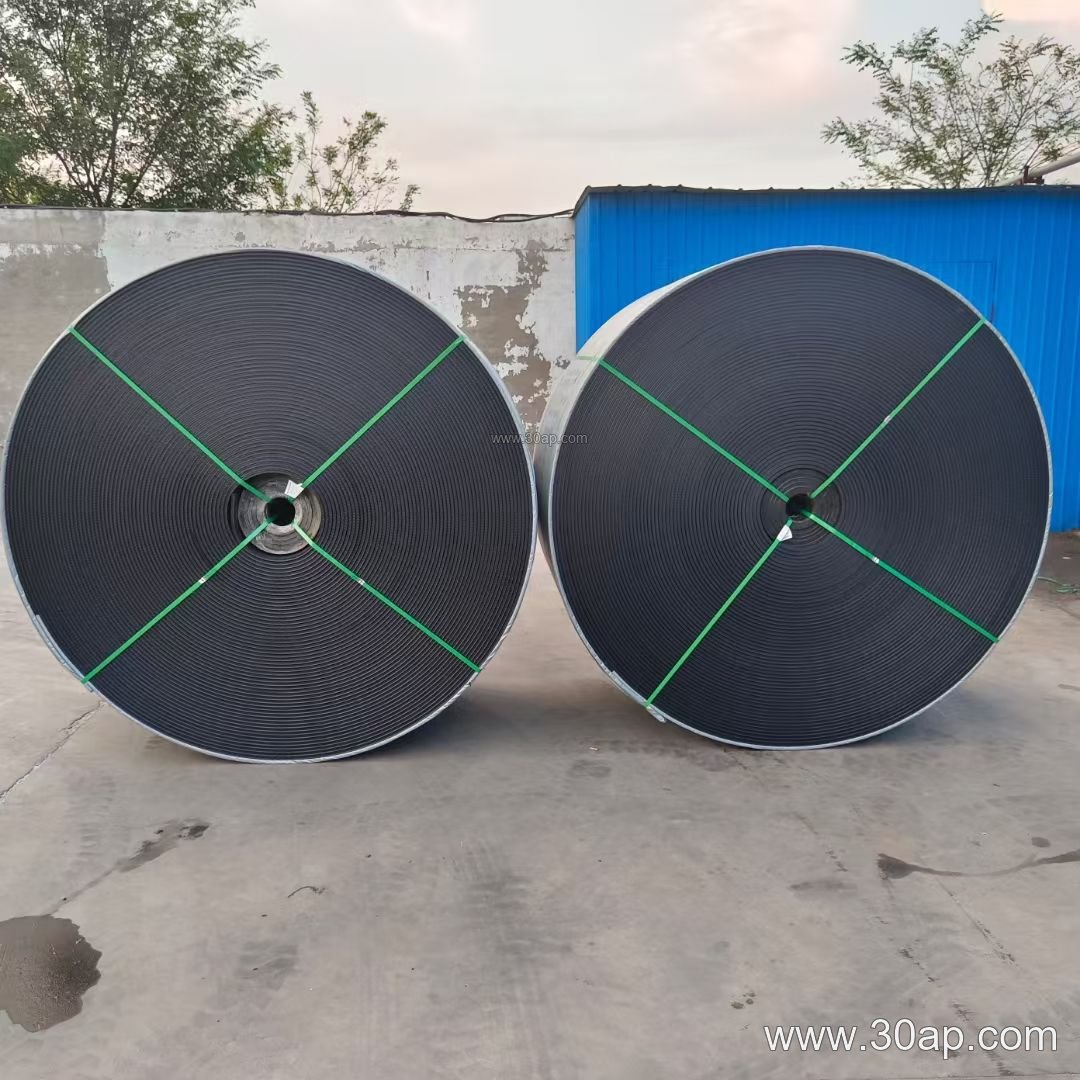
A bulk material conveyor belt is the load-carrying element in a continuous haulage system. It moves loose, abrasive, or heavy products such as crushed ore, coal, clinker, sand, gravel, and cement across long distances and steep inclines. In a quarry, coal mine, cement plant, power station, or sand and gravel yard, this belt works together with idler rollers, conveyor pulleys, and conveyor brackets to keep material flowing without interruption.
The same product is often called a heavy-duty conveyor belt or a bulk handling belt. These are accurate equivalent names for the same item, not different equipment.
Construction and Common Types
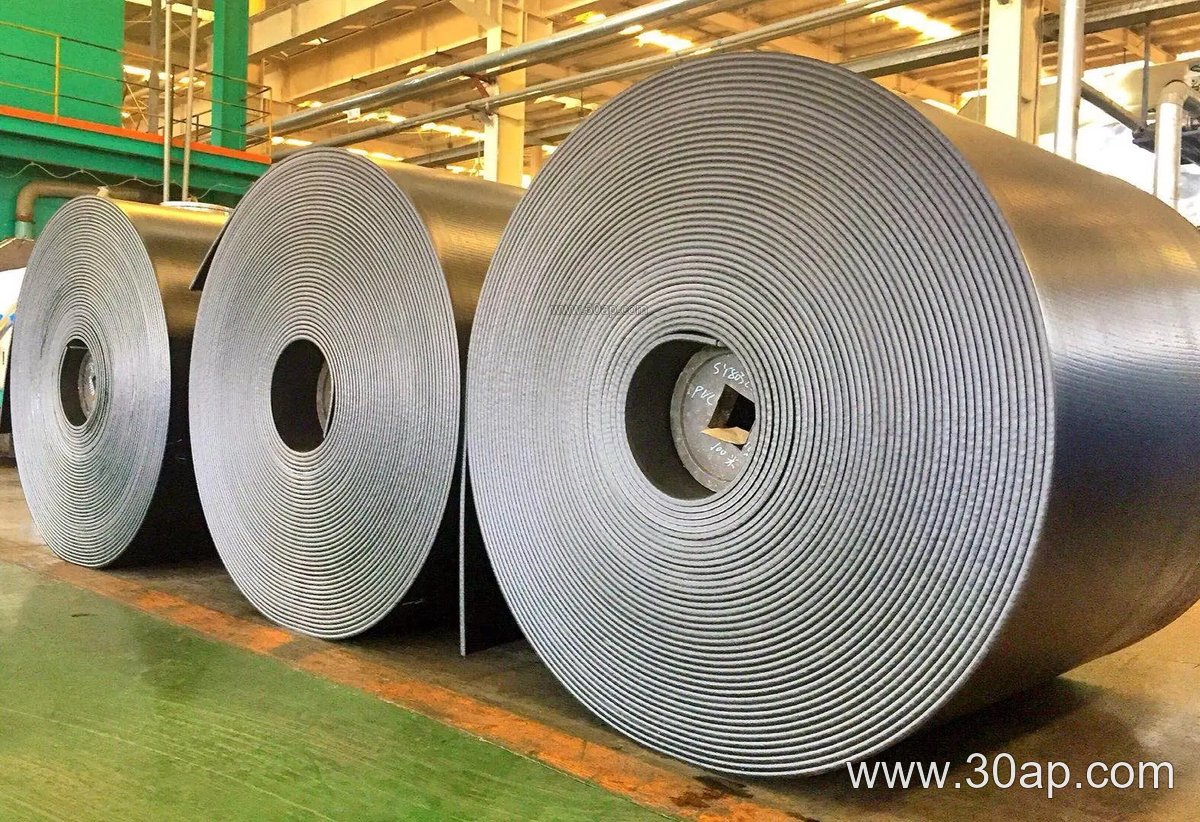
The belt body is a composite. A carcass provides tensile strength and troughability, while rubber or PVC covers protect it from impact, abrasion, heat, oil, and moisture. The carcass may use fabric plies or steel cords.
- EP conveyor belt – polyester and nylon fabric carcass, widely used in mining and cement
- NN nylon conveyor belt – nylon fabric carcass, good for high tension and long spans
- Steel cord conveyor belt – steel wire ropes for very long, high-capacity lines
- PVC or PVG belt – solid woven or fabric reinforced, often chosen for underground coal and fire-resistant duties
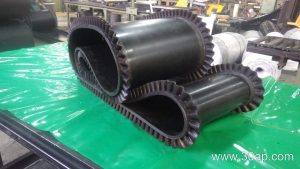
Special covers are available for wear resistance, heat resistance, oil resistance, flame retardancy, antistatic behavior, cold resistance, and acid or alkali exposure. Surface forms include smooth, patterned, chevron or herringbone, and corrugated sidewall designs for steep angle conveying.
Typical Specifications
Reference data below shows common ranges, not mandatory combinations. Actual values depend on the conveyor design, material characteristics, and supplier.
| Property | Common reference values |
|---|---|
| Fabric type | EP, NN, PVC, PVG |
| Strength grades | EP200, EP315, EP400, EP500, EP630, EP800, EP1000, EP1250, EP1600, EP2000 |
| Belt width | B500, B650, B800, B1000, B1200, B1400, B1600, B1800, B2000 |
| Cover thickness | 3+1.5, 4+2, 5+2, 6+2, 8+3 mm |
| Fabric plies | 2 to 6 layers |
A wider belt does not automatically require one fixed pulley diameter, and shaft size is never derived from belt width alone. Drive pulleys, tail pulleys, and bend pulleys each have their own role and should be selected from the full conveyor calculation.
Where It Is Used
In a coal mine, a flame-resistant bulk material conveyor belt may carry raw coal from the face to the surface. In a cement plant, heat-resistant grades move clinker and raw meal. In a power plant, the belt feeds limestone or coal to the boiler. In a sand and gravel yard, abrasion-resistant covers handle sharp stone. The same belt can also serve ports, steel mills, and fertilizer plants.
What a Buyer Should Know
Selection starts with the material: lump size, density, moisture, temperature, and chemical exposure. Then come the duty: capacity in tonnes per hour, incline angle, loading impact, and whether the line runs above or below ground. These factors set the belt type, cover grade, strength, and width.
Ask for the carcass type, cover thickness, and surface form in writing. Confirm that the belt matches the conveyor pulleys, idler rollers, and brackets, because a mismatched transition or pulley face can shorten belt life. For steep inclines, a patterned or corrugated sidewall belt may be needed; for flat haulage, a smooth cover is usually enough.
Maintenance matters as much as the initial choice. Keep the belt centered, check idler rollers for seizure, inspect pulley lagging, and repair edge damage early. A well-matched bulk material conveyor belt, supported by the right conveyor pulley, idler roller, and conveyor bracket, will deliver reliable service in the toughest mining, cement, power, and aggregate environments.