Material Selection and Trade-Offs for Wet Outdoor Conveyors
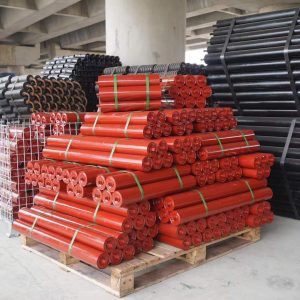
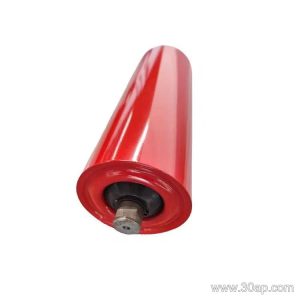
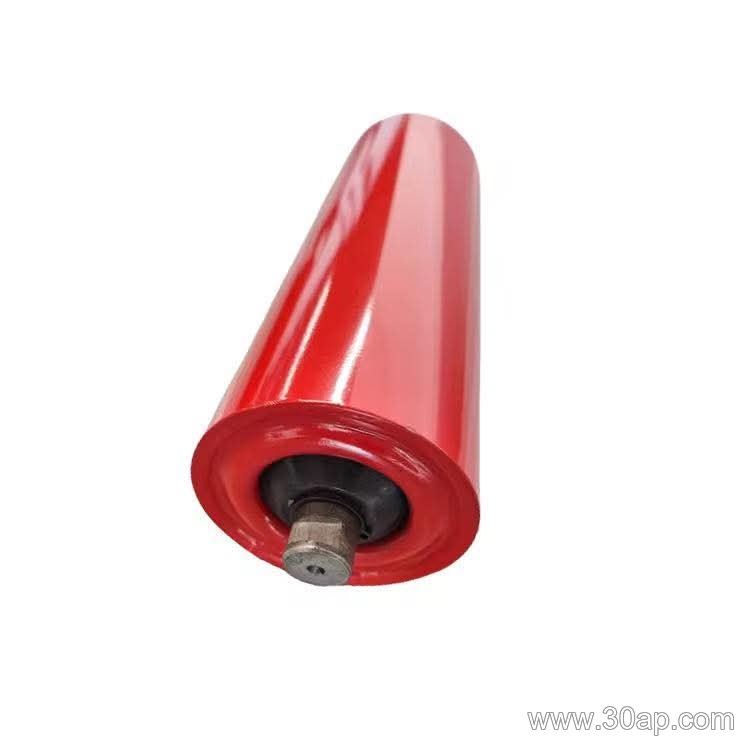
Choosing the right material for an idler roller on a wet outdoor conveyor requires balancing corrosion resistance, impact strength, and cost. Carbon steel shells offer high structural rigidity and withstand heavy belt loads, but they require protective epoxy coatings or galvanization to prevent rust in damp environments.
Alternative Construction Materials
- Polymer and HDPE shells resist moisture and aggressive chemical slurries completely, reducing weight and preventing rust, though they exhibit lower impact thresholds under heavy falling rock.
- Stainless steel grades provide exceptional corrosion defense in chemical or coastal processing plants, yet carry a significant procurement premium over standard carbon steel alternatives.
- Cast iron bearing housings add structural integrity, but mismatch in thermal expansion coefficients can stress seals if operating temperatures fluctuate wildly.
Inspecting the Conveyor Pulley in Mineral Processing
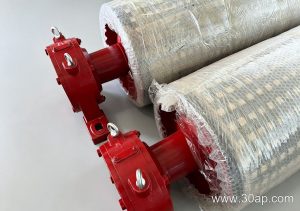
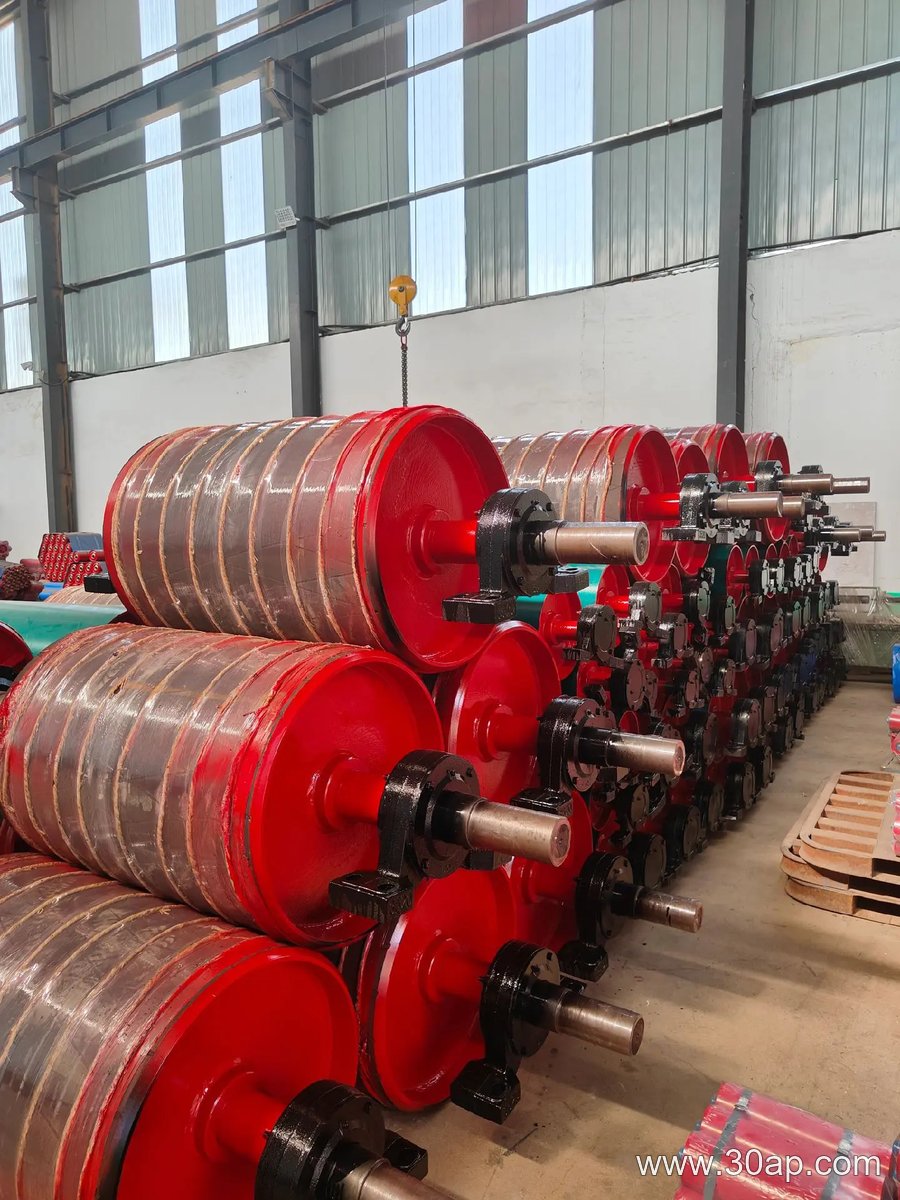
In a heavy mineral-processing plant, a conveyor pulley operates under continuous impact and abrasive slurry loads. Maintenance teams must inspect the shell, lagging, and bearing assemblies weekly for hairline cracking, uneven rubber wear, and abnormal thermal signatures. Preventive actions include checking shaft alignment and cleaning fugitive material buildup before it causes belt mistracking. If you observe severe pitting, localized rubber delamination, or excessive runout during rotation, immediate replacement of the conveyor pulley is required to avoid unplanned plant shutdowns.
Interpreting Conveyor Bracket Specification Fields
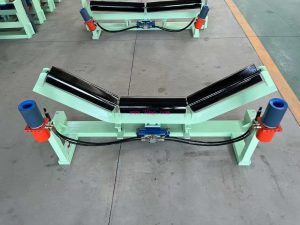
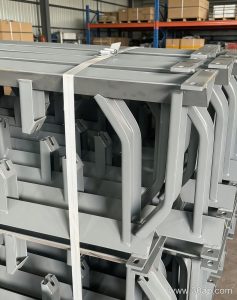
A conveyor bracket datasheet lists key mechanical and dimensional attributes that govern structural safety on a general manufacturing line. Engineers must look past basic product names and examine specific fields such as allowable vertical load limit expressed in kilonewtons (kN), slot pitch measured in millimeters (mm), and steel gauge thickness in millimeters. Understanding these units ensures the conveyor bracket withstands operational forces without premature yielding or bolt pull-through.
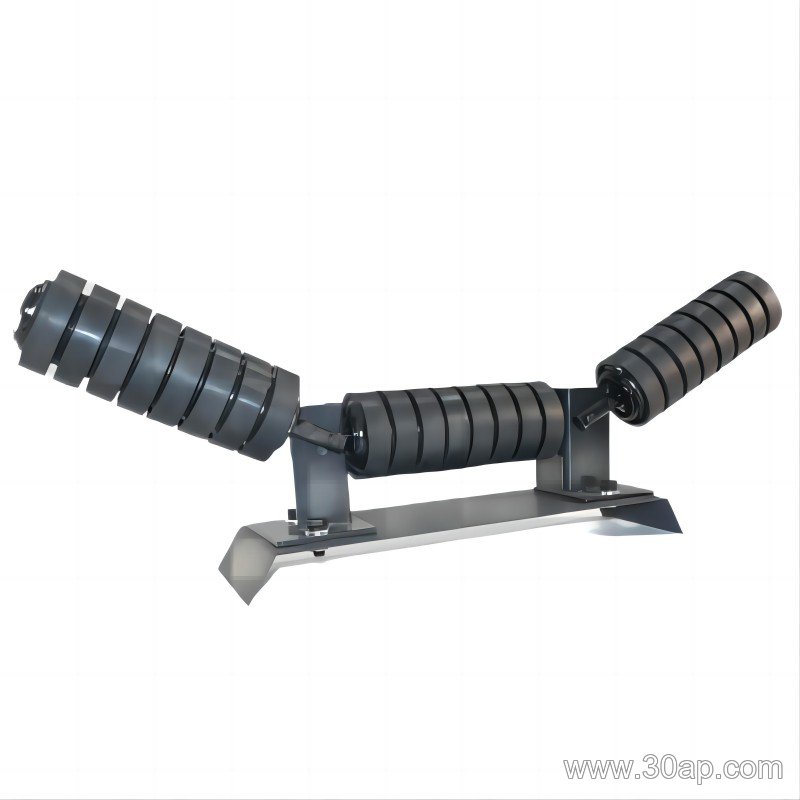
- Vertical load capacity (kN): indicates maximum downward force before plastic deformation.
- Slot tolerance (mm): defines allowable adjustment play for alignment.
- Base plate thickness (mm): determines resistance to bending moments.
Inspecting Your Heavy Duty Conveyor Belt for Critical Wear
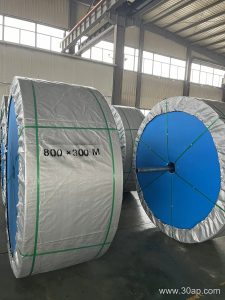
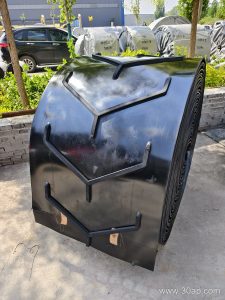
A heavy duty conveyor belt in a cement plant carries abrasive clinker and raw limestone daily. Routine inspections must target cover thickness reduction, edge fraying, and hidden carcass damage beneath impact zones.
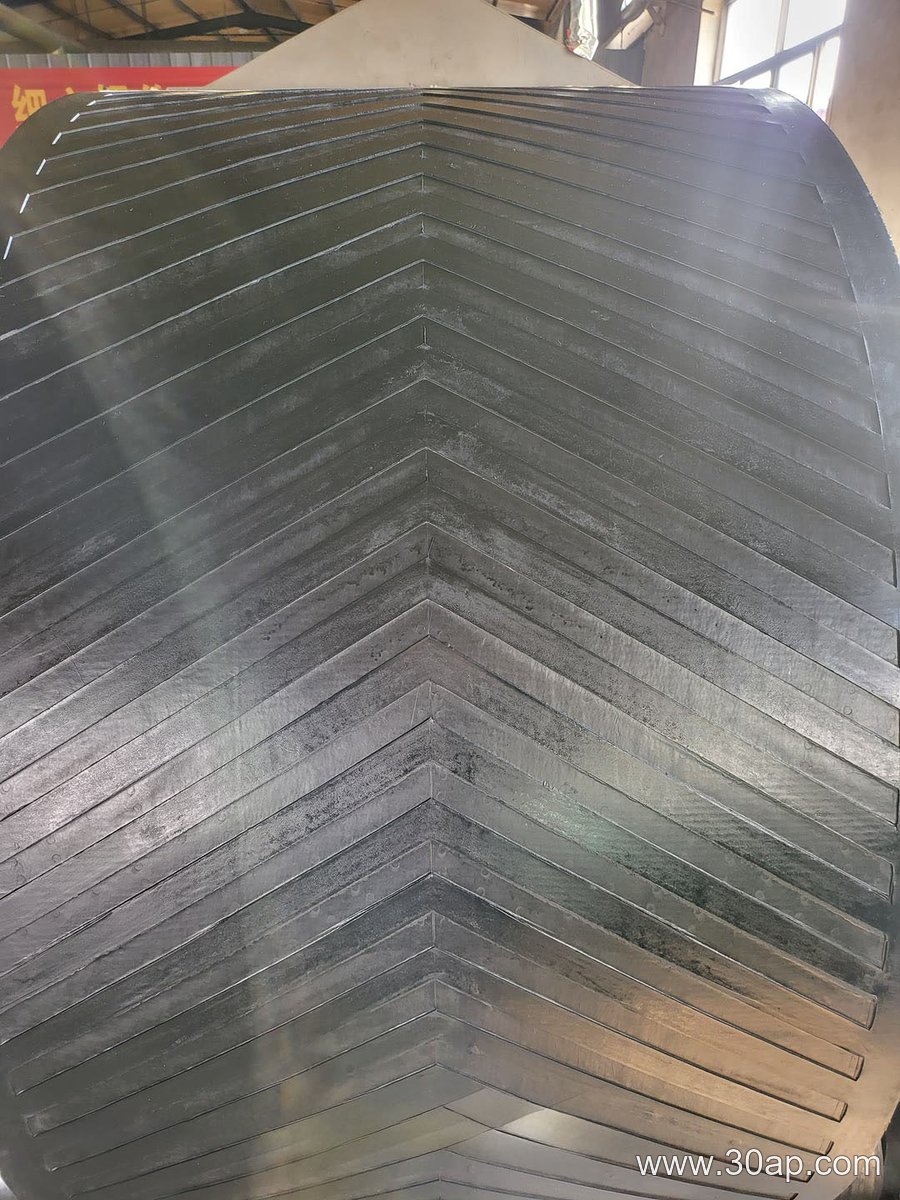
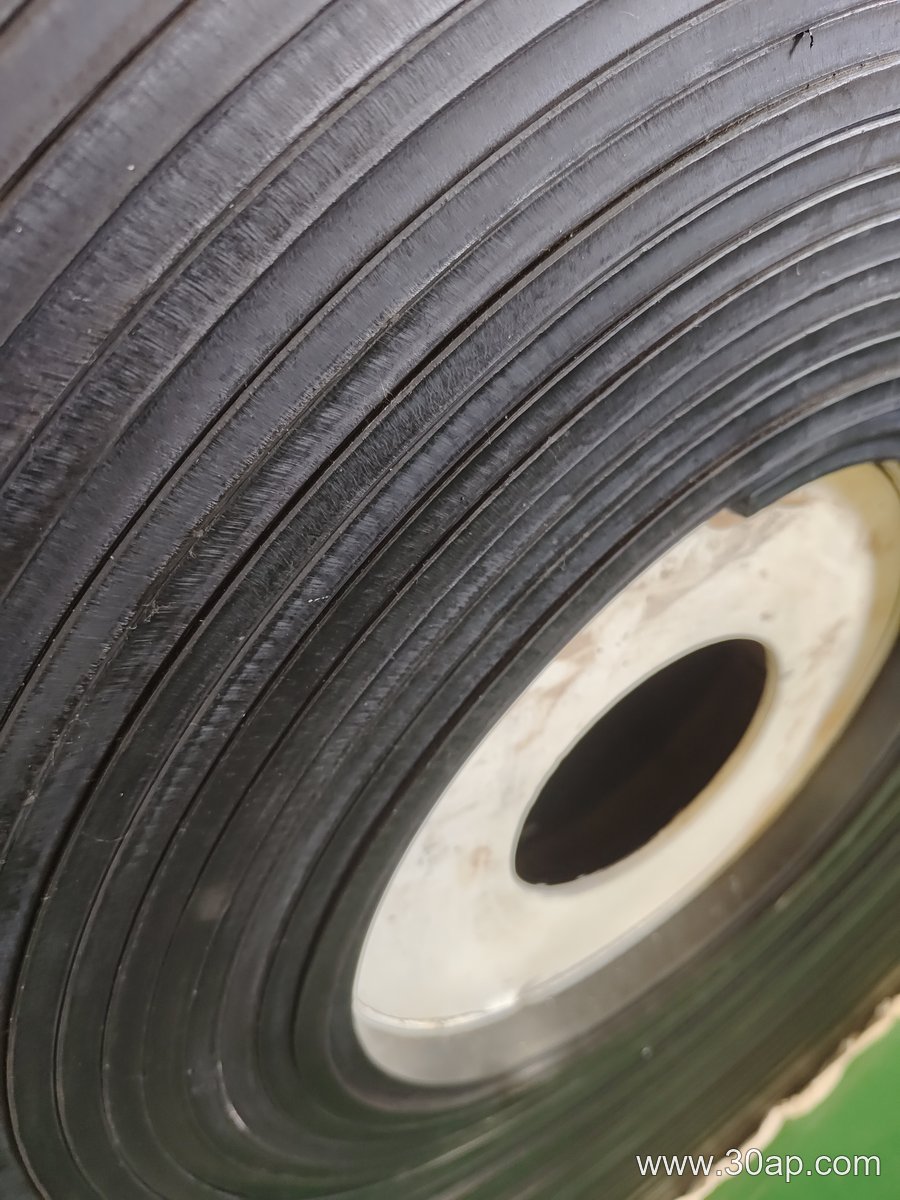
- Measure top cover wear weekly using a depth gauge near heavy loading points.
- Check vulcanized splices for transverse cracking or edge separation.
- Listen for irregular idler squeals indicating localized belt drag.
Signs That Immediate Replacement Is Necessary
If steel cords or fabric plies become exposed across a significant span, or if repeated splice failures occur despite professional repair, schedule a full belt replacement to avoid catastrophic line downtime.