What Is a Parallel Idler Bracket
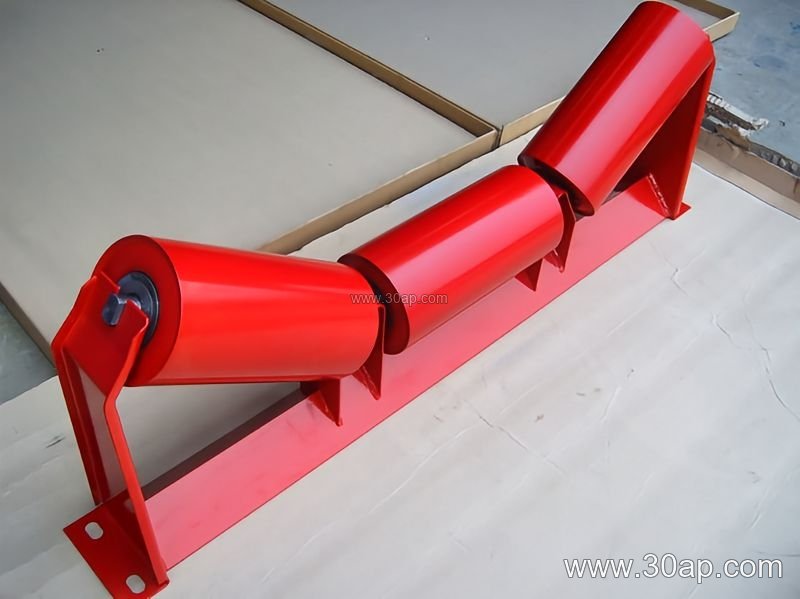
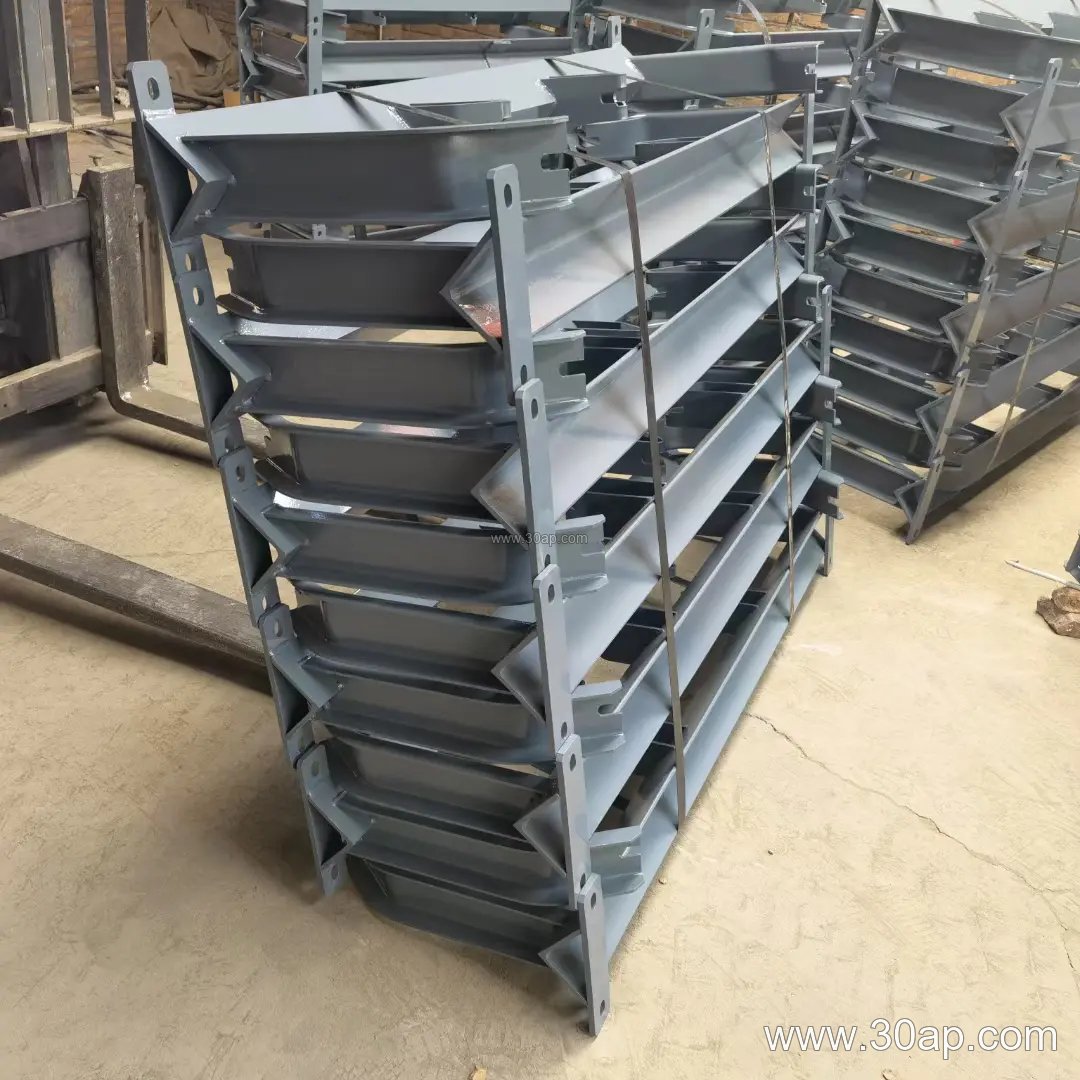
A parallel idler bracket is a mounting component that holds idler rollers in a parallel orientation relative to the conveyor belt. Unlike troughing brackets that angle the side rollers to form a trough, this bracket keeps the idler roller axis parallel to the belt surface. It is also commonly called a flat idler bracket or a parallel roller bracket. In a conveyor bracket system, it provides a stable base for the idler roller, allowing the belt to run smoothly on the return side or in flat carrying sections. The parallel idler bracket is not a drive pulley, tail pulley, or bend pulley, and it should not be confused with those components. It belongs to the family of conveyor brackets that support idlers, not pulleys.
Construction and Materials
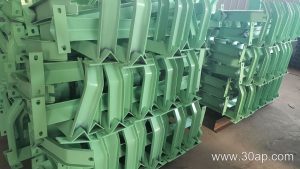
Most parallel idler brackets are fabricated from angle steel, channel steel, or bent steel plate. The choice of material depends on the load, belt width, and operating environment. In a coal mine or cement plant, heavier channel steel may be used for durability, while a sand and gravel line might use bent plate for lighter duty. The bracket typically has mounting holes or slots that align with the conveyor frame. The distance between mounting holes and the crossbeam length are determined by the belt width and the specific design of the conveyor. There is no single fixed dimension that applies to all parallel idler brackets.
Common Types and Variations
- Fixed parallel bracket – holds the idler in a set position with no adjustment.
- Adjustable parallel bracket – allows minor changes in height or alignment to compensate for belt tracking issues.
- Return parallel bracket – used on the return strand to support the belt after it leaves the drive pulley.
- Impact parallel bracket – reinforced version for loading zones where material falls onto the belt.
These variations are not interchangeable with troughing brackets, V-return brackets, or self-aligning brackets. Each type serves a specific purpose in the conveyor system.
Where It Is Used
Parallel idler brackets appear in many bulk material handling operations. In a limestone quarry, they support the return belt after the head pulley. In a power plant coal handling system, they help keep the conveyor belt aligned on the return run. Other common locations include sand and gravel plants, iron ore mines, and fertilizer silos. The bracket works together with the conveyor belt, idler roller, and conveyor pulley to maintain continuous material flow. Without proper support from parallel idler brackets, the belt may sag, misalign, or wear prematurely.
Specification and Selection Factors
When selecting a parallel idler bracket, buyers should consider the belt width, roller diameter, and the load carried. The table below shows common reference combinations, but these are not mandatory pairings. A belt width can work with different roller diameters and bracket designs depending on the application.
| Belt Width | Common Roller Diameter | Typical Bracket Material |
|---|---|---|
| B500 | Ø89 | Angle steel |
| B650 | Ø89 or Ø108 | Angle steel or bent plate |
| B800 | Ø108 or Ø133 | Channel steel |
| B1000 | Ø133 or Ø159 | Channel steel |
| B1200 | Ø133 or Ø159 | Channel steel or bent plate |
| B1400 | Ø159 or Ø194 | Channel steel |
| B1600 | Ø159 or Ø194 | Heavy channel steel |
Note that the mounting hole spacing and crossbeam length change with belt width and bracket design. Do not assume that one belt width can only match one roller diameter. The table is a general reference, not a fixed specification. For adjustable parallel brackets, the slot length may allow small position changes, but the range depends on the manufacturer and the specific model.
Installation and Maintenance Tips
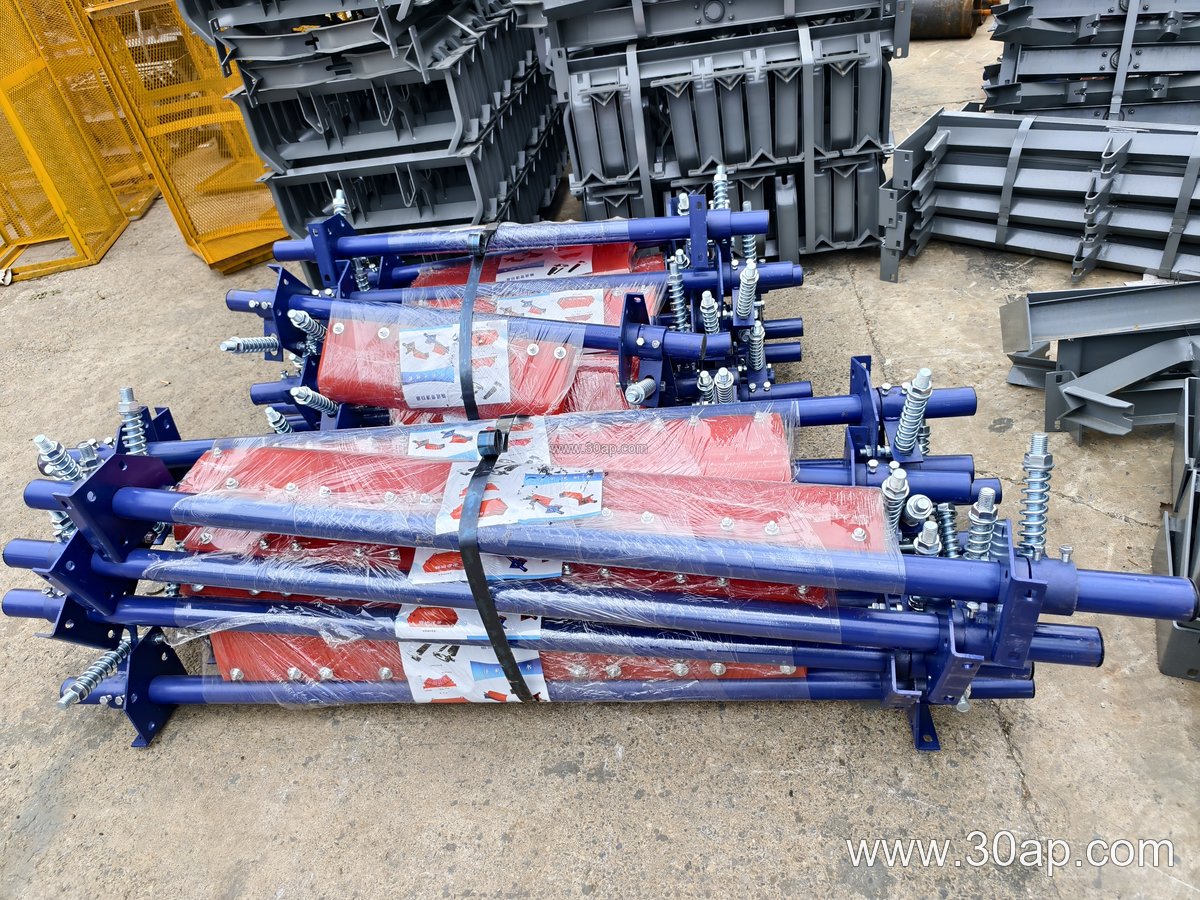
Proper installation of a parallel idler bracket helps prevent belt mistracking. The bracket should be aligned square to the conveyor centerline. Bolts should be tightened to the recommended torque, and any shims used for leveling should be corrosion-resistant. In dusty environments such as a coal mine or cement plant, inspect the brackets regularly for material buildup. Clean the mounting surfaces and check for wear on the idler roller. If the bracket shows signs of bending or cracking, replace it promptly. Lubrication is not typically required for the bracket itself, but the idler roller bearings should be serviced according to the roller manufacturer’s instructions.
Buyer Checklist
- Confirm the conveyor belt width and the idler roller diameter.
- Decide between fixed and adjustable parallel idler bracket based on tracking needs.
- Check the material thickness and finish for the operating environment.
- Verify the mounting hole pattern matches the existing conveyor frame.
- Ask for the bracket’s load rating and any recommended spacing.
Remember that the parallel idler bracket is only one part of the conveyor bracket system. It works alongside the conveyor pulley, idler roller, and belt to keep material moving. For any specific project, consult the conveyor designer or bracket supplier to confirm dimensions and compatibility. The right parallel idler bracket will improve belt life and reduce downtime in your quarry, power plant, or processing facility.