What Is a PVC Conveyor Belt
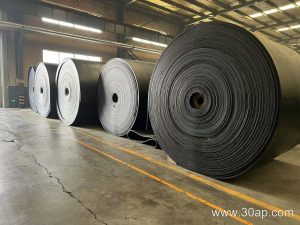
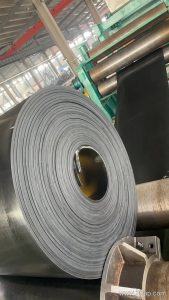
A PVC conveyor belt is a lightweight belt whose covers are made from polyvinyl chloride rather than rubber. The carcass is usually a woven fabric, often polyester or nylon, and the PVC compound is applied to one or both faces. Because PVC is thermoplastic, these belts can be joined by heat welding or by mechanical fasteners, and they resist moisture, many mild chemicals, and fungal growth better than standard rubber covers. They are common in food processing, packaging, logistics, and light manufacturing where a clean, easy-to-wipe surface matters.
This belt family differs from heavy-duty rubber belts such as an EP conveyor belt. EP belts use polyester-nylon fabric plies and thick rubber covers for high tension and abrasive bulk haulage. PVC belts, by contrast, are usually thinner, more flexible, and rated for lower tensions. They are often called by their cover material or surface pattern, not by a single trade name.
How a PVC Belt Is Built
The construction is fairly simple. A woven fabric core carries the load. A PVC top cover provides the carrying surface, and a PVC bottom cover runs against the pulley side. Some belts add a fabric backing for extra grip or a patterned surface to stop products from sliding on inclines.
- Carcass: one or more plies of polyester or nylon fabric.
- Top cover: PVC compound, often with a smooth or textured finish.
- Bottom cover: PVC or fabric, chosen for running friction and wear.
- Edges: cut square, sealed, or reinforced depending on the application.
Surface forms matter. A smooth cover suits boxes, cartons, and general conveying. A rough-top or cleated surface is useful on inclines. Anti-static and oil-resistant versions are available for specific environments. When oil or grease is present, an Oil Resistant Conveyor Belt is often selected for machine shops, metal stamping lines, and parts handling where drips would degrade a standard cover.
Common Widths and Where They Fit
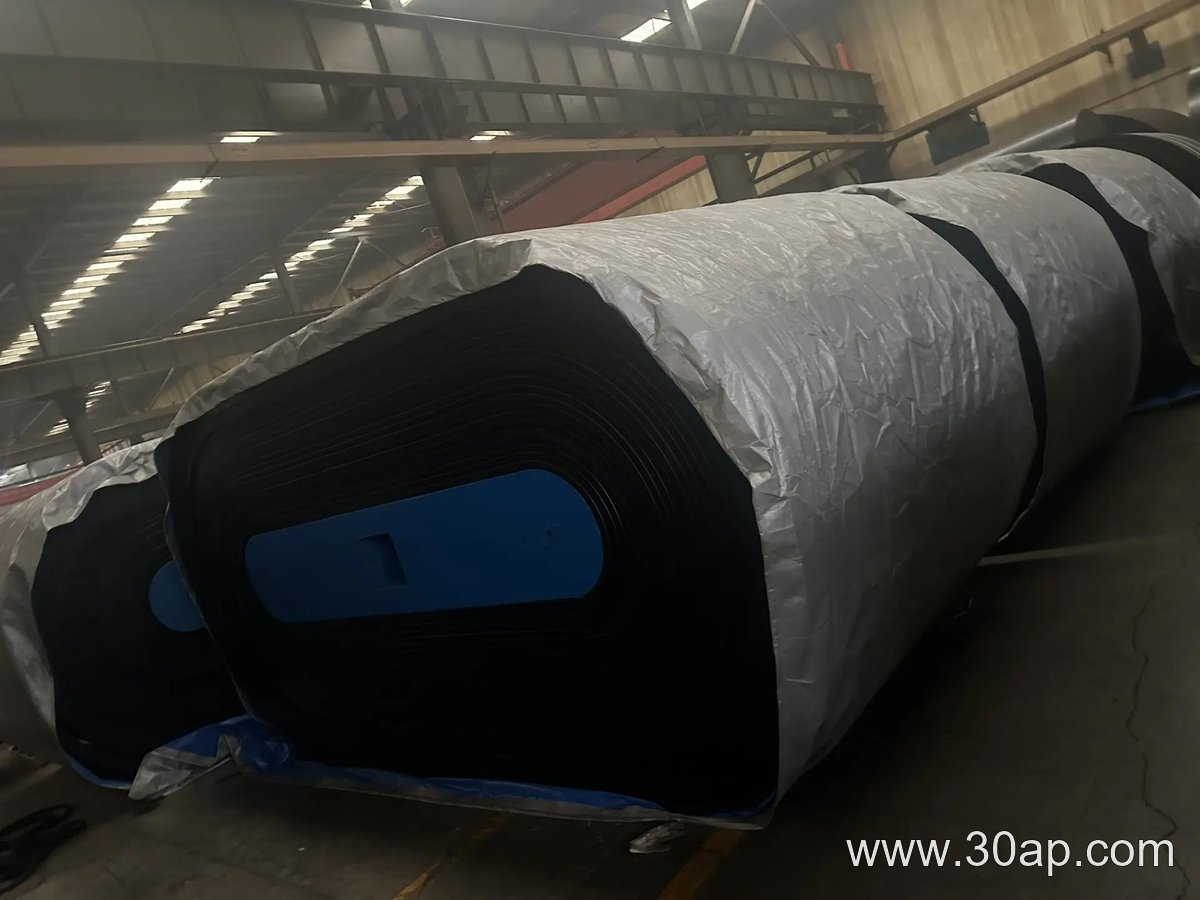
PVC belts are made in many widths. Common options include 500 mm, 650 mm, 800 mm, 1000 mm, 1200 mm, and wider. A 2000mm Conveyor Belt is used in wide-belt applications such as bulk package handling, board and panel lines, and large sorting decks where a single belt must span the full machine width. For even broader equipment, an Extra-Wide Conveyor Belt may be specified for wide-format printing, textile finishing, or large flat-panel transport. These are not universal choices; the required width comes from the machine frame and the product being carried.
Width alone does not fix pulley or shaft dimensions. A belt only needs to match the pulley face and the load path. The conveyor pulley diameter is selected from tension, wrap angle, and belt stiffness, not from belt width alone. A B1200 belt might run on a Ø500 pulley in one conveyor and a Ø800 pulley in another. Shaft diameter follows the torque and bending load, so it should be calculated for each drive.
Supporting Components and Their Role
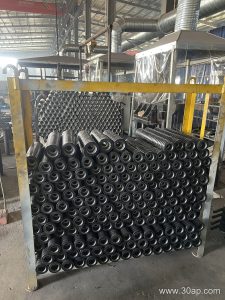
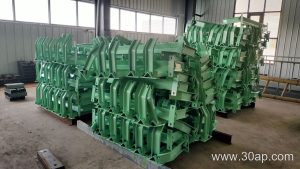
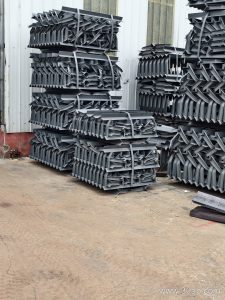
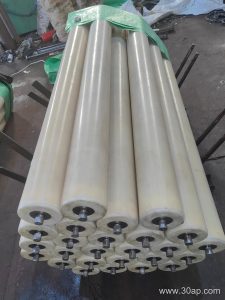
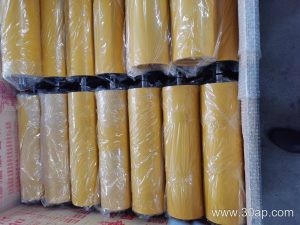
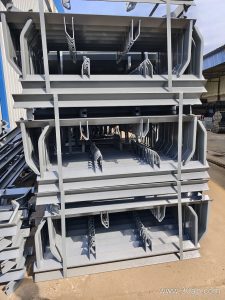
A PVC belt does not work alone. The conveyor frame carries the idler roller, conveyor pulley, and conveyor bracket. On light PVC belts, the carrying side often runs on a flat slider bed rather than on rollers, because the belt is flexible and the product is usually light. Where rollers are used, a small-diameter idler roller such as Ø89 or Ø108 is common. The head and tail pulleys are typically smaller than those on a heavy rubber belt, but they still need proper crown or lagging to help tracking.
Tracking is a key issue. A belt that is not square, or a frame that is twisted, will cause the belt to run to one side. Adjustable brackets and self-aligning rollers help, but the first check is always the belt joint and the pulley alignment.
What a Buyer Should Check
Before ordering, confirm the following:
- Product weight and shape, to set the required belt width and surface.
- Operating temperature, because PVC has a lower heat limit than rubber.
- Chemical exposure, especially oils, solvents, and cleaning agents.
- Incline angle, which decides whether a smooth or textured cover is needed.
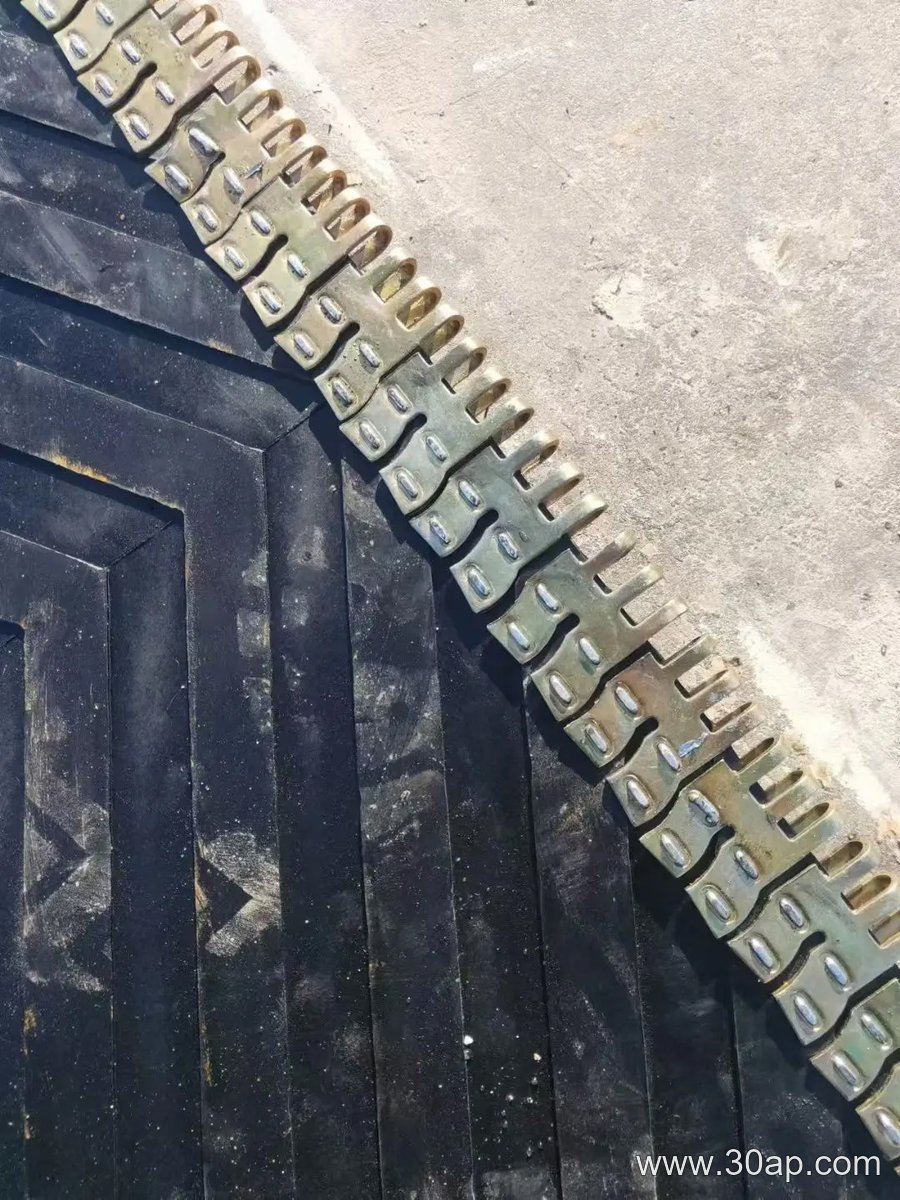
- Joint method, since heat welding gives a smooth splice while mechanical fasteners allow faster replacement.
- Pulley and roller sizes, so the belt can flex without cracking.
Ask for the actual cover compound and fabric data, not just the color. A white belt is not automatically food grade, and a green belt is not automatically oil resistant. The data sheet should state the cover material, fabric type, total thickness, and recommended minimum pulley diameter.
Installation and Maintenance Notes
Keep the belt clean and avoid sharp edges on the frame. Check the pulley lagging for wear, and confirm that all rollers turn freely. A stuck idler roller will rub the belt and cause premature cover wear. Re-tension only as much as needed; too much tension shortens bearing life and can damage the belt edges.
Store spare belts flat, out of direct sunlight, and away from ozone sources such as electric motors. UV and heat age PVC covers, making them brittle.
FAQ
Q1. Is a PVC conveyor belt the same as an EP belt?
No. An EP belt uses polyester-nylon fabric plies with rubber covers for high tension and abrasive duty. A PVC belt uses a PVC cover and is generally lighter, more flexible, and suited to cleaner, lower-tension conveying.
Q2. Can I use a PVC belt on an incline?
Yes, if the surface is textured or cleated and the angle is within the belt’s rated grip. Smooth PVC belts may allow products to slide on steep inclines.
Q3. How do I choose the belt width?
Start with the widest product and the machine frame. Add enough margin so the product does not hang over the edge. Then check the pulley face and the available take-up travel. Width does not determine pulley diameter or shaft size by itself.
Q4. What is the maximum temperature for a PVC belt?
It depends on the compound, but PVC belts are generally used at lower temperatures than rubber belts. Check the manufacturer’s data for the specific cover.