What a 1250mm Drive Pulley Is
A 1250mm drive pulley is a large-diameter head pulley that transmits power to the conveyor belt. The “1250mm” refers to the pulley diameter, not the face width. This size is common in high-capacity systems where the belt carries heavy loads and the pulley must provide enough contact area and torque transfer without excessive belt stress. In a crushing circuit or a coal handling plant, the drive pulley often sits at the discharge end, working with the conveyor belt to move material from the mine or stockyard to the next stage.
Sometimes called a head pulley or drive drum, this component is distinct from tail pulleys and bend pulleys, which serve different roles and are not interchangeable. A tail pulley returns the belt, while a bend pulley changes its direction. The drive pulley, by contrast, is the power input point, usually connected to a gearbox and motor.
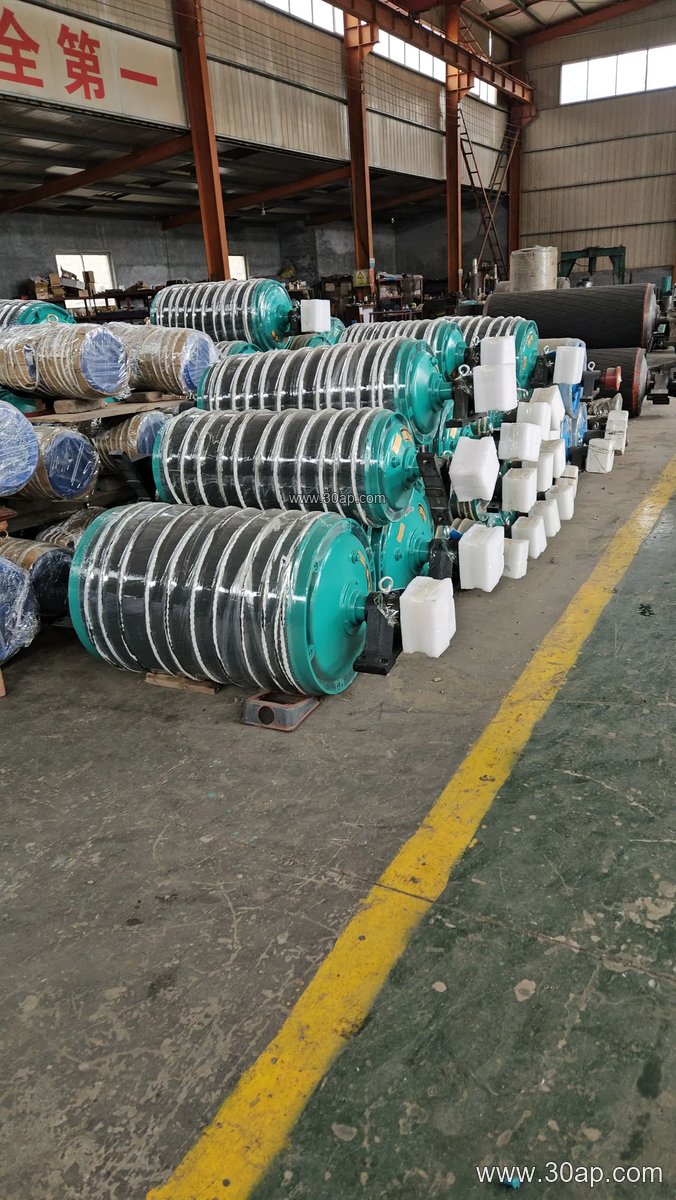
Construction and Key Dimensions
A 1250mm drive pulley typically consists of a cylindrical shell, two end discs, a shaft, and a lagging surface. The shell is usually rolled from steel plate and machined for balance. The shaft diameter is determined by torque and load, not by belt width alone. Common shaft sizes in this class include Ø160, Ø180, and Ø200, but the final value depends on the drive design and bearing selection.
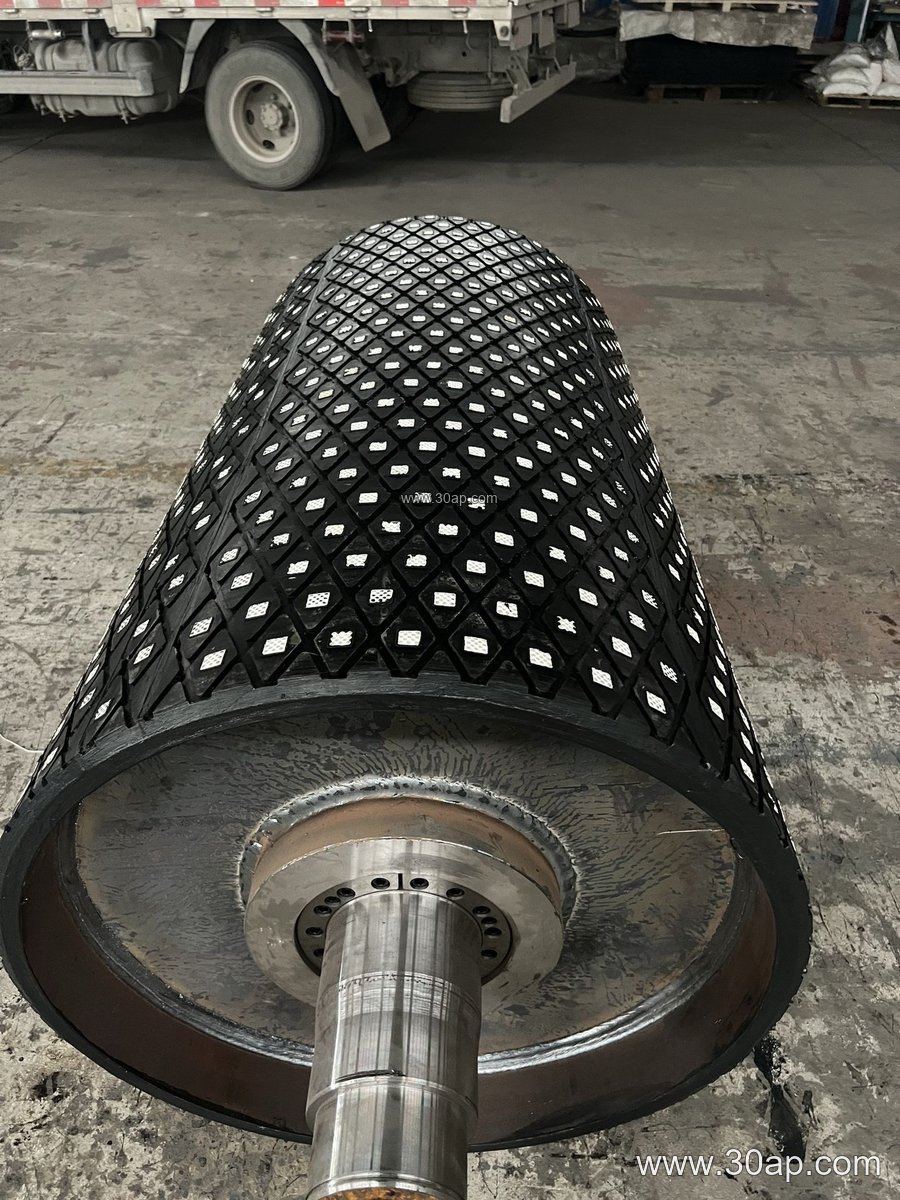
Face width is another critical dimension. For a 1250mm diameter, the pulley face is often wider than the belt to allow for misalignment. Typical combinations might pair a B1200 belt with a 1400mm face, or a B1400 belt with a 1600mm face. However, no single belt width is tied to one pulley diameter. A 1250mm drive pulley can be specified with different face widths to suit the conveyor layout.
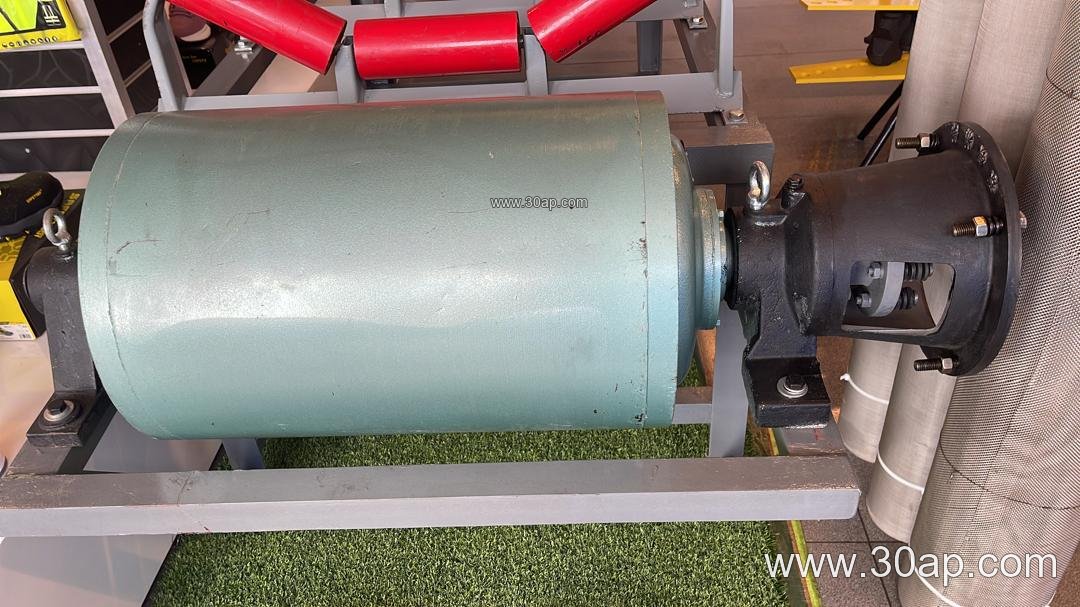
The table below shows common reference dimensions for large drive pulleys. These are examples, not fixed rules.
| Parameter | Common Reference Values |
|---|---|
| Diameter | Ø1000, Ø1250, Ø1400, Ø1600 |
| Belt width (example) | B1000, B1200, B1400, B1600 |
| Face width (approx.) | 1150, 1400, 1600, 1800 mm |
| Shaft diameter | Ø120, Ø140, Ø160, Ø180, Ø200 |
| Lagging thickness | 8, 10, 12, 15, 20 mm |
| Surface type | Plain, rubber lagging, diamond lagging, ceramic lagging |
Where It Fits in the Conveyor
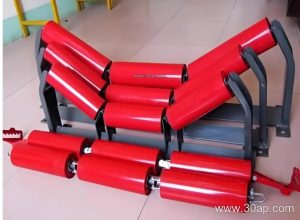
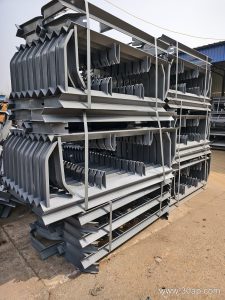
This drive pulley is often found in the head position of a conveyor in a limestone mine, a cement plant clinker line, or a power station coal yard. It may also appear as a tension pulley in a long overland system, though the drive function is its primary role. In a typical arrangement, the 1250mm drive pulley is supported by conveyor brackets and bearing housings, while idler rollers carry the belt along the route.
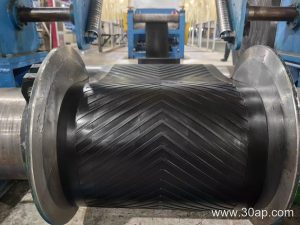
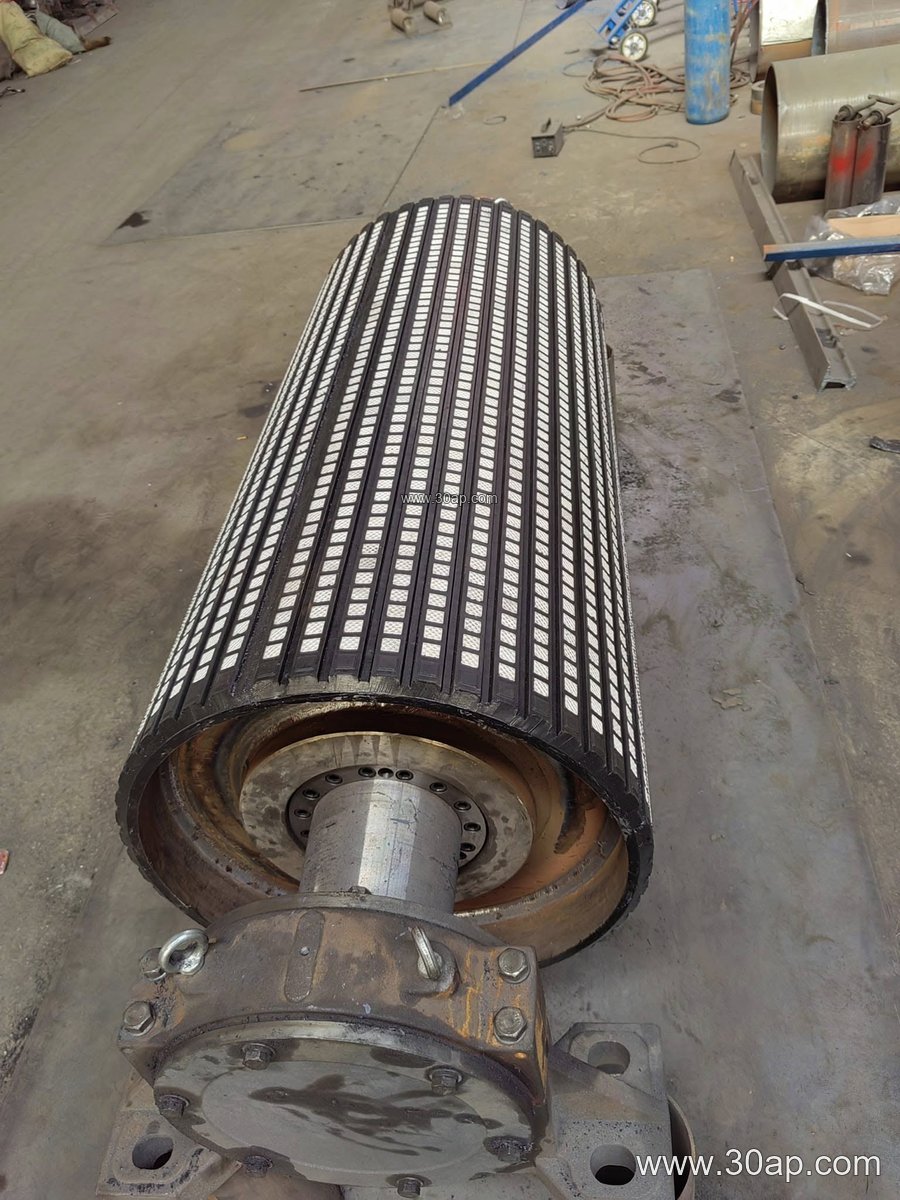
Because of its size, it is usually installed with a torque arm or a shrink disc coupling to the gearbox. The lagging surface—whether plain rubber, diamond pattern, or ceramic—affects grip and wear life. Diamond lagging is common in wet or dusty conditions, such as a wash plant or a port terminal handling bulk cargo.
Selection and Maintenance Notes
Buyers should consider belt tension, starting torque, and environmental conditions. A 1250mm drive pulley may be overkill for a small aggregate line but appropriate for a high-tonnage iron ore conveyor. Check that the shaft diameter matches the gearbox output and that the lagging thickness suits the abrasiveness of the material. For maintenance, inspect lagging wear and shaft alignment regularly. Replace worn lagging before it damages the belt.
Keep in mind that tail pulleys and bend pulleys are not substitutes for a drive pulley. Each has a specific job. When specifying a 1250mm drive pulley, work with the conveyor designer to confirm dimensions and surface form. The values above are reference data, not universal specifications.