Why the Conveyor Belt Defines Your Entire Line
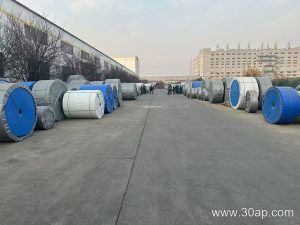
The conveyor belt is the single most load-bearing component in any material handling system. Its surface, splice, and carcass determine uptime, product safety, and energy costs. Before specifying, map your material’s abrasiveness, temperature, and oil exposure.
Core Selection Criteria for Industrial Buyers
- Cover compound: Choose rubber (general), PVC (food-grade), or polyurethane (chemical resistance).
- Carcass strength: Calculate working tension per inch of width to avoid stretch and sag.
- Belt thickness: Thicker covers extend life on sharp loads but increase pulley diameter needs.
Purchasing Advice That Prevents Downtime
Always order a belt with a vulcanized endless splice if your conveyor has fixed centers. For adjustable systems, mechanical fasteners speed replacement. Request a break-in tension chart from the manufacturer, and verify that your pulley lagging matches the belt’s friction coefficient.
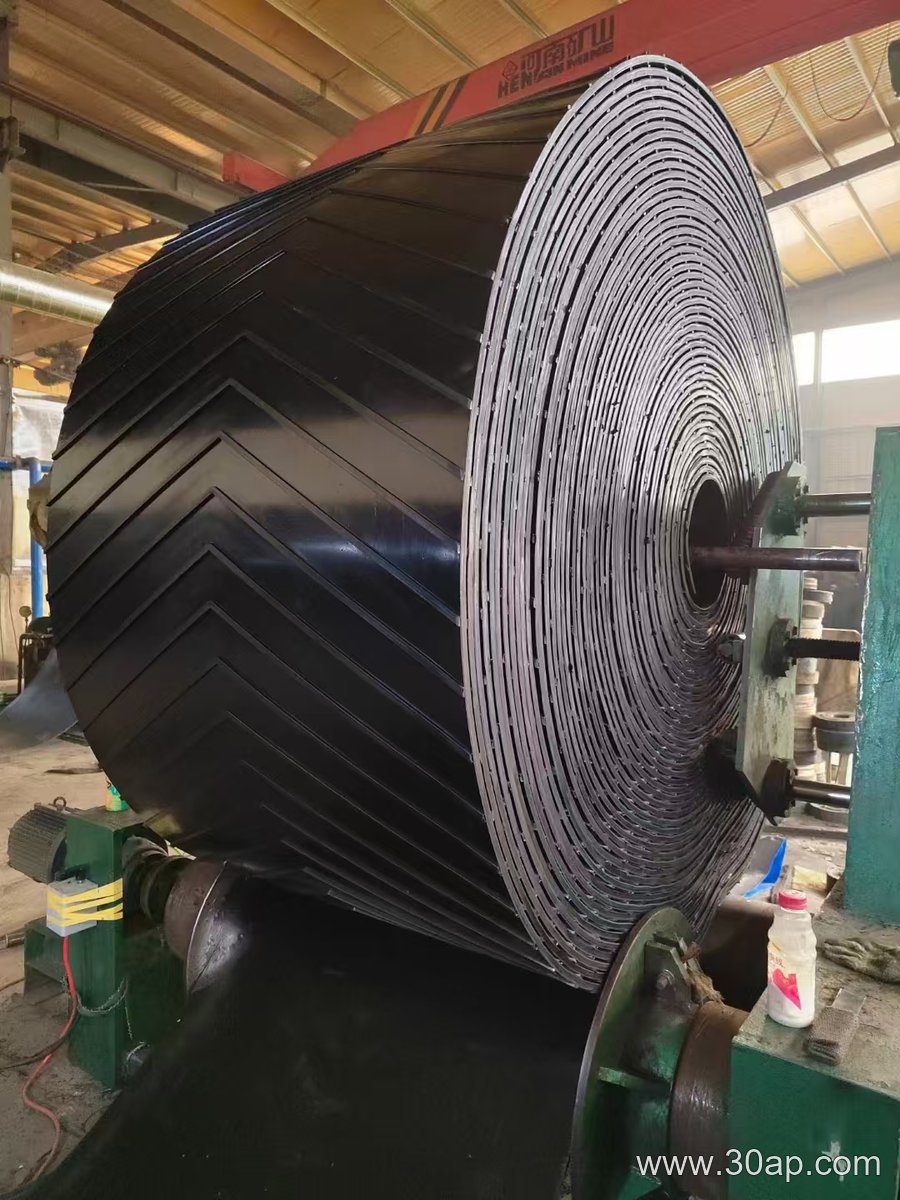
Finally, stock one spare belt per critical line. Compare total cost of ownership—not price per meter—including energy loss from overly stiff belts. A correct conveyor belt will deliver 5–10 years of service with monthly tracking checks.
Idler Roller: The Backbone of Efficient Bulk Handling
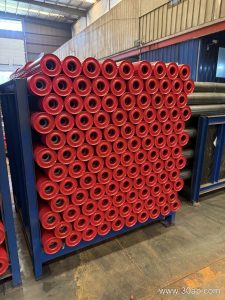
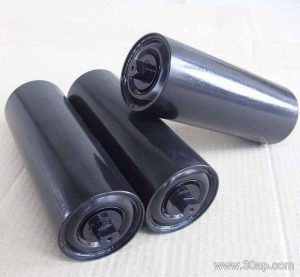
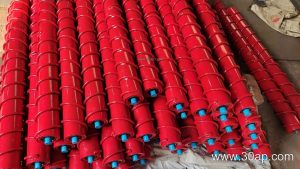
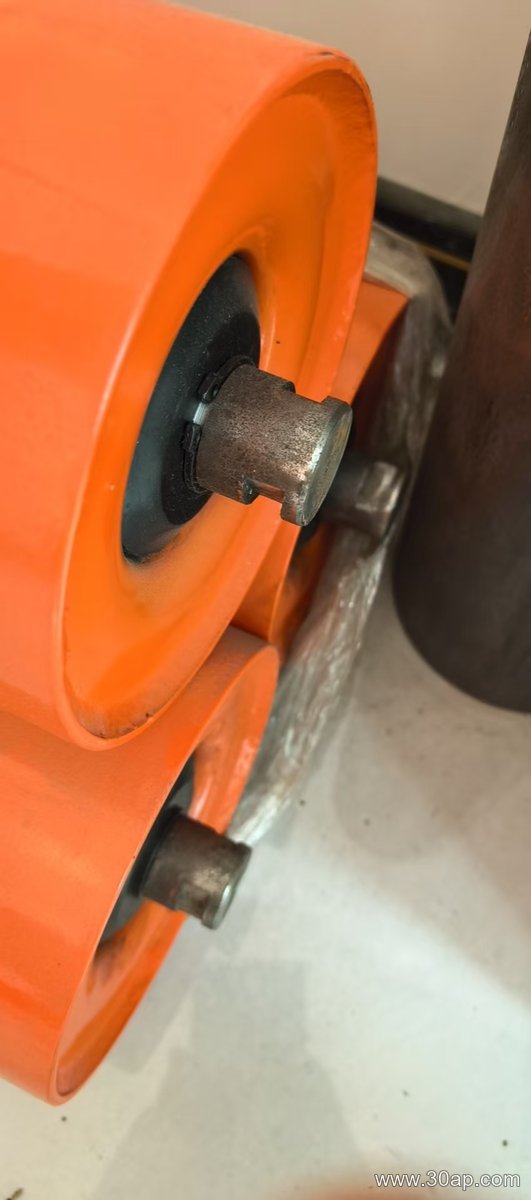
An idler roller is the cylindrical component that supports the conveyor belt and its load, reducing friction and preventing sagging. Without properly selected idlers, belts misalign, spillage increases, and downtime spikes.
Key Selection Criteria
- Load rating: Match the roller’s dynamic capacity to your peak tonnage; oversizing adds cost, undersizing causes premature failure.
- Diameter and shell thickness: Larger diameters reduce belt wrap and impact, but verify clearance and pulley compatibility.
- Sealing system: In dusty or wet environments, choose labyrinth or contact seals to protect bearings.
Materials and Environment
Steel idlers suit abrasive materials, while rubber-coated or HDPE rollers minimize belt wear. For corrosive or food-grade settings, use stainless steel or polymer shells.
Purchasing Advice
- Request a bearing life calculation (L10) based on your actual rpm and load—not just catalog charts.
- Check the frame type (trough, flat, or impact) and ensure the roller’s trough angle matches your existing structure.
- Buy from a supplier offering interchangeable dimensions with major brands to simplify future replacements.
Always verify the idler roller’s run-out tolerance (≤0.7 mm) and shaft deflection under load. A quality idler pays back through reduced belt maintenance and energy savings.
Why the Conveyor Pulley Demands Your Attention
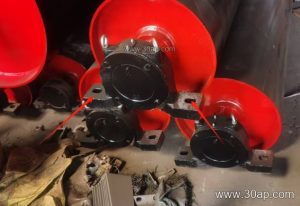
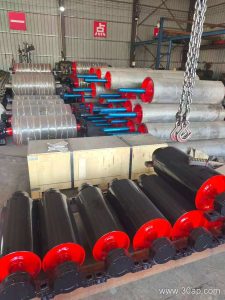
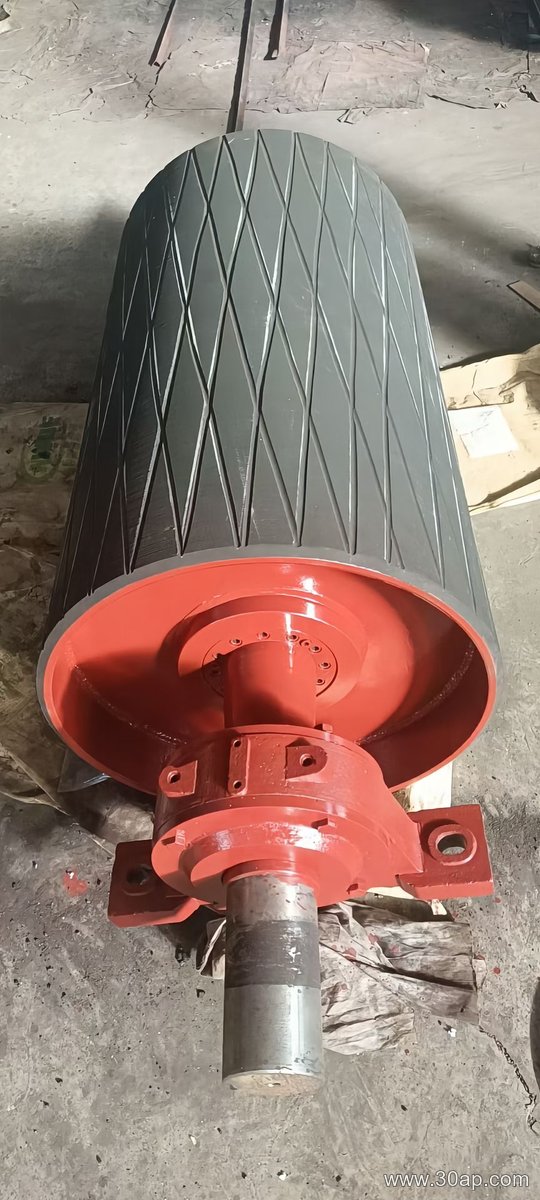
The conveyor pulley is not an accessory; it is the mechanical heart that drives belt tension, traction, and directional control in every bulk handling system. A poorly selected pulley leads to belt slippage, misalignment, and costly downtime. Focus your specification on three load-bearing points: shell diameter, shaft strength, and lagging type.
Selection Criteria for Heavy-Duty Operations
- Calculate the effective belt tension and wrap angle to determine the minimum pulley diameter that prevents over-flexing of the carcass.
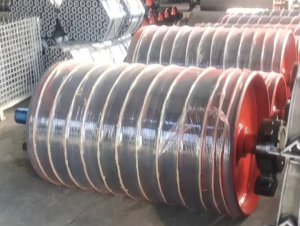
- Choose between drum, wing, and spiral-wrapped pulleys based on material buildup: wing pulleys self-clean, while drum pulleys offer maximum contact area.
Lagging and Shaft Design for Longevity
- Specify ceramic or rubber lagging to improve friction coefficient and protect the shell from abrasive wear.
- Verify shaft deflection limits below 0.5 degrees under full load—oversized hubs and keyways reduce fatigue failure risks.
Purchasing Advice That Saves Budget
Do not buy on price alone. Request certified drawings, dynamic balancing reports (grade G6.3 for speeds above 3 m/s), and confirm the crown profile for belt tracking. Always stock a spare drive pulley for critical routes, and schedule ultrasonic thickness testing every 12 months to detect shell erosion before rupture.
Understanding the Critical Role of Conveyor Brackets
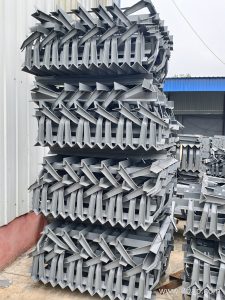
Every conveyor system depends on the humble conveyor bracket to secure rollers, idlers, and frames under constant load and vibration. A poorly chosen bracket leads to misalignment, premature wear, and costly downtime. This article focuses solely on selecting the right conveyor bracket for your operation.
Key Selection Criteria
- Material grade: Choose galvanized steel for corrosive environments, stainless for food or chemical plants, and powder-coated carbon steel for general use.
- Load rating: Verify static and dynamic capacity against your heaviest belt load, including impact zones.
- Mounting style: Match slot or bolt patterns to your existing frame—universal slotted brackets offer retrofit flexibility.
- Adjustability: Opt for slotted or pivoting brackets to fine-tune trough angles and tracking without shims.
Purchasing Advice
Always request dimensional drawings and torque specs from the supplier. Inspect weld quality and edge finishing—sharp burrs accelerate belt wear. Buy from manufacturers who offer a 5-year warranty on structural integrity. For high-speed lines, consider vibration-damped brackets with rubber inserts to reduce noise and fatigue.
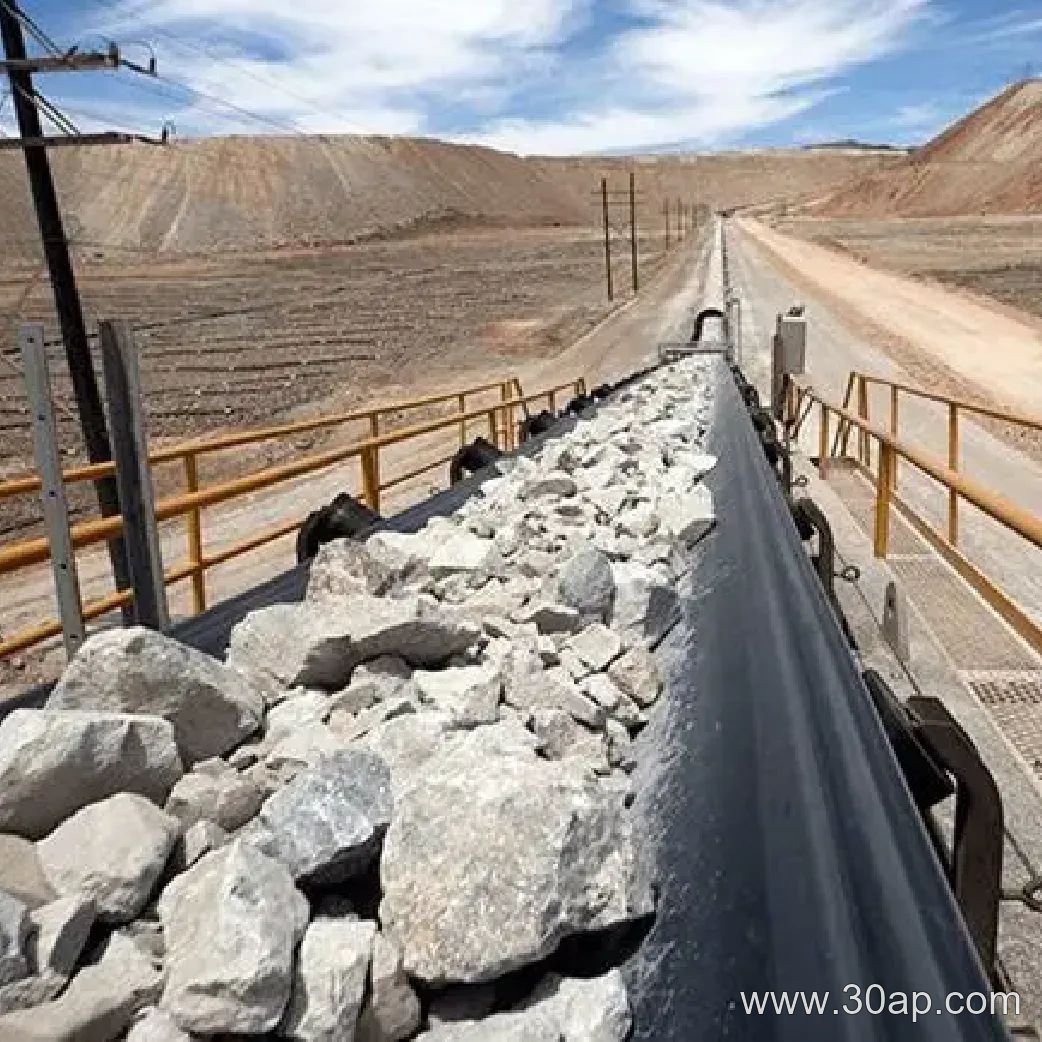
Finally, stock at least 10% spare brackets of each type to avoid production halts. A small investment in premium conveyor brackets pays back through extended belt life and reduced maintenance hours.