What a Mining Conveyor Bracket Does
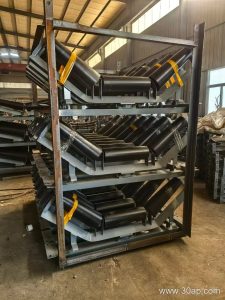
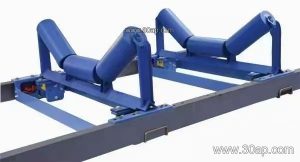
A mining conveyor bracket is the structural interface between the idler roller and the conveyor frame. It holds each roller at the correct height, angle, and spacing so the conveyor belt runs smoothly under heavy loads. In tough environments such as a limestone quarry, a coal washing plant, or a cement kiln feed line, this bracket absorbs vibration, keeps alignment, and simplifies maintenance. Often called a conveyor idler bracket or roller support bracket, it is a small but critical part of the whole conveyor system.
How the Bracket Is Built
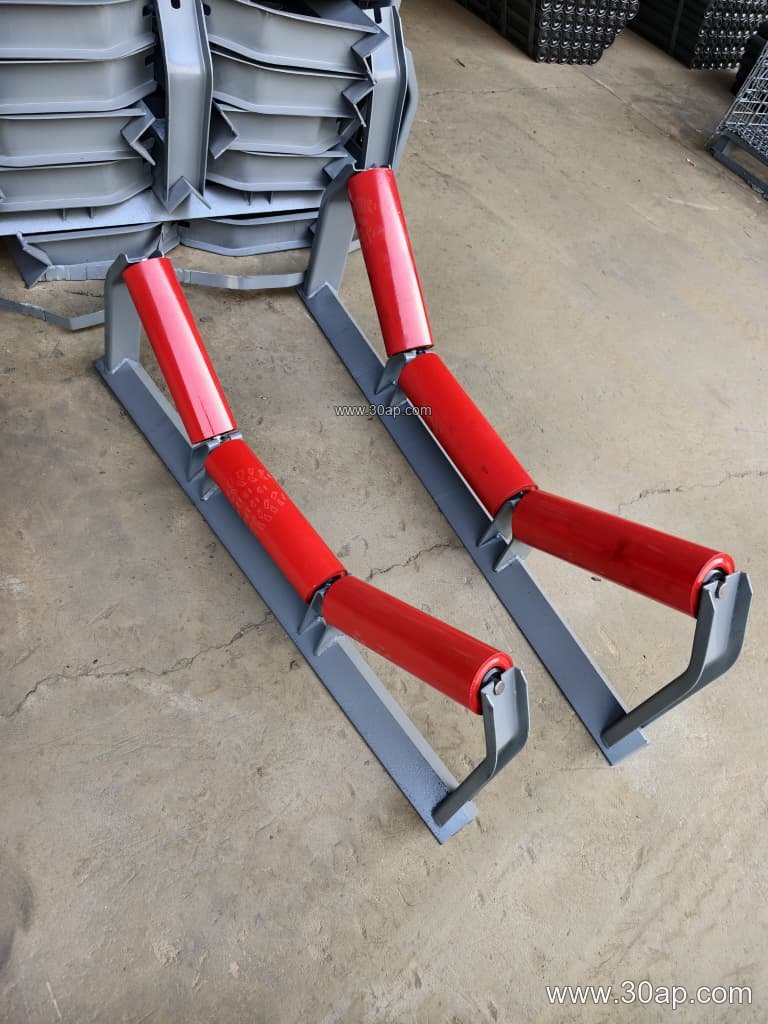
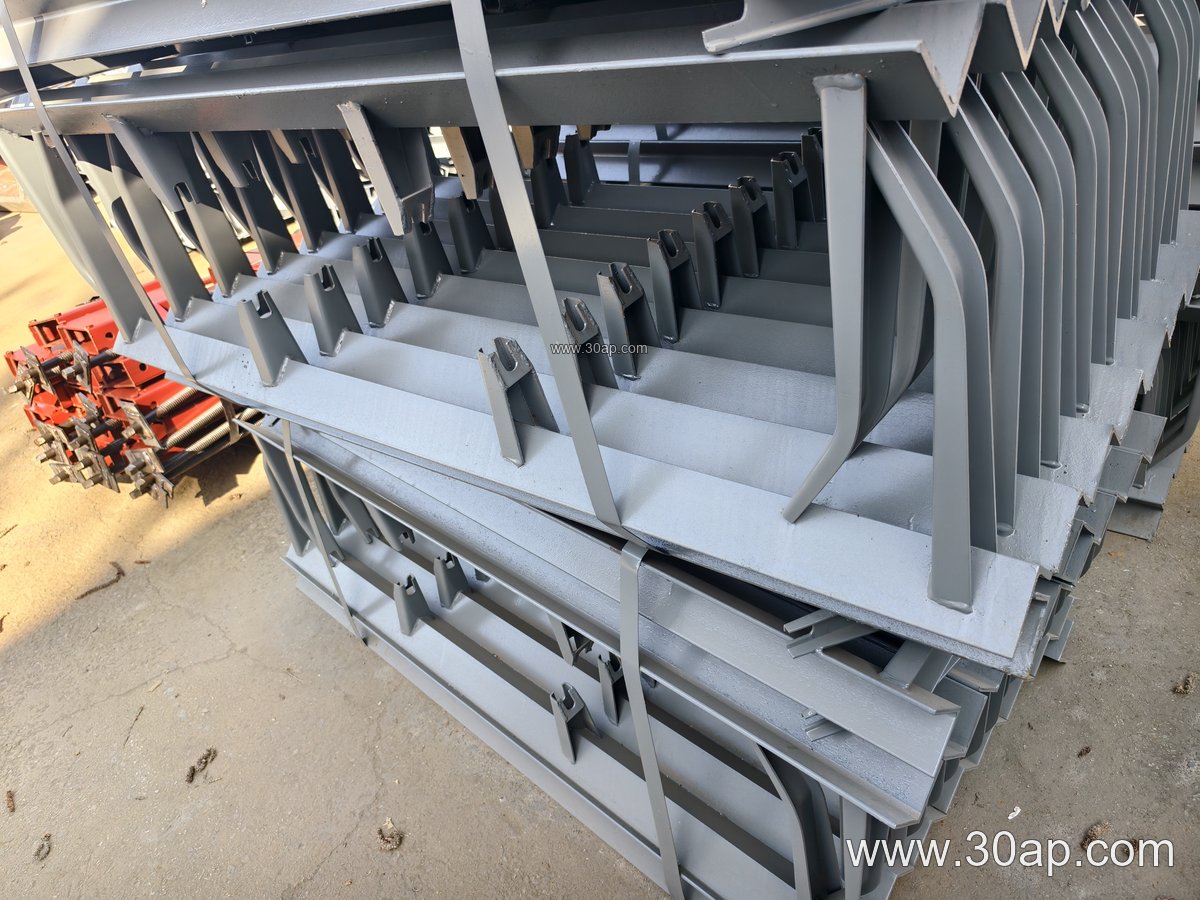
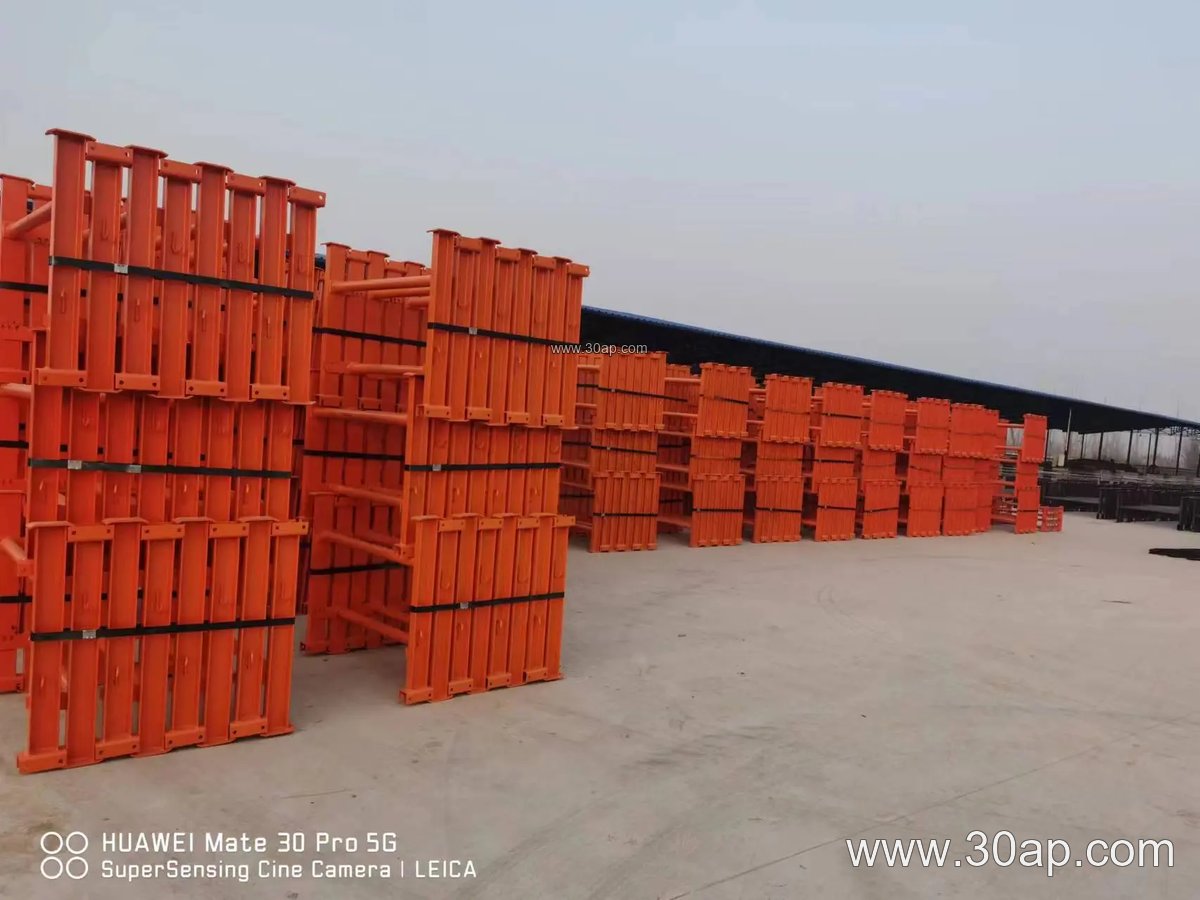
Most mining conveyor brackets are fabricated from angle steel, channel steel, or folded steel plate. The material thickness and surface treatment are selected according to the load and the working environment. A typical bracket includes mounting slots for the idler shaft, a crossbeam that spans the belt width, and fixing holes for the frame. For dusty or wet conditions, brackets may be painted or galvanized, but the exact finish depends on the site requirements.
Common Types and Their Roles
Different positions along the conveyor call for different bracket designs. The table below lists typical bracket types and their usual applications. These are common references, not fixed specifications for every project.
| Bracket Type | Typical Use |
|---|---|
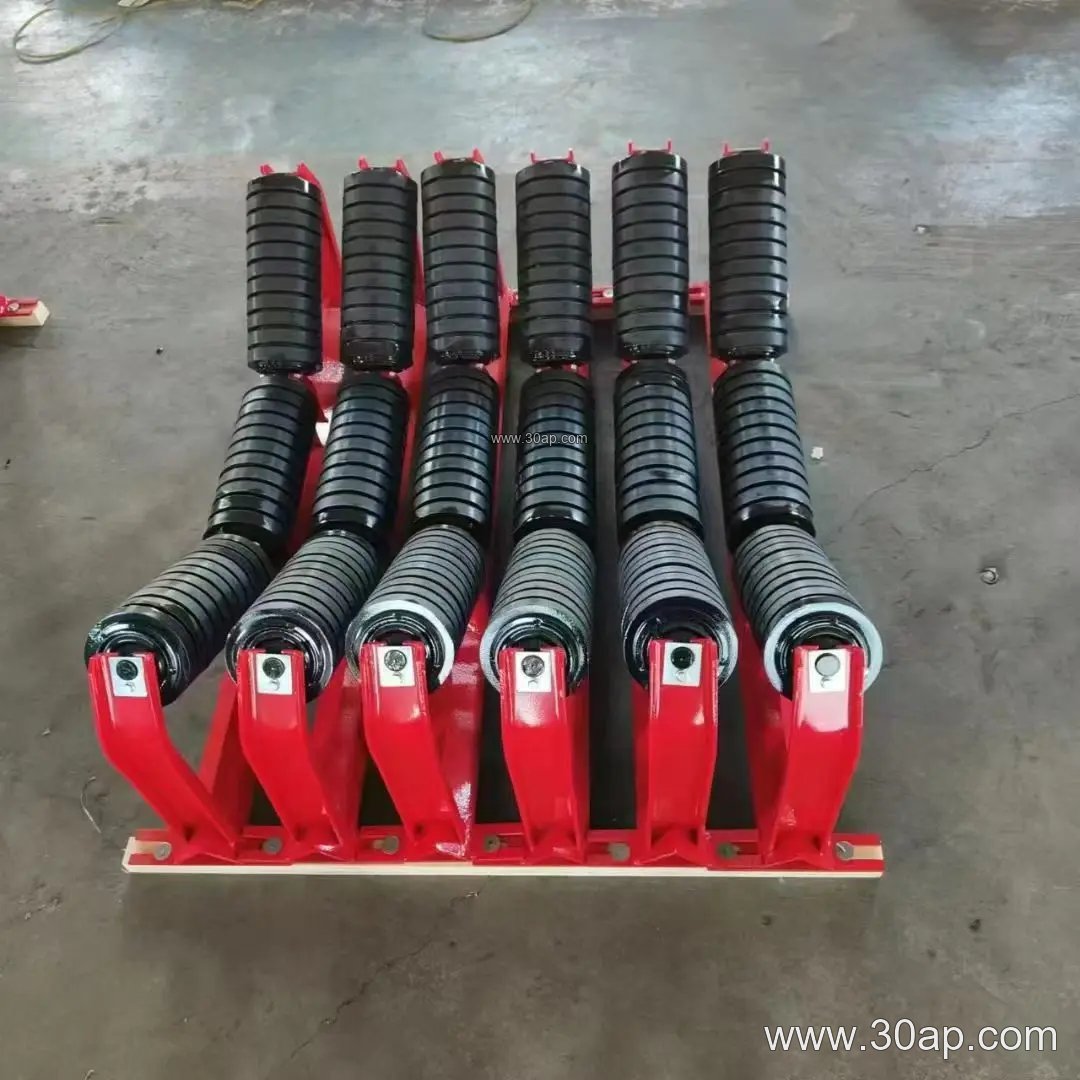
| Troughing bracket (upper) | Supports carrying idlers on the loaded side, often set at 20°, 30°, 35°, or 45° trough angle. |
| Transition bracket | Guides the belt from flat to troughed shape near pulleys, reducing stress on the belt edge. |
| Return bracket (flat or V-type) | Holds return idlers under the belt; V-type helps center the belt on the return run. |
| Impact bracket | Used at loading points with buffer idlers to absorb shock from falling material. |
| Self-aligning bracket | Mounts training idlers that correct belt misalignment. |
| Adjustable bracket | Allows changes to trough angle or idler position on site; can be set between common angles. |
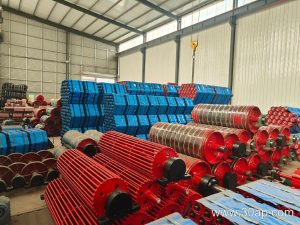
Note that drive pulleys, tail pulleys, and bend pulleys are separate components and are not interchangeable with brackets. A bracket only supports idlers; it does not drive or redirect the belt.
Matching Bracket to Belt Width and Idler Diameter
Bracket dimensions are usually tailored to the conveyor belt width and the idler roller diameter. Common belt widths include B500, B650, B800, B1000, B1200, B1400, B1600, B1800, B2000, and B2200. Idler diameters often range from Ø89 to Ø194. The bracket’s mounting hole spacing and crossbeam length are determined by the belt width, trough angle, and idler size—there is no single universal size. For example, a B800 belt with a 35° trough angle might use Ø108 idlers, while a B1200 conveyor with a 45° angle could use Ø133 idlers. These are common combinations, not mandatory pairings.
Where Mining Conveyor Brackets Are Used
You will find these brackets in almost any bulk material handling line. In a sand and gravel plant, they support troughing idlers on the main haulage belt. In a power plant coal yard, they keep return idlers aligned under the belt. Other typical sites include iron ore mines, steel sintering plants, fertilizer granulation lines, and tunnel muck removal systems. The bracket works together with the conveyor belt, idler roller, and conveyor pulley to maintain continuous material flow.
Buyer Checklist
- Confirm the belt width (e.g., B650, B1000, B1400) and the required trough angle (20°, 30°, 35°, or 45°).
- Check the idler diameter (Ø89, Ø108, Ø133, Ø159, Ø194) to ensure the bracket mounting fits.
- Decide between fixed and adjustable brackets if angle changes may be needed later.
- Specify the material and surface treatment for the site conditions (e.g., dusty, wet, or corrosive).
- Ask for the installation hole pattern—it varies with belt width and bracket type.
- Consider the transition zone and impact points; these may require special brackets.
Always request dimensional drawings before ordering. A bracket that fits one conveyor frame may not fit another, even if the belt width is the same.