Understanding the PVG800 Conveyor Belt
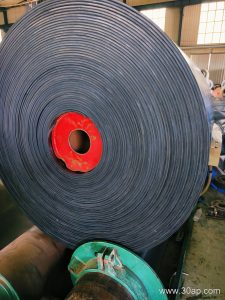
A PVG800 conveyor belt is a solid-woven, rubber-covered belt built for demanding material handling tasks. The designation PVG stands for polyvinyl chloride (PVC) and rubber (Gummi), indicating a belt that combines a PVC-impregnated fabric carcass with rubber covers. The number 800 typically refers to the belt’s longitudinal tensile strength in newtons per millimeter (N/mm), making it a high-strength option within the PVG family. As a fire-resistant and antistatic product, it is often chosen for underground mining, tunneling, and other confined environments where safety standards are strict.
Construction and Materials
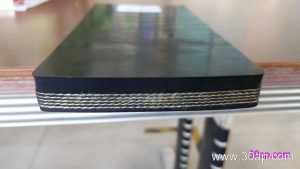
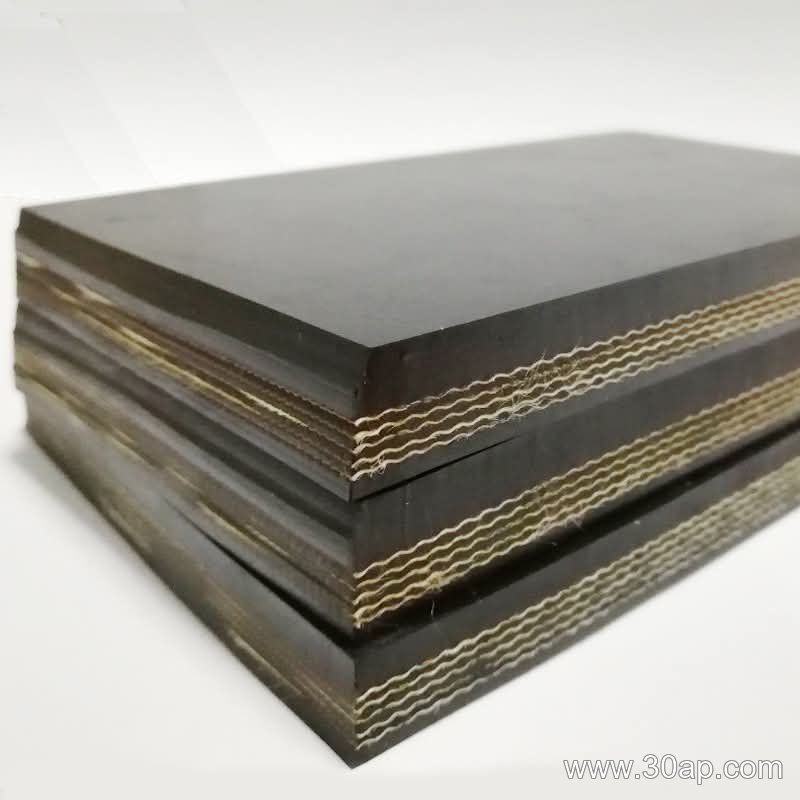
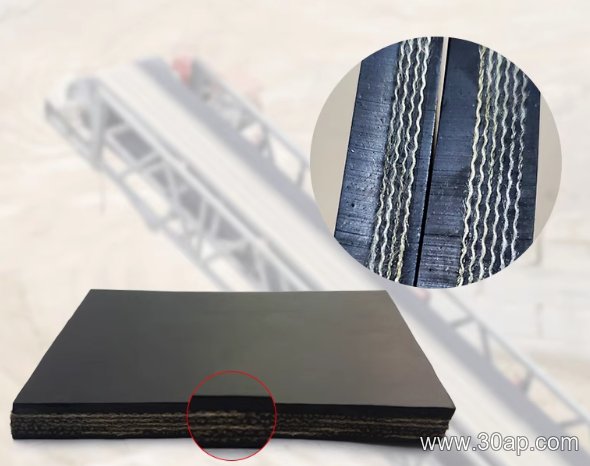
The PVG800 conveyor belt is manufactured with a solid-woven fabric core that is fully impregnated with PVC. This core provides excellent resistance to impact, tearing, and moisture. The belt is then covered on both sides with rubber compounds that can be formulated for flame resistance and antistatic properties. Common cover thicknesses include 3+1.5 mm, 4+2 mm, 5+2 mm, 6+2 mm, and 8+3 mm, though actual values depend on the manufacturer and application.
The solid-woven carcass usually contains multiple layers, often from 2 to 6 plies, which contribute to the belt’s strength and flexibility. Unlike steel cord belts, the PVG800 does not rely on steel cables, giving it better resistance to corrosion and edge damage. Its rubber covers can also be tailored for additional properties such as oil resistance, heat resistance, or wear resistance, depending on the operating environment.
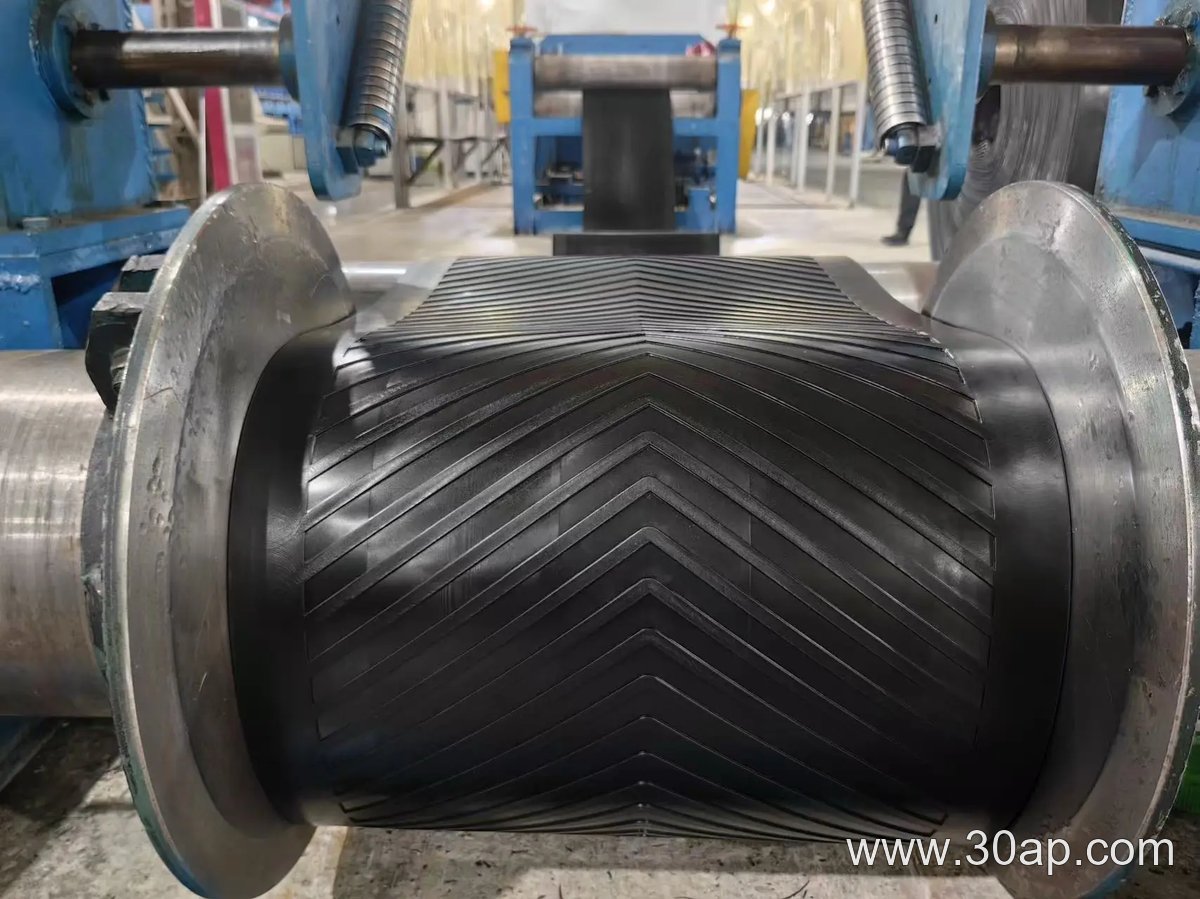
Typical Applications
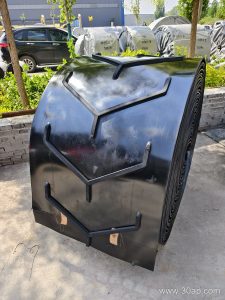
PVG800 conveyor belts are widely used in coal mines, power plants, ports, and industrial plants. They are particularly suited for handling bulk materials like coal, ore, limestone, and grain. Because of their flame-retardant and antistatic characteristics, they are a common choice for underground conveying systems where safety regulations demand self-extinguishing properties. The belt also performs well in above-ground operations that require high tensile strength and resistance to abrasion.
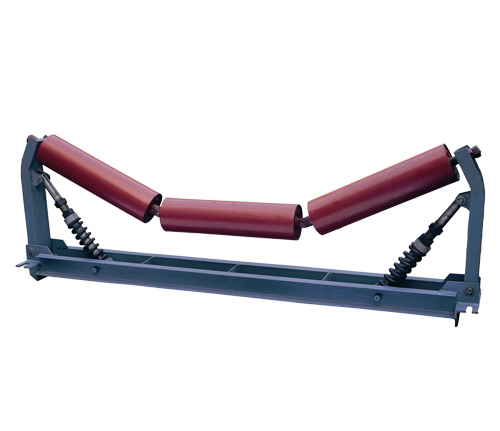
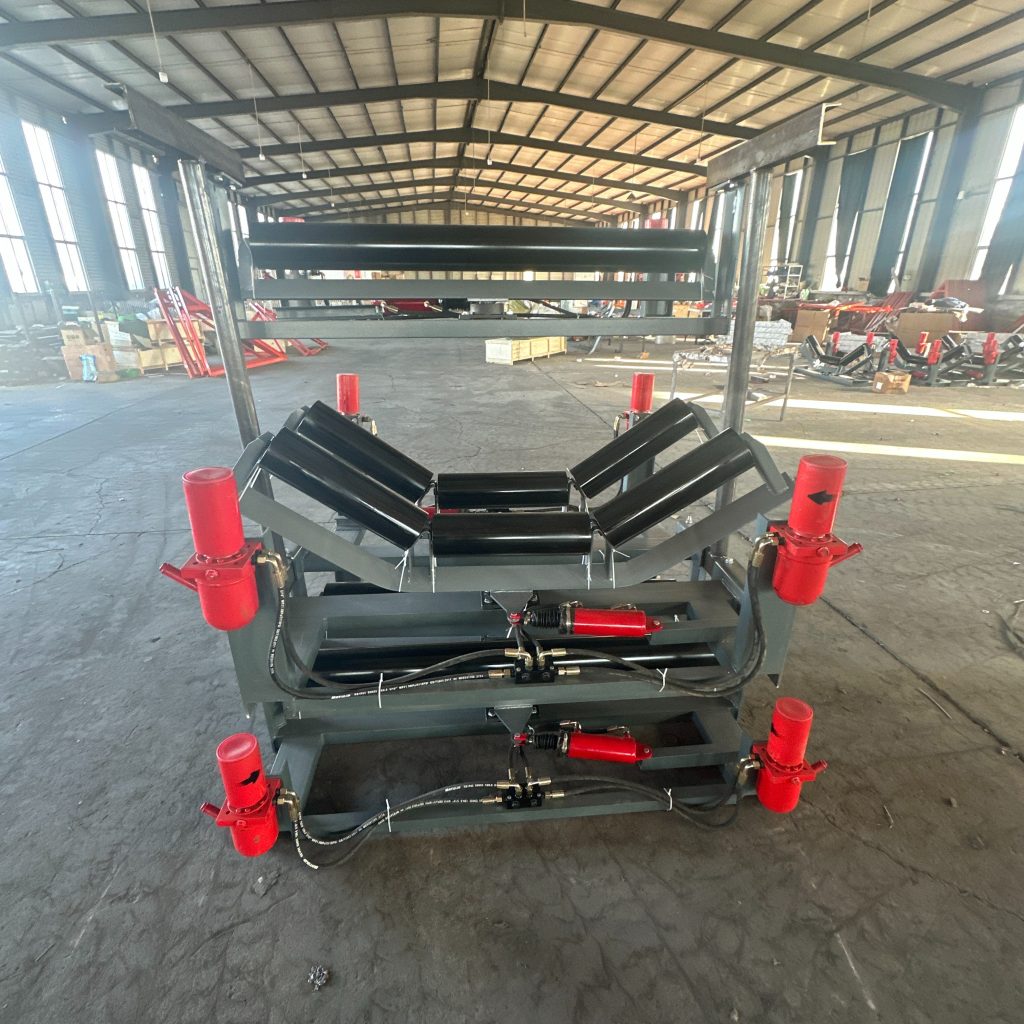
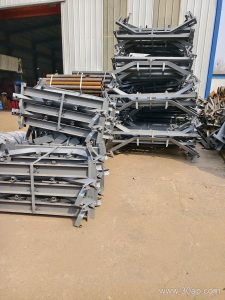
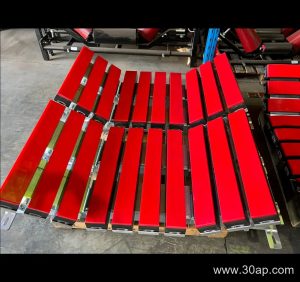
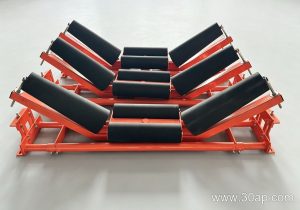
In a typical conveyor system, the PVG800 belt runs over a series of idler rollers and is driven by a conveyor pulley. The belt’s path may include bend pulleys to change direction and a tail pulley for tensioning. Conveyor brackets support the idlers and pulleys, ensuring proper alignment and smooth operation. While these components are essential, the PVG800 belt itself must be matched to the system’s power and loading requirements.
Key Specifications and Selection Factors
When selecting a PVG800 conveyor belt, several parameters should be considered. The table below lists common reference data; actual values should be confirmed with the belt manufacturer or supplier.
| Parameter | Common Values |
|---|---|
| Belt type | PVG (solid-woven, PVC impregnated, rubber covered) |
| Tensile strength | 800 N/mm |
| Belt width | B500, B650, B800, B1000, B1200, B1400, B1600, B1800, B2000 |
| Cover thickness | 3+1.5 mm, 4+2 mm, 5+2 mm, 6+2 mm, 8+3 mm |
| Number of plies | 2 to 6 |
| Properties | Flame retardant, antistatic, wear resistant, oil resistant (optional) |
Belt width must be chosen to match the conveyor’s loading conditions and the size of the material being transported. The cover thickness affects the belt’s resistance to abrasion and impact; thicker covers are beneficial for handling sharp or heavy lumps. The number of plies influences the belt’s tensile strength and troughability. It is important to note that no single belt width or ply count is mandatory for every conveyor. The drive pulley diameter, tail pulley diameter, and bend pulley diameter are determined by the system designer based on belt tension, space, and other factors. A wider belt does not automatically require a specific pulley diameter, and shaft diameters are calculated from torque and load, not from belt width alone.
Installation and Maintenance Tips
Proper installation extends the service life of a PVG800 conveyor belt. Ensure that the belt is stored in a cool, dry place away from direct sunlight and ozone sources. During installation, align the belt carefully to prevent edge damage and mistracking. Check that all idler rollers rotate freely and that conveyor pulleys are clean and properly crowned. The tail pulley and bend pulleys should be inspected for wear and build-up.
Regular maintenance includes monitoring belt tension, checking for surface cuts or exposed fabric, and cleaning spillage. Excessive tension can reduce belt life, while insufficient tension may cause slippage. If the belt shows signs of delamination or cover wear, consult the manufacturer for repair or replacement options. Keeping the conveyor brackets and pulleys in good condition helps maintain proper belt tracking and reduces downtime.
In summary, the PVG800 conveyor belt is a robust, fire-resistant solution for heavy-duty conveying. By understanding its construction, applications, and selection criteria, buyers can make informed decisions that optimize performance and safety.