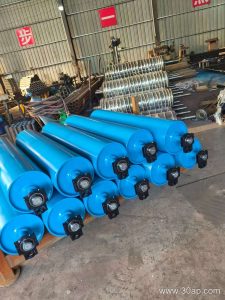
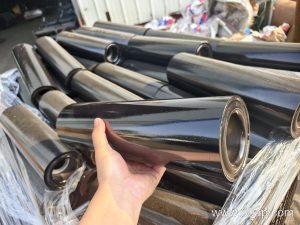
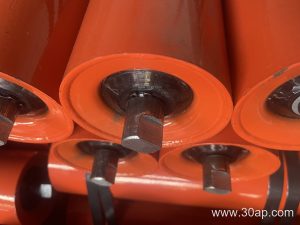
Idler Roller Basics
An idler roller supports and guides conveyor belts without driving them, reducing friction and extending system life.
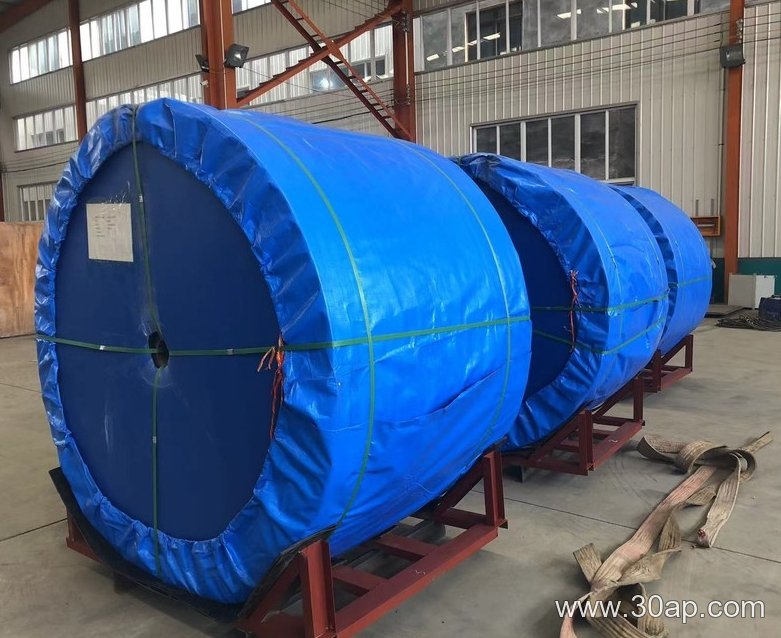
Key Selection Factors
- Load capacity and belt width
- Bearing type and sealing
- Roller diameter and material
- Environmental conditions
Purchasing Advice
Match roller specs to your conveyor duty, verify shaft and mounting dimensions, and choose reputable suppliers with consistent quality and replacement availability.
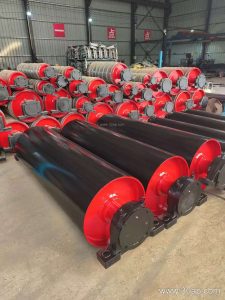
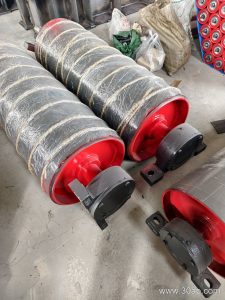
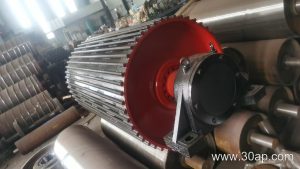
Conveyor Pulley: Core Selection and Buying Advice
A conveyor pulley drives or redirects the belt. Choose drum or wing type, confirm shaft and lagging, then match load, speed, and environment before purchase.
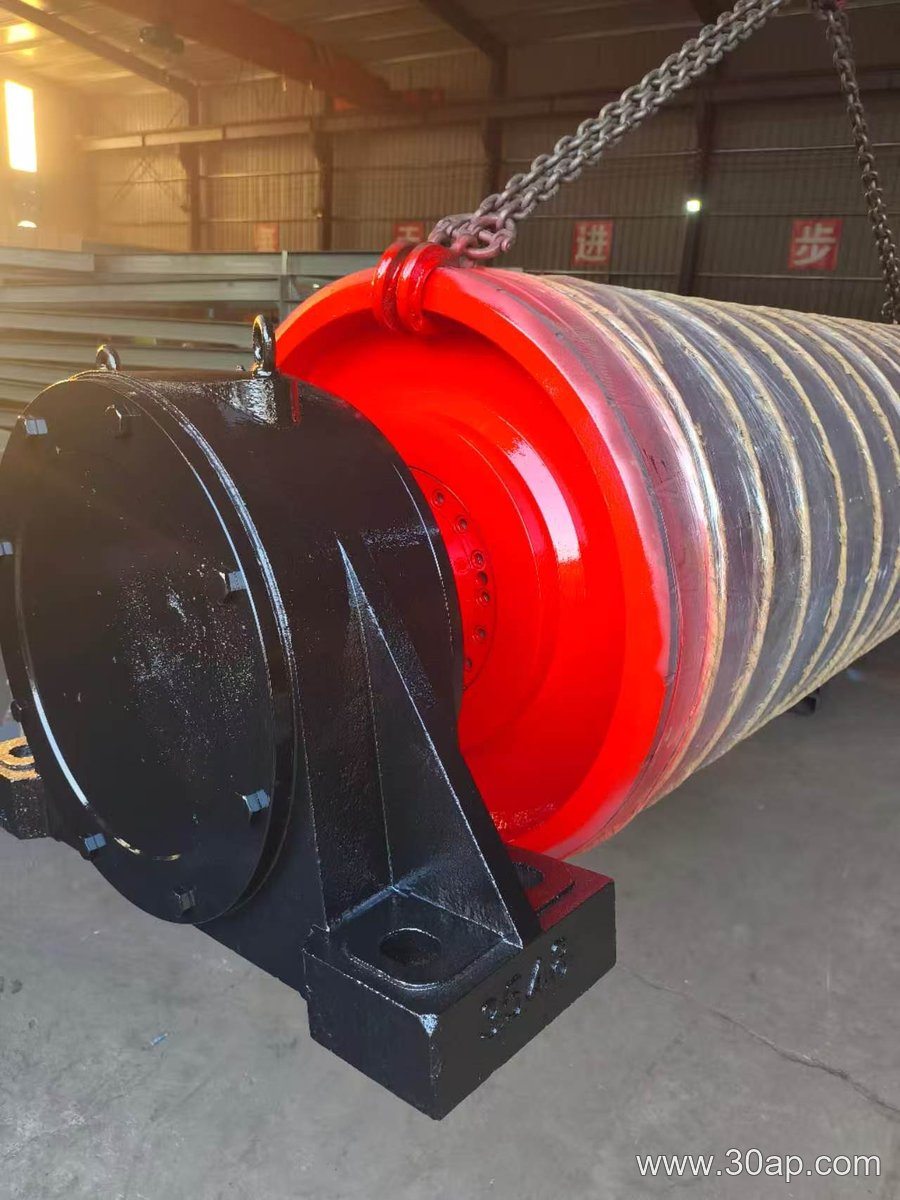
Key Checks
- Calculate belt tension and radial load.
- Specify diameter, face width, and shaft.
- Select lagging for grip and wear.
- Verify balance, bearings, and duty cycle.
Purchasing Tips
Request drawings, material certs, and dynamic balance reports. Compare lead time, warranty, and spare-part support, not price alone.
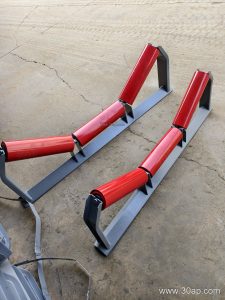
Conveyor Bracket: Selection and Purchasing Guide
A conveyor bracket supports rollers, idlers, and frames, ensuring alignment and load stability. Choose mild steel for heavy duty or stainless steel for washdown. Verify bolt hole spacing, load rating, and compatible profile. Buy from suppliers offering dimensional drawings and corrosion options.
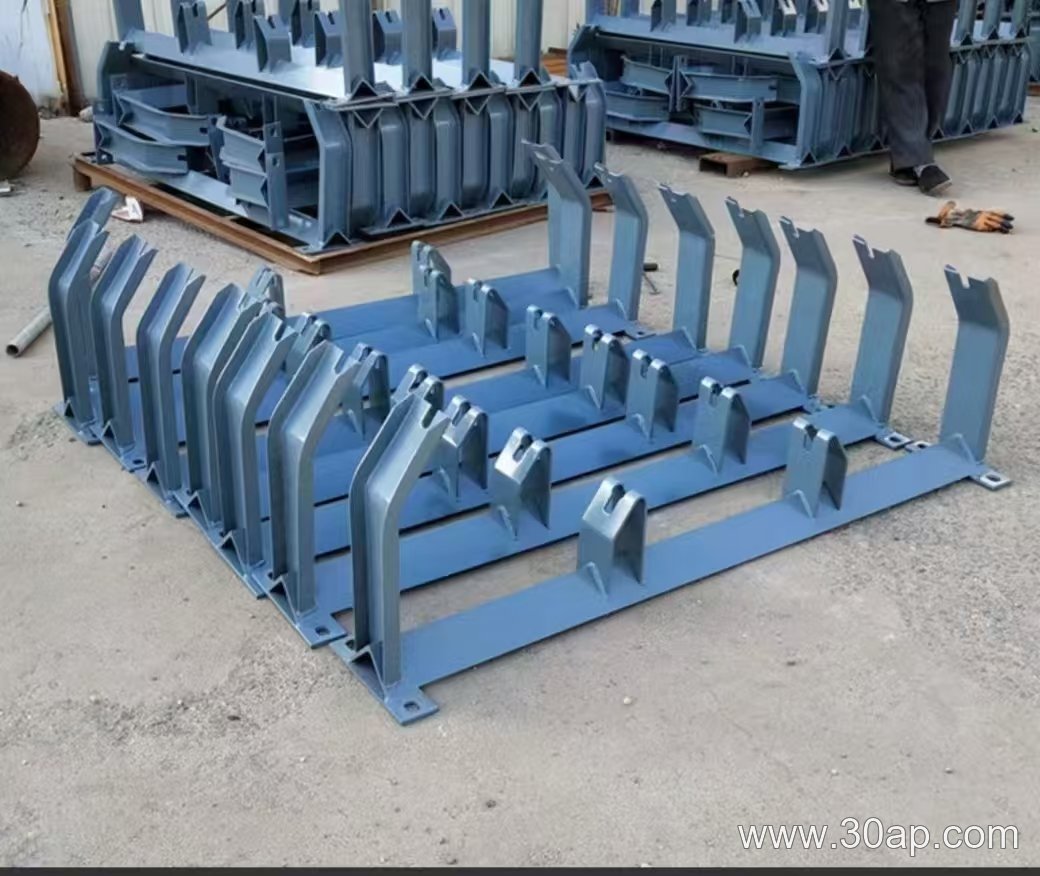
Key Selection Factors
- Material: carbon steel, stainless, or aluminum
- Mounting: bolt-on, weld-on, or adjustable
- Load capacity and belt width match
Purchasing Advice
Request samples for fit, confirm tolerances, and compare lead times. Standard brackets cut cost; custom designs suit unique frames. Prioritize durability over lowest price.
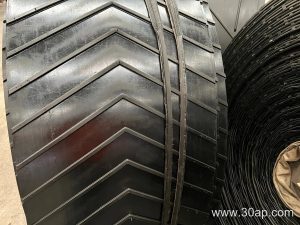
Conveyor Belt Selection and Purchasing Guide
A conveyor belt is the core of any bulk handling line. Match carcass, cover, and splice to your load, speed, and environment before buying.
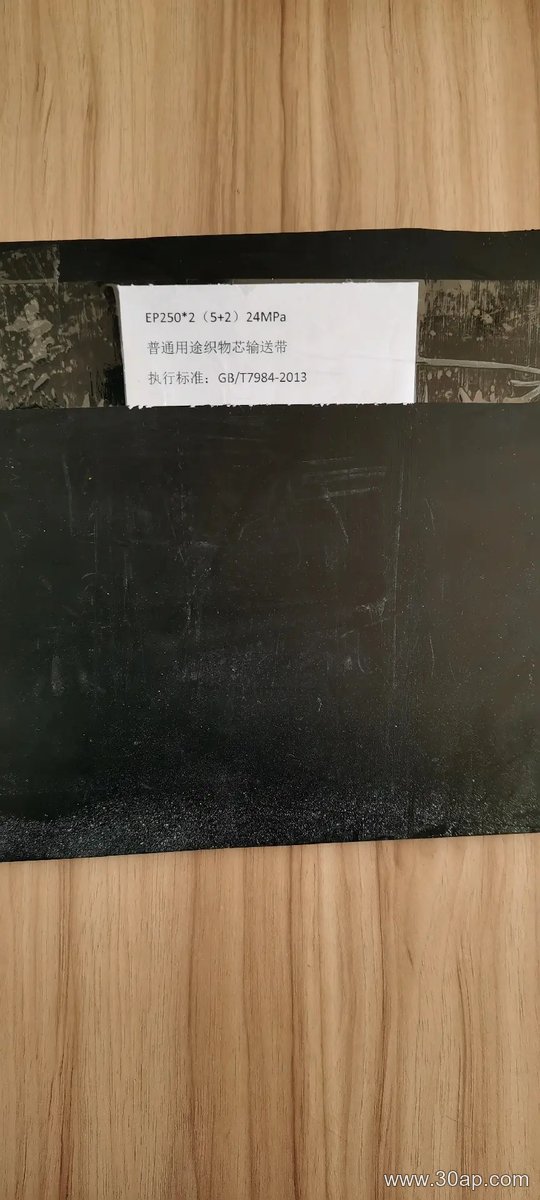
Key Selection Factors
- Material: fabric, steel cord, or PVC
- Load weight and abrasion level
- Temperature and chemical exposure
- Pulley diameter and trough angle
Purchasing Advice
- Request tensile strength and elongation data
- Confirm cover grade (e.g., DIN Y, M, or W)
- Check splice type and lead time
- Verify export packaging and documentation