What Is an HDPE Idler?
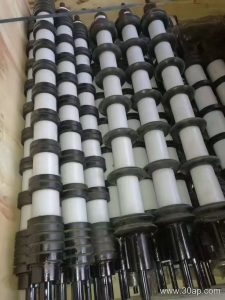
An HDPE idler is a type of conveyor idler roller whose outer shell is made from high-density polyethylene (HDPE). Unlike traditional steel idlers, the HDPE idler uses a polymer tube that is lightweight, corrosion-resistant, and non-marking. This makes it a practical choice for conveyor belts handling materials where contamination or belt wear is a concern. In a conveyor system, idlers support the conveyor belt and the load it carries, reducing friction and maintaining belt alignment.
The HDPE idler is often used as a replacement for steel idlers in applications where moisture, chemicals, or abrasive materials shorten the life of metal components. While the core function is the same—supporting the belt—the material difference brings specific advantages and limitations that buyers should understand.
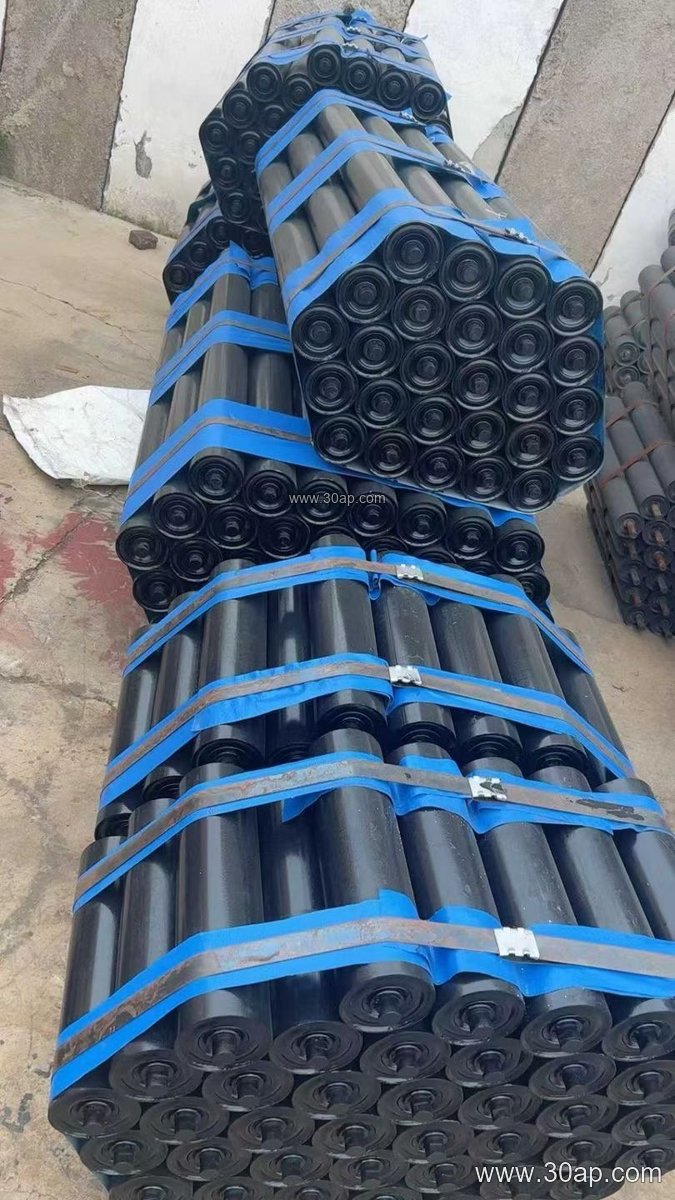
Construction and Design Features
A typical HDPE idler consists of an HDPE tube fitted with bearing housings at each end. The bearings are usually sealed to prevent dust and water ingress. Common bearing sizes include 6204, 6205, 6305, 6306, 6308, and 6310, though the exact bearing is matched to the roller diameter and load requirements. The shaft is typically made of steel and extends through the tube, with the ends designed to fit into conveyor brackets.
The HDPE shell is resistant to many chemicals and does not rust, which is beneficial in wet or corrosive environments. It also has a low coefficient of friction, helping to reduce belt wear. However, HDPE has lower strength and temperature resistance than steel, so it is not suitable for extremely high-load or high-temperature applications.
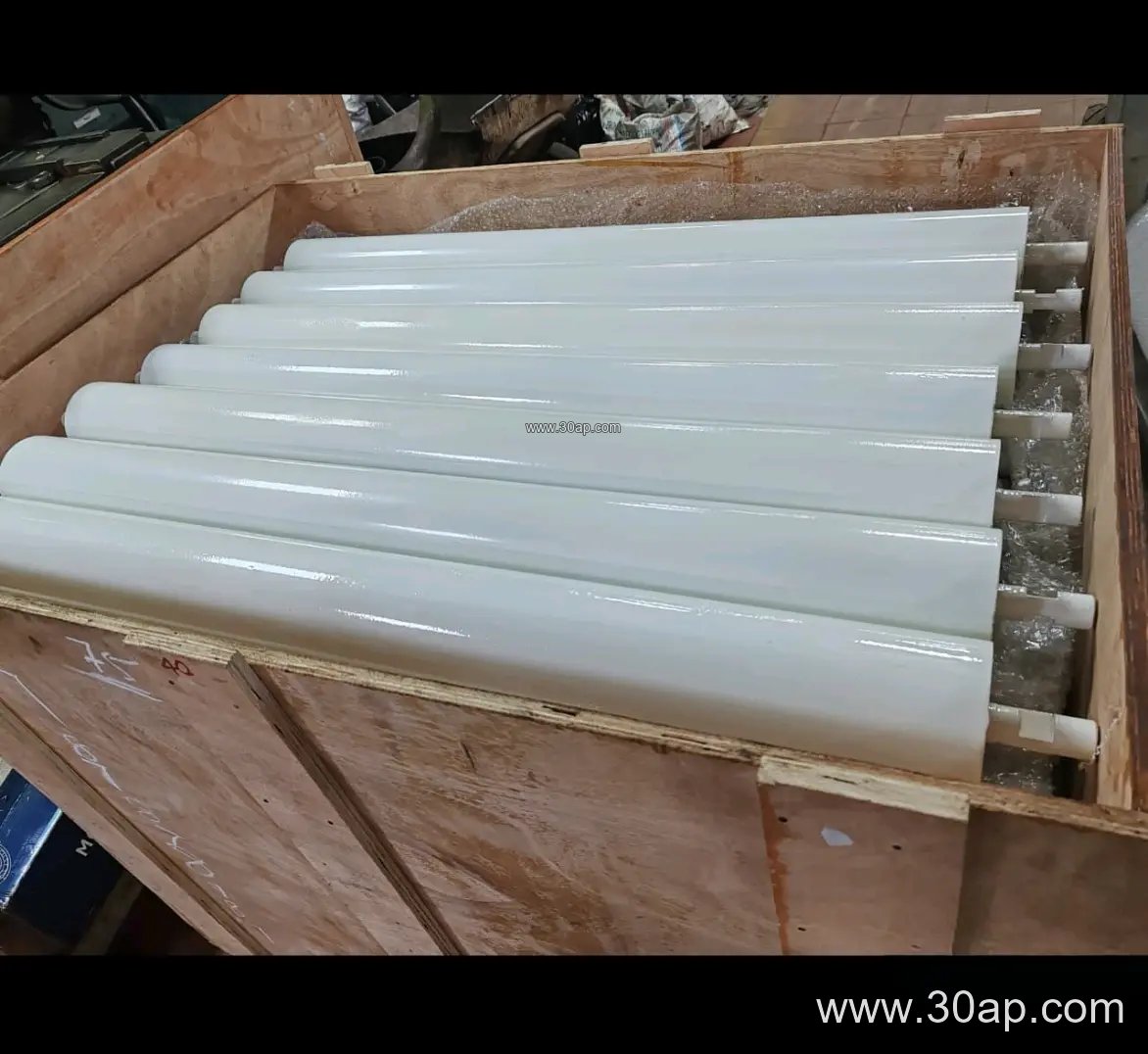
HDPE idlers are available in various diameters and lengths to suit different belt widths and conveyor configurations. Common roller diameters include Ø63, Ø76, Ø89, Ø102, Ø108, Ø127, Ø133, Ø159, Ø178, Ø194, and Ø219 mm. The roller length depends on the belt width, trough angle, and idler arrangement. For example, a three-roll troughing set on a B800 belt may use rollers around 315 mm long, while a B1200 belt might use rollers around 465 mm. These are typical examples, not fixed rules; side rollers and center rollers can differ.
Where HDPE Idlers Are Used
HDPE idlers are often found in conveyor systems handling bulk materials in industries such as mining, coal preparation, cement plants, power stations, and aggregate quarries. They are particularly valued in applications where corrosion is a concern, such as in fertilizer handling or in wet processing environments. In a sand and gravel line, HDPE idlers can resist the abrasive action of fine particles better than some metal idlers, and they will not contaminate the product with rust.
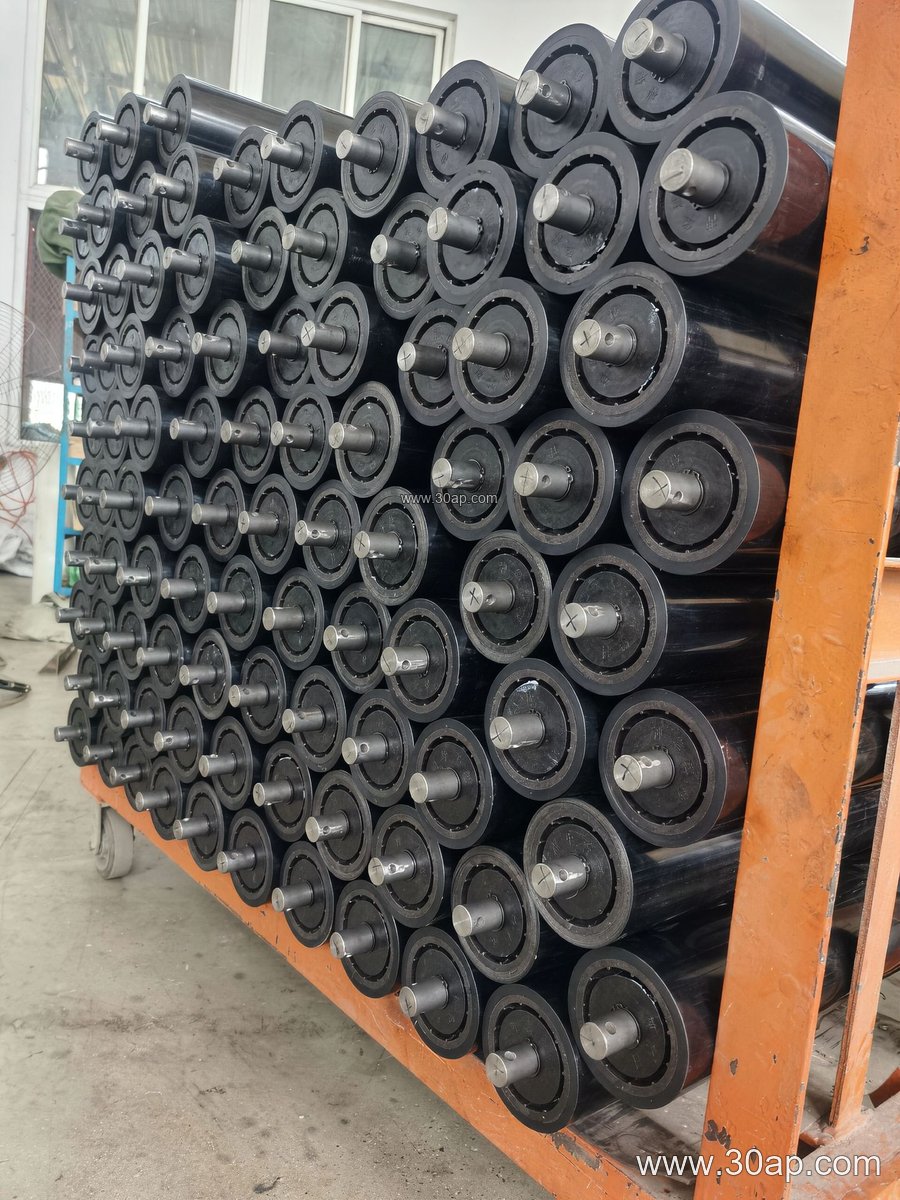
They are also used in return idler positions, where the belt runs on the top of the idler. In some cases, HDPE idlers are used as impact idlers in loading zones, but for heavy impact, rubber-disc impact idlers are more common.
Selection and Sizing Guidelines
When selecting an HDPE idler, consider the belt width, the idler type (troughing, return, impact, etc.), the roller diameter, and the bearing size. The table below lists common roller diameters and typical belt width ranges, but final selection should be based on the conveyor design and load calculations.
| Roller Diameter (mm) | Typical Belt Width Range (mm) | Common Bearing Sizes |
|---|---|---|
| Ø63 | B400–B650 | 6204, 6205 |
| Ø76 | B500–B800 | 6205, 6305 |
| Ø89 | B650–B1000 | 6205, 6305, 6306 |
| Ø102 | B800–B1200 | 6305, 6306, 6308 |
| Ø108 | B800–B1400 | 6306, 6308 |
| Ø127 | B1000–B1600 | 6308, 6310 |
| Ø133 | B1200–B1800 | 6308, 6310 |
| Ø159 | B1400–B2000 | 6310 |
| Ø178 | B1600–B2200 | 6310 |
Note that the table is for reference only; actual selection depends on the load, speed, and environment. The roller length is not determined by belt width alone—it also depends on the trough angle and the number of rolls in the set. For a three-roll troughing set with 30-degree trough angle, the center roller is shorter than the side rollers. Always consult the conveyor design manual for exact dimensions.
Maintenance and Buyer Considerations
HDPE idlers require less maintenance than steel idlers because they do not rust and are less likely to seize. However, they can wear out faster in high-load or high-speed applications. Inspect the idlers regularly for wear, cracks, or bearing noise. Replace any idler that shows signs of failure to prevent belt damage.
When purchasing HDPE idlers, specify the roller diameter, length, bearing type, and shaft end configuration. Also consider the operating temperature and chemical exposure. HDPE idlers are not recommended for temperatures above 60°C (140°F) or for applications with heavy impact. For those cases, steel or impact idlers with rubber discs may be more suitable. Ensure that the idlers are compatible with your conveyor brackets and that the shaft ends match the bracket slots.