What a Mining Conveyor Bracket Does
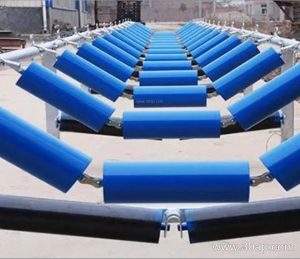
In a bulk material handling system, the mining conveyor bracket is the structural link between the rotating components and the conveyor frame. It holds the idler roller in position, maintains the belt profile, and absorbs the loads generated by the conveyor belt and the material being carried. While often overlooked, this component directly influences belt tracking, energy consumption, and maintenance intervals in quarries, coal preparation plants, and cement works.
A common alternative name for this item is the conveyor bracket or idler support bracket. The term describes the same functional part: a fabricated steel support that carries the rollers and keeps the belt in its intended trough or flat shape.
Construction and Materials
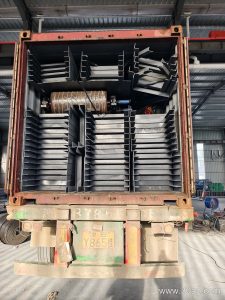
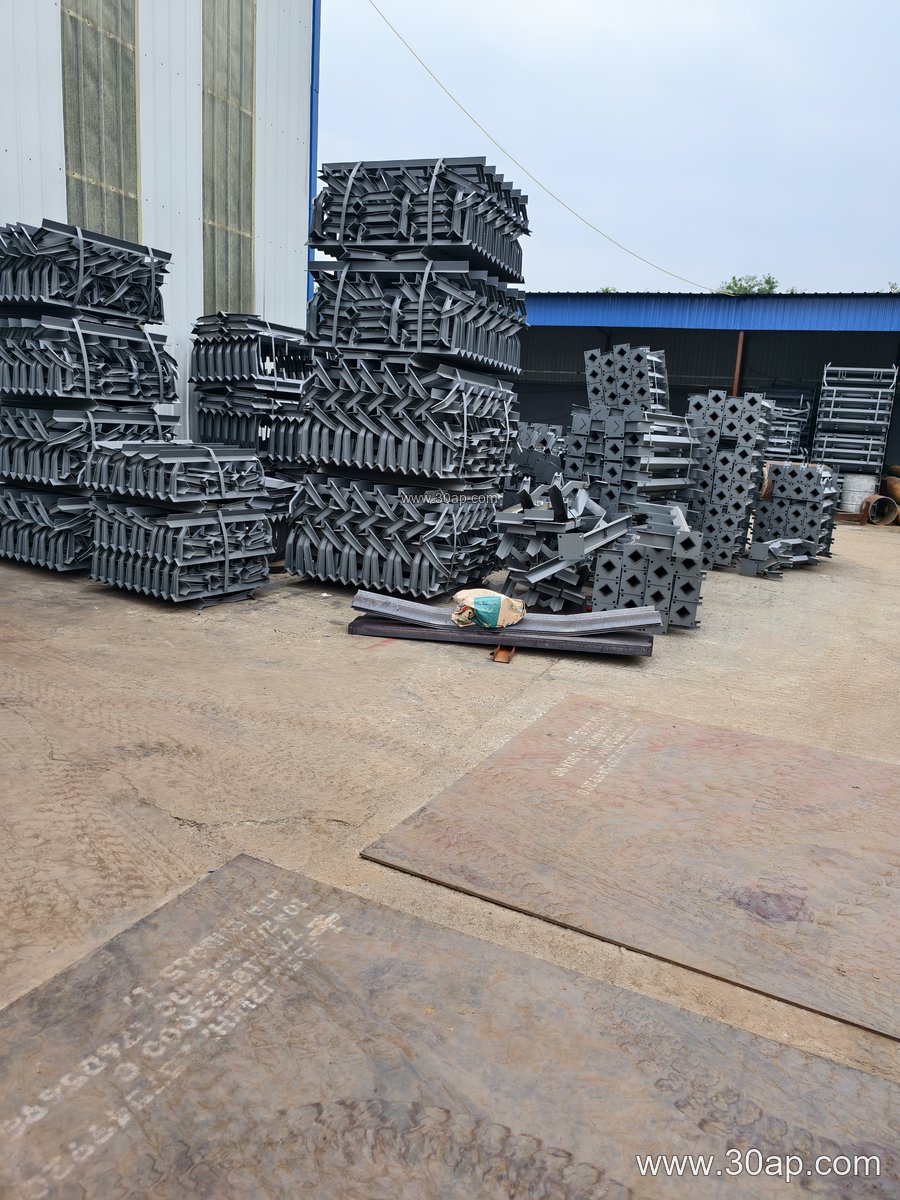
Most brackets are fabricated from angle steel, channel steel, or folded steel plate. The choice depends on the load rating and the environment. In a limestone mine or a crushing and screening line, dust and moisture are constant, so brackets often receive a protective coating or are galvanized. The design usually includes slotted or drilled mounting holes to allow adjustment during installation. The distance between holes and the length of the crossbeam are not fixed; they are determined by the belt width, the trough angle, and the roller diameter specified for that conveyor.
Common Types in the Field
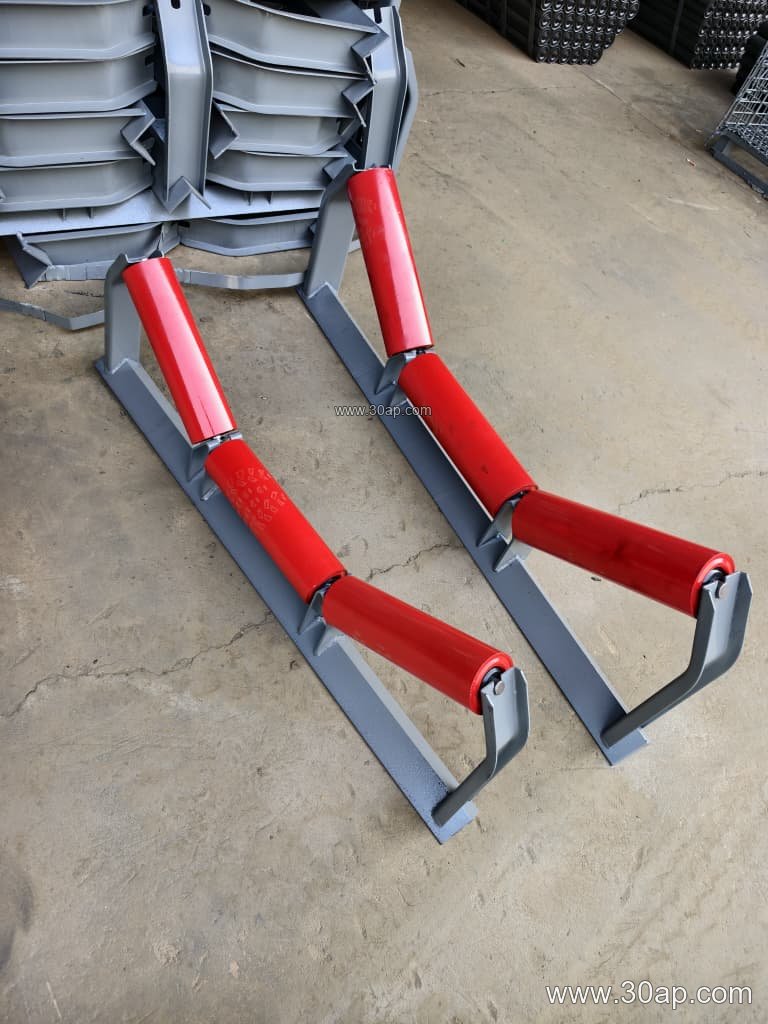
Different positions along the conveyor call for different bracket forms. The following table lists typical types and their usual applications, with reference dimensions that are common in industry practice. These values are for orientation only and should be confirmed with the conveyor design.
| Type | Typical Use | Common Belt Width (B) | Common Roller Diameter |
|---|---|---|---|
| Troughing bracket (upper) | Carrying side, forming the trough | B500 to B2200 | Ø89 to Ø194 |
| Transition bracket | Transition zone near pulleys | B650 to B1800 | Ø108 to Ø159 |
| Return bracket (flat) | Return side, supporting the belt | B500 to B2000 | Ø89 to Ø159 |
| V-return bracket | Return side, self-aligning effect | B650 to B1600 | Ø108 to Ø159 |
| Impact bracket | Loading point, cushioning | B800 to B1800 | Ø108 to Ø194 |
| Self-aligning bracket | Belt tracking correction | B650 to B1600 | Ø89 to Ø133 |
Trough angles of 20, 30, 35, and 45 degrees are common. Adjustable brackets allow the angle to be changed within a range, which is useful when a conveyor handles different materials or when the belt needs fine tuning. Forward-tilted brackets, often set at about 1.5 to 2 degrees, are used to assist belt centering.
Where It Fits in the System
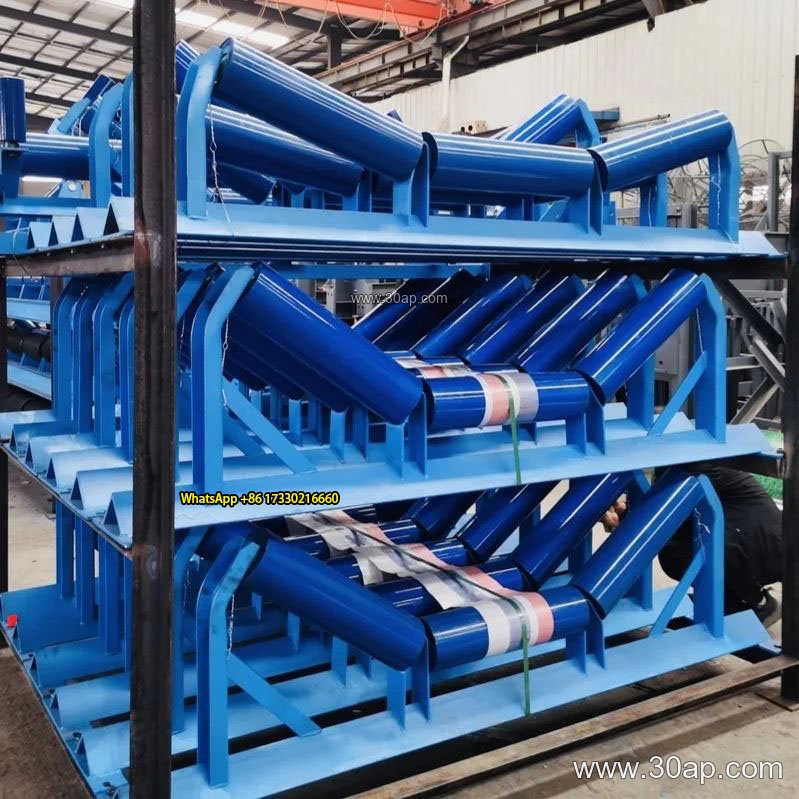
In a coal handling plant at a power station, troughing brackets are mounted on the main frame at regular intervals to support the loaded belt. Near the transfer point, impact brackets with rubber rings or cushioning rollers protect the belt from falling lumps. On the return side, V-return brackets help remove loose material and keep the belt aligned. In a sand and gravel line, the same bracket types appear, but the selection may favor heavier duty designs because of abrasive dust and high throughput.
It is important not to confuse the bracket with the pulley. Drive pulleys, tail pulleys, and bend pulleys are separate components that transmit power and change belt direction. The bracket supports the idler rollers that shape and guide the belt; it does not drive or tension the conveyor.
Selection and Maintenance Notes
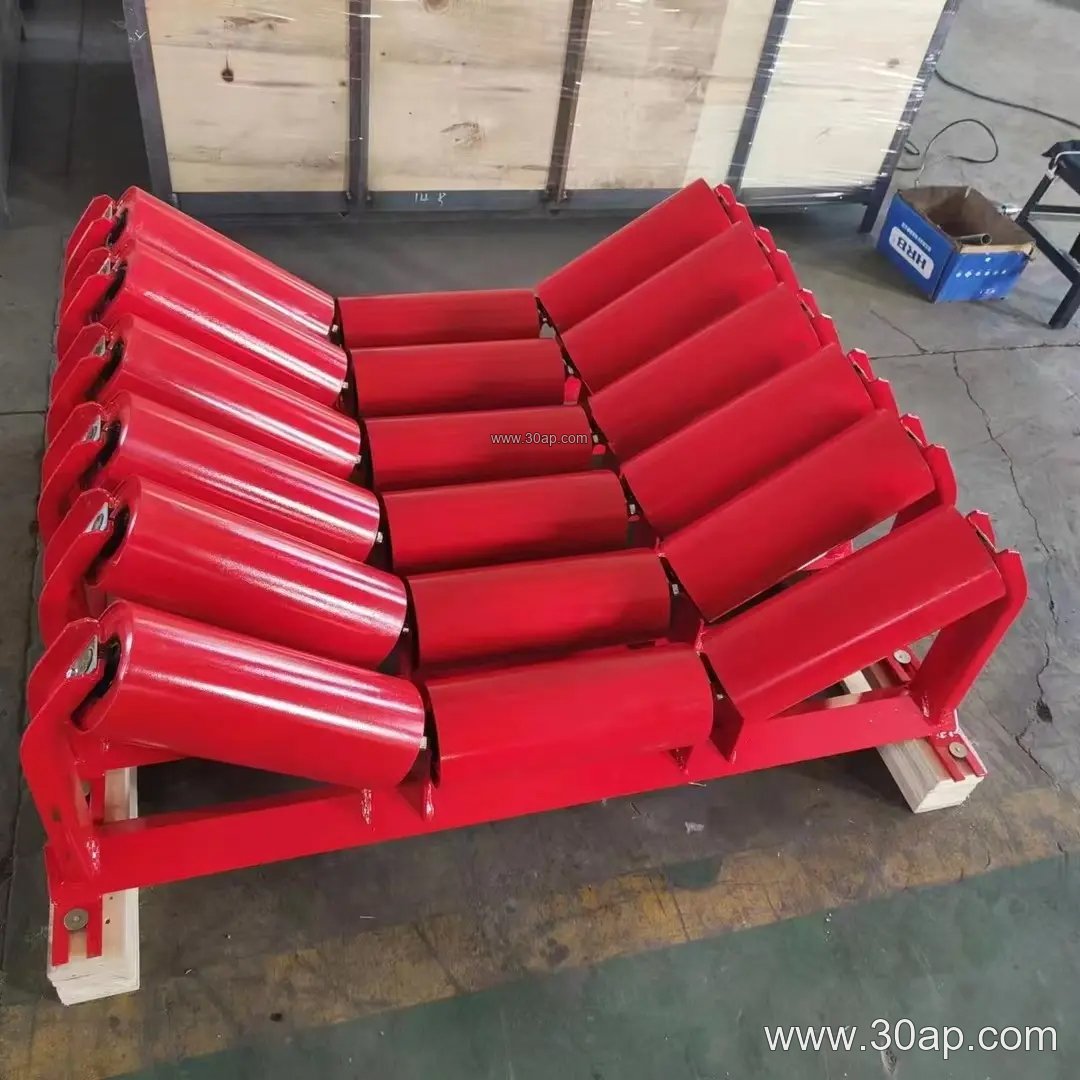
When specifying a mining conveyor bracket, consider the belt width, the roller diameter, the trough angle, and the load. A bracket that is too light for the application may deflect, causing the idler roller to sit unevenly and the belt to mistrack. Conversely, an overspecified bracket adds weight and cost without benefit. Check that the mounting holes match the frame and that the bracket height is compatible with the adjacent components.
During maintenance, inspect for loose bolts, bent crossbeams, and worn mounting slots. In dusty environments such as a cement plant or a fertilizer handling facility, material buildup on the bracket can affect belt alignment. Cleaning and periodic bolt torque checks are simple steps that extend service life.
Because bracket dimensions are tied to the conveyor design, buyers should provide the belt width, roller diameter, trough angle, and mounting details. A bracket for a B800 belt at 35 degrees with Ø108 rollers is not the same as one for a B1200 belt at 45 degrees with Ø133 rollers. The correct combination ensures the conveyor belt runs smoothly and the idler rollers last as expected.