What a Wide Conveyor Belt Is
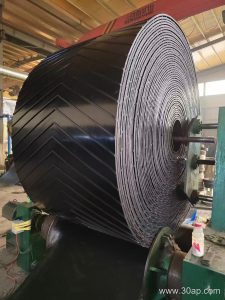
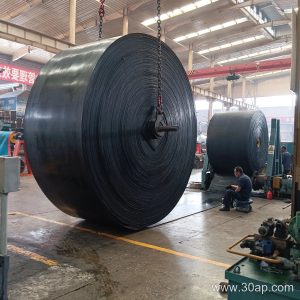
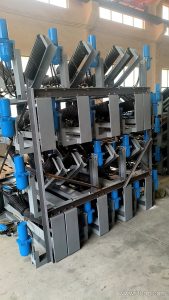
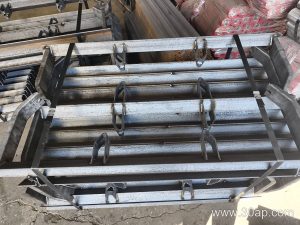
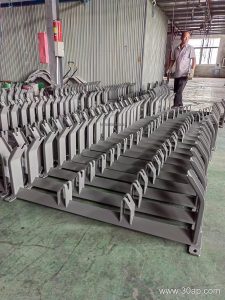
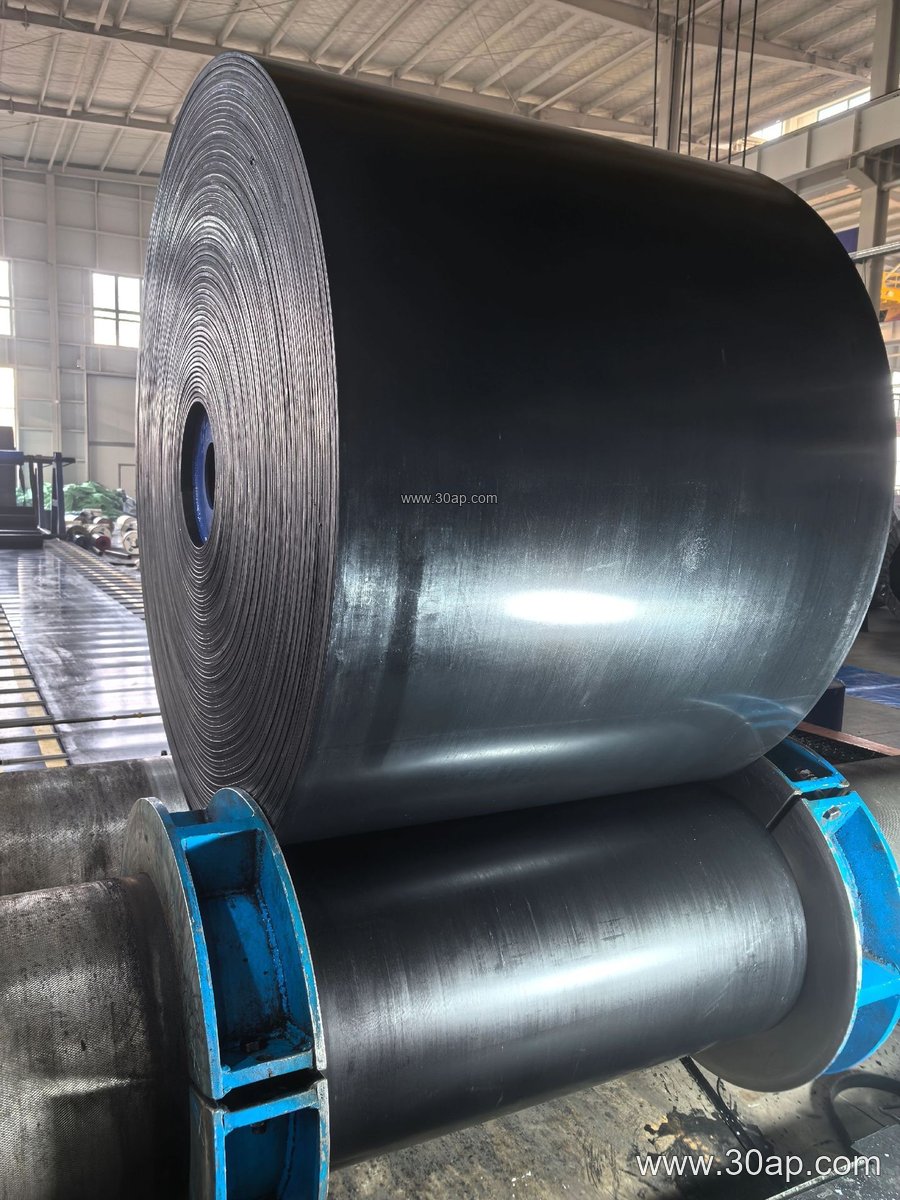
A wide conveyor belt is a high-capacity belt built to carry large volumes of bulk material across long distances. In mines, coal preparation plants, cement works, power stations and sand and gravel yards, the belt is often the main artery of the whole conveying system. A wider belt spreads the load over more surface area, which usually allows higher throughput at a given belt speed and can reduce the need for multiple narrow lines. It works together with conveyor pulleys, idler rollers and conveyor brackets, but the belt itself remains the carrying element.
Construction and Common Specifications
The belt body usually combines a fabric or steel cord carcass with rubber covers on both faces. For demanding duties, EP (polyester-cotton) and NN nylon belts are common choices, while steel cord belts are used where very high tension and long center distances are involved. PVC and PVG belts appear in underground coal and other applications where flame resistance or antistatic behavior is required.
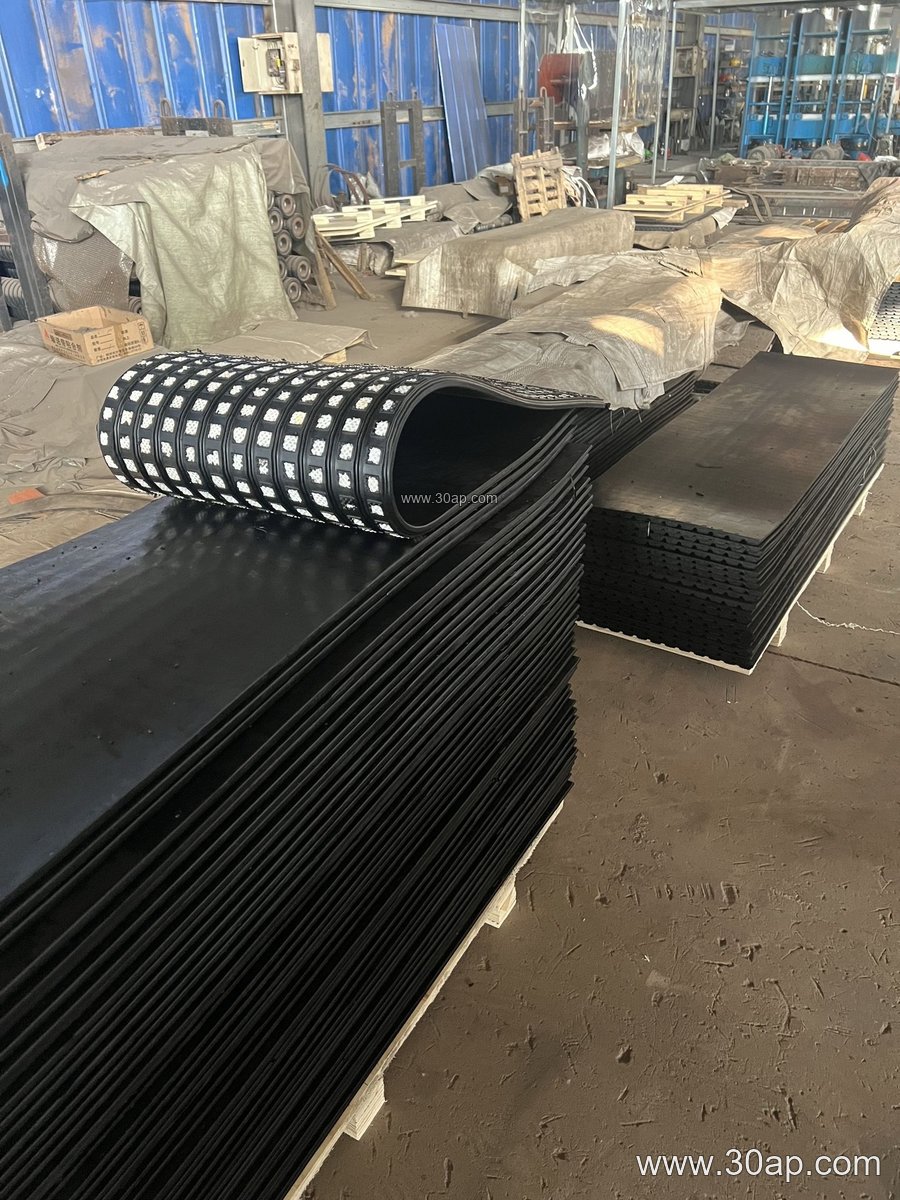
Widths commonly range from B500 up to B2000, and the correct figure depends on lump size, tonnage and the conveyor design. Cover grades are often written as top plus bottom thickness, such as 4+2 mm or 6+2 mm, and the carcass may have two to six fabric layers. Strength grades such as EP200, EP630 or EP1000 describe the carcass, not the cover. These values are reference points; actual selection follows the conveyor design and the manufacturer’s data.
Typical Reference Data
| Item | Common range |
|---|---|
| Belt width | B500, B650, B800, B1000, B1200, B1400, B1600, B1800, B2000 |
| EP strength grades | EP200, EP315, EP400, EP500, EP630, EP800, EP1000, EP1250, EP1600, EP2000 |
| Cover thickness | 3+1.5, 4+2, 5+2, 6+2, 8+3 mm |
| Carcass layers | Usually 2 to 6 fabric plies |
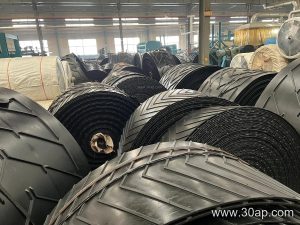
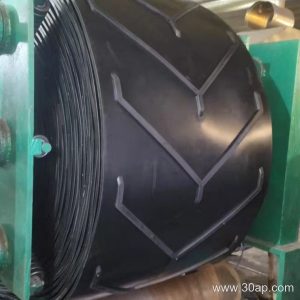
Surface forms include plain, patterned and chevron (herringbone) covers, plus corrugated sidewall belts for steep inclines. Heat, oil, abrasion, cold and acid resistance are available as cover properties. A buyer should treat every figure as a starting point rather than a fixed rule.
Where Wide Belts Are Used
Wide belts suit primary crushing stations, stockyard conveyors, coal handling systems and clinker transport in cement plants. In sand and gravel plants they move screened aggregate at high tonnage, and in power plants they feed fuel to boilers. Because the belt is broad, it can handle larger lumps and reduce spillage at transfer points when skirtboards and idlers are set correctly. The drive pulley, tail pulley and bend pulleys each have a distinct role in keeping the belt tracking and tensioned; they are not interchangeable, and the belt width alone does not determine their diameters.
Selection Points for Buyers
- Confirm the required throughput and material lump size before choosing a width.
- Match the carcass strength grade to the calculated belt tension, not to habit.
- Choose cover thickness and grade for abrasion, heat, oil or flame conditions.
- Check pulley face width and idler roller spacing against the selected belt.
- Review the conveyor bracket and frame layout so the belt runs centered.
- Ask for the manufacturer’s tension and splice data for the exact construction.
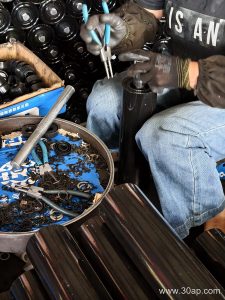
Maintenance matters as much as the initial choice. Keep idler rollers turning freely, check pulley lagging and alignment, and inspect the belt edges for damage. A wide belt that is correctly supported and tensioned generally delivers long service in mines, coal plants, cement lines and aggregate yards.