What a Galvanized Idler Actually Is
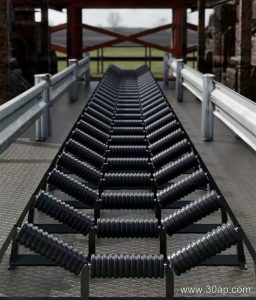
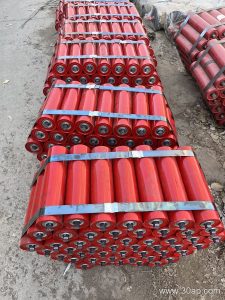
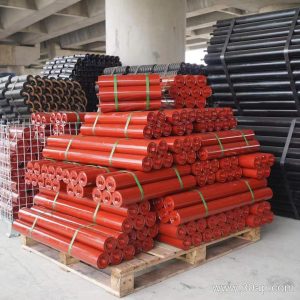
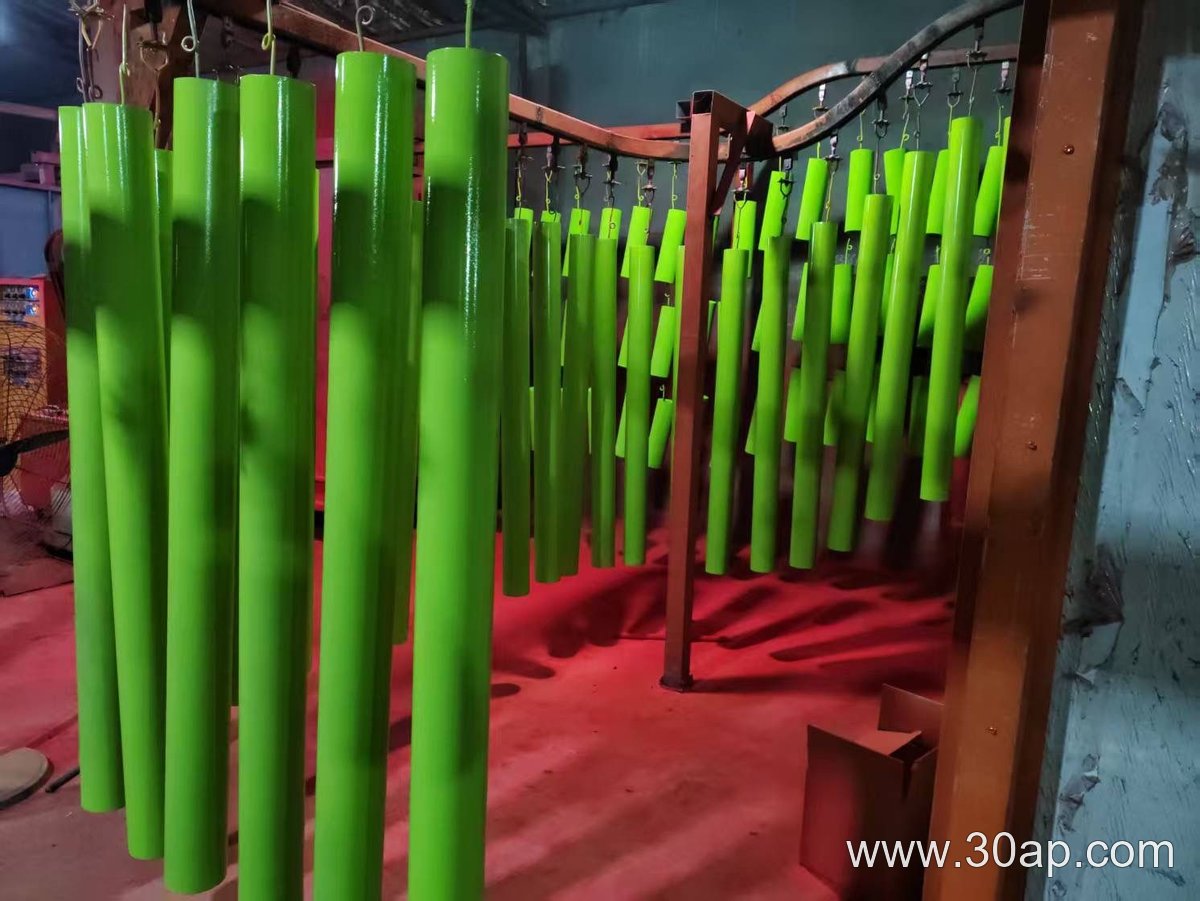
A galvanized idler is a conveyor idler roller whose steel shell and sometimes the end caps have been coated with zinc to resist corrosion. In many sand and gravel plants, cement works, or power station coal yards, moisture and fine dust combine to attack ordinary painted rollers. The zinc layer on a galvanized idler roller sacrifices itself first, which helps the shell last longer before rust becomes a problem. The idler itself is not a drive component; it simply supports the conveyor belt and the material load while allowing the belt to move with low rolling resistance.
How the Roller Is Put Together
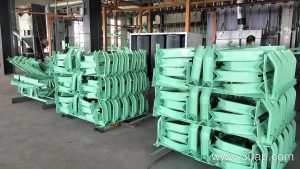
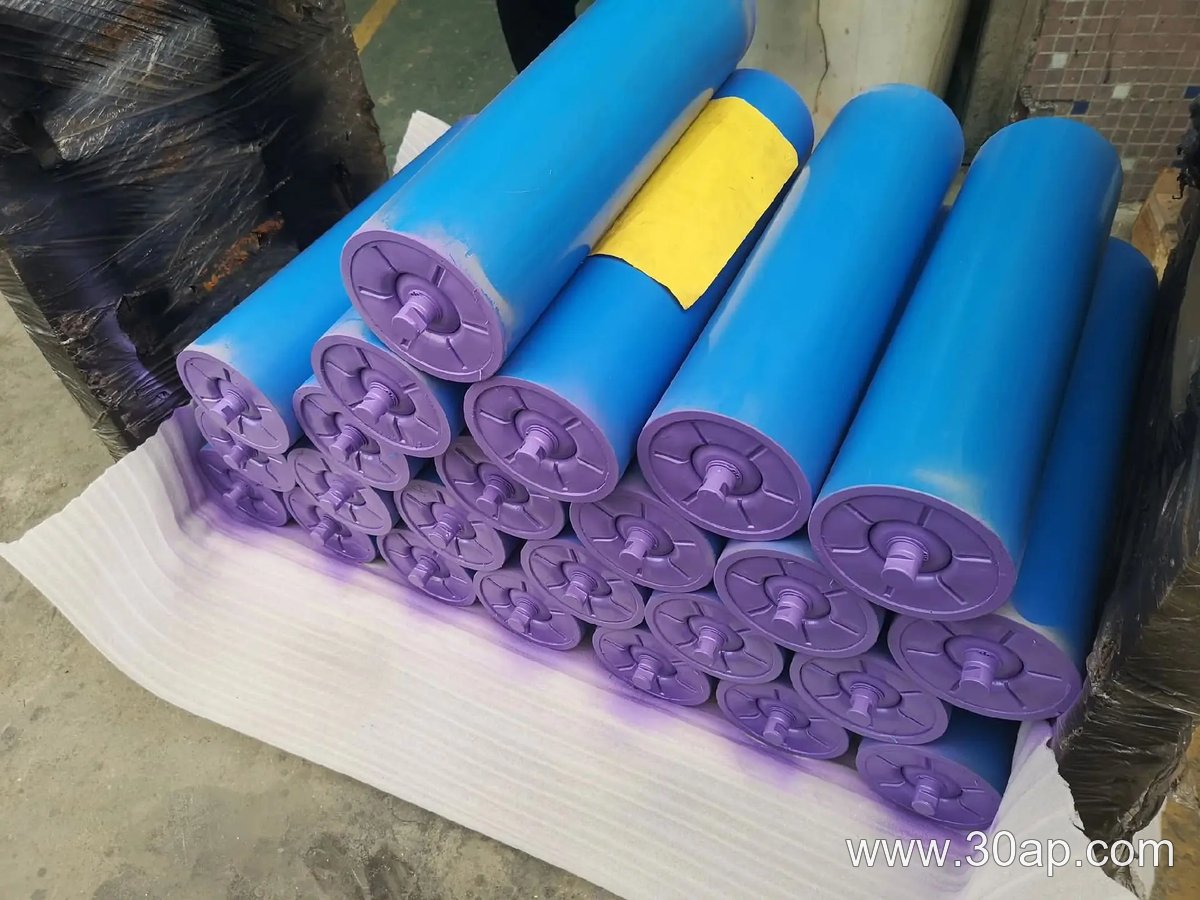
The basic construction starts with a steel tube, often cut to a length that matches the belt width and trough angle. Bearings such as 6204, 6205, 6305, 6306, 6308, or 6310 are pressed into the ends, and a shaft runs through the center. Seals keep dust and water away from the bearing cavity. The galvanized coating is usually applied to the tube and end caps before assembly, though some suppliers galvanize after welding. A typical roller might use a Ø89, Ø102, Ø108, or Ø127 shell, but the correct diameter depends on belt speed, load, and the design of the conveyor bracket that holds it.
Common Types and Where They Fit
Galvanized idlers are made in several forms to match different positions on a conveyor. The following table shows common examples, not a fixed selection rule.
| Type | Typical position | Common shell diameter |
|---|---|---|
| Troughing idler | Carrying side, three-roll set | Ø89 to Ø159 |
| Return idler | Return side, flat or V-shaped | Ø89 to Ø133 |
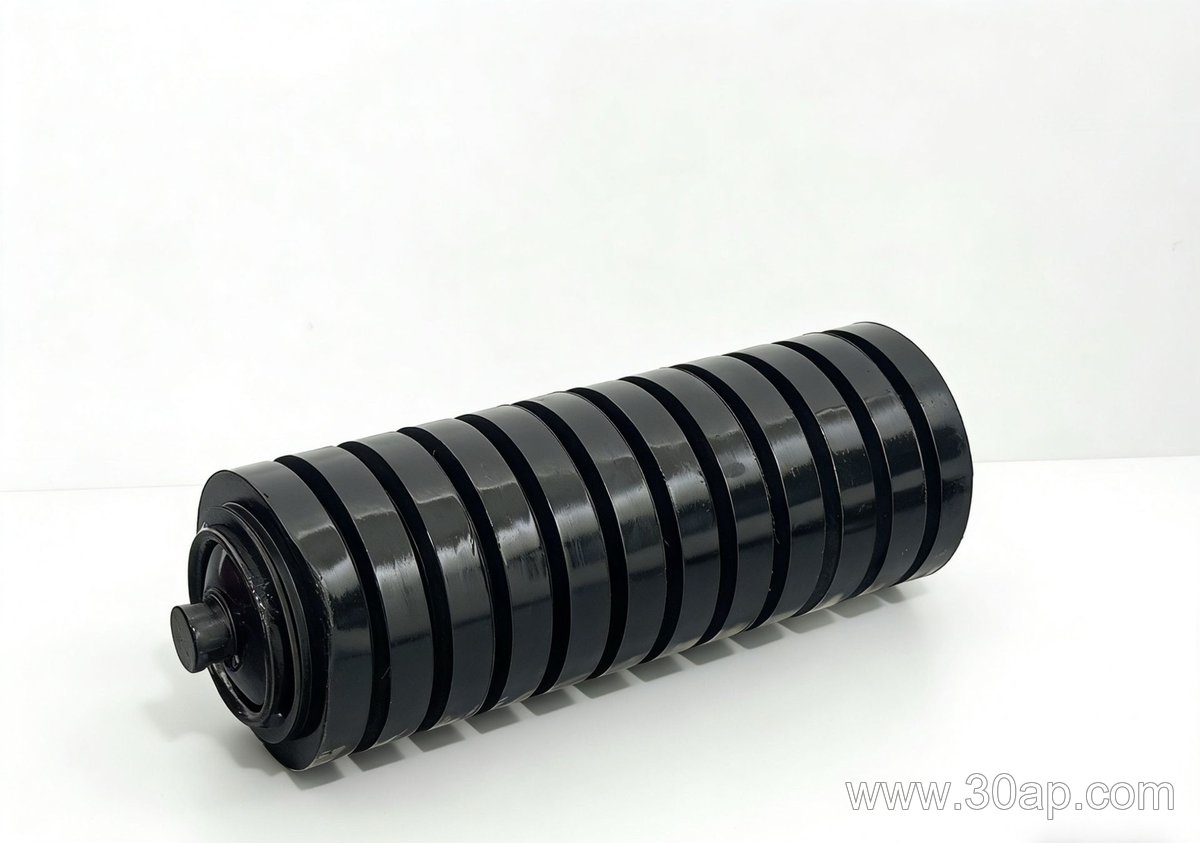
| Impact idler | Loading point, rubber rings | Ø102 to Ø159 |
| Spiral idler | Return side, sticky material | Ø89 to Ø127 |
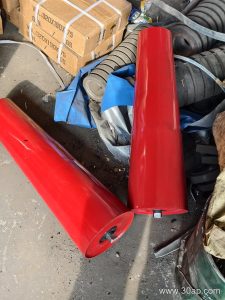
| Self-aligning idler | Belt tracking, tapered rolls | Ø89 to Ø133 |
A troughing set usually has three rolls, and the side rolls are shorter than the center roll. For example, a B800 belt might use a center roll of about 315 mm and side rolls of a different length, but this is only a common reference. A return idler on the same conveyor may be a single flat roll or a two-roll V shape. Impact idlers with rubber rings are not a replacement for troughing idlers; they are used at the transfer point where the conveyor belt receives falling material.
Applications Across Heavy Industry
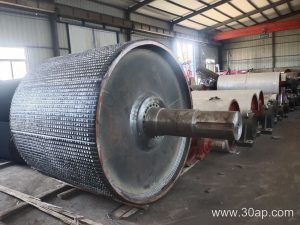
You will find galvanized idlers in coal washing plants, limestone quarries, iron ore terminals, and fertilizer handling lines. In a tunnel boring project, the muck conveyor often uses them because the environment is wet and abrasive. The same roller can appear on a concrete batching plant feeding aggregate, or on a port conveyor moving grain. The common thread is that the conveyor belt needs reliable support, and the galvanized surface helps where condensation or washdown occurs. A galvanized idler is not a substitute for a conveyor pulley; the drive pulley, tail pulley, and bend pulley each have their own role in power transmission and belt routing.
Specifications a Buyer Should Check
When ordering, confirm the shell diameter, shaft diameter, bearing model, and the distance between the bearing centers. Belt width alone does not determine shaft size, so never assume a B1000 belt automatically needs a 30 mm shaft. The bracket or frame that holds the idler also matters, because the shaft ends must fit the mounting slots. If the idler is part of a three-roll troughing set, ask for the roll lengths of the center and side rolls separately. Below is a reference table for common belt widths and typical center roll lengths for three-roll troughing sets.
| Belt width | Typical center roll length |
|---|---|
| B500 | 200 mm |
| B650 | 250 mm |
| B800 | 315 mm |
| B1000 | 380 mm |
| B1200 | 465 mm |
| B1400 | 530 mm |
| B1600 | 600 mm |
| B1800 | 670 mm |
| B2000 | 750 mm |
These values are common examples, and side roll lengths can differ. Trough angles of 20, 30, 35, and 45 degrees are available, and the choice affects how the belt cradles the material. A 45-degree trough may suit fine, free-flowing material, while a 20-degree trough is sometimes used for lumpy ore. Forward tilt of about 1.5 to 2 degrees is sometimes built into self-aligning idlers to help belt tracking, but this is a design detail, not a universal requirement.
Maintenance and Selection Tips
Even a galvanized idler roller will fail if the bearing seal is damaged. Listen for squealing, check for wobble, and replace any roller that does not turn freely. Keep the conveyor bracket clean so material does not build up and misalign the idler. When replacing a roller, match the shaft diameter, bearing number, and overall length to the original. If the conveyor runs in a very corrosive area, consider a thicker zinc coating or a different surface form, but remember that galvanizing is not a cure for every wear problem. For abrasive, high-impact zones, an impact idler with rubber rings may last longer than a standard galvanized roller, but it serves a different purpose. The right choice depends on the material, the belt, and the loading conditions.