Why the Conveyor Pulley Dictates System Uptime
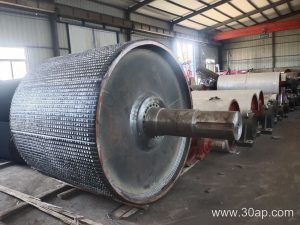
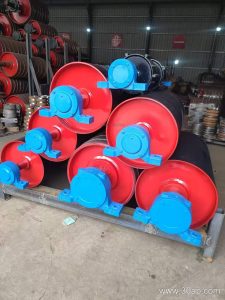
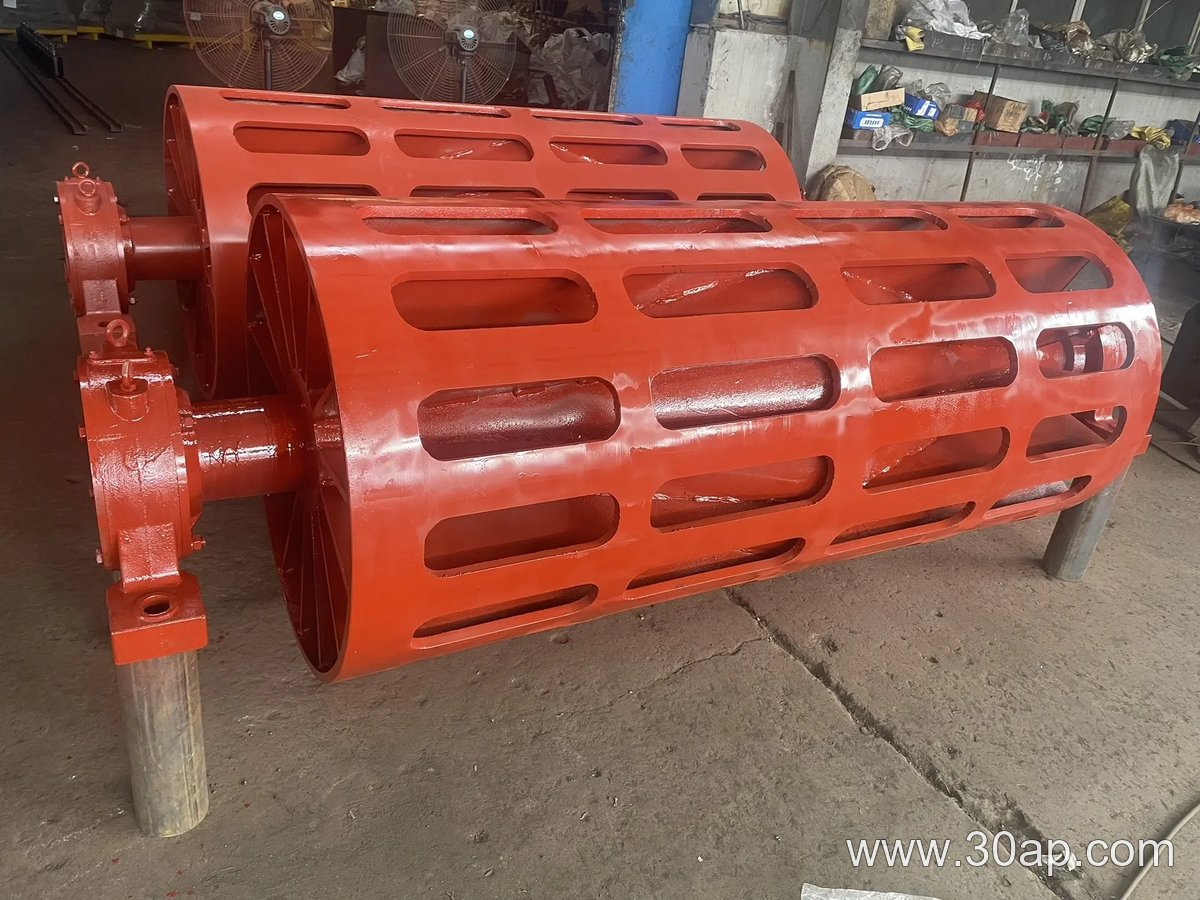
The conveyor pulley is not just a rotating cylinder; it is the structural anchor that drives belt tension, tracking, and torque transmission. A poorly chosen pulley leads to belt slippage, misalignment, and premature bearing failure.
Key Selection Criteria for Industrial Buyers
- Diameter and face width: Match to belt width and minimum wrap angle to avoid over-flexing and edge stress.
- Shaft and hub design: Verify fatigue rating for peak load, not just average tonnage.
- Lagging type: Ceramic for high-slip wet conditions; rubber for general abrasive duty.
- Shell thickness: Use FEM-verified thickness to resist deflection under impact zones.
Purchasing and Maintenance Advice
- Request crown profile for self-centering on the return side.
- Specify sealed-for-life bearings only if operating below 50°C; otherwise, specify regreasable units.
- Always balance pulleys to ISO 1940 G6.3 grade to reduce vibration and extend belt life.
- Plan for a spare pulley with the same bore and keyway to cut downtime by 70%.
Inspect pulley welds and lagging wear every 500 operating hours. For harsh environments, choose stainless steel shaft ends and hot-dipped galvanized shells to resist corrosion. Ultimately, a conveyor pulley must be engineered for the specific belt speed, tension profile, and material density—never generic stock.
Why the Conveyor Bracket Matters More Than You Think
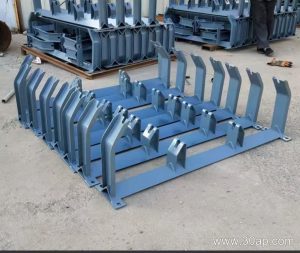
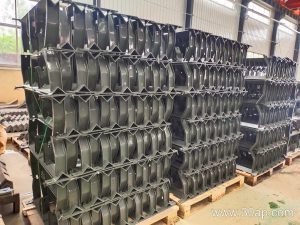
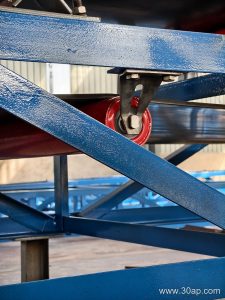
The conveyor bracket is the unsung hero of any bulk-handling line. It anchors idler rolls, maintains belt alignment, and absorbs dynamic shock. A poorly chosen bracket leads to vibration, belt drift, and premature component failure.
Key Selection Criteria
- Material grade: Choose galvanized steel for corrosive environments; stainless for food or chemical plants.
- Load rating: Match the bracket to the maximum lump weight plus a 1.5 safety factor.
- Angle accuracy: Standard 20°, 35°, or 45° troughing—verify with a protractor before welding.
Purchasing Advice
Always request dimensional drawings and check bolt-hole spacing against your existing stringer. Buy from suppliers who offer replaceable wear liners—this triples bracket life. For high-speed belts over 3 m/s, specify a vibration-dampening rubber insert.
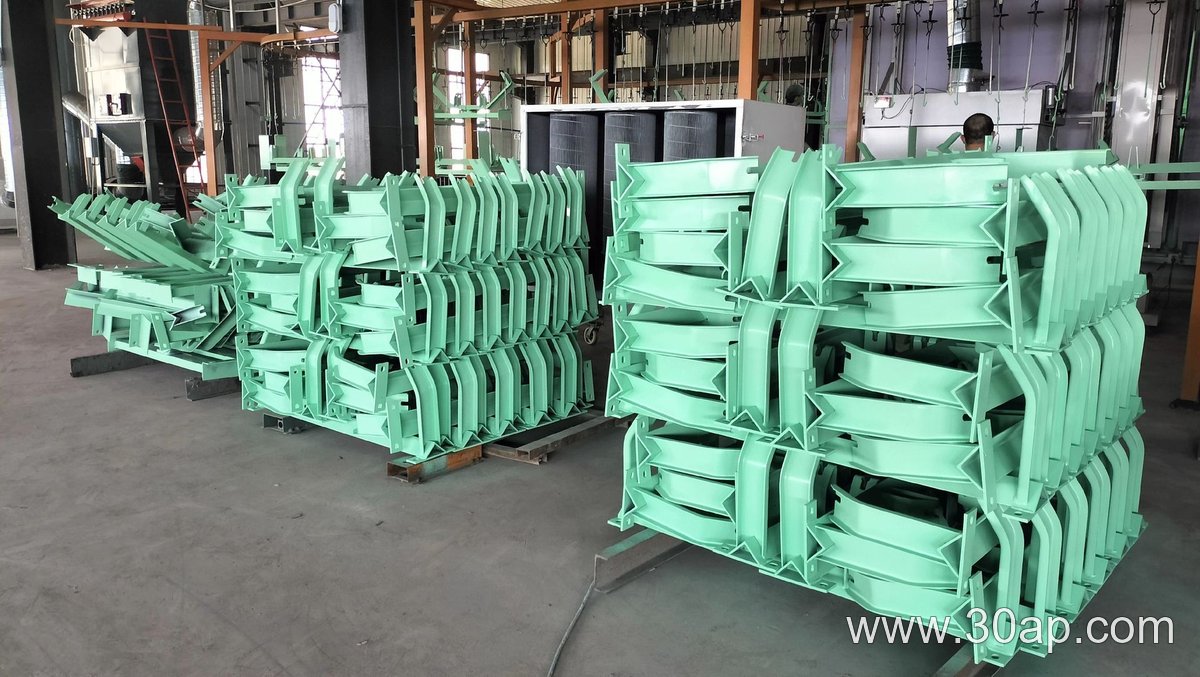
Inspect brackets quarterly for hairline cracks near the mounting face. Replace any bracket that shows weld spatter or deformation. A robust bracket costs 5% of your line but prevents 80% of downtime.
Why the Conveyor Belt Remains the Backbone of Material Handling
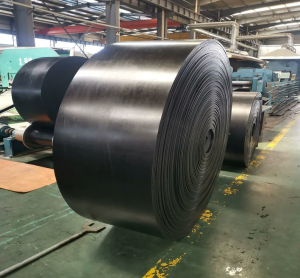
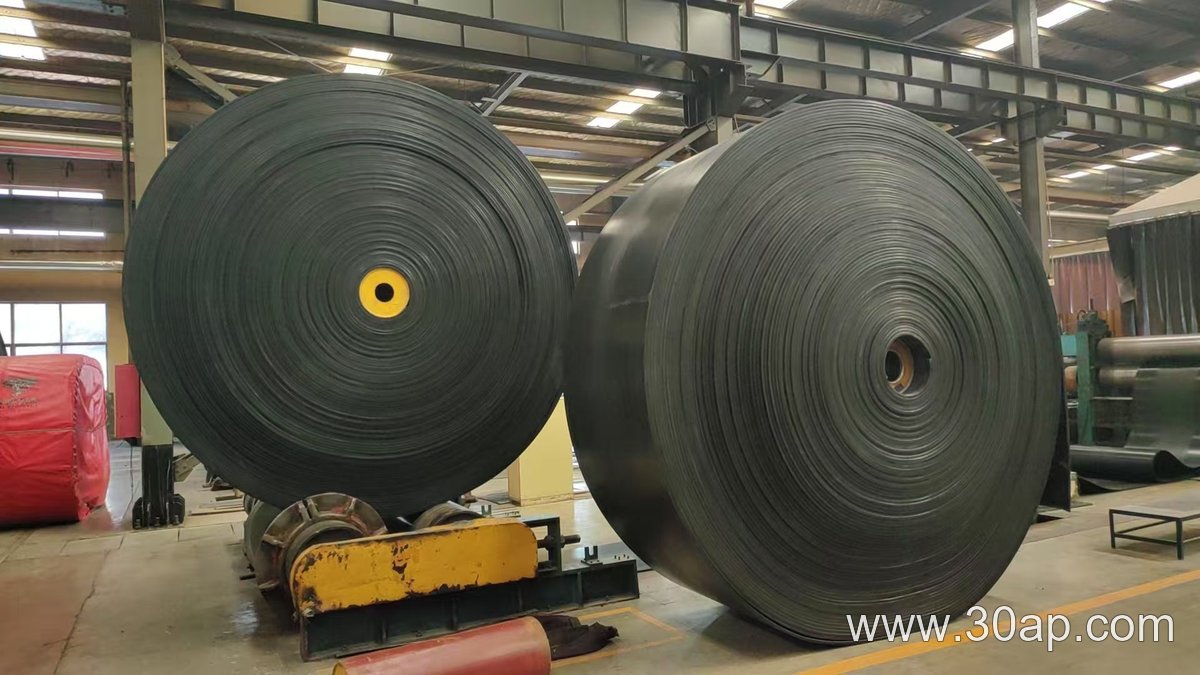
The conveyor belt is more than a moving surface; it is the circulatory system of modern production, linking every stage from raw intake to final palletizing. Selecting the wrong belt causes downtime, product damage, and inflated energy costs. This guide focuses on the belt itself—its construction, traction, and durability—to help you make a sound investment.
Core Factors to Evaluate Before Purchase
- Belt material: Rubber handles abrasion, while PVC suits food-grade or light loads. Polyurethane resists oils and chemicals.
- Tension and load: Calculate peak live load per meter, not just total weight, to avoid stretching or edge fray.
- Surface profile: Smooth belts for sliding goods; chevron or cleated patterns for inclined transfers.
Matching the Belt to Your Environment
Heat, moisture, and static build-up alter belt life. High-temperature kilns require steel-cord or woven metal belts. Humid plants need anti-mildew covers, and explosive zones demand antistatic compounds. Always request test data for elongation at break and operating temperature range.
Practical Purchasing Advice
- Measure belt thickness and splice type (mechanical vs. vulcanized) against your pulley diameter.
- Verify supplier ISO certifications and request a trial length under your real load conditions.
- Plan for spare belts—lead times of 6–8 weeks are common, and downtime costs exceed belt price.
Prioritize belt tracking accuracy and easy tensioning adjustments. A well-chosen conveyor belt reduces maintenance hours and extends the life of rollers and frames. Invest in quality, not just the lowest quote.
Idler Roller: The Backbone of Efficient Bulk Handling
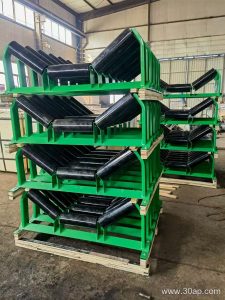
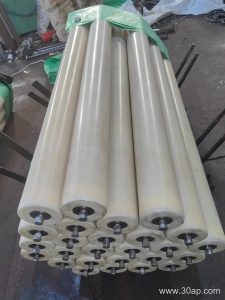
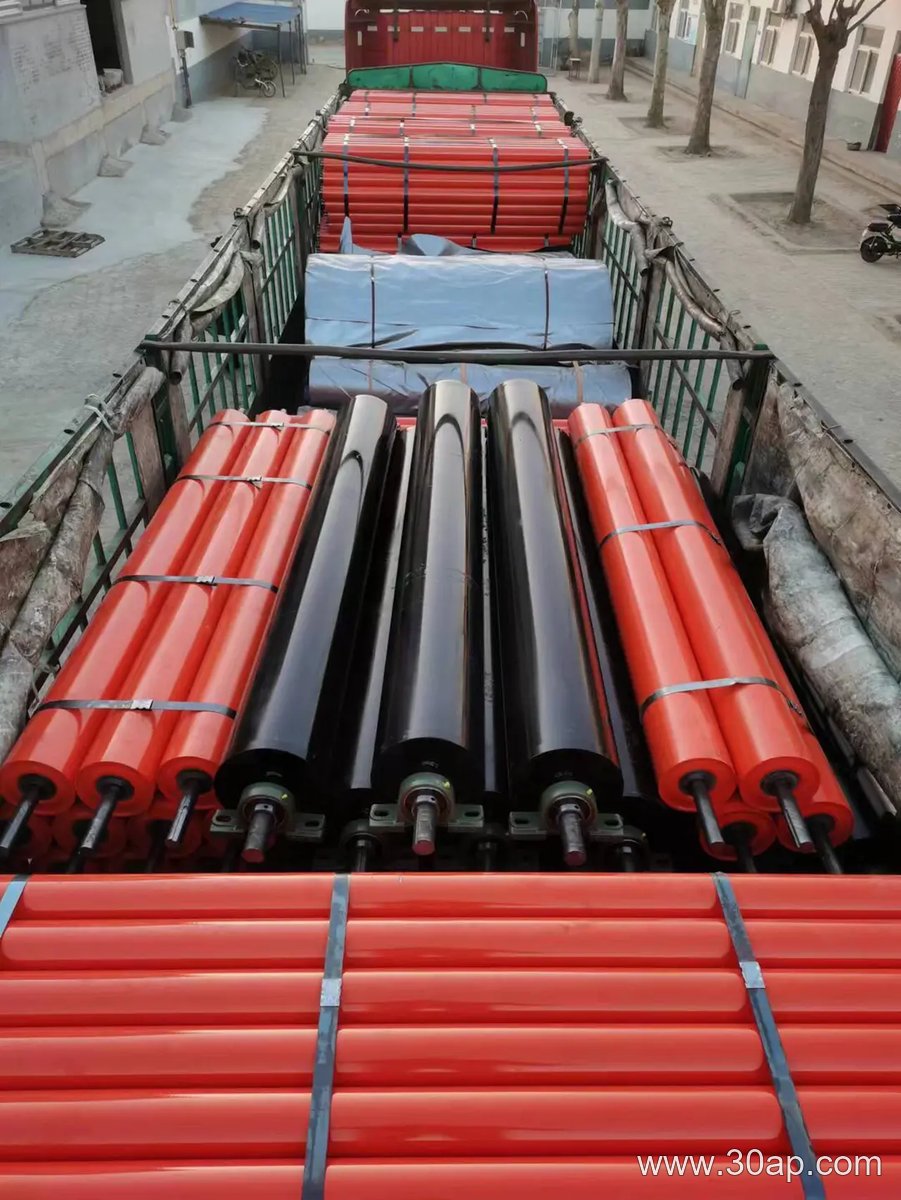
An idler roller supports conveyor belts and cargo, reducing friction and preventing sagging. Choosing the wrong one leads to premature belt wear, spillage, and costly downtime.
Key Selection Criteria
- Load rating: Match the roller’s dynamic capacity to your peak tonnage per hour—overspec adds cost, underspec causes failure.
- Diameter and shell thickness: Larger diameters suit heavy, abrasive materials; thicker steel resists impact at loading zones.
- Sealing system: For dusty or wet environments, select labyrinth or triple-lip seals to protect bearings.
Material and Maintenance Considerations
Steel idler rollers offer durability, while HDPE or rubber-coated versions reduce noise and material buildup. Always verify the bearing type (ball vs. roller) and lubrication schedule—sealed-for-life units cut maintenance but are not repairable.
Purchasing Advice
Measure existing frame spacing and belt width precisely. Request samples for on-site testing under real load. Compare total cost of ownership, not just unit price: energy savings from low rolling resistance and longer service life often justify premium rollers.