What a Stone Conveyor Idler Does on a Belt Line
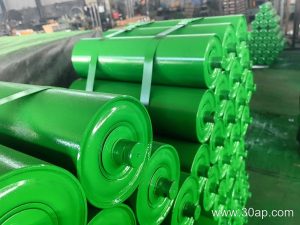
A stone conveyor idler is the rotating support under the conveyor belt that carries the load of crushed rock, gravel, or aggregate. In a quarry, sand and gravel plant, or crushing and screening circuit, these idler rollers keep the belt tracking smoothly while absorbing the weight of heavy, abrasive stone. The idler roller itself is a simple assembly, but its condition affects belt life, power draw, and how often maintenance crews have to stop the line.
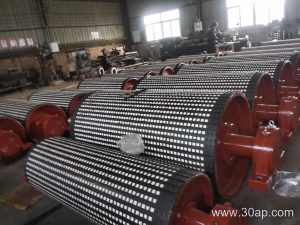
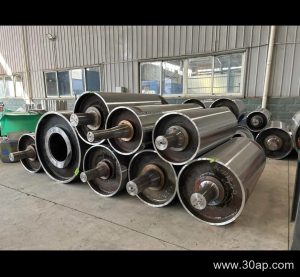
The idler is not a conveyor pulley. Drive pulleys, tail pulleys, and bend pulleys transmit or redirect belt tension, while the stone conveyor idler only supports the belt and material. That difference matters when ordering spares, because a pulley cannot be replaced by an idler or the other way around.
How the Idler Roller Is Built
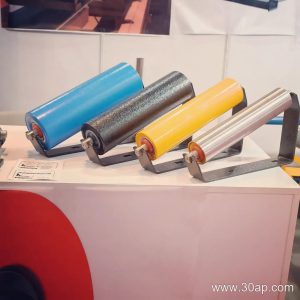
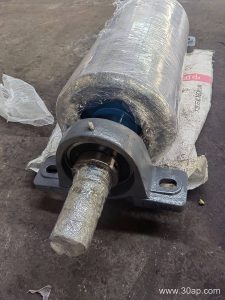
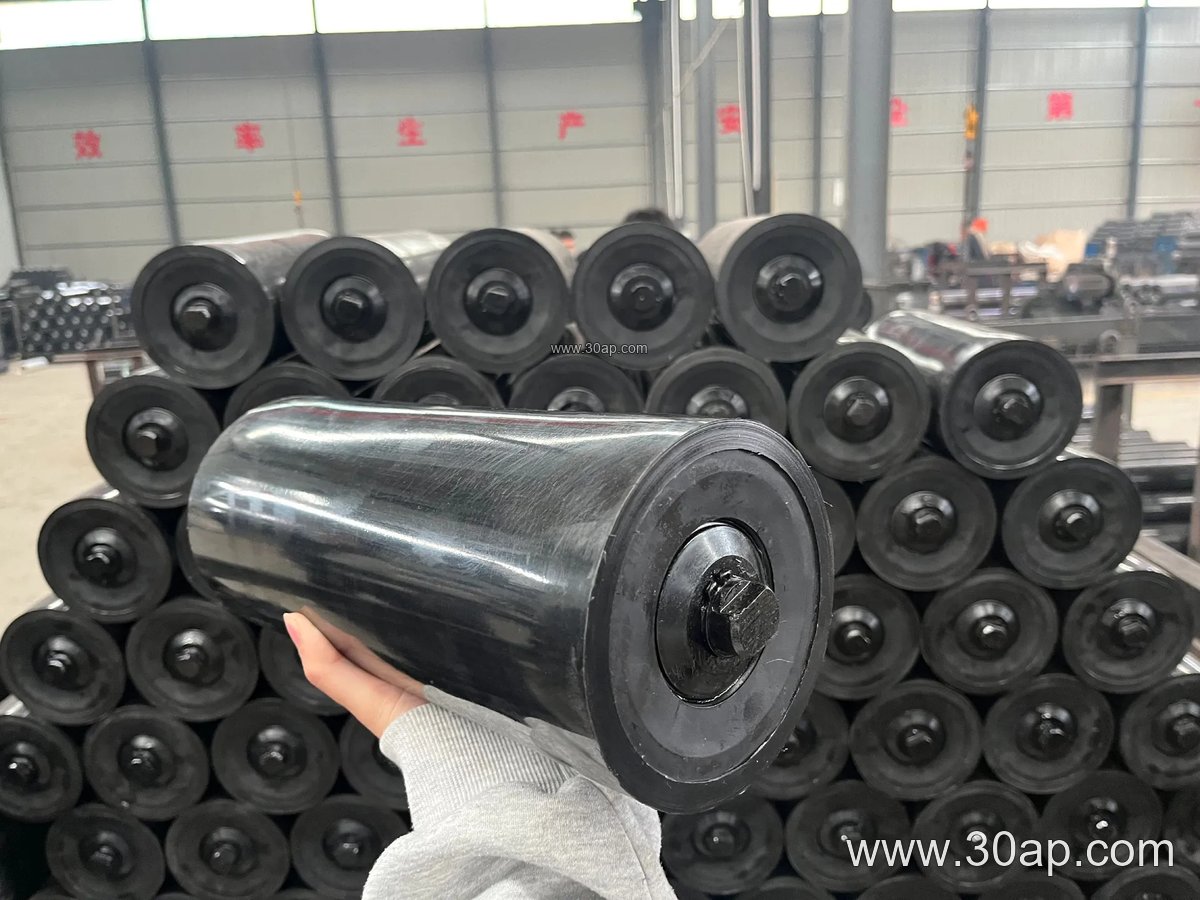
A typical stone conveyor idler includes a steel tube shell, a shaft, bearing housings, and a sealing arrangement at each end. The shell may be plain steel, nylon-coated, ceramic-covered, or fitted with rubber rings for impact zones. Bearings are usually deep-groove ball types such as 6204, 6205, 6305, 6306, 6308, or 6310, matched to the shaft and load rather than to belt width alone.
Sealing is the quiet hero in dusty stone operations. Labyrinth seals and contact seals keep fine grit away from the bearing cavity. A well-sealed idler roller lasts longer in a limestone mine or concrete mixing plant where dust is constant.
Common Idler Types and Where They Sit
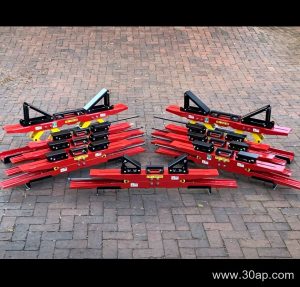
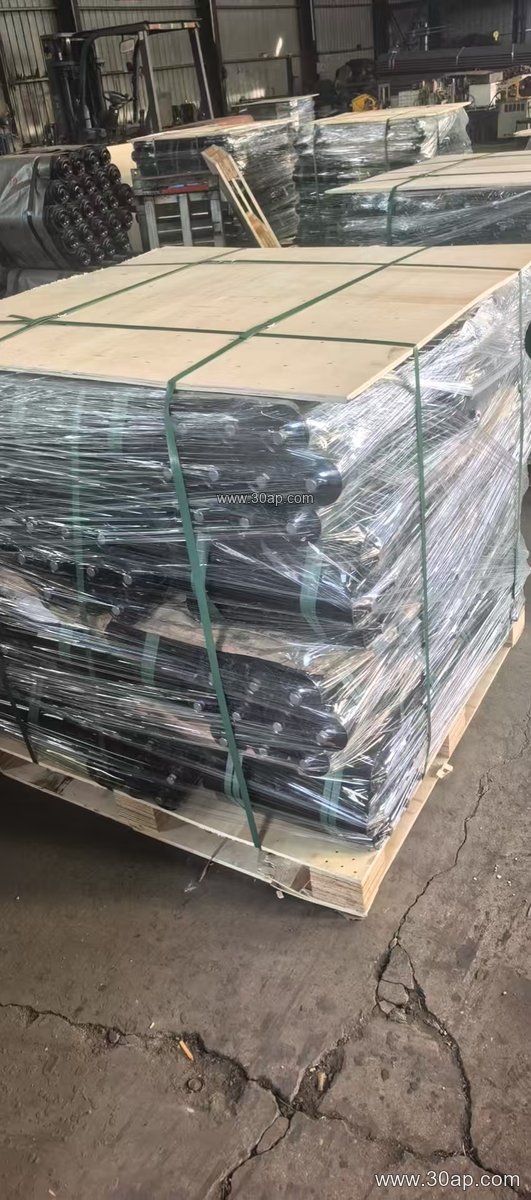
The carrying side usually uses troughing idlers in single-roll, two-roll, or three-roll arrangements. A three-roll troughing set is common on wider belts, with trough angles of 20, 30, 35, or 45 degrees. The return side may use a flat return idler or a V-shaped return idler to help the belt run true.
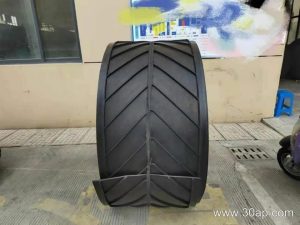
Impact zones under a crusher discharge call for impact idlers or rubber-ring impact idlers, which cushion falling stone. Self-aligning idlers, including friction and tapered types, are used where belt misalignment is a recurring problem. Spiral idlers can help shed sticky material in wet or muddy conditions.
- Troughing idlers carry the loaded belt
- Return idlers support the empty belt
- Impact idlers protect the belt at transfer points
- Self-aligning idlers correct tracking
Reference Dimensions for Planning
The table below gives common reference values. Actual roller length depends on belt width, trough angle, and idler arrangement, and side rollers may differ from the center roller.
| Belt width | Common roller length (three-roll troughing) |
|---|---|
| B500 | about 200 mm |
| B650 | about 250 mm |
| B800 | about 315 mm |
| B1000 | about 380 mm |
| B1200 | about 465 mm |
| B1400 | about 530 mm |
| B1600 | about 600 mm |
Idler diameters commonly range from Ø63 to Ø219, including Ø89, Ø108, Ø127, Ø133, Ø159, and Ø178. Larger diameters suit heavier loads and higher belt speeds, while smaller diameters fit lighter duty lines. These are reference ranges, not fixed pairings with any one belt width.
Where Stone Conveyor Idlers Are Used
You will find them in limestone mines, iron and copper ore handling, coal washing plants, cement plants, power station coal yards, and aggregate stockpile lines. In each case the conveyor belt moves abrasive material, so idler shell wear and bearing contamination are the main concerns.
Conveyor brackets and frames hold the idler in place, and the spacing between idler sets affects belt sag. Too much spacing in a heavy stone line can shorten belt life and increase starting torque.
What Buyers Should Check
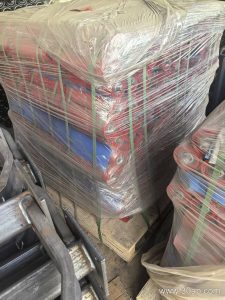
Before ordering, confirm the belt width, trough angle, idler diameter, roller length, and bearing size. Ask about the seal design and shell thickness, because these drive service life in dusty stone handling. Specify the mounting style so the idler fits the existing conveyor bracket. For impact areas, state the lump size and drop height so the right cushioning idler can be chosen. Keep a small stock of spare idler rollers on site, since a seized idler can wear through a belt quickly.