What a Crusher Conveyor Belt Does
In a crushing circuit, the crusher conveyor belt is the link that keeps material moving from the primary jaw or impact crusher to screens, stockpiles, or the next reduction stage. It is not a single universal product but a heavy-duty rubber belt selected for the duty, lump size, and environment of the site. In mining, coal preparation, cement, power, and sand and gravel plants, this belt often handles sharp, abrasive rock at high tonnage, so construction details matter more than the belt’s appearance.
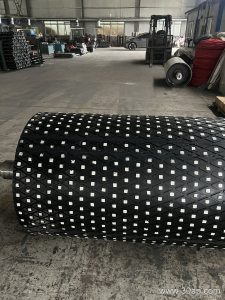
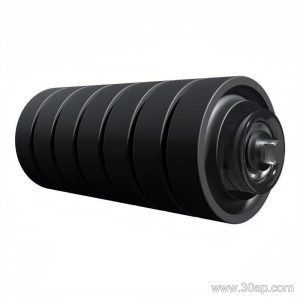
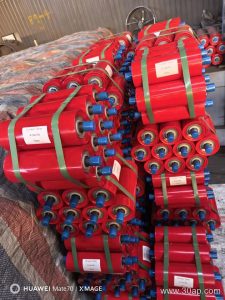
The same product is also called a crusher conveyor belt in day-to-day plant language, and it remains a conveyor belt in the technical sense. It works with conveyor pulleys, idler rollers, and conveyor brackets to form a complete carrying system. Drive, tail, and bend pulleys each have their own role and are not interchangeable.
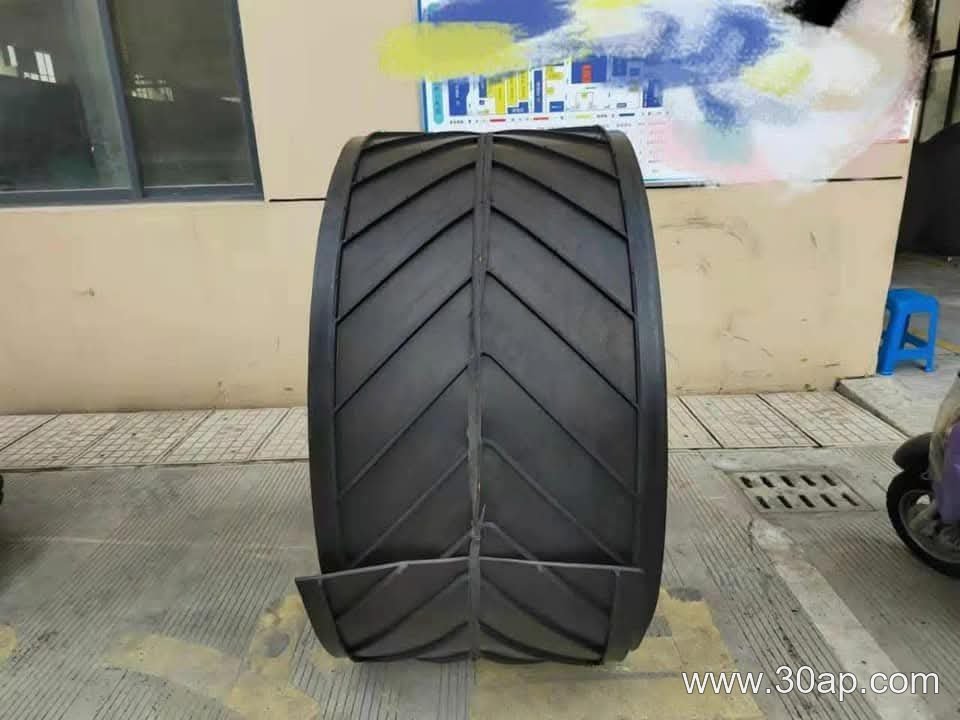
Construction and Common Specifications
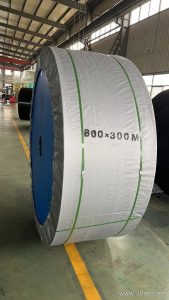
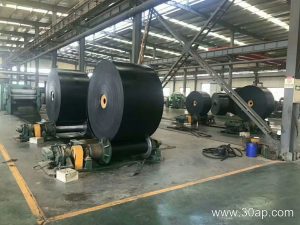
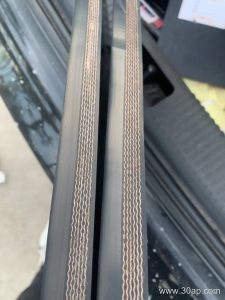
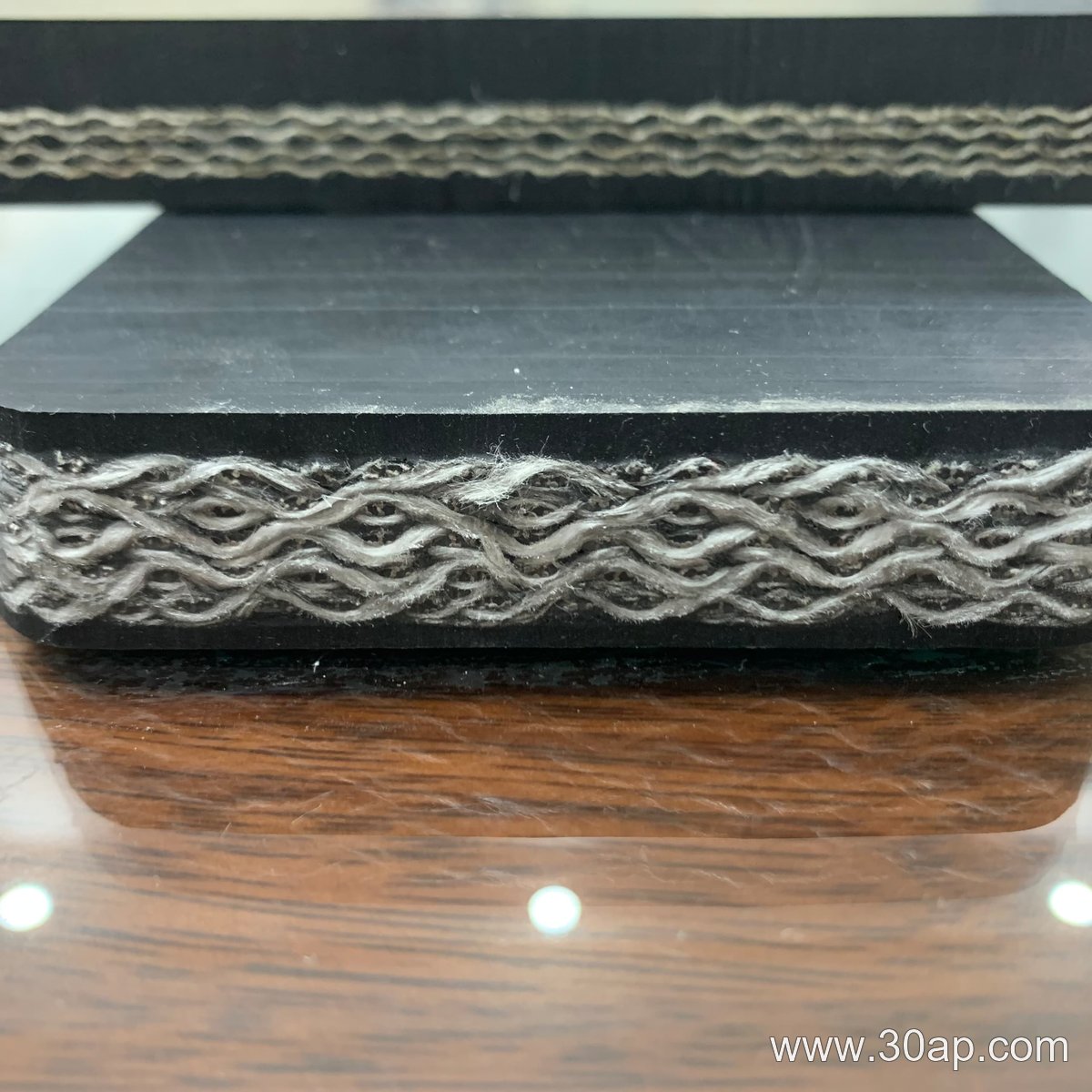
A crusher conveyor belt usually combines a fabric or steel-cord carcass with rubber covers. The carcass carries tension, while the top cover resists impact and abrasion and the bottom cover protects against wear on return idlers. Buyers commonly see EP or NN fabric belts and steel cord belts, with cover grades for heat, oil, flame resistance, or cold service when the plant requires them.
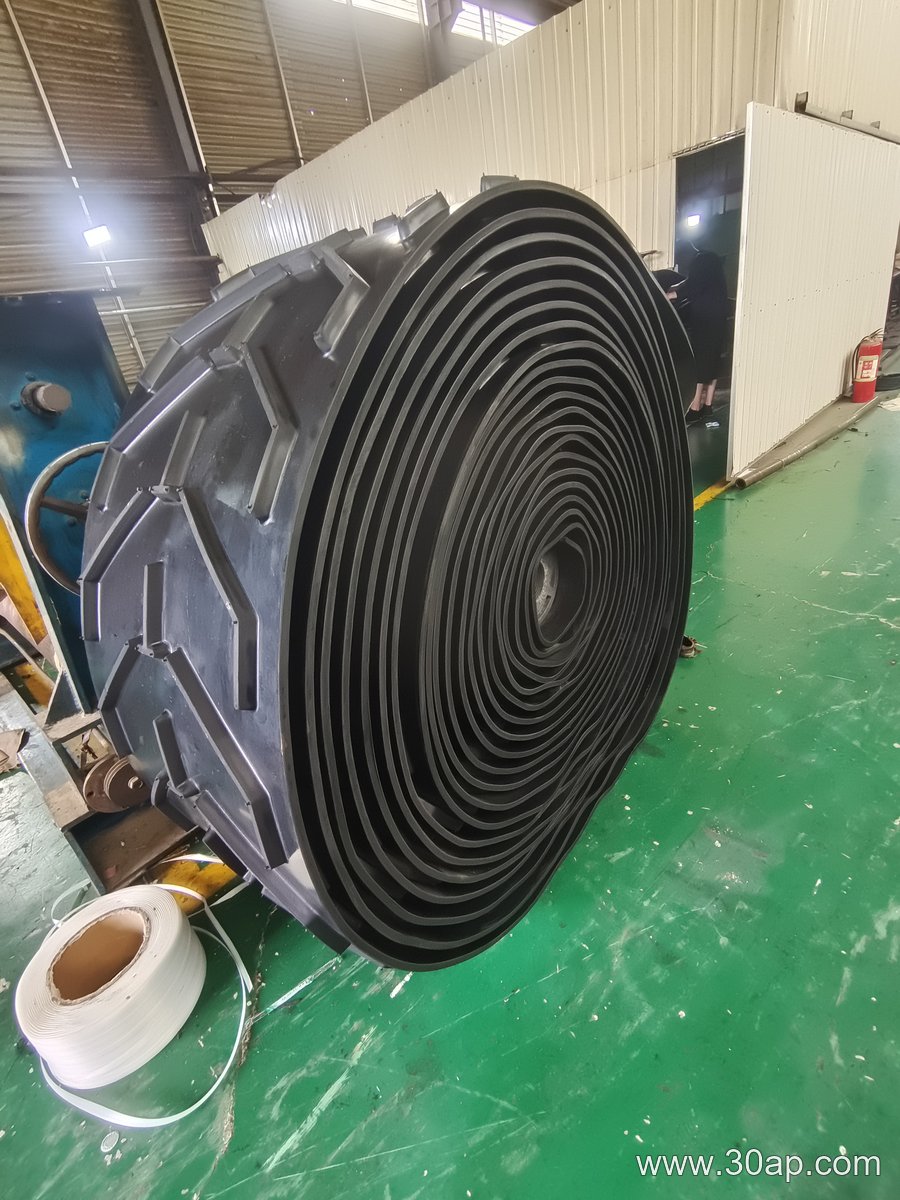
Typical reference data for selection is shown below. These are common ranges, not fixed promises, and final values are confirmed by design.
| Parameter | Common Reference |
|---|---|
| Belt type | EP, NN nylon, steel cord, PVC, PVG, chevron, sidewall |
| Strength grade | EP200 to EP2000 |
| Belt width | B500, B650, B800, B1000, B1200, B1400, B1600, B1800, B2000 |
| Cover thickness | 3+1.5, 4+2, 5+2, 6+2, 8+3 mm |
| Carcass plies | Usually 2 to 6 layers |
Width and strength are matched to the conveyor’s capacity, incline, and pulley sizes. A wider belt is not automatically correct for every crusher discharge, and a given belt width does not dictate one pulley diameter.
Where It Is Used
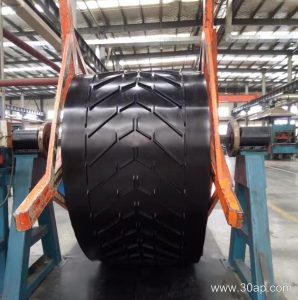
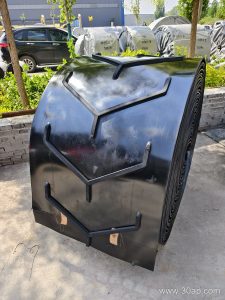
The crusher conveyor belt appears in many hard-material flows. In a mine, it may run from a primary crusher to a screening station. In a coal handling system, flame-resistant grades are often considered. Cement plants use it for clinker and limestone, while power plants and sand and gravel yards rely on it for continuous transfer. The belt may be flat, troughed on idler rollers, or fitted with chevron and sidewall profiles for steep inclines.
- Mining and metallurgy: ore, waste rock, and concentrate transfer
- Coal preparation: raw coal and washed coal lines
- Cement and aggregate: limestone, clinker, sand, and crushed stone
- Power and port handling: bulk fuel and stockpile feed
Selection Points for Buyers
Start with the material: lump size, density, temperature, moisture, and whether it is oily or chemically active. Then confirm the conveyor layout, including incline, transition distance, and the arrangement of drive, tail, and bend pulleys. The belt’s tension rating should suit the calculated working load, not simply the crusher model.
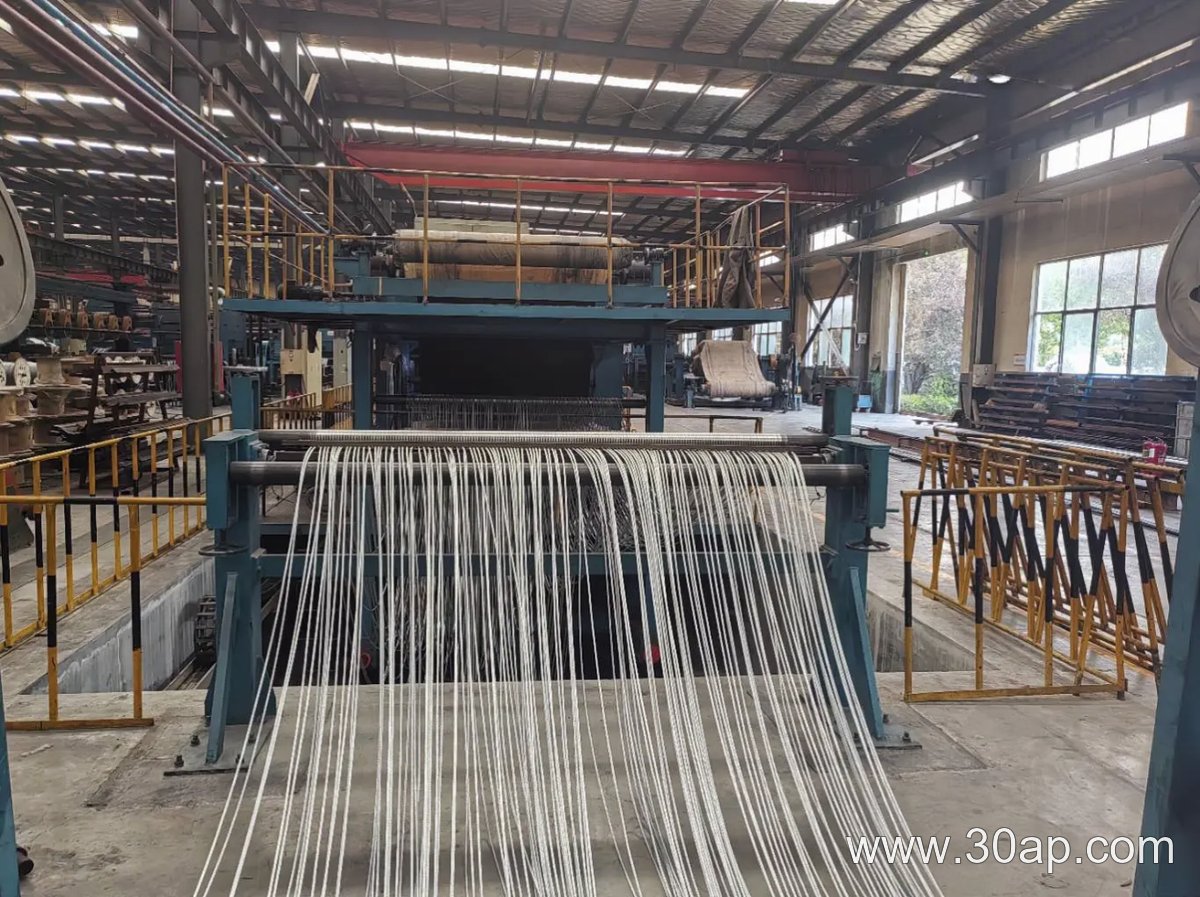
A crusher conveyor belt also needs compatible conveyor pulleys and idler rollers. Pulley lagging, roller spacing, and loading chute design influence belt life. Conveyor brackets should hold idlers at the correct angle and height so the belt tracks well. If the belt is likely to mistrack, the cause may be alignment or loading rather than the belt itself.
For maintenance, record the belt type, width, cover grade, and strength grade when the line is commissioned. Inspect splices, edges, and cover wear regularly. Keep spare idler rollers and at least one spare pulley or lagging set where downtime is costly. Because site conditions vary, the final specification should be confirmed with the belt supplier and conveyor designer before ordering.