Why an Idler Roller Seizes and How to Diagnose It
At a bulk-material port terminal, a seized idler roller stops turning while the belt keeps moving, causing flat spots, belt wear, and potential spillage. The symptom is obvious, but the cause is not.
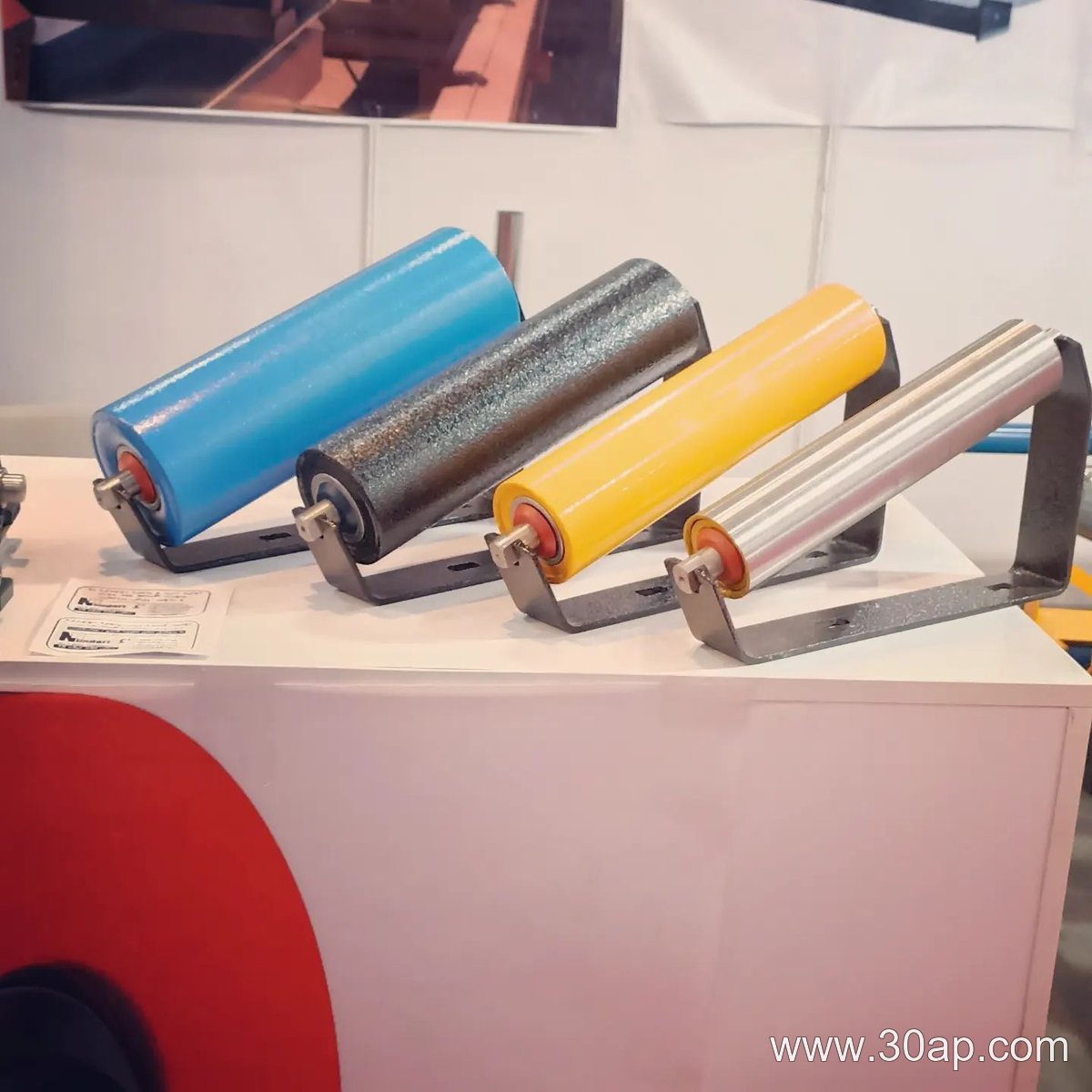
Possible Causes and Checks
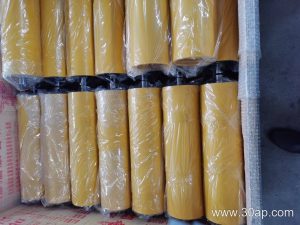
- Bearing contamination: Salt spray and coal dust invade seals. Check for play or roughness by hand.
- Misalignment: Roller shaft not perpendicular to belt travel. Inspect bracket slots and frame for distortion.
- Overloading: Impact from large lumps at the loading point. Verify roller load rating against drop height.
- Lubrication failure: Grease breakdown due to heat or time. Confirm service interval and grease type.
Each cause leaves a different signature: contamination shows dark grease weeping; misalignment produces edge wear; impact damage dents the shell. Trace the failure before replacing the idler roller.
When Does a Conveyor Pulley Need TIR Balancing in a Cement Plant Clinker Line
Total indicated runout, or TIR, is the permissible radial or axial deviation of a conveyor pulley shell. In a cement plant clinker line, a high TIR makes the belt track poorly and loads the bearings unevenly under heat and dust.
How TIR Affects the Engineering Decision
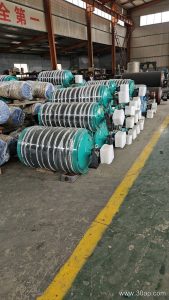
A fabricator may balance a conveyor pulley statically for low speed, but dynamic TIR still matters when the shell is long relative to diameter. Specify a TIR limit with the balancing grade, then verify it after lagging, since rubber or ceramic adds mass that can shift the balance.
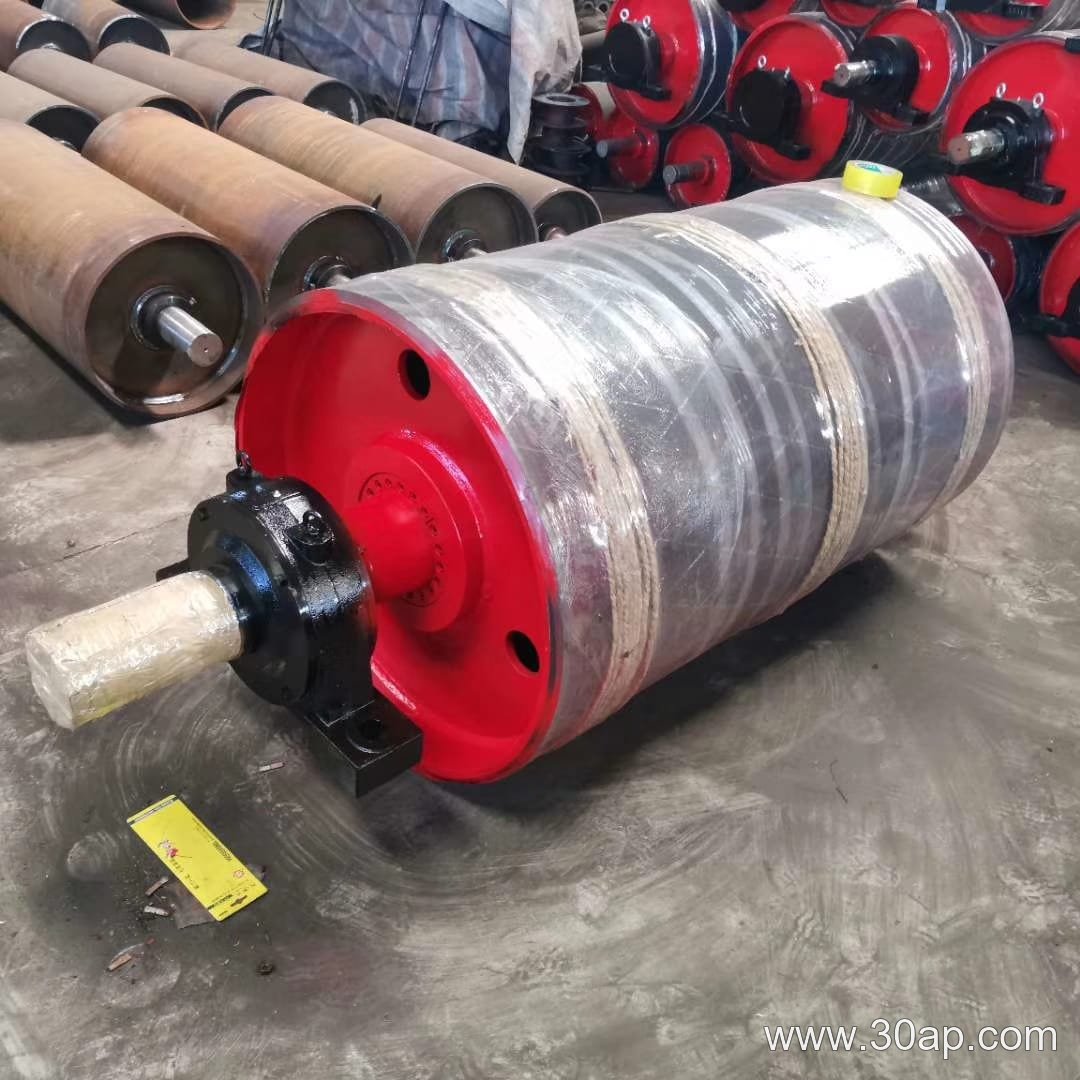
- Check shell roundness and weld runout before lagging.
- Balance after lagging and final machining.
- Record TIR at the bearing journals and the shell midspan.
These checks are illustrative; actual limits depend on the pulley design and duty.
Choosing Between Carbon Steel and Galvanized Conveyor Bracket
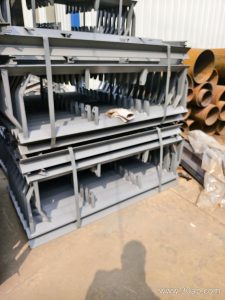
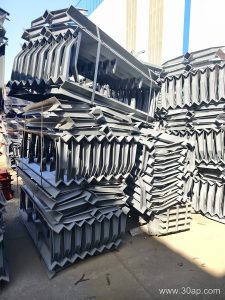
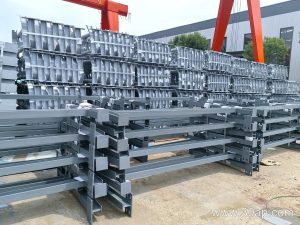
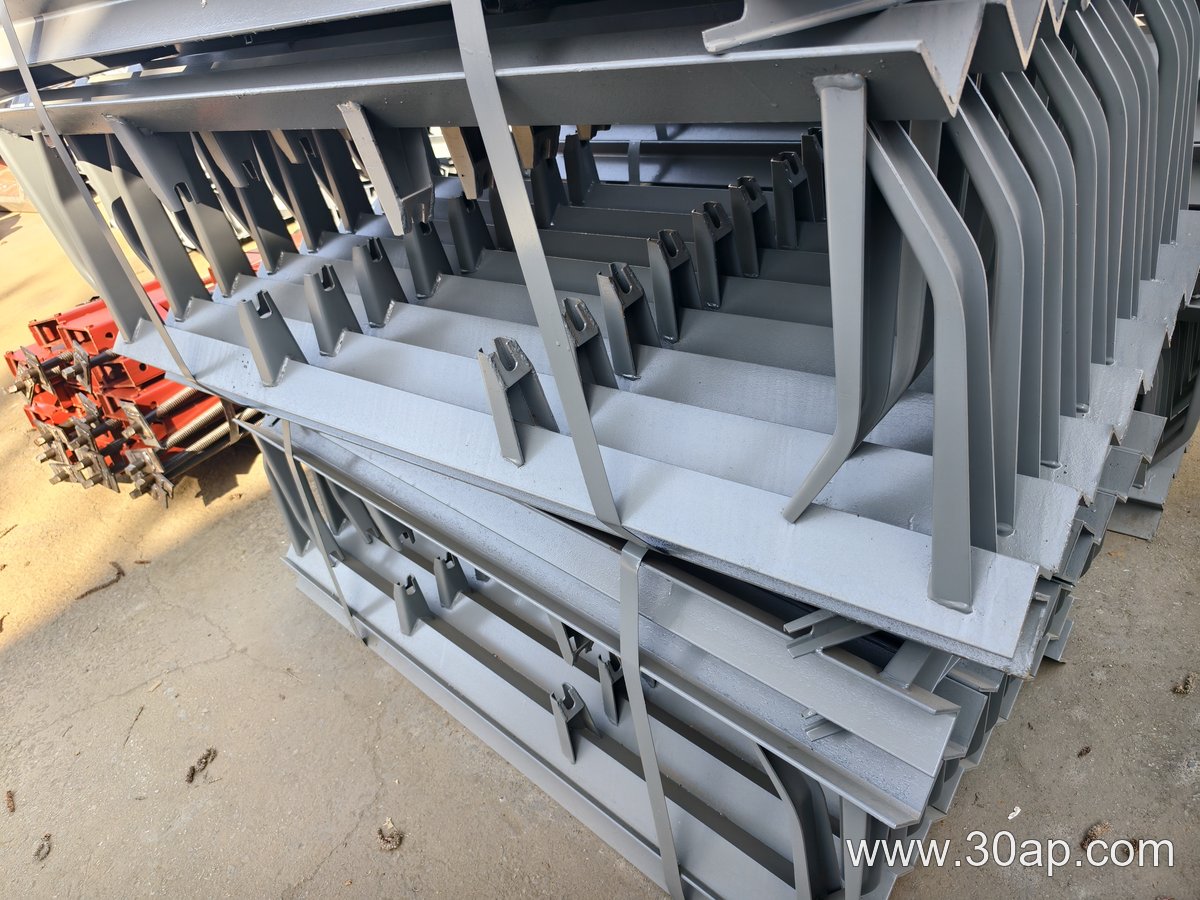
In a cement plant, a conveyor bracket must resist abrasive dust and vibration. Carbon steel offers the lowest purchase cost and easy welding, but needs painting or periodic recoating. Galvanized steel costs more upfront yet tolerates dusty, slightly damp conditions with less maintenance.
Trade-Off for Procurement
- Carbon steel: lower unit price, higher upkeep in dusty zones.
- Galvanized: higher unit price, longer service before touch-up.
Match the conveyor bracket material to the actual exposure, not to a blanket rule.
What Is a Corrugated Sidewall Conveyor Belt?
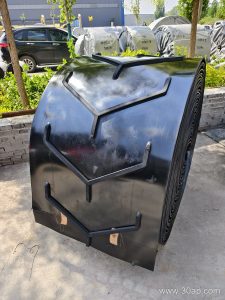
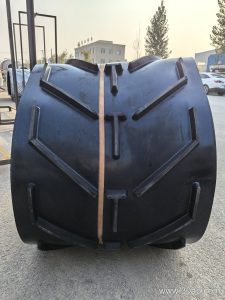
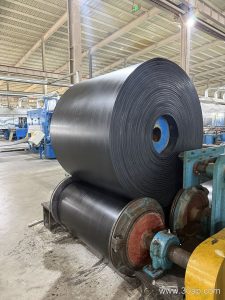
A corrugated sidewall conveyor belt is a specialized type of conveyor belt designed to carry materials at steep angles, often up to 90 degrees. Unlike standard flat belts, it features raised sidewalls and horizontal cleats that create pockets to prevent material from falling back. In a cement plant, this belt is ideal for transporting clinker, limestone, or cement powder up steep inclines where space is limited.
Construction and Key Features
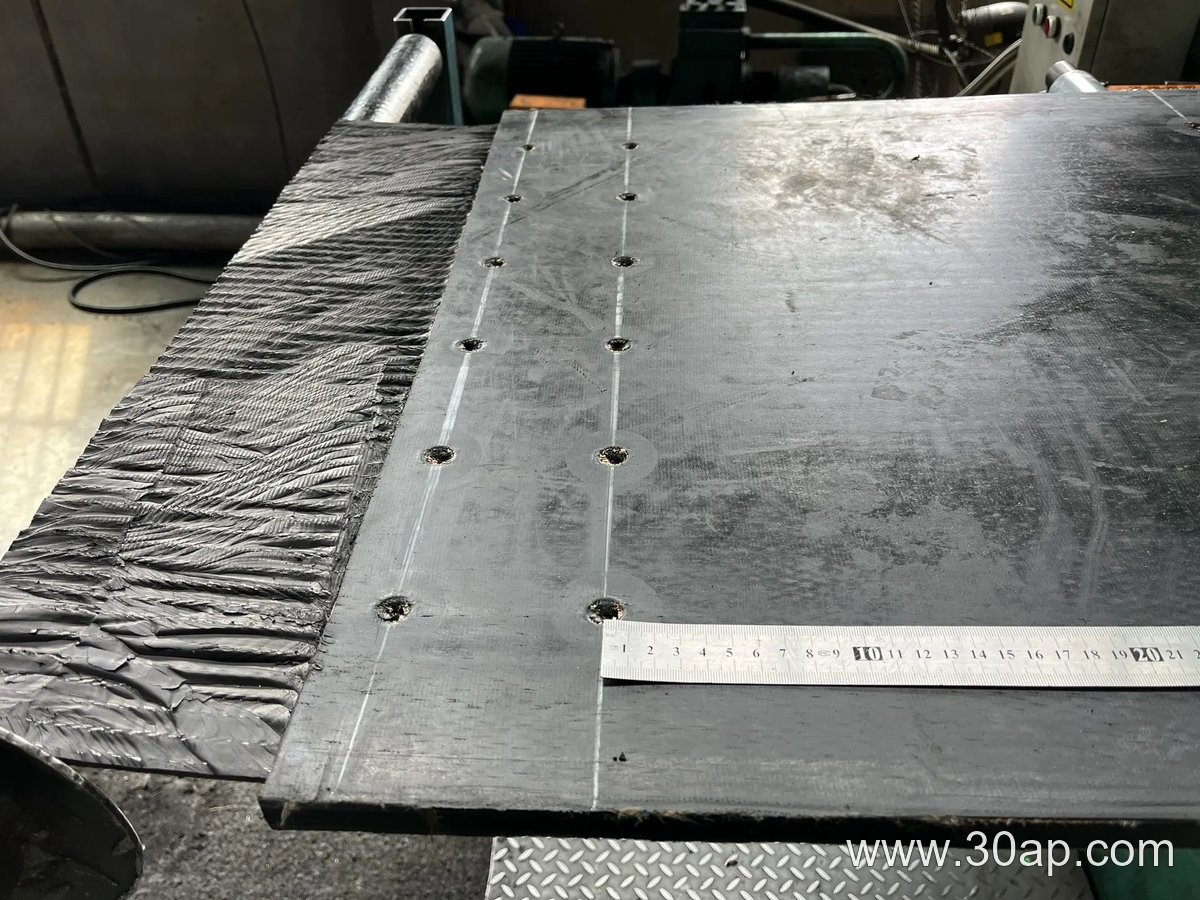
The belt consists of a base belt with transverse rigid cleats and corrugated sidewalls vulcanized to the edges. The sidewalls are made of rubber with fabric reinforcement, allowing them to flex around pulleys while maintaining shape. Cleats are available in various profiles, such as T, C, or TC, to suit different materials. This construction enables high incline conveying without the need for multiple transfer points, reducing dust and spillage.
Uses in a Cement Plant
In a hypothetical cement plant, a corrugated sidewall conveyor belt could replace a bucket elevator for feeding raw meal to a preheater tower. It handles wet, sticky materials better and requires less maintenance. The belt is also suitable for clinker transport from cooler to storage, where steep inclines are common. However, it is not a universal solution; for very high capacities or abrasive materials, steel cord belts may be more appropriate.
Frequently Asked Questions
Can a corrugated sidewall conveyor belt handle hot clinker?
Yes, if the rubber compound is heat-resistant. Standard belts may degrade quickly, so a high-temperature grade is necessary.
How do I select the right cleat height?
Cleat height depends on material size and incline angle. Taller cleats hold more material but may reduce belt flexibility. Consult the manufacturer for specific guidance.