What happens to an idler roller when water freezes around its seals?
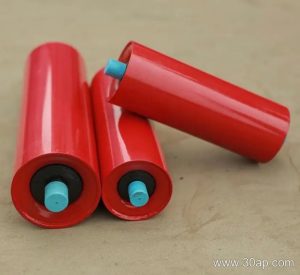
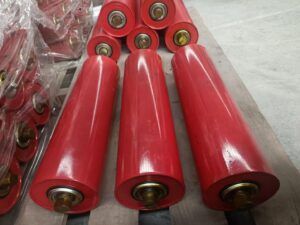
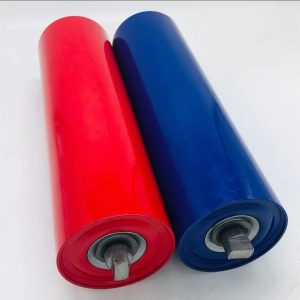
On a wet outdoor conveyor in freezing weather, an idler roller can lock because ice forms between the rotating shell and the stationary shaft. The bearing seal area is most vulnerable: meltwater enters overnight, then freezes and grips the seal lip. A roller that turned freely at 5°C may refuse to rotate at −5°C until the ice breaks.
Can a sealed idler roller still fail from internal ice?
Yes. Even a dustproof and waterproof idler roller can trap condensation inside the bearing housing. If the seal is not fully effective, water vapor migrates in during the day and freezes at night. The ice expands and can dislodge grease, leaving the bearing dry when thawing begins.
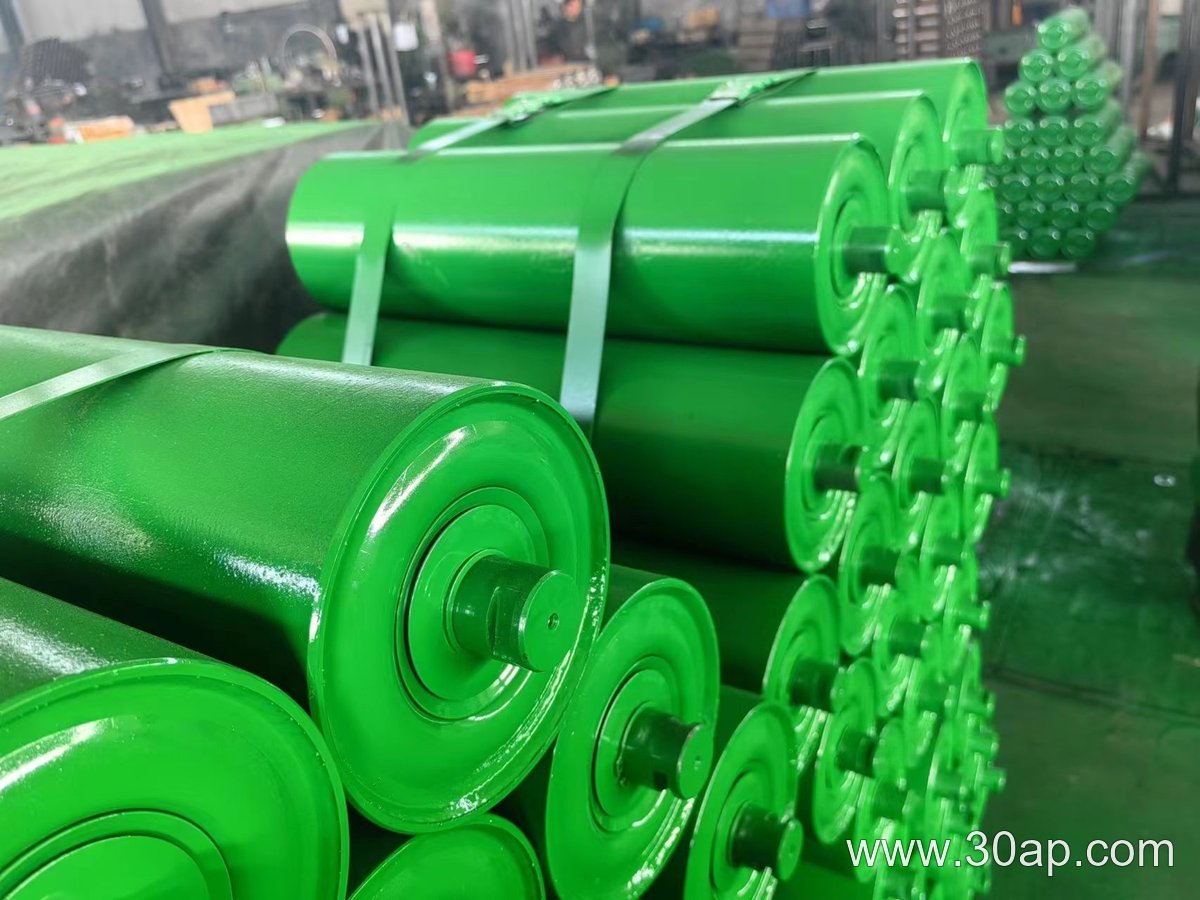
What practical checks help before start-up?
- Turn each idler roller by hand after a freezing night; a locked roller should be freed before tensioning the belt.
- Inspect the seal lip for cracks or hardening, which worsen ice grip.
- Confirm that the roller has a friction-type self-aligning design if the belt tends to misalign under snow load.
These steps are simple, but they prevent belt mistracking and early bearing damage on a wet outdoor conveyor.
Why does a wet outdoor conveyor pulley slip?
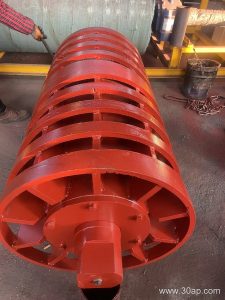
A conveyor pulley on a wet outdoor conveyor slips when water, mud, or ice reduces friction between the lagging and the belt. The pulley loses grip, the belt stalls or drifts, and wear accelerates.
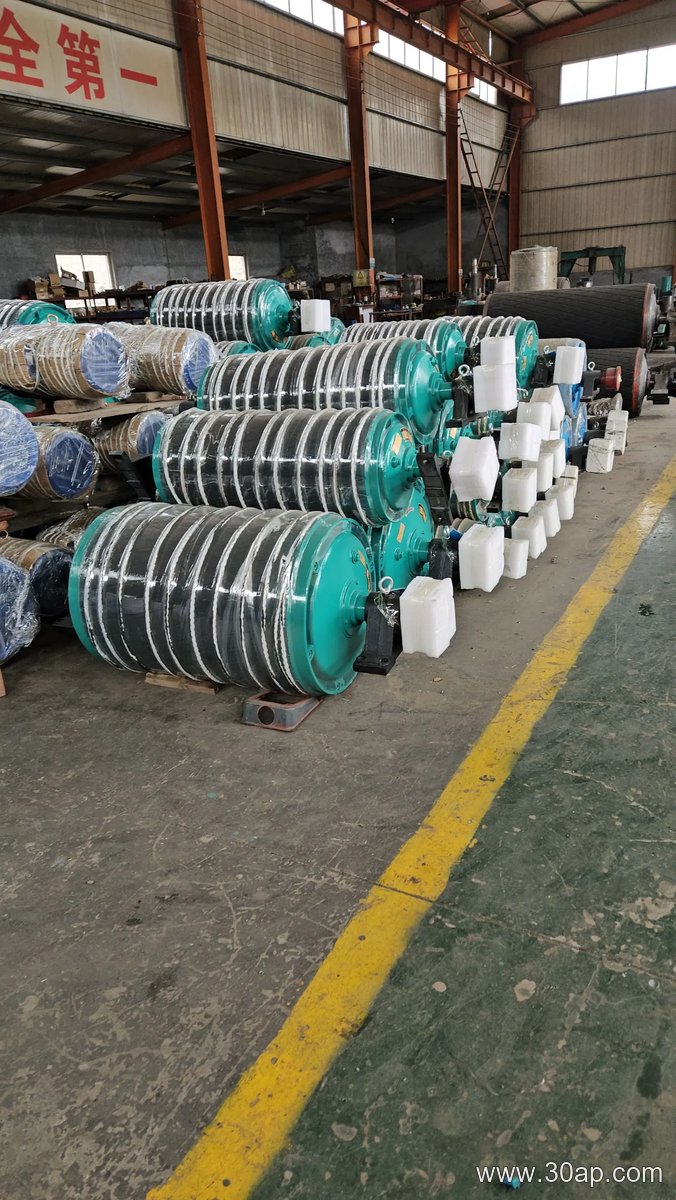
Three checks to fix a slipping wet conveyor pulley
- Drain the lagging. Grooved or herringbone lagging channels water away instead of letting it sit under the belt. Plain lagging traps a film that kills traction.
- Match the lagging compound. For wet, cold service, choose a rubber grade that stays flexible near freezing. Hard, slick compounds lose grip fast.
- Check build-up on the shell. Mud or frozen grit on the conveyor pulley face creates high spots that break belt contact. Scrapers and a crown that sheds water help.
After these fixes, recheck belt tension and tracking. A clean, grooved, cold-flexible lagging usually restores grip on a wet outdoor conveyor pulley.
Can a conveyor bracket hold alignment outdoors without daily greasing?
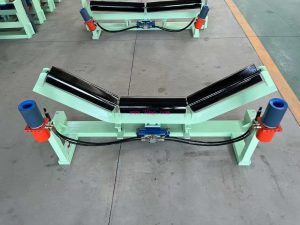
Yes, if the bracket is designed for wet, dirty service. A conveyor bracket locates the idler frame, so any looseness shows up as belt drift. On an outdoor line, rain and wash water test the mounting surfaces first.
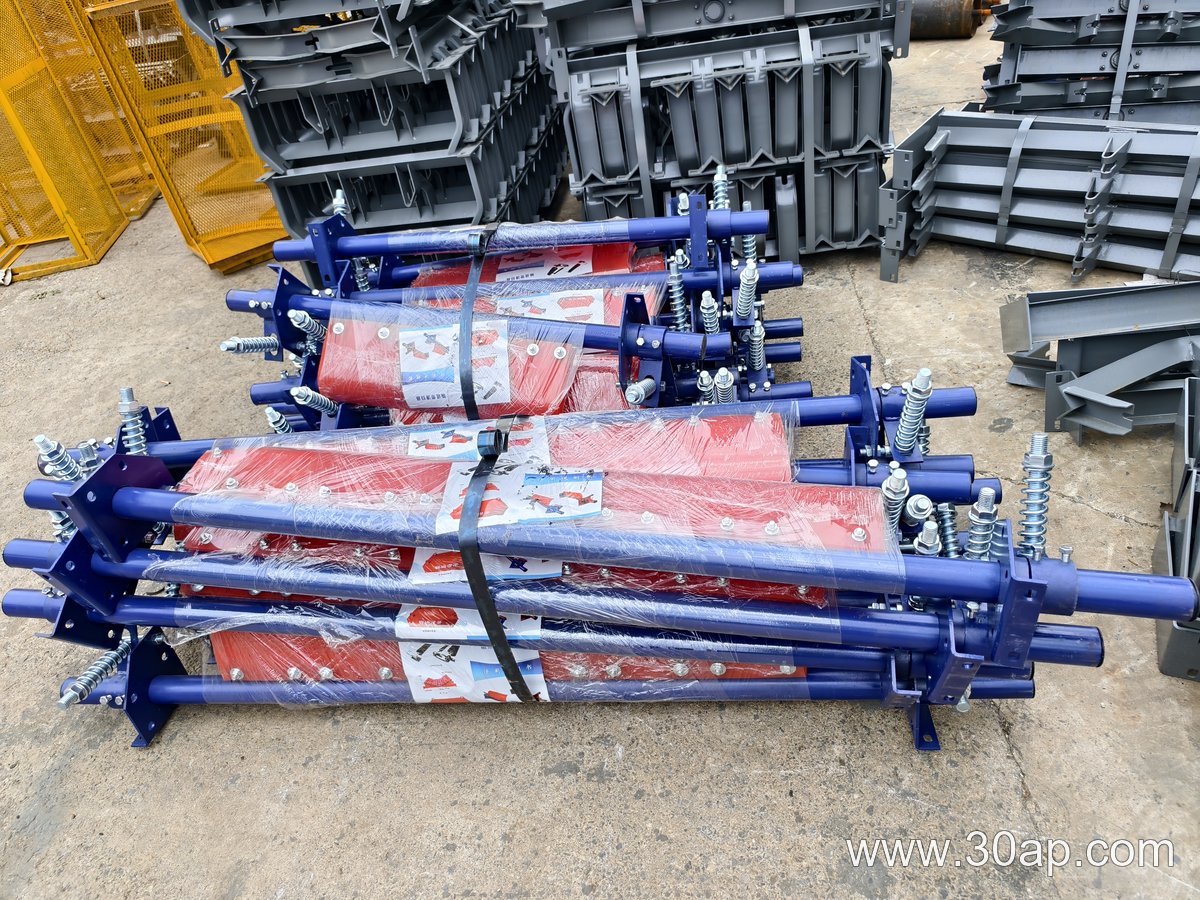
Checks that matter in wet weather
- Drainage paths that stop water pooling around the bolt holes.
- Corrosion-resistant coating or galvanized construction.
- Slotted holes only where thermal movement is expected.
Integrate the bracket with capped bolts and a raised pad so water sheds instead of sitting. The result is stable idler position and less maintenance.
How Do You Select a Conveyor Belt for a Hot Clinker Transfer at a Bulk Port Terminal
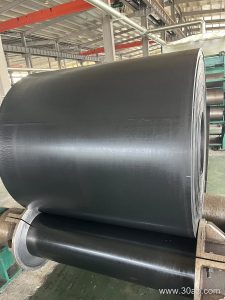
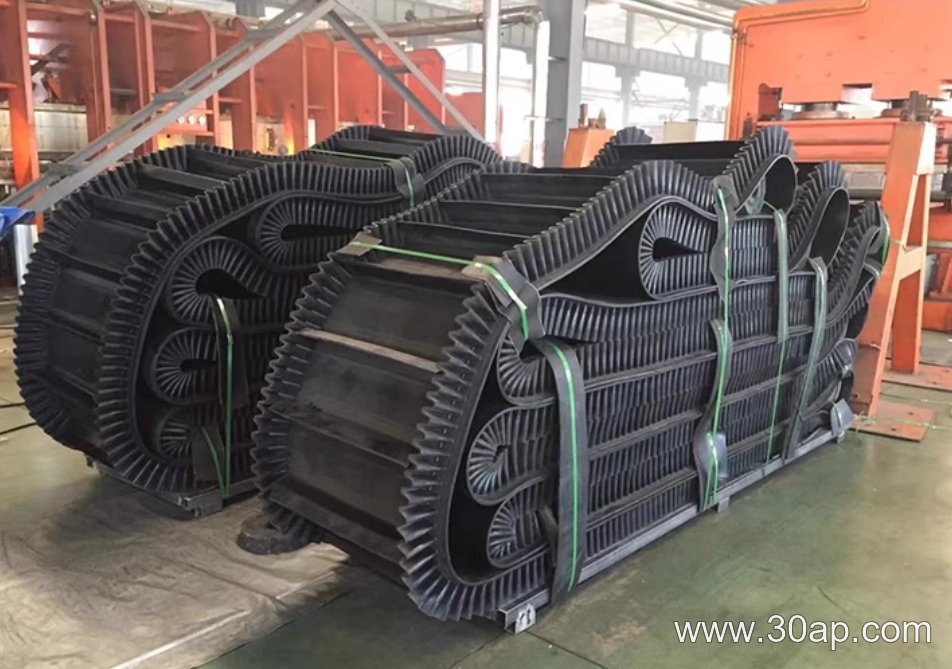
Start with the material temperature, not the tonnage. A conveyor belt moving hot clinker at a bulk port terminal faces heat, abrasion, and impact at the same time. If the cover compound softens, the carcass can lose adhesion and the belt may fail early. Check the maximum continuous material temperature, the lump size, and the drop height before choosing a belt.
Match the Cover Grade to the Heat and Wear
For hot clinker, a heat-resistant cover grade is usually needed. Standard abrasion-resistant rubber may harden or crack under repeated heat cycles. The carcass, often EP fabric, must also tolerate the same temperature without shrinking or delaminating.
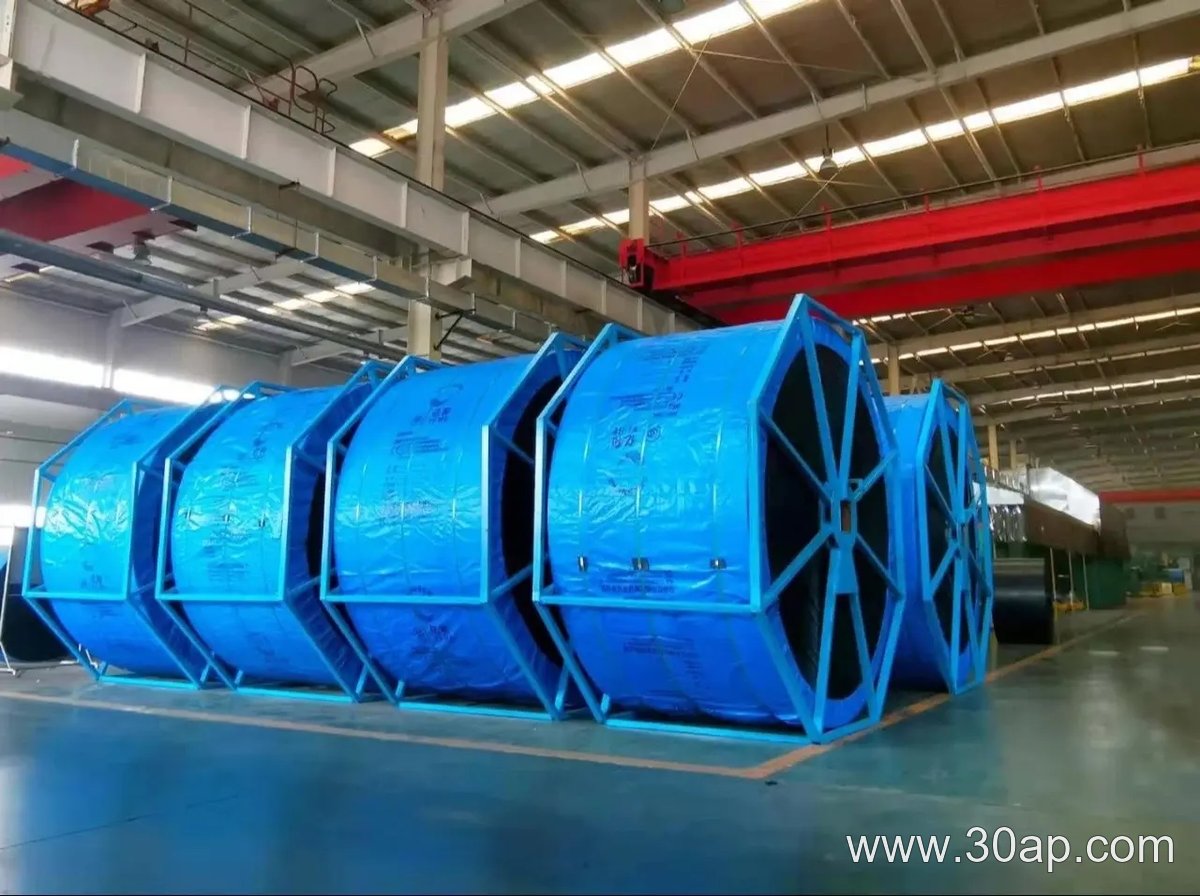
Confirm Speed and Load Support
Higher belt speed reduces the material dwell time on the belt, which can lower heat exposure at the surface. However, faster speeds increase wear at the loading point. Use the trough angle, idler spacing, and belt width to check that the belt can carry the load without excessive sag.
Review the Operating Conditions
- Ambient temperature and direct sunlight at the terminal
- Presence of oil, salt spray, or dust
- Impact energy at the transfer chute
- Availability of maintenance windows for splice inspection
These checks form a practical decision path. They help avoid a conveyor belt that looks strong on paper but fails when hot clinker meets a cold, wet morning at the port.