What a Ceramic Lagged Drive Pulley Does
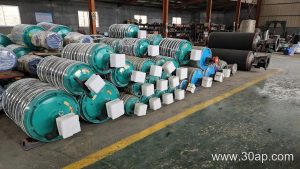
A ceramic lagged drive pulley is the head-end pulley that transmits motion to a conveyor belt, and it does so through a surface covered with embedded ceramic tiles rather than plain steel or rubber. In a quarry, a coal washing plant, or a cement clinker line, the drive pulley is the point where the gearbox torque enters the belt. If that grip is lost, the belt slips, the pulley polishes itself smooth, and the whole transfer point suffers. The ceramic lagging exists to keep friction high and wear low at exactly that critical contact zone.
The same component is also called a ceramic-coated drive drum or a ceramic-tiled head pulley. All three names point to one product: a drive pulley with a ceramic lagging surface. It should not be confused with a tail pulley, a bend pulley, or a tension pulley, which serve different positions on the conveyor and are not interchangeable with the drive position.
How the Ceramic Surface Is Built
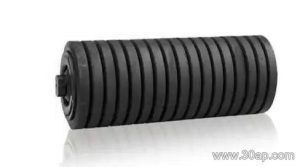
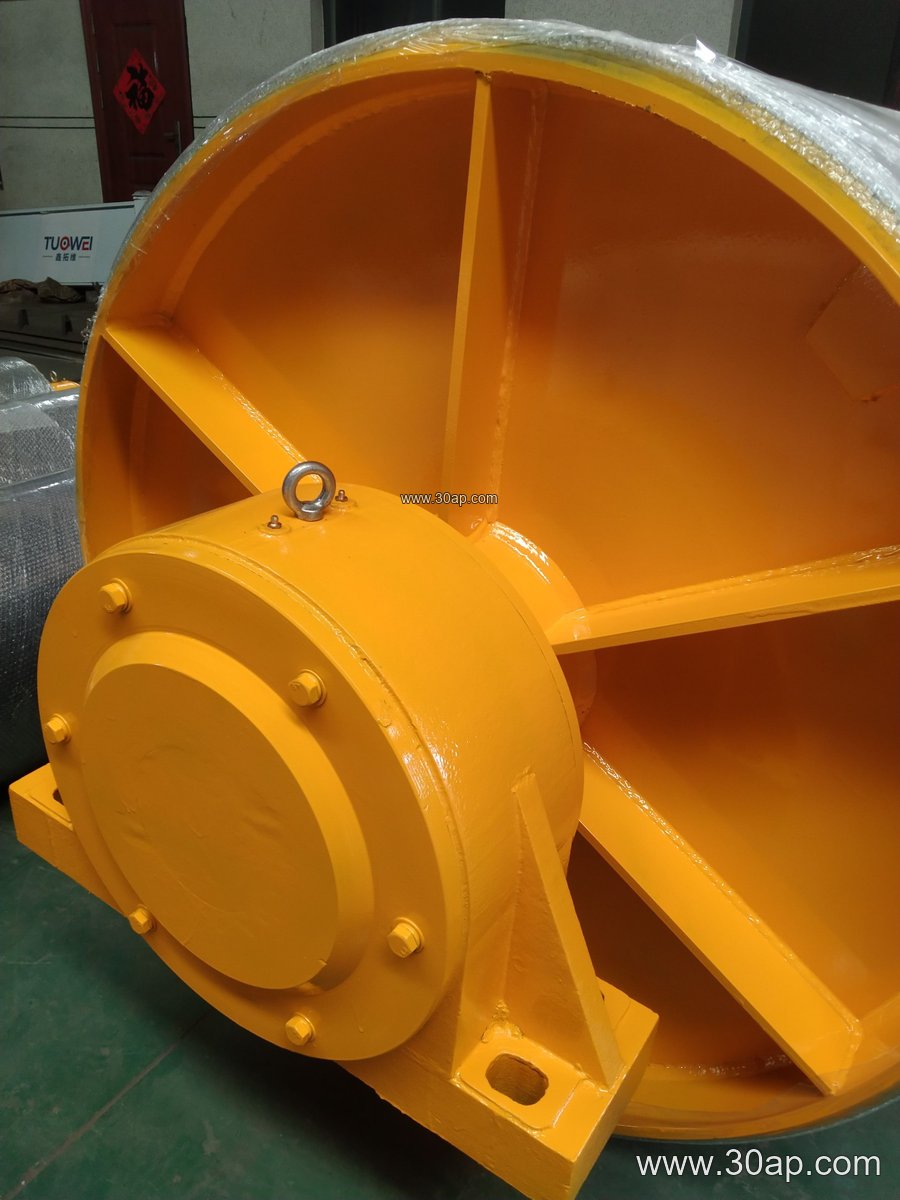
The pulley body is usually a welded steel drum with machined end discs and a shaft sized by torque and load, not by belt width alone. Common shaft diameters run from Ø50 up to Ø200 mm depending on the drive duty. The lagging is formed from small ceramic tiles, often alumina based, set into a rubber or polymer backing and bonded to the drum face. The tiles sit slightly proud of the backing, giving a textured, high-friction surface with channels between them that let water and fines escape instead of building a slippery film.
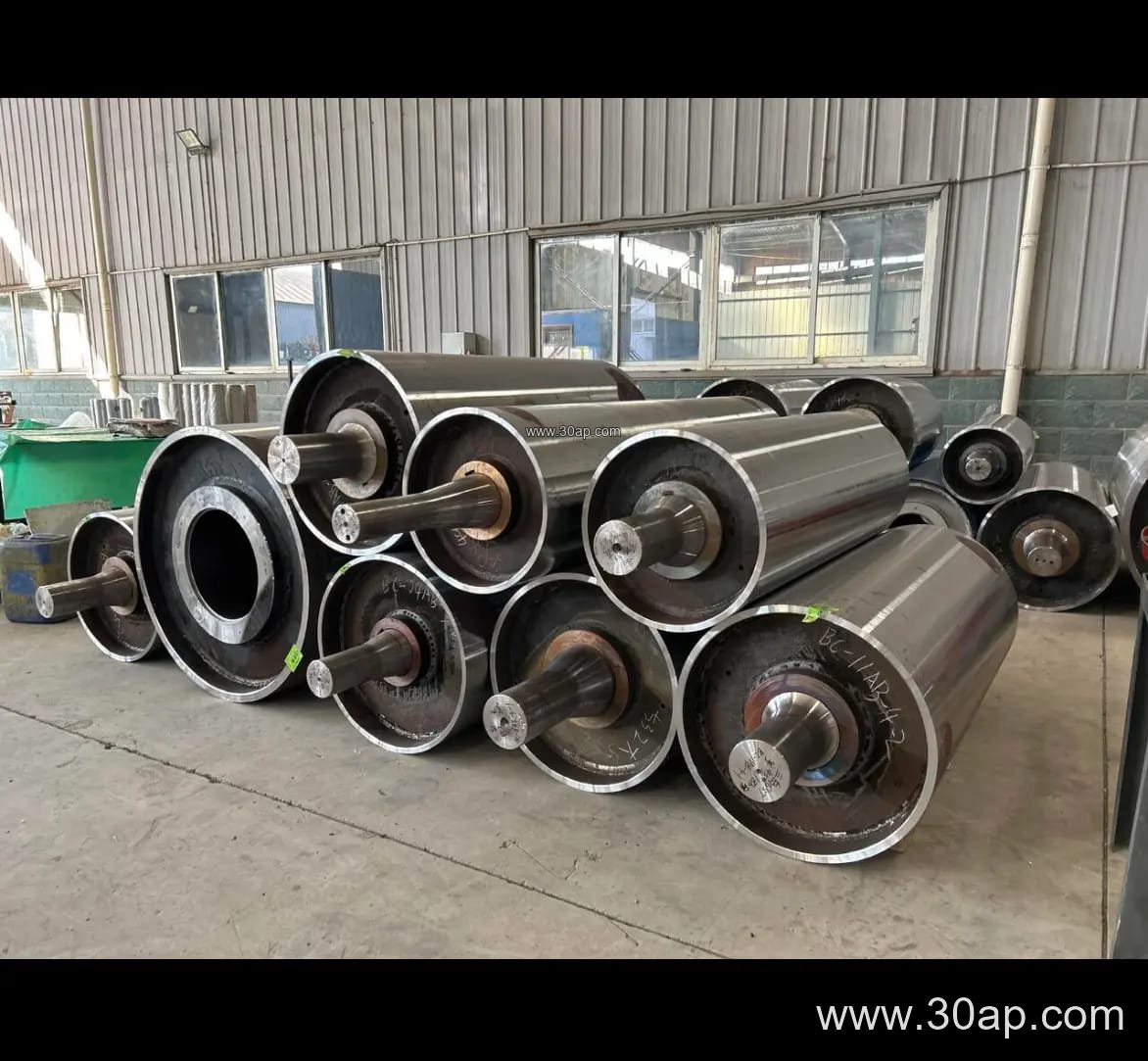
Typical surface forms include diamond-pattern tiles, square tiles, and grooved layouts. Lagging thickness commonly falls in the 8, 10, 12, 15, or 20 mm range. Because ceramic is hard and abrasion resistant, the surface holds its profile far longer than plain rubber under gritty, wet, or oily conditions.
Where It Fits on the Conveyor
This drive pulley is most at home on belts that carry abrasive bulk material: limestone from a primary crusher, iron ore in a concentrator, washed coal, clinker, or sand and gravel aggregate. It is also used on stacker and yard conveyors at ports and on long overland lines where belt tension is high and slip is expensive.
Position matters. The drive pulley sits at the head or discharge end, pulling the loaded belt. A bend pulley only changes belt direction, a tail pulley returns the belt at the loading end, and a tension pulley maintains slack-side tension. A ceramic surface on a drive pulley is a traction decision; putting the same surface on a bend pulley would not add drive capability, though a wear-resistant face may still be chosen there for other reasons.
Common Reference Dimensions
Below are reference combinations, not fixed rules. The drum width normally exceeds the belt width so the belt is fully supported, and the diameter is selected from belt tension, speed, and wrap angle.
| Belt width | Typical drum face width | Example diameter |
|---|---|---|
| B500 | about 600 mm | Ø400 |
| B650 | about 750 mm | Ø500 |
| B800 | about 950 mm | Ø500 |
| B1000 | about 1150 mm | Ø630 |
| B1200 | about 1400 mm | Ø1000 |
| B1400 | about 1600 mm | Ø800 |
| B1600 | about 1800 mm | Ø1000 |
Available diameters in common supply range from Ø200 to Ø1800 mm, and belt widths from B400 to B2400. A single belt width can pair with several diameters, and the shaft diameter is determined by the actual torque and bearing load.
Buyer Checklist
- Confirm the drive position and wrap angle, since traction depends on both surface and belt contact arc.
- State the conveyed material, moisture, and temperature, because wet fines and oil affect lagging choice.
- Match the pulley face width and diameter to the conveyor belt and the existing frame, not to a catalog page alone.
- Check that the ceramic tile pattern suits the belt cover; very rough tiles can wear a thin belt cover faster.
- Confirm shaft size, keyway, bearing type, and the conveyor bracket interface before ordering.
- Ask about tile bonding quality and edge protection, since loose tiles are the main failure mode.
- Plan inspection of the lagging alongside idler roller and belt checks during routine shutdowns.
Installed and maintained correctly, a ceramic lagged drive pulley keeps torque transfer steady on abrasive duty and reduces the downtime that comes from belt slip and repeated re-lagging.