What a Rust-Resistant Idler Is
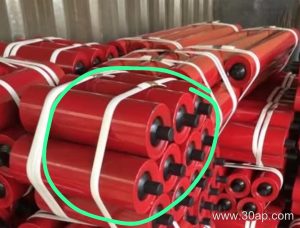
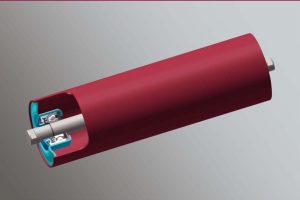
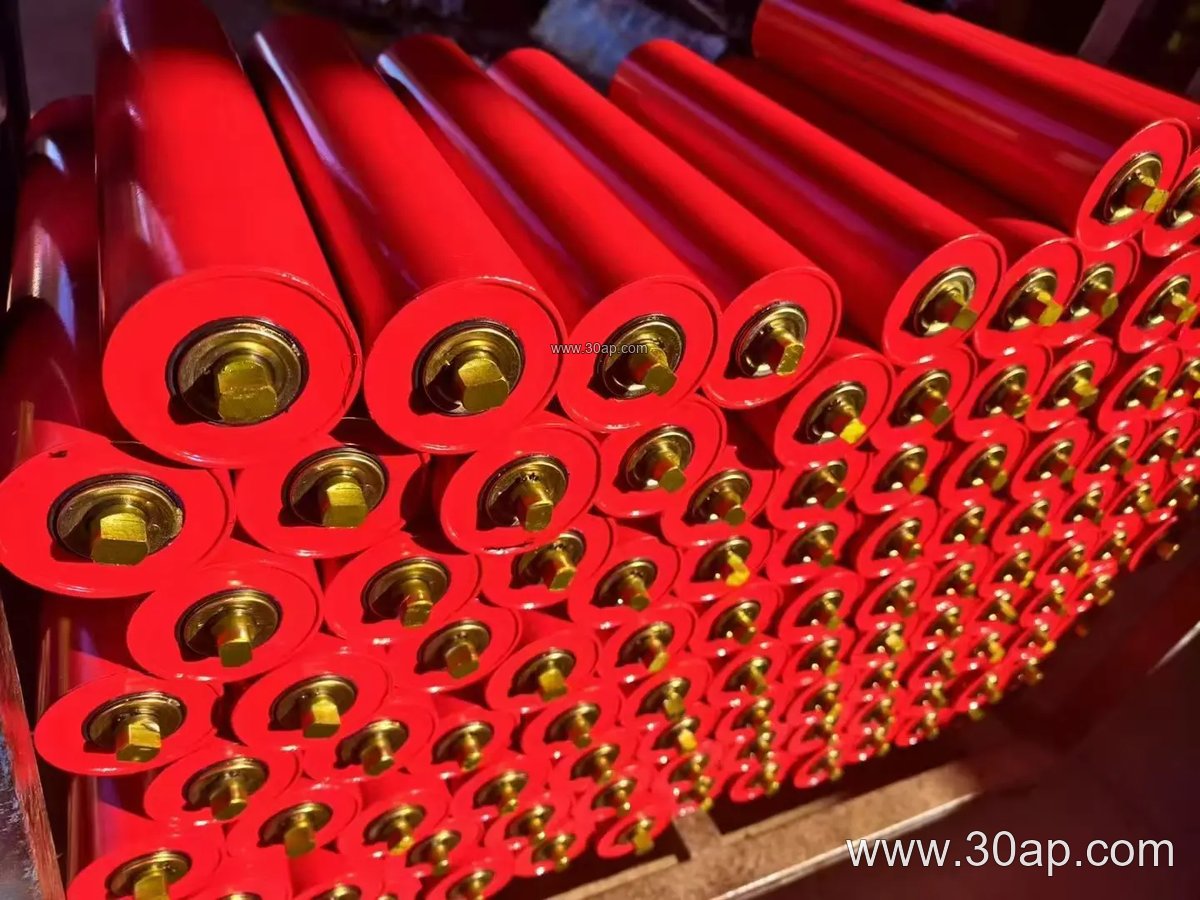
A rust-resistant idler is a conveyor idler roller built with materials and coatings that resist corrosion, extending service life in wet, humid, or chemical-laden conditions. Unlike standard steel idlers that can rust quickly when exposed to moisture, these idlers use stainless steel, galvanized steel, polymer components, or specialized coatings to protect the roller body, shaft, and bearing housing. This makes them suitable for industries such as mining, coal preparation, cement plants, power stations, and port facilities where conveyors operate outdoors or in damp, dusty environments.
Construction and Key Components
The corrosion resistance starts with the roller shell. Common options include stainless steel tubes, galvanized steel pipes, or steel shells coated with epoxy or zinc-rich paint. The shaft is often made from stainless steel or treated carbon steel, and the bearing housing uses sealed bearings to keep out moisture and contaminants. Seals are critical: multi-lip seals or labyrinth seals prevent water and fine particles from reaching the bearings. The end caps may be made of engineering plastics or coated metal. The overall design ensures that the idler can withstand washdown, high humidity, and exposure to salt air or chemical vapors.
Where Rust-Resistant Idlers Are Used
These idlers are commonly found in:
- Coal washing plants and coal handling systems where water and coal fines promote rust.
- Cement plants and limestone quarries with high dust and moisture.
- Power plant coal conveyors exposed to weather.
- Port terminals handling bulk materials in coastal environments.
- Fertilizer and chemical plants where corrosive vapors exist.
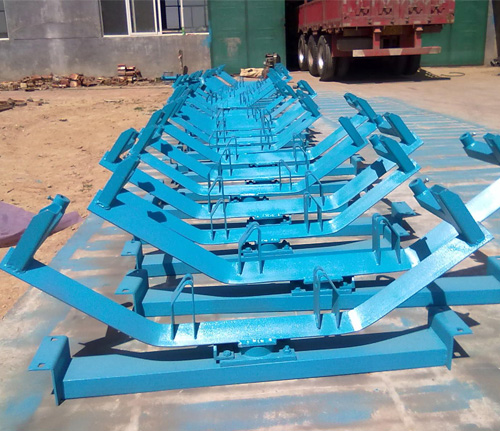
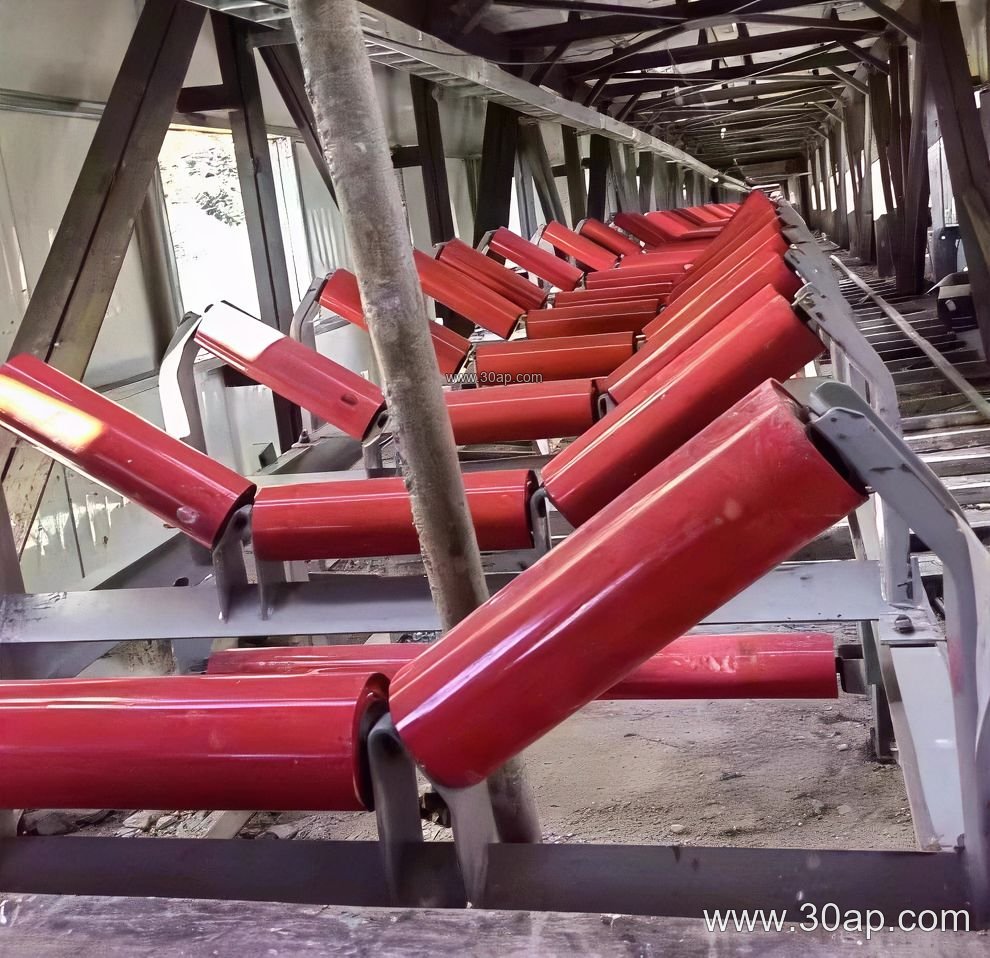
They are often used as carrying idlers, return idlers, and impact idlers in the same conveyor line, depending on the material and loading conditions. For example, a rust-resistant troughing idler set may be used on the carrying side, while a rust-resistant return idler supports the belt on the return run. In areas with heavy impact, rubber-disc impact idlers with rust-resistant frames are also available.
Common Types and Parameters
Rust-resistant idlers are available in several configurations to match the conveyor design. The table below shows typical reference values; actual selection should follow the conveyor manufacturer’s specifications.
| Parameter | Common Options |
|---|---|
| Idler type | Troughing, return, impact, self-aligning, spiral |
| Roller diameter (mm) | Ø63, Ø76, Ø89, Ø102, Ø108, Ø127, Ø133, Ø159, Ø178, Ø194, Ø219 |
| Belt width (mm) | B400, B500, B650, B800, B1000, B1200, B1400, B1600, B1800, B2000, B2200, B2400 |
| Trough angle | 20°, 30°, 35°, 45° |
| Roller surface | Steel pipe, nylon, ceramic, rubber disc |
| Bearing | 6204, 6205, 6305, 6306, 6308, 6310 |
Roller length varies with belt width and idler configuration. For example, a three-roll troughing set for B800 may use a roller length around 315 mm, while B1200 may use about 465 mm. These are typical examples, not fixed rules; side rollers and center rollers can differ.
Selection Tips for Buyers
When choosing a rust-resistant idler, consider the environment first. For coastal ports, stainless steel or hot-dip galvanized shells with sealed bearings are advisable. In coal washing plants, where moisture and fines are constant, pay attention to seal quality and housing protection. Check the roller diameter and bearing size against the load and belt speed; a larger diameter may be needed for high-speed or heavy-load conveyors. Also, confirm that the idler frame and brackets match the conveyor structure. If the conveyor uses a specific trough angle, ensure the idler set is designed for that angle to maintain proper belt support. Finally, remember that rust resistance does not mean maintenance-free: periodic inspection of seals and bearings helps prevent premature failure.
Related Equipment
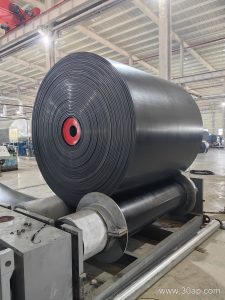
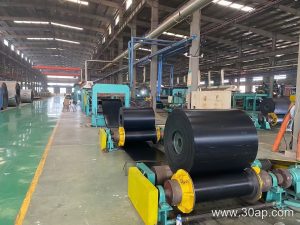
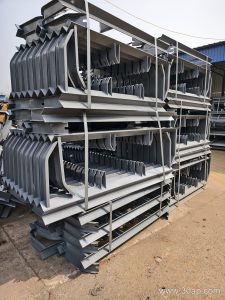
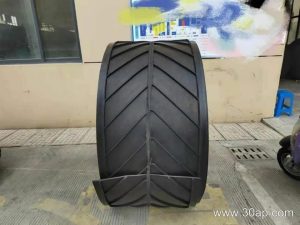
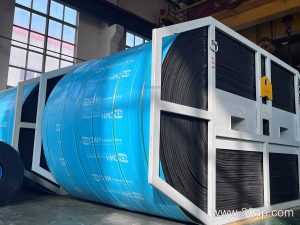
Rust-resistant idlers work alongside the conveyor belt, conveyor pulley, and conveyor bracket. While the idler supports the belt, the pulley drives or redirects it, and the bracket holds the idler in place. Choosing corrosion-resistant components for all these parts can further extend the conveyor system’s life in harsh environments.