What a Side Guide Idler Does
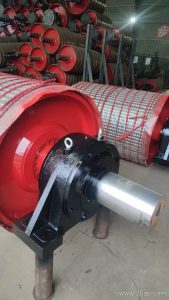
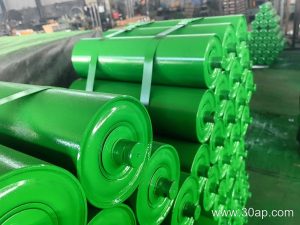
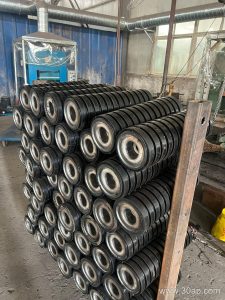
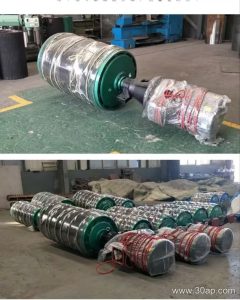
A side guide idler is a vertical or angled roller mounted along the edge of a conveyor belt to keep the belt centered and protect its edges from rubbing against the structure. Unlike a standard idler roller that supports the belt from below, this component works sideways. It is sometimes called a belt edge guide roller or vertical guide roller, and it performs a different job from a conveyor pulley, which drives or redirects the belt. Drive pulleys, tail pulleys and bend pulleys are not interchangeable with a side guide idler, and neither are troughing or return idlers.
Construction and Common Forms
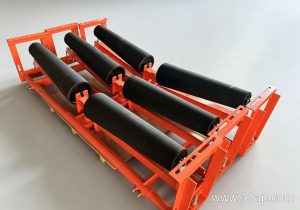
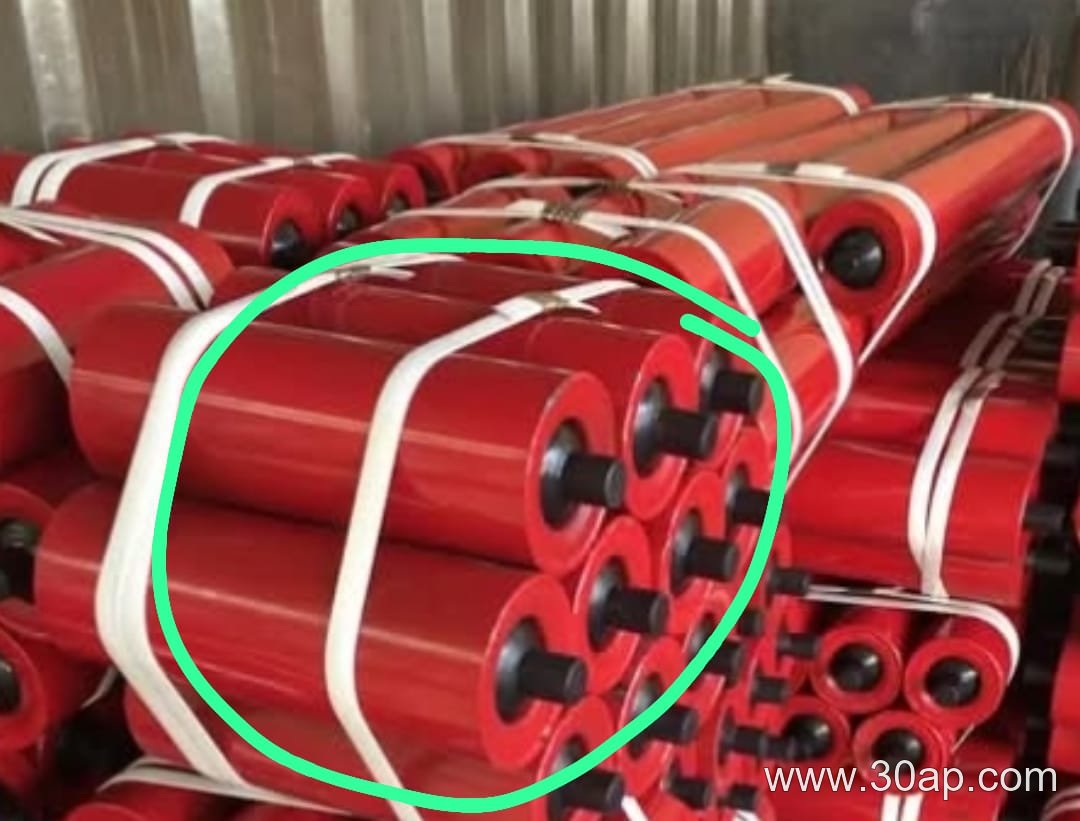
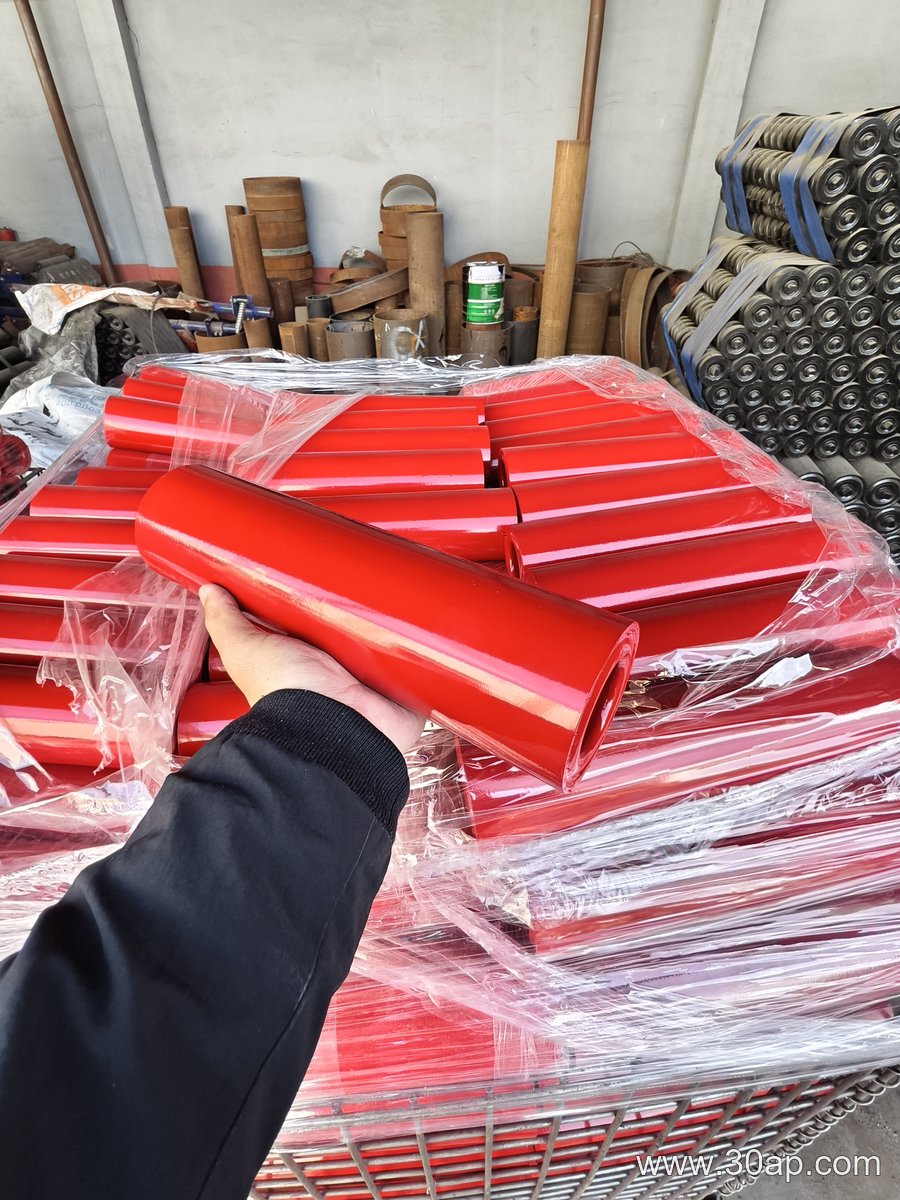
The typical unit combines a steel tube shell, a shaft, bearing housings and a mounting bracket or base plate. The roller may be plain steel, nylon, ceramic or rubber covered, depending on the application. Rubber or polyurethane surfaces are chosen when the belt edge needs extra grip or cushioning. Common roller diameters include 63 mm, 76 mm, 89 mm, 102 mm and 108 mm. Bearings often used in these sizes are 6204, 6205 or 6305, but bearing selection follows load and speed rather than roller diameter alone. Mounting can be fixed or adjustable, and a conveyor bracket may allow the roller to be moved in or out as the belt width and alignment change.
Where Side Guide Idlers Are Used
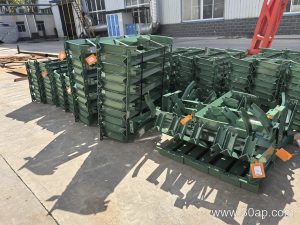
These guides appear where belt misalignment is frequent or where edge damage is costly. In a quarry or crushed stone plant, a side guide idler helps keep the belt on the frame after a transfer point. In a coal handling system at a power plant, it can reduce edge wear on long inclined runs. They are also found on mobile crushers, screening plants, tunnel conveyors and bulk material loading stations. A side guide idler is not a replacement for a self-aligning idler or a training idler; those correct tracking across the belt width, while a guide roller acts mainly at the edge.
Matching the Idler to the Conveyor
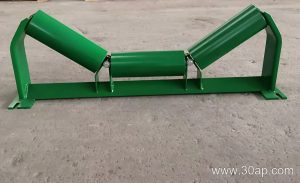
Selection starts with belt width and the space available at the edge. Common belt widths range from B400 to B2400, and the guide roller diameter and length should be chosen so the roller contacts the belt edge without interfering with the troughing idlers. Roller length is not fixed by belt width alone; it also depends on the mounting position and the belt path. A side guide idler can be used with a troughing idler set, a return idler or a flat belt, but it should not be confused with a conveyor pulley or a drive pulley. The mounting bracket must be strong enough to resist side loads, and the shaft should be protected from dust and water with a suitable seal.
Buyer Checklist
- Confirm belt width and the available space for the roller.
- Choose roller diameter and surface material based on belt edge condition and material being conveyed.
- Check that the bearing size and seal suit the environment, whether dusty, wet or abrasive.
- Verify the bracket or base plate matches the conveyor frame hole pattern.
- Ask for the roller length and shaft details, since these are not determined by belt width alone.
- Remember that a side guide idler supports tracking at the edge, while a conveyor pulley provides drive or direction change.
For maintenance, inspect the roller for free rotation, check the bracket bolts and replace the bearing if the roller develops play or noise. A worn guide roller can damage the belt edge, so keeping it aligned and turning freely is part of routine conveyor care.