Why the Conveyor Bracket Demands Your Attention
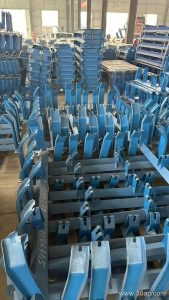
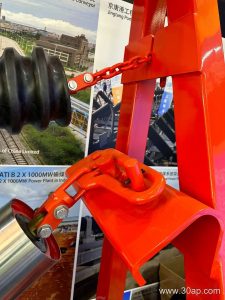
The conveyor bracket is the unsung structural anchor that aligns rollers and idlers, directly influencing belt tracking, vibration, and overall throughput. A poorly chosen bracket leads to misalignment, premature wear, and costly downtime.
Material and Coating Selection
Choose steel brackets for heavy loads and corrosive environments with hot-dip galvanizing. For food or pharmaceutical lines, opt for stainless steel to meet hygiene standards. Aluminum suits lightweight, mobile conveyors.
Load Ratings and Geometry
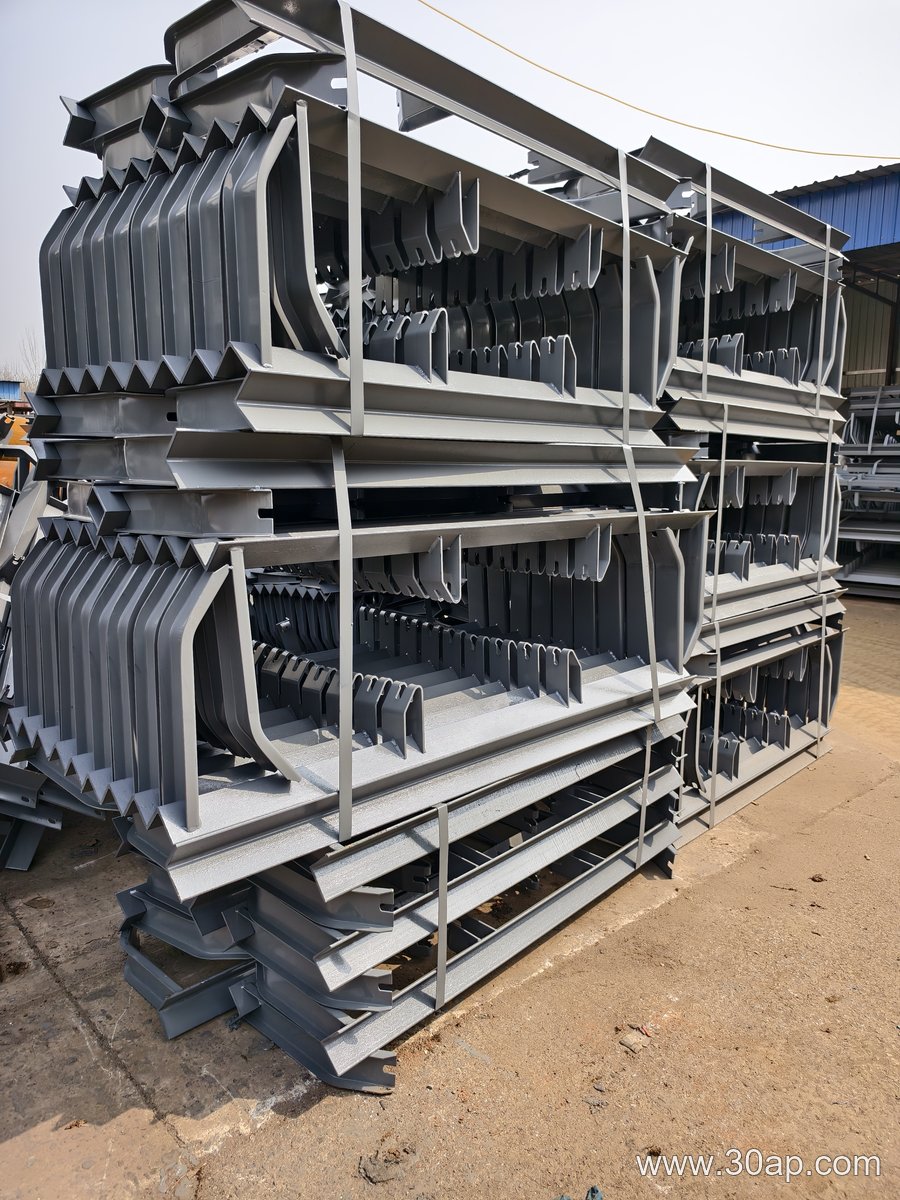
Verify dynamic load capacity against your peak belt tension. Check slot widths and bolt patterns to match existing frames. Angled brackets provide better support on inclined sections.
Purchasing Checklist
- Measure shaft diameter and center distance precisely.
- Confirm the bracket’s maximum allowable static load.
- Request samples for fit testing before bulk orders.
- Compare weld vs. bolt-on types regarding maintenance access.
Installation and Maintenance Tips
Torque bolts to spec to prevent loosening from vibration. Lubricate pivot points quarterly. Inspect for cracks or corrosion every six months—replace before failure occurs.
Conveyor Belt Selection: Beyond the Rubber Surface
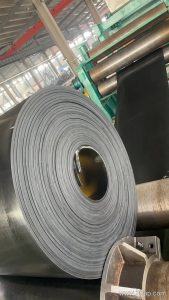
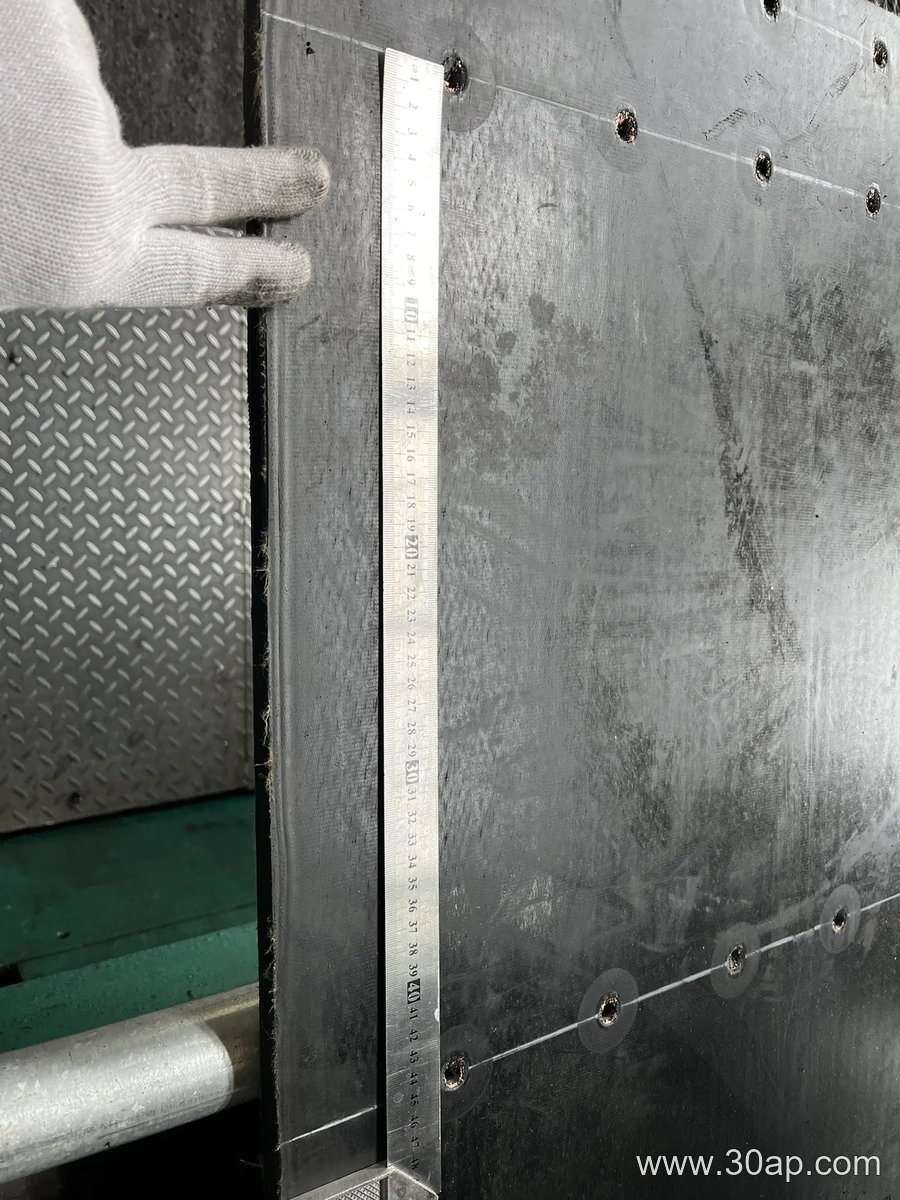
The conveyor belt is the unsung workhorse of modern material handling. Its core function is simple—moving product—but its engineering demands precision. A poorly chosen belt causes downtime, product damage, and costly maintenance.
Key Factors to Evaluate
- Material composition: Rubber resists abrasion; PVC suits food handling; steel cord handles high tension.
- Load and speed: Calculate peak load per meter and belt speed to avoid overstretching or slipping.
- Environment: Oil, heat, or sharp edges require specialized covers—mono-ply or multi-ply constructions.
Purchasing Advice for Longevity
Always request splice kits and tension data from the manufacturer. Measure your existing belt’s thickness and width accurately—never guess. For inclined systems, choose a cleated belt to prevent rollback. Finally, check the belt’s minimum pulley diameter against your drive pulley to prevent premature cracking.
Why the Right Idler Roller Determines Belt Life and Uptime
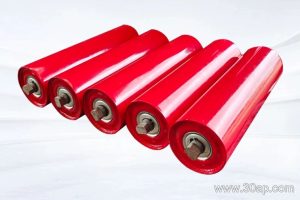
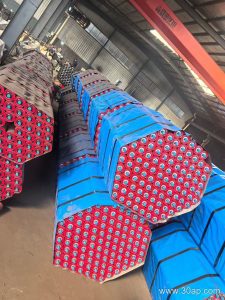
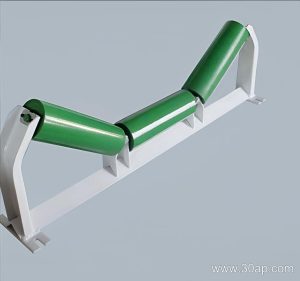
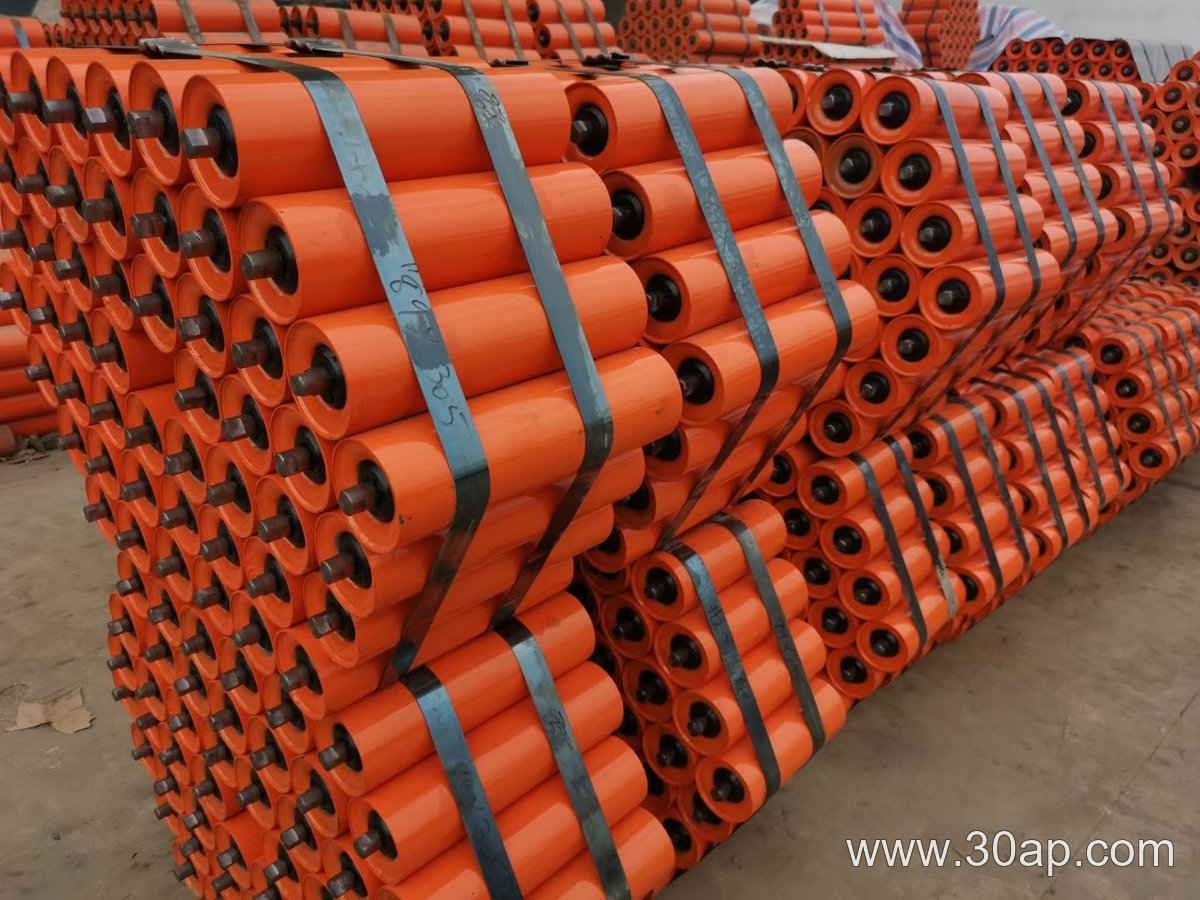
The idler roller is the unsung hero of any bulk material handling line. It supports the belt, shapes the load, and absorbs impact—yet a single misaligned or under-spec roller can cause belt wander, premature wear, and costly downtime. For plant managers and procurement engineers, selecting an idler roller is not a commodity purchase; it is a strategic decision.
Key Selection Criteria for Industrial Idler Rollers
- Load rating vs. actual belt speed: Always match the roller’s dynamic load capacity to your maximum tonnage per hour, not just the static belt weight.
- Sealing and environmental resistance: Choose labyrinth seals for dusty or wet conditions, and contact seals only in clean, dry indoor applications.
- Shell thickness and material: Heavy-duty steel (≥4 mm) resists abrasion; HDPE or rubber-coated shells minimize material build-up and noise.
- Bearing quality and misalignment tolerance: Look for self-aligning bearings with C3 clearance to handle frame deflection without seizing.
Purchasing Advice to Avoid Common Failures
Ask your supplier for the roller’s radial run-out tolerance (ideally ≤0.7 mm) and verify that the shaft end machining matches your frame’s mounting brackets. Request a sample for a 48-hour test under full load. Also, confirm that spare rollers are available with the same bearing brand—mixing brands leads to uneven wear. Finally, compute the life-cycle cost: a slightly higher upfront price for a roller with a thicker shell and better seals often pays back in reduced replacement frequency and lower belt damage.
Conveyor Pulley Fundamentals
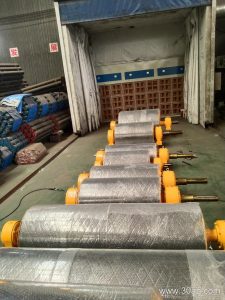
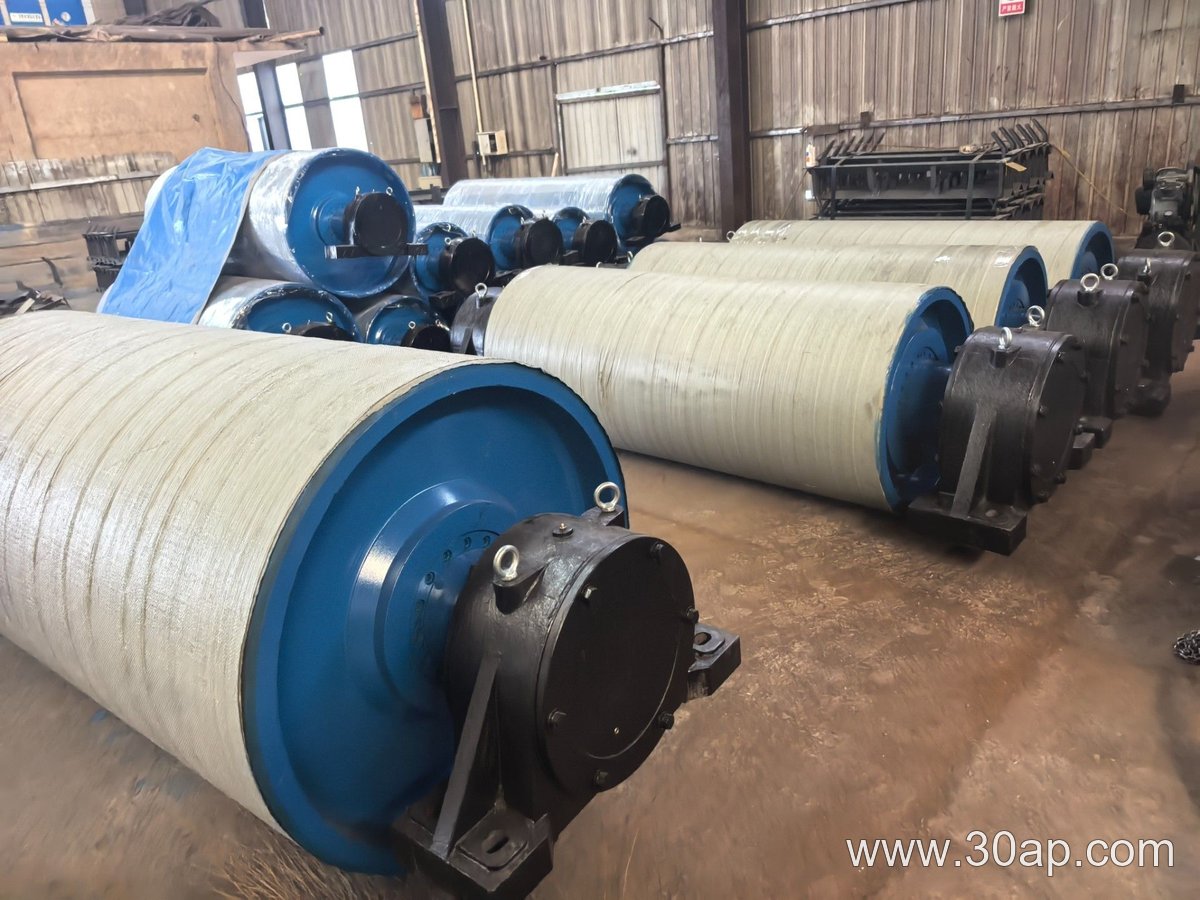
The conveyor pulley is the mechanical heart of any belt conveyor system, transferring drive torque and maintaining belt tension. Choosing the wrong unit leads to slippage, misalignment, and premature belt failure.
Key Selection Criteria
- Face width must exceed belt width by at least 150–200 mm to prevent edge wear.
- Diameter should be matched to belt type, splice method, and required wrap angle.
- Lagging (rubber or ceramic) improves friction and reduces material buildup.
Shaft and Bearing Considerations
Verify shaft deflection limits under peak load—use a low-deflection design for heavy-duty applications. Sealed spherical roller bearings extend service life in dusty environments.
Purchasing Advice
- Request a dynamic balancing report for speeds above 3 m/s.
- Specify crown profile (flat, 0.5°, or trapezoidal) based on belt tracking needs.
- Choose hot-vulcanized lagging over cold-bonded for higher durability.
- Always check hub locking mechanism compatibility with your drive arrangement.
Invest in a pulley with a proven finite element analysis (FEA) design—this prevents weld fatigue and shell cracking, ensuring decades of dependable operation.