What EP1250 Conveyor Belt Means in Practice
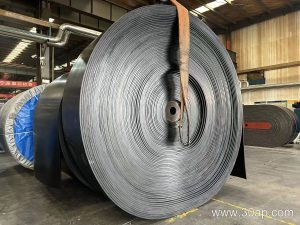
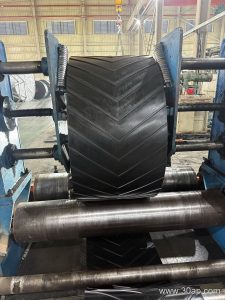
An EP1250 conveyor belt is a multi-ply rubber belt built on an EP fabric carcass. The “EP” stands for polyester warp and nylon weft, a combination widely chosen because it limits stretch in the length direction while absorbing impact across the width. The number 1250 refers to the nominal tensile strength of the carcass, usually expressed in newtons per millimeter of belt width. In everyday plant language this product is often called an EP1250 belt or a 1250 kN/m EP conveyor belt. It is one step in a strength family that also includes EP200, EP315, EP400, EP500, EP630, EP800, EP1000, EP1600 and EP2000, so it sits in the upper-middle range rather than at the very top.
That position matters. A belt with this rated strength is selected when the duty is heavier than light package handling but the conveyor is not an extreme overland or high-tension installation. It is a workhorse specification for bulk materials where the carcass must resist fatigue, keep splices stable, and tolerate reasonably long center distances without excessive take-up travel.
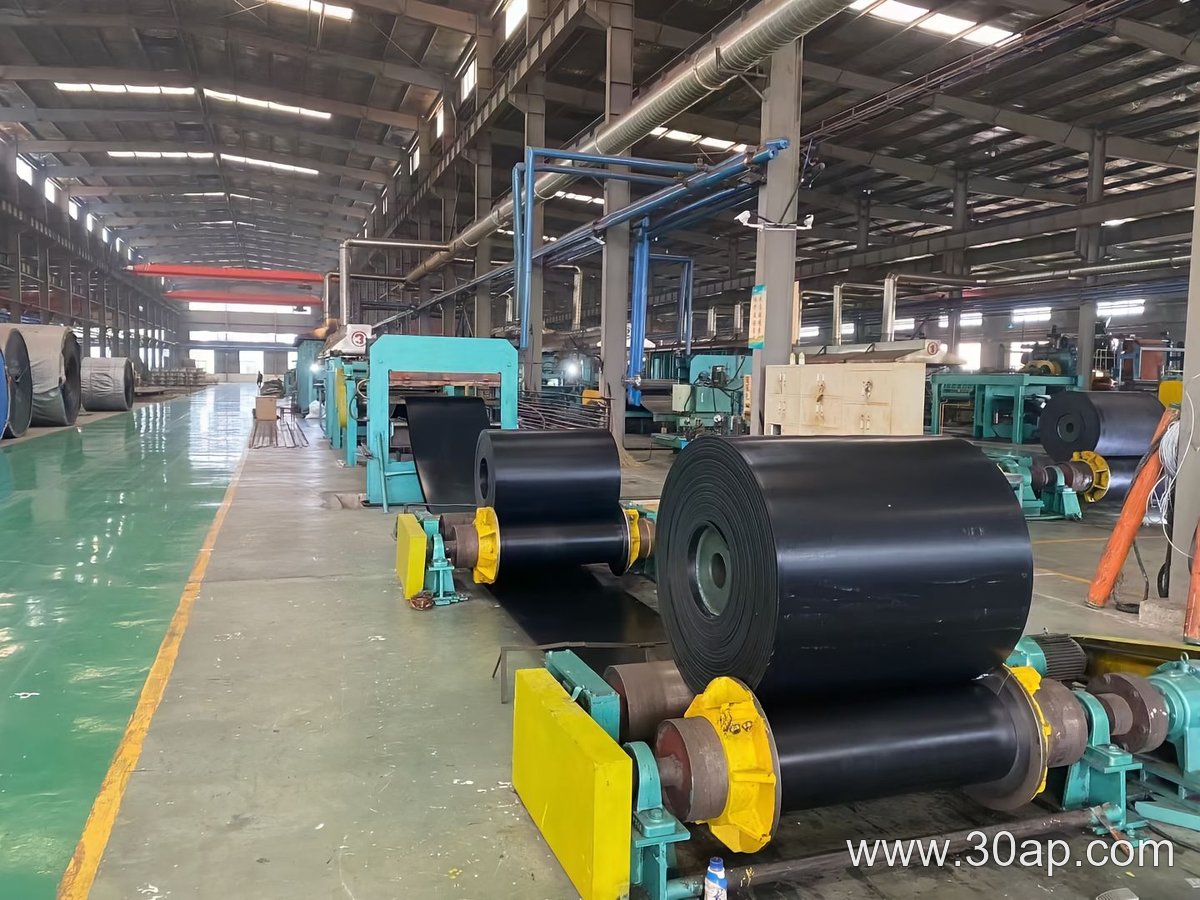
How the Belt Is Built
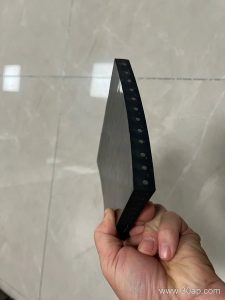
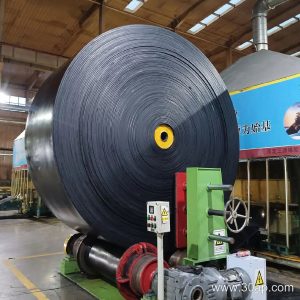
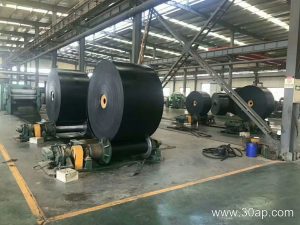
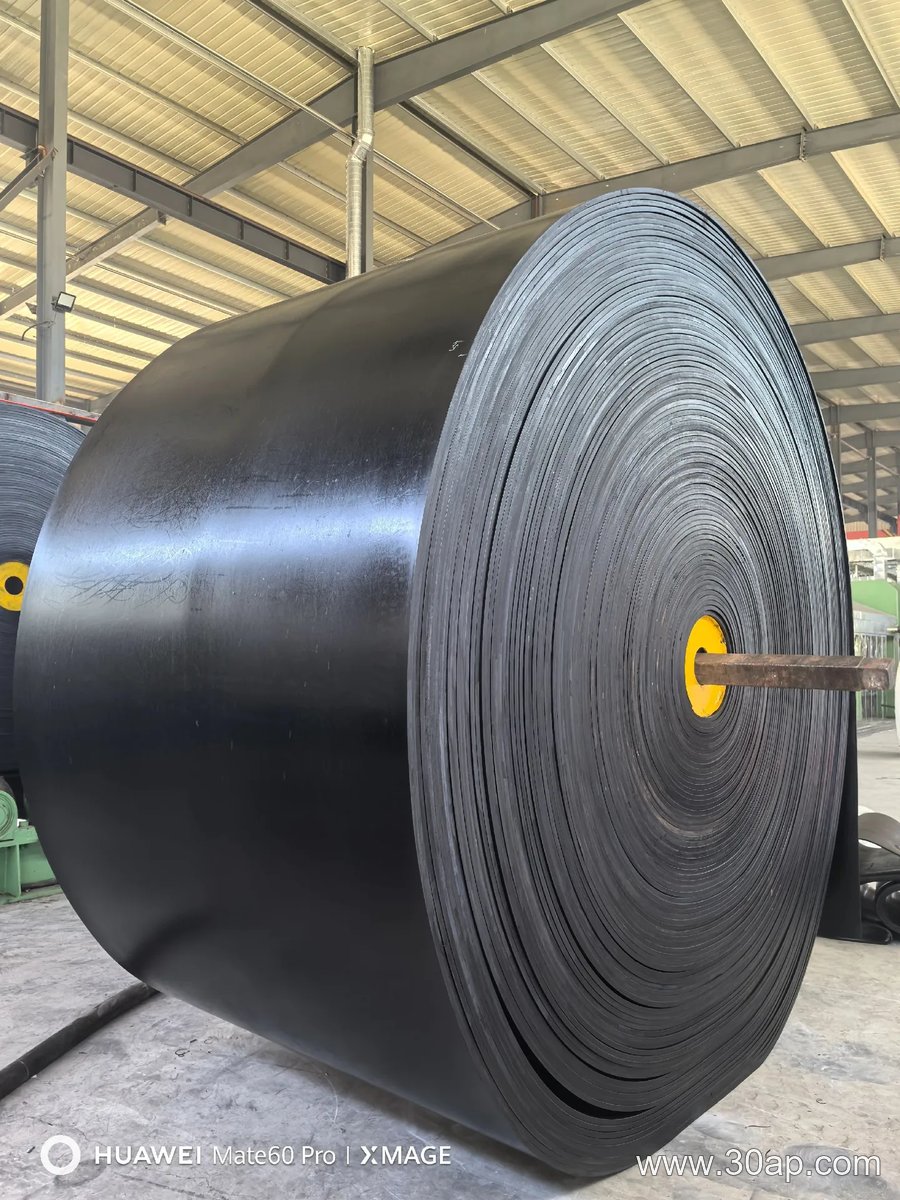
The construction follows the standard layered approach. Several plies of EP fabric are bonded together with rubber skim compound, then covered on both sides with rubber covers. Typical carcass builds run from two to six plies depending on the required strength and the belt width. A belt of this strength class generally uses a multiple-ply carcass rather than a single heavy ply, because the layered structure spreads impact loads and helps the belt track predictably.
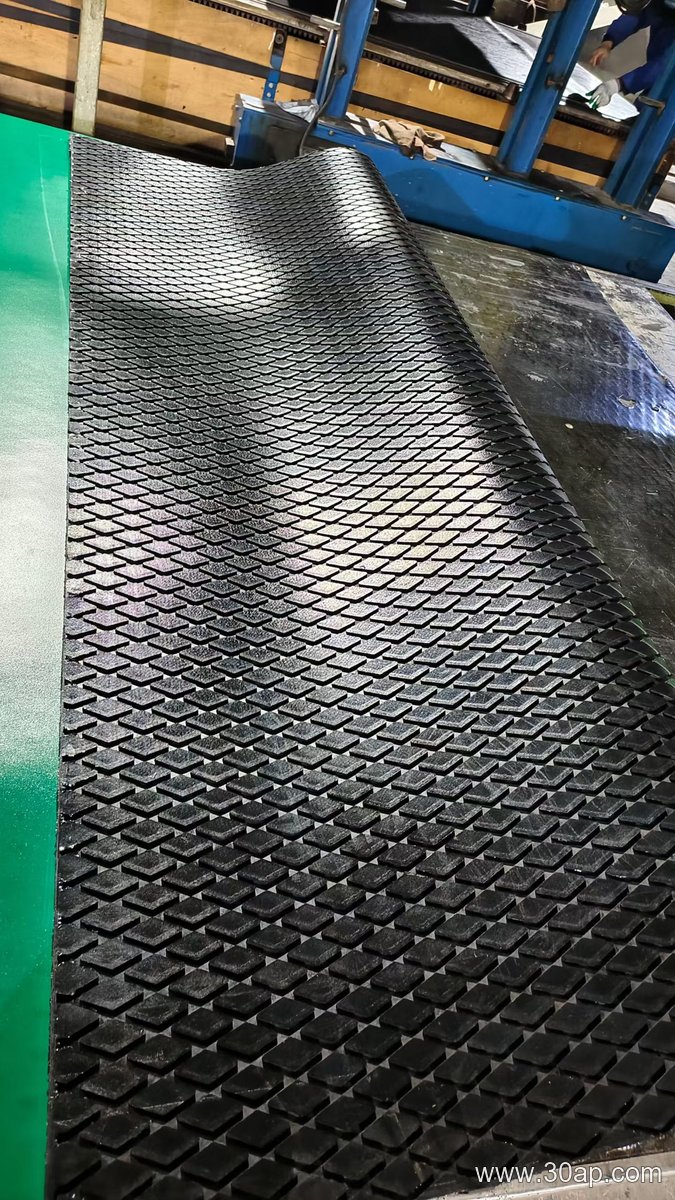
Cover thickness is chosen to suit the material being carried. Common cover grades include 3+1.5 mm, 4+2 mm, 5+2 mm, 6+2 mm and 8+3 mm, where the first figure is the top cover and the second is the bottom cover. A coal or aggregate conveyor might use a thicker top cover for abrasion, while a belt running over small pulleys may keep the bottom cover thinner to remain flexible. Compound selection is separate from strength: abrasion-resistant, heat-resistant, oil-resistant, flame-retardant, antistatic, cold-resistant and acid-alkali-resistant versions are all available in this carcass class. The buyer should treat the strength rating and the cover specification as two independent decisions.
Where It Is Used
This belt class appears in crushed stone plants, sand and gravel operations, cement lines, coal preparation, fertilizer handling, and general bulk transfer stations. It moves material on troughed conveyors, on stackers and reclaimers, and on medium-duty ship loaders. It is also found in recycling and biomass plants where the feed is mixed and somewhat unpredictable.
Because the carcass is not the stiffest available, it works well on conveyors with moderate pulley diameters and normal transition distances. It is less suited to very high-tension, long single-flight overland systems, where a steel cord belt would normally be preferred. It is also not the right answer for tiny package conveyors, where a light PVC or PVG belt is usually more economical. The comparison is useful only to show the position of the EP1250 belt; it does not replace the main subject.
Specifying Width and Pulley Geometry
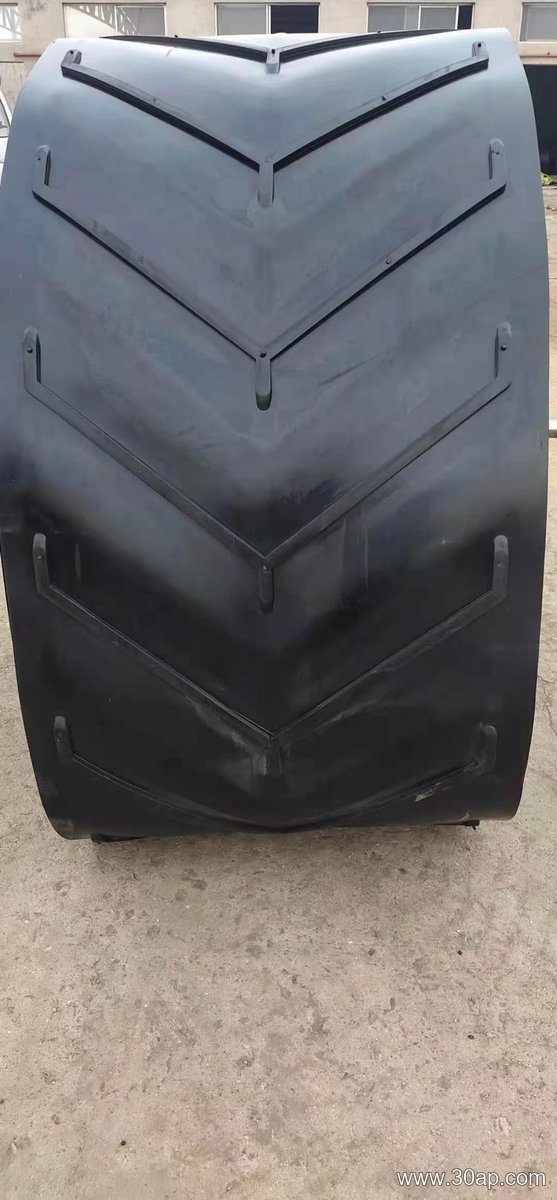
Belt width is chosen from the material size, the required capacity, and the troughing angle. Reference widths in this product family include B500, B650, B800, B1000, B1200, B1400, B1600, B1800 and B2000. A 1250 kN/m carcass can be supplied across a range of these widths, but the width itself does not dictate a single pulley diameter. Pulley sizing depends on the number of plies, the cord tension, the required belt life and the space available. Drive pulleys, tail pulleys and bend pulleys each have their own minimum diameter rules, and they are not interchangeable terms. A tail pulley at the loading end is usually smaller than a drive pulley at the head, and a bend pulley is selected for the angle it turns, not for the belt width alone. For the same reason, shaft diameter cannot be derived from belt width by itself; it follows from torque, bending load and bearing selection.
Selection and Buyer Checklist
- Confirm the actual maximum belt tension, not just the nominal strength class. The EP1250 rating is a reference value, and different manufacturers may publish slightly different figures.
- Match the cover grade to the material: abrasive, hot, oily, or otherwise. A strong carcass with the wrong cover will still fail early.
- Check the ply count and cover thickness against the pulley diameters on the conveyor. Thick belts need larger pulleys to avoid ply separation.
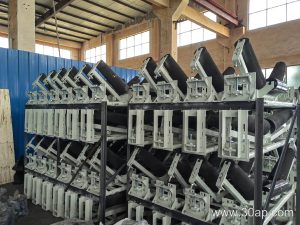
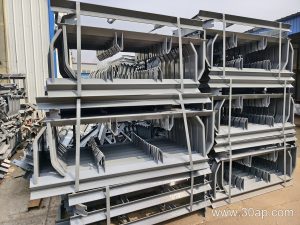
- Review the loading point. Impact idlers, skirt rubber and a suitable conveyor bracket arrangement reduce edge damage and extend belt life.
- Verify the splice method. Properly stepped and vulcanized splices preserve the rated strength far better than mechanical fasteners on a belt of this class.
- Account for the environment. Cold, UV, oil mist or static risk may require a specific compound even when the strength class is unchanged.
Installation and Maintenance Notes
Correct alignment starts with the structure. Idler roller frames should be square to the belt line, and the conveyor pulley faces should be parallel. A belt that mistracks is usually responding to a mechanical problem rather than a manufacturing defect. During operation, watch for edge wear, cover gouging and exposed fabric. Once fabric shows, moisture and grit enter the carcass and ply separation follows quickly.
Keep the belt reasonably clean and avoid over-tensioning. Excessive take-up travel shortens splice life and can pull the belt out of its designed elongation range. Periodic inspection of the drive pulley lagging, the tail pulley and every bend pulley helps catch problems before they damage the belt. Store spare belts on a dry, level surface, away from direct sunlight and ozone sources, and rotate stock so the oldest belt is used first.
For most buyers, the sensible approach is to treat the EP1250 conveyor belt as a defined strength class, then work outward: choose the cover compound, the ply build, the width and the splice to match the conveyor. The rating is a starting point, not a complete specification, and the final selection should always come from the belt supplier working with the actual conveyor design data.