What an EP800 Conveyor Belt Is
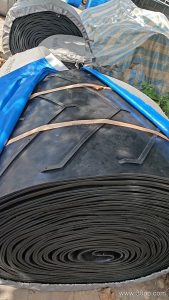
An EP800 conveyor belt is a polyester-cotton (EP) fabric-reinforced rubber belt with a nominal tensile strength of 800 N/mm. It sits in the middle-to-upper range of the EP series, above EP630 and below EP1000, which makes it a practical choice for main haulage lines where loads are steady but not extreme. The same product is also called an EP800 rubber conveyor belt or simply an 800-grade EP belt.
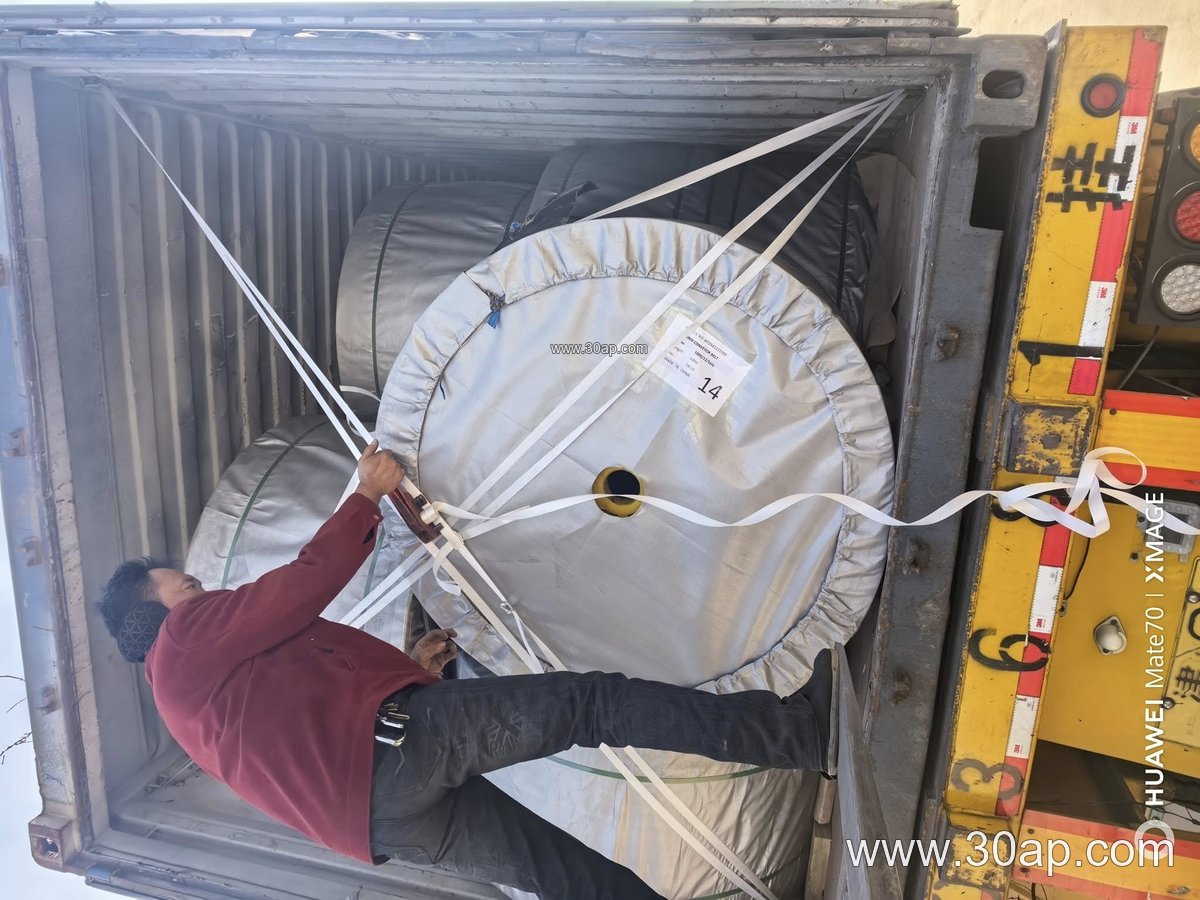
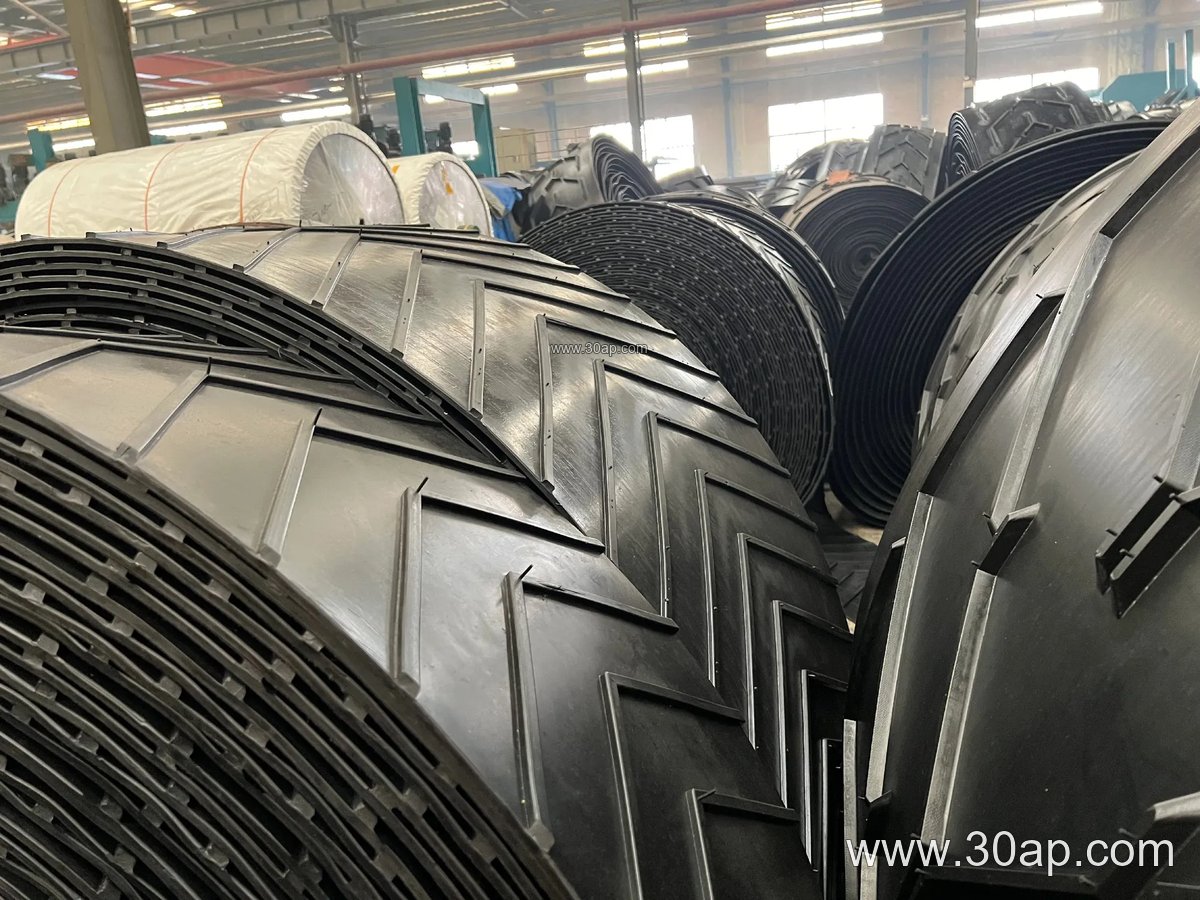
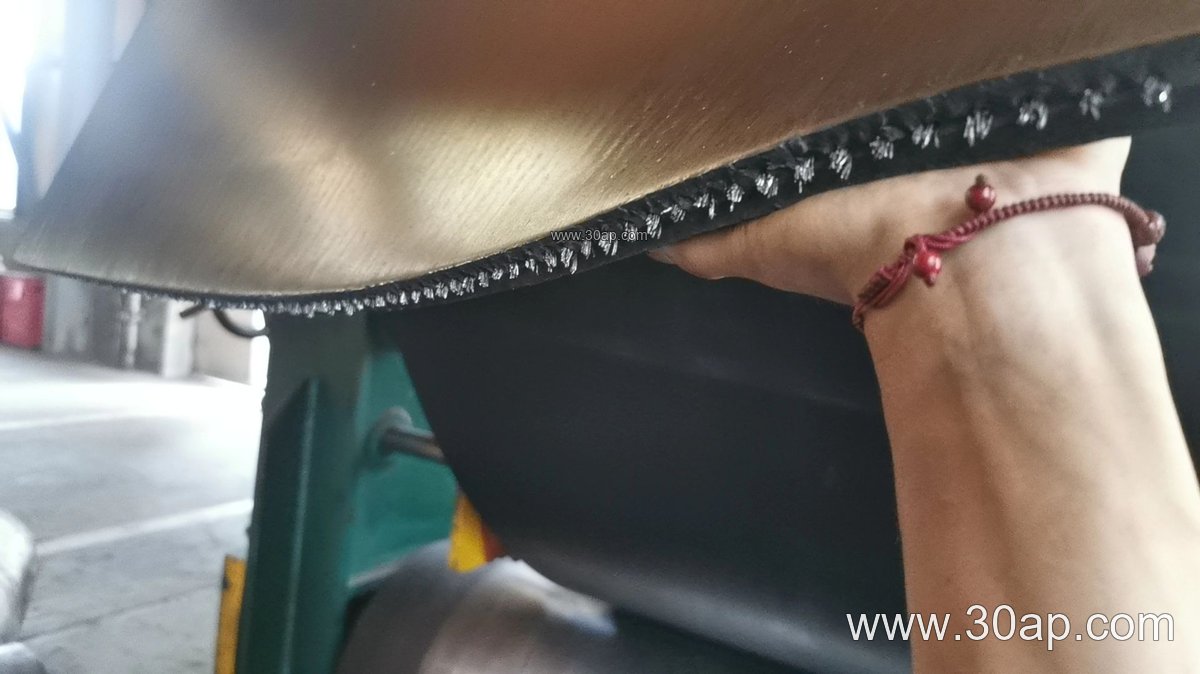
The belt is built around multiple plies of EP fabric, usually two to six layers depending on the duty, bonded with rubber skim and covered on both faces with abrasion-resistant rubber. EP fabric stretches less than cotton canvas and holds splices well, so the belt keeps its length under tension and tracks more predictably on long conveyors.
Construction and Common Specifications
Buyers usually specify strength, width, ply count and cover thickness together. The figures below are common reference values, not fixed combinations. Final dimensions are set by the conveyor design and confirmed with the manufacturer.
| Parameter | Common reference values |
|---|---|
| Strength grade | EP800 (other grades in the series run from EP200 to EP2000) |
| Belt width | B500, B650, B800, B1000, B1200, B1400, B1600 |
| Cover rubber | 3+1.5 mm, 4+2 mm, 5+2 mm, 6+2 mm, 8+3 mm |
| Fabric plies | Typically 2 to 6 layers |
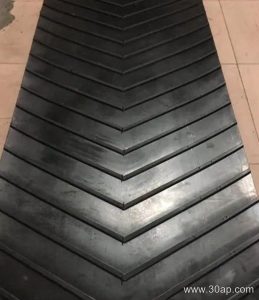
| Surface forms | Plain, abrasion-resistant, heat-resistant, oil-resistant, flame-retardant, antistatic, cold-resistant, acid and alkali resistant, ribbed or chevron patterned |
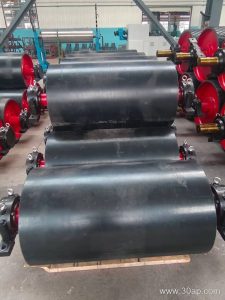
A wider belt does not dictate one pulley diameter, and belt width alone does not define shaft size. Drive pulley, tail pulley and bend pulley dimensions each follow their own load and wrap-angle calculations, and those three pulley roles are not interchangeable.
Where It Fits in the Plant
The EP800 grade appears in mines and coal preparation plants, cement kilns and clinker lines, power station coal yards, sand and gravel pits, and bulk terminals handling crushed rock, ore, limestone and similar abrasive material. It suits primary and secondary haulage conveyors that run continuously and carry moderate impact at the loading point.
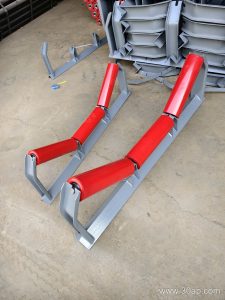
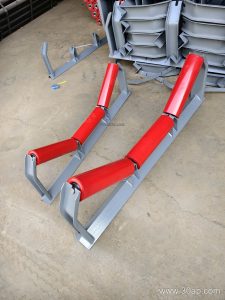
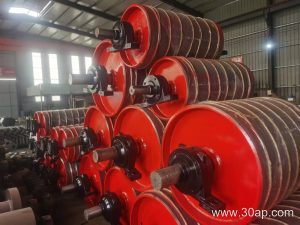
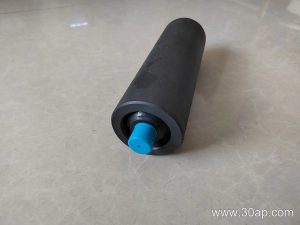
On these conveyors the belt works with idler rollers that support the carrying and return strands, conveyor pulleys at the head and tail, and conveyor brackets that hold the idlers and frame together. Belt, rollers and pulleys form one system, so belt grade and roller spacing should be chosen together rather than separately.
Selection Points for Buyers
- Check the real tension demand. Confirm that EP800 matches the calculated working tension with a sensible safety margin, and step up to EP1000 or higher only if the duty requires it.
- Match the cover to the cargo. Abrasive rock calls for a thicker abrasion-resistant cover, hot clinker needs a heat-resistant compound, and coal or grain handling in enclosed areas often calls for flame-retardant and antistatic properties.
- Consider the environment. Cold climates, oily cargo and acidic or alkaline dust each point to a different cover compound.
- Plan the splice. Ply count and fabric type affect splice length and cure time, so agree on the joint method before the belt is ordered.
- Think about pattern only when needed. Chevron or ribbed surfaces help on inclines, but a plain surface is easier to clean and is usually enough on flat runs.
Installation and Maintenance Notes
Correct alignment at installation prevents most edge damage. Keep the belt centered through the loading zone, check that idler rollers turn freely, and inspect pulleys for build-up that can misalign the belt. Re-tension and re-check the splice after the first weeks of running, then inspect covers for cuts and worn edges at regular intervals. A small repair on an EP800 belt is far cheaper than replacing a full length, so routine inspection pays for itself.
When ordering, give the supplier the conveyor duty, belt width, cover thickness, ply requirement and any special surface or compound needs. Those details let the manufacturer confirm an EP800 conveyor belt that fits the specific line rather than a generic stock item.