What a Quarry Conveyor Belt Does
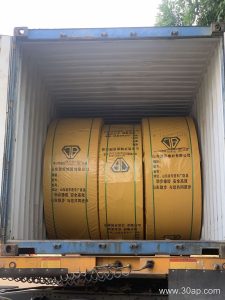
A quarry conveyor belt is the continuous load-carrying surface that moves crushed rock, sand, gravel and screened aggregate between the pit, stockpiles and processing plant. In a sand and gravel yard it may run short, steep transfer sections; in a limestone or cement quarry it often covers long distances from the primary crusher to the secondary stage. The belt works together with the frame, idler rollers, conveyor pulleys and conveyor brackets, but the belt itself is the wear part that contacts the material.
Because quarry duty is abrasive and often wet or dusty, the cover compound and carcass matter as much as the width. A belt chosen for a coal mine may not suit sharp granite, and a belt for a cement plant handling hot clinker needs a different heat rating from one moving washed sand.
Construction of a Quarry Conveyor Belt
Most quarry belts are fabric-reinforced or steel-cord reinforced. The carcass gives tensile strength and troughability, while the top and bottom covers protect it from cutting, impact and moisture. Common carcass types include EP conveyor belt (polyester/nylon), NN nylon belt and steel cord belt for high tension and long center distances.
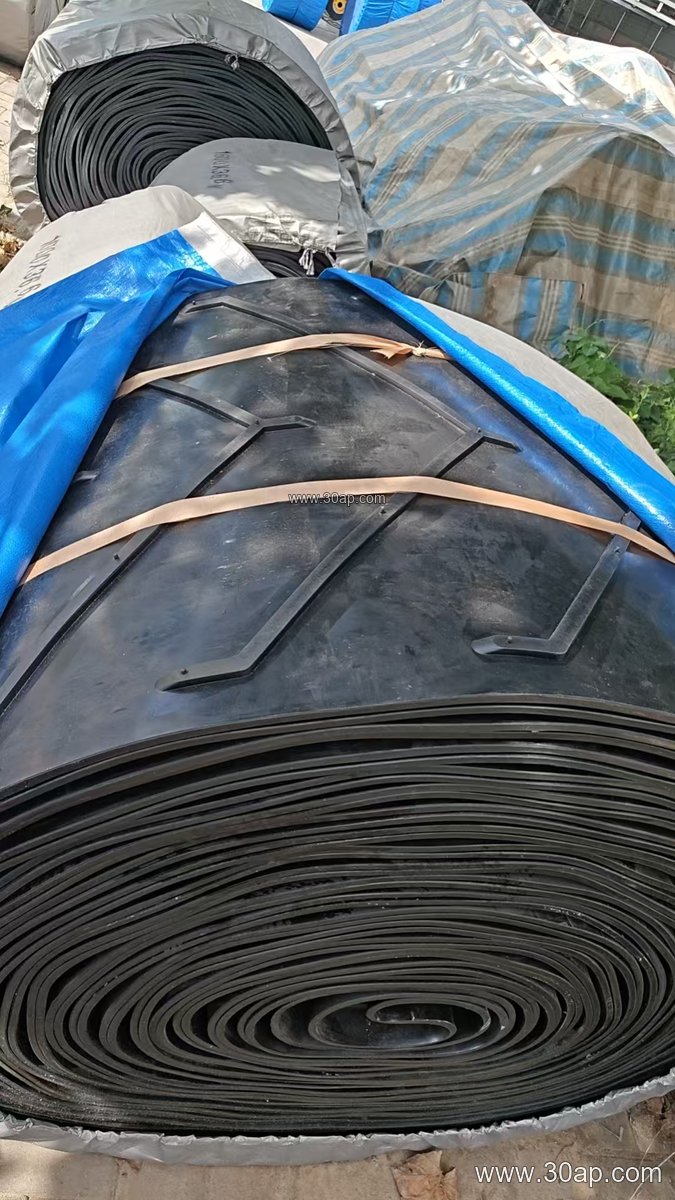
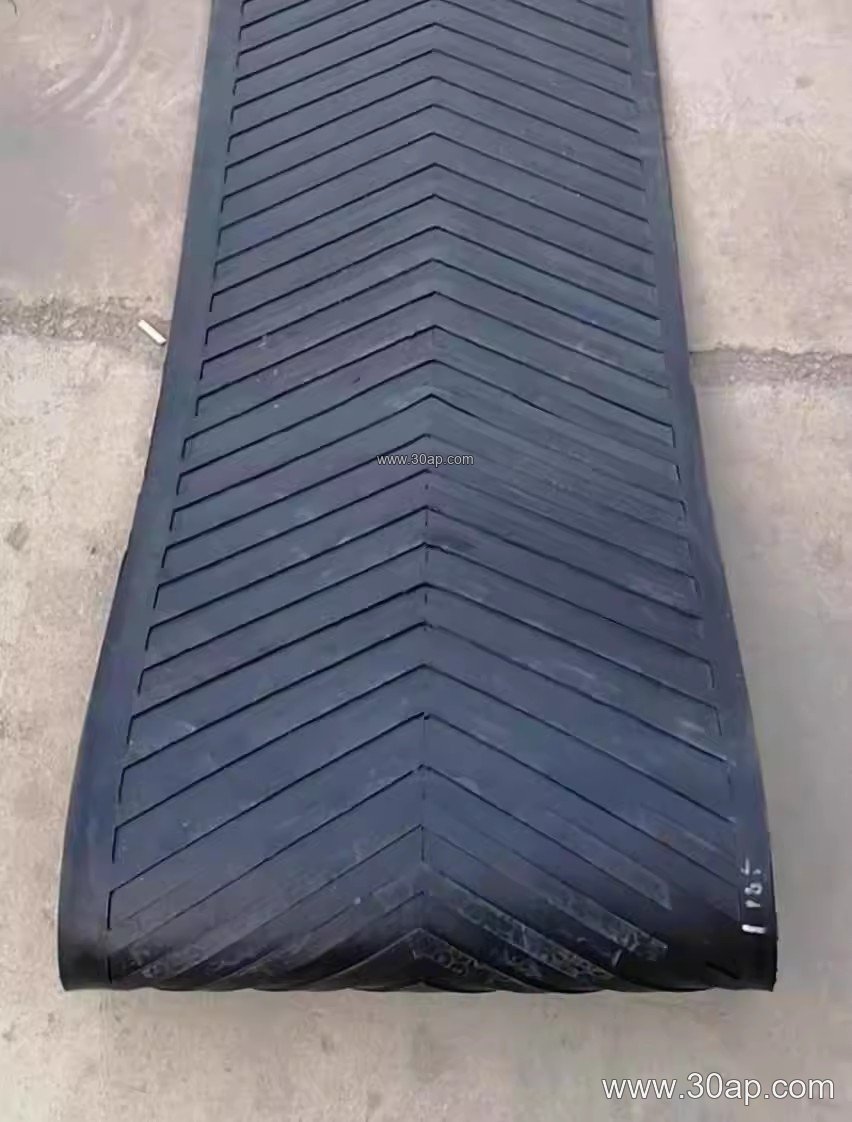
Cover grades are selected by duty: abrasion-resistant rubber for crushed stone, heat-resistant grades near dryers or clinker, oil-resistant covers around lubricated equipment, and flame-retardant or anti-static grades where the site requires them. Cold-weather quarries may specify a cold-resistant compound, while wet washing plants sometimes use PVC or PVG belting for lighter sections. Patterned surfaces such as herringbone or chevron belts help on inclines, and corrugated sidewall belts contain material on steep, space-limited routes.
Typical Reference Data
The values below are common reference ranges, not fixed supply promises. Final choice depends on tension, lump size, incline and site conditions.
| Parameter | Common options |
|---|---|
| Belt type | EP, NN nylon, steel cord, PVC, PVG, abrasion-resistant, heat-resistant, flame-retardant, chevron |
| Tensile strength | EP200, EP315, EP400, EP500, EP630, EP800, EP1000, EP1250, EP1600, EP2000 |
| Belt width | B500, B650, B800, B1000, B1200, B1400, B1600, B1800, B2000 |
| Cover thickness | 3+1.5, 4+2, 5+2, 6+2, 8+3 mm |
| Carcass plies | Usually 2 to 6 layers for fabric belts |
Belt width and pulley diameter are matched by conveyor design, not by a single fixed rule. A wider belt does not automatically require one specific pulley size, and shaft diameter is calculated from load and pulley geometry rather than belt width alone.
Where Quarry Belts Are Used
These belts appear across mining, coal preparation, cement plants, power stations, sand and gravel pits and aggregate yards. In a quarry they typically handle primary crushed rock, screen oversize, manufactured sand and stockpile feed. Mobile and portable conveyors use shorter belts, while fixed plant conveyors may run several hundred meters and need steel cord construction.
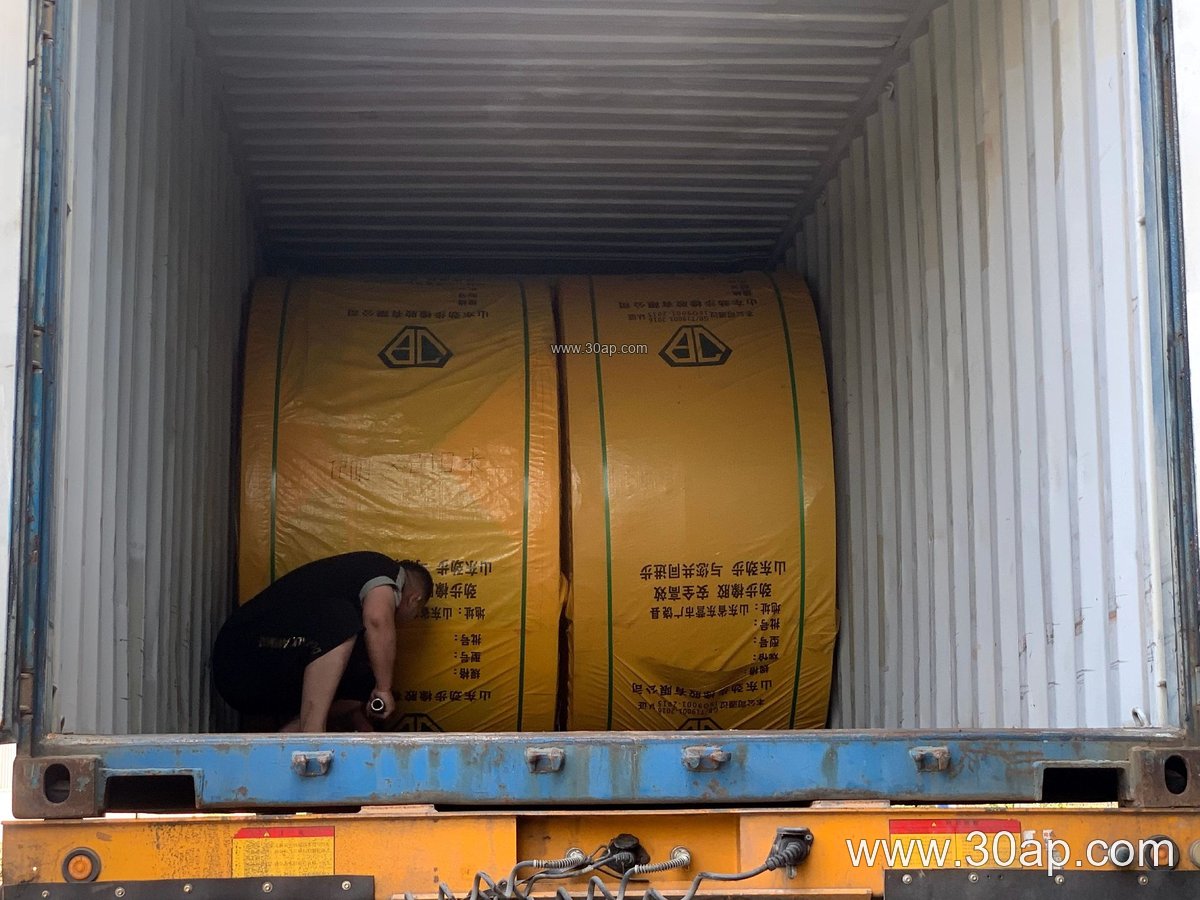
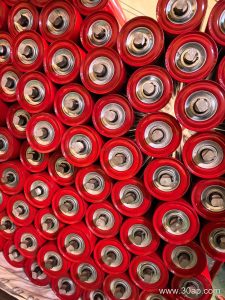
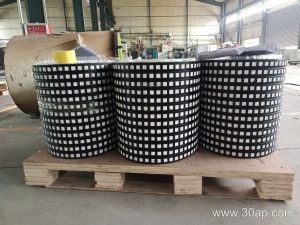
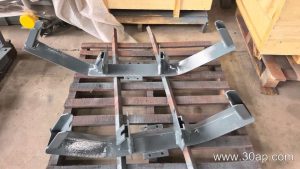
The surrounding hardware is just as important. Troughing idler rollers support the loaded strand, return rollers carry the empty side, and conveyor pulleys at the drive, tail and bend positions redirect and tension the belt. A bend pulley changes direction; a drive pulley transmits power; a tail pulley sets the return end. These are distinct components and are not interchangeable in function or specification.
Buyer Checklist Before Ordering
- Material and duty: rock type, lump size, moisture, temperature and any oil or chemical exposure.
- Tension and length: center distance, incline and expected tons per hour determine carcass strength and whether steel cord is needed.
- Width and speed: confirm the belt width fits the existing frame, chute and pulley face, and that speed suits the transfer points.
- Cover grade: choose abrasion, heat, oil, flame or cold resistance according to the actual site, not a generic default.
- Surface form: smooth for flat runs, chevron or herringbone for inclines, sidewall for steep confined routes.
- Splice and edge: decide between mechanical and vulcanized splicing and confirm edge protection for sharp material.
- Supporting parts: check idler roller spacing, pulley condition and conveyor bracket alignment so a new belt is not damaged by worn hardware.
Installation and Maintenance Notes
Correct tracking starts with square frames, aligned pulleys and evenly spaced idlers. A quarry belt should be inspected for cover cuts, edge fraying and splice wear, especially after heavy impact at the crusher discharge. Keeping material centered and avoiding overload reduces spillage and premature cover wear. When replacing a belt, check the drive, tail and bend pulleys for buildup and worn lagging, and confirm that the new belt matches the original tension and cover specification.
A well-matched quarry conveyor belt, supported by sound idler rollers, pulleys and brackets, keeps aggregate moving with fewer stoppages in demanding mining, cement and sand plant environments.