What an Idler Bracket Does on a Conveyor
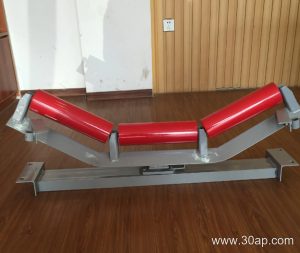
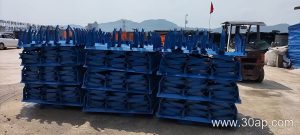
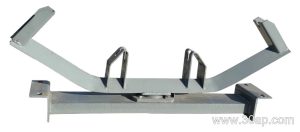
An idler bracket, also called a conveyor bracket or idler support bracket, is the structural component that holds the idler roller in the correct position along the conveyor frame. It maintains the trough angle of the carrying idlers, supports the return idlers, and keeps the conveyor belt running true. Without a properly aligned bracket, the belt may mistrack, spill material, or wear unevenly. In quarry, limestone, and cement operations, these brackets are often exposed to dust, moisture, and heavy loads, so their design and material matter.
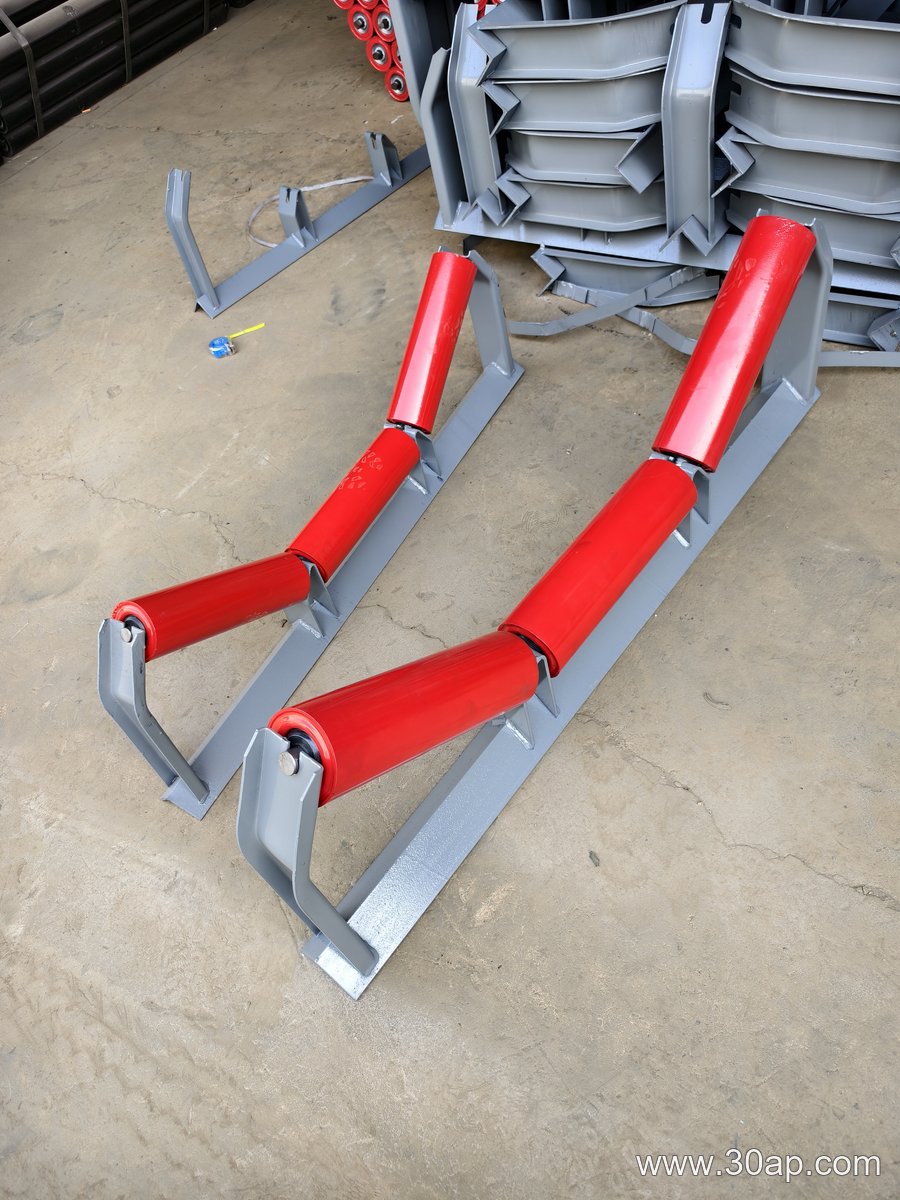
Common Types and Their Roles
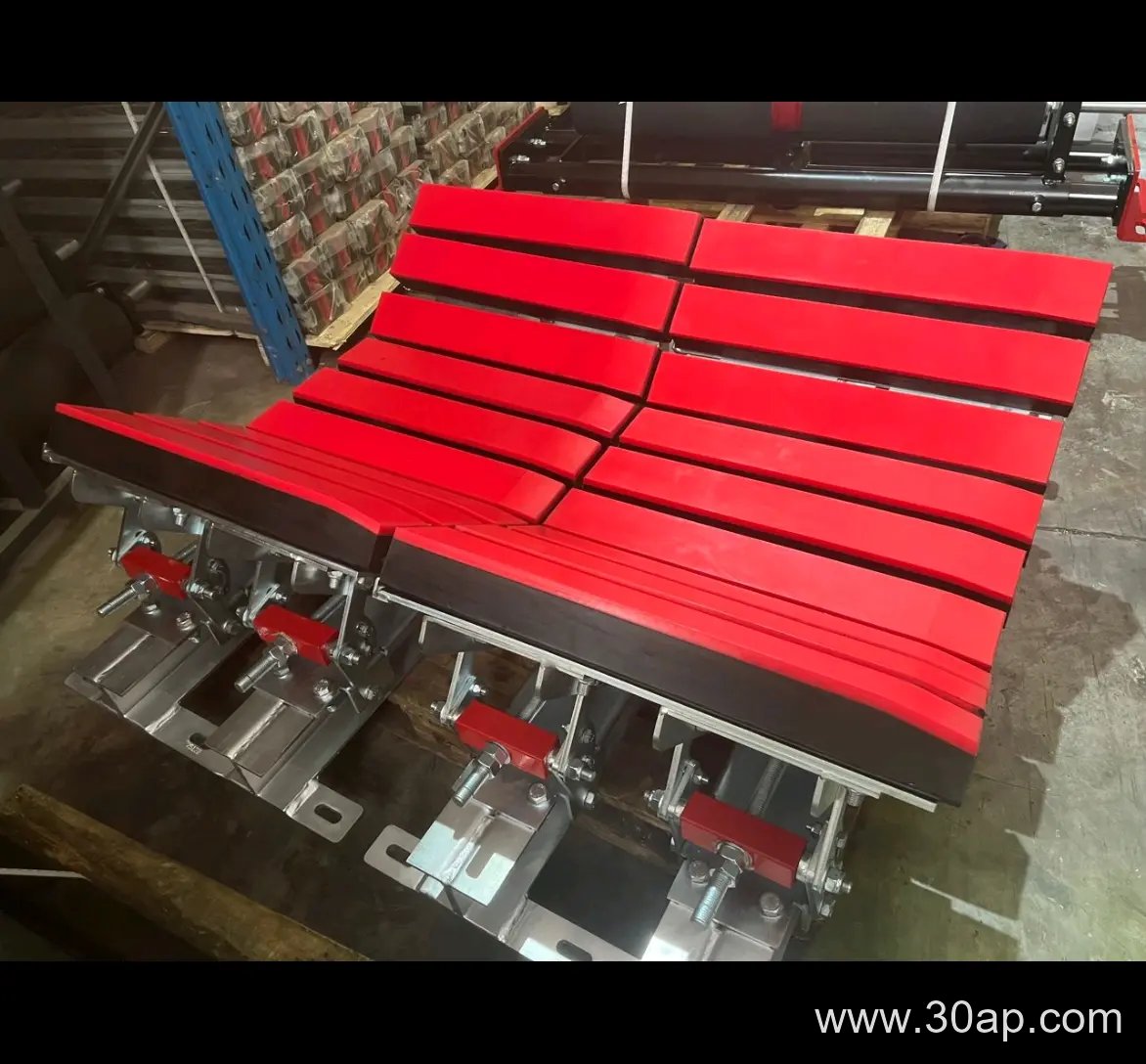
Several bracket styles exist, each matched to a specific position and function. The troughing bracket, or troughing idler bracket, supports the three-roller arrangement that shapes the belt into a trough. The transition bracket sits near the head or tail pulley, easing the belt from flat to troughed. Return brackets carry the empty belt, while V-return and flat-return brackets handle different belt paths. Impact brackets sit under loading zones and absorb shock, and self-aligning brackets help correct belt wander. Adjustable brackets allow the trough angle to be changed on site.
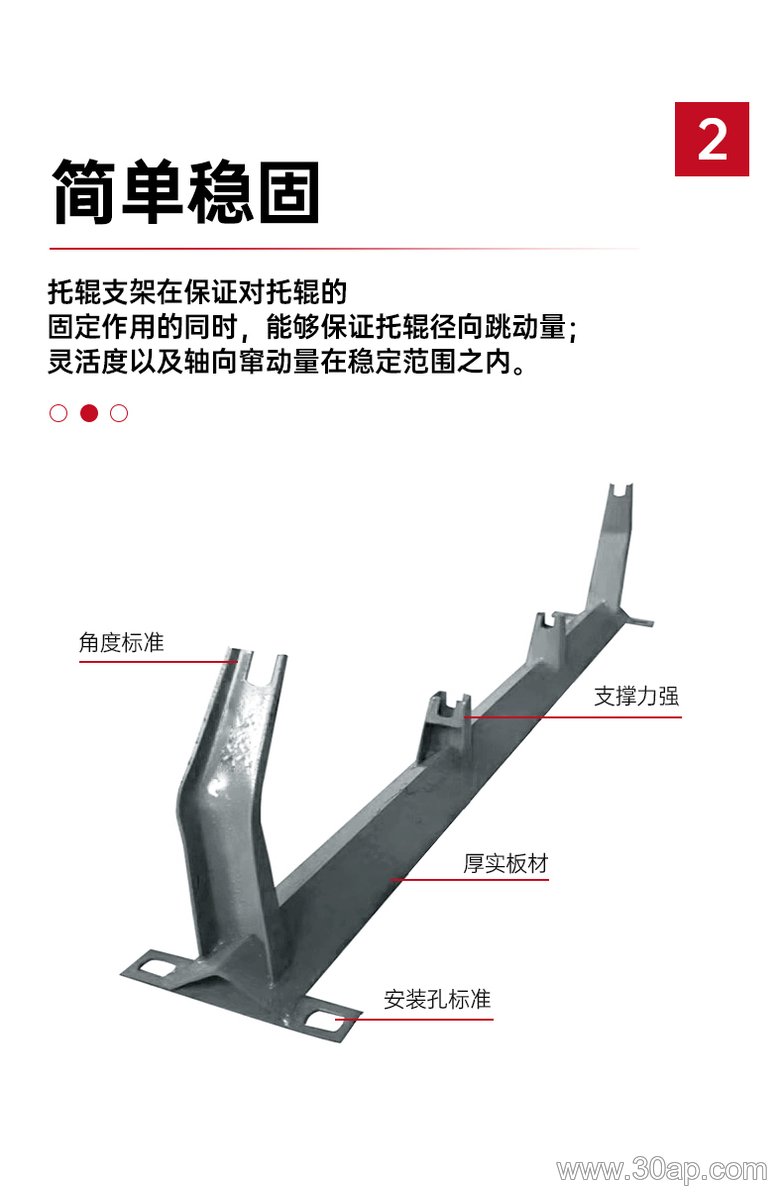
Quick Comparison of Bracket Types
| Type | Typical Position | Primary Function |
|---|---|---|
| Troughing bracket | Carrying side | Forms the belt trough |
| Transition bracket | Near pulleys | Gradual belt shaping |
| Return bracket | Return side | Supports empty belt |
| Impact bracket | Loading zone | Shock absorption |
| Self-aligning bracket | Carrying side | Belt tracking correction |
Materials and Construction
Most idler brackets are made from angle steel, channel steel, or folded steel plate. The choice depends on load, belt width, and environmental conditions. Heavier gauges are common in iron ore and coal handling, while lighter folded designs may suit sand and gravel lines. Welded or bolted construction affects installation speed and field adjustability. The bracket must resist bending and corrosion, especially in wash plants and ports where moisture is present.
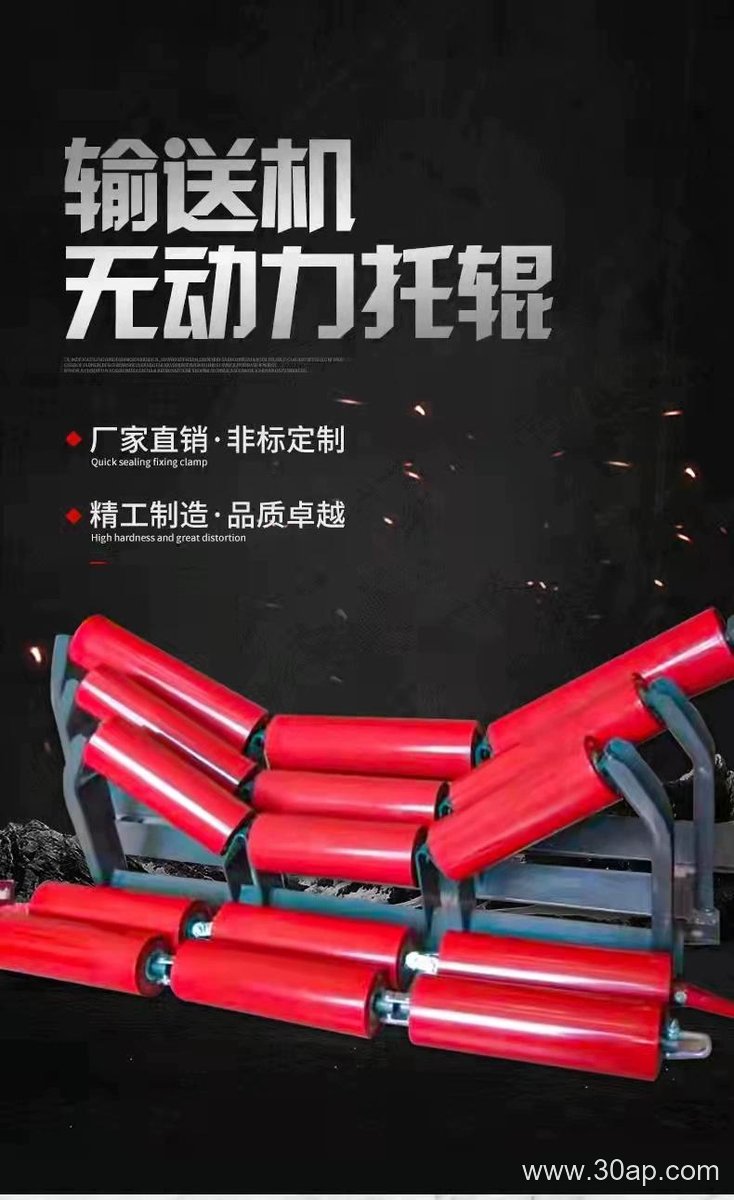
Matching Bracket to Belt Width and Roller Diameter
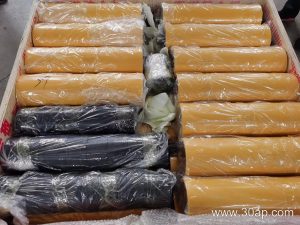
Bracket dimensions are not universal. The mounting hole spacing, crossbeam length, and trough angle are usually determined by the conveyor design. Common belt widths include B500, B650, B800, B1000, B1200, B1400, B1600, B1800, B2000, and B2200. Roller diameters often range from Ø89 to Ø194. A bracket for B800 may accept a 35-degree trough angle with Ø108 rollers, while a B1200 conveyor might use a 45-degree angle with Ø133 rollers. These are examples, not fixed rules. One belt width can work with different roller diameters and trough angles depending on the application. The shaft diameter is not derived from belt width alone; it comes from the roller and bracket design.
Where Idler Brackets Are Used
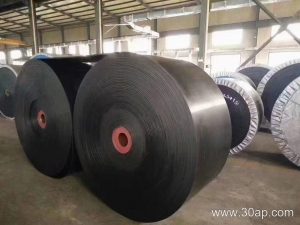
You will find these brackets in coal mines, cement plants, power station coal handling, iron ore concentrators, and limestone quarries. They also appear in tunnel muck removal, fertilizer plants, and grain silos. In each setting, the bracket works with the conveyor belt, idler roller, and conveyor pulley to keep material moving. The drive pulley, tail pulley, and bend pulley are not interchangeable with idler brackets, but they all belong to the same conveyor system and must be compatible.
What Buyers Should Check
- Confirm the bracket type matches the position: troughing, return, transition, impact, or self-aligning.
- Verify belt width and roller diameter compatibility, not just the bracket model number.
- Check the trough angle range if adjustability is needed. Adjustable brackets often cover 20, 30, 35, and 45 degrees.
- Review material and finish for the environment: dusty, wet, or corrosive.
- Ask about mounting hole spacing and crossbeam length, as these vary with belt width and trough angle.
- Consider forward tilt if belt training is a concern; common forward tilt is about 1.5 to 2 degrees.
Choosing the right idler bracket is about matching the bracket to the conveyor layout, the belt, and the idler roller. A bracket that fits well will reduce downtime and keep the belt running smoothly in demanding industries such as mining, cement, and power generation.