What a Return Idler Does on a Conveyor
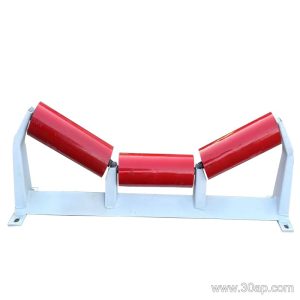
A return idler is the roller that supports the empty side of a conveyor belt on its way back to the tail pulley. While the carrying side may use three-roll troughing sets with a 20° or 35° trough angle, the return run often relies on a single flat roller or a V-shaped assembly to keep the belt tracking straight and prevent sag. In a coal mine, cement plant, or aggregate quarry, this component is easy to overlook until it fails and the belt starts rubbing against the frame. The return idler is not a drive pulley or a bend pulley; those parts transmit power or change belt direction, while the return idler simply carries the belt and reduces friction.
How a Return Idler Is Built
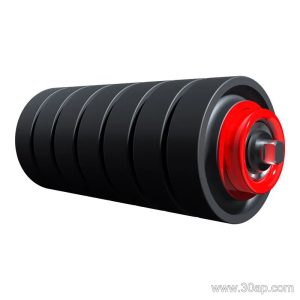
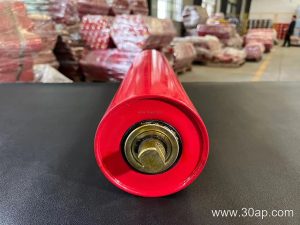
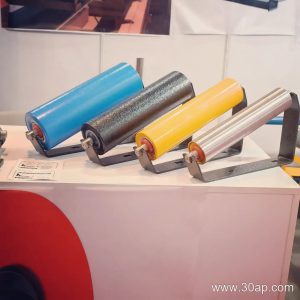
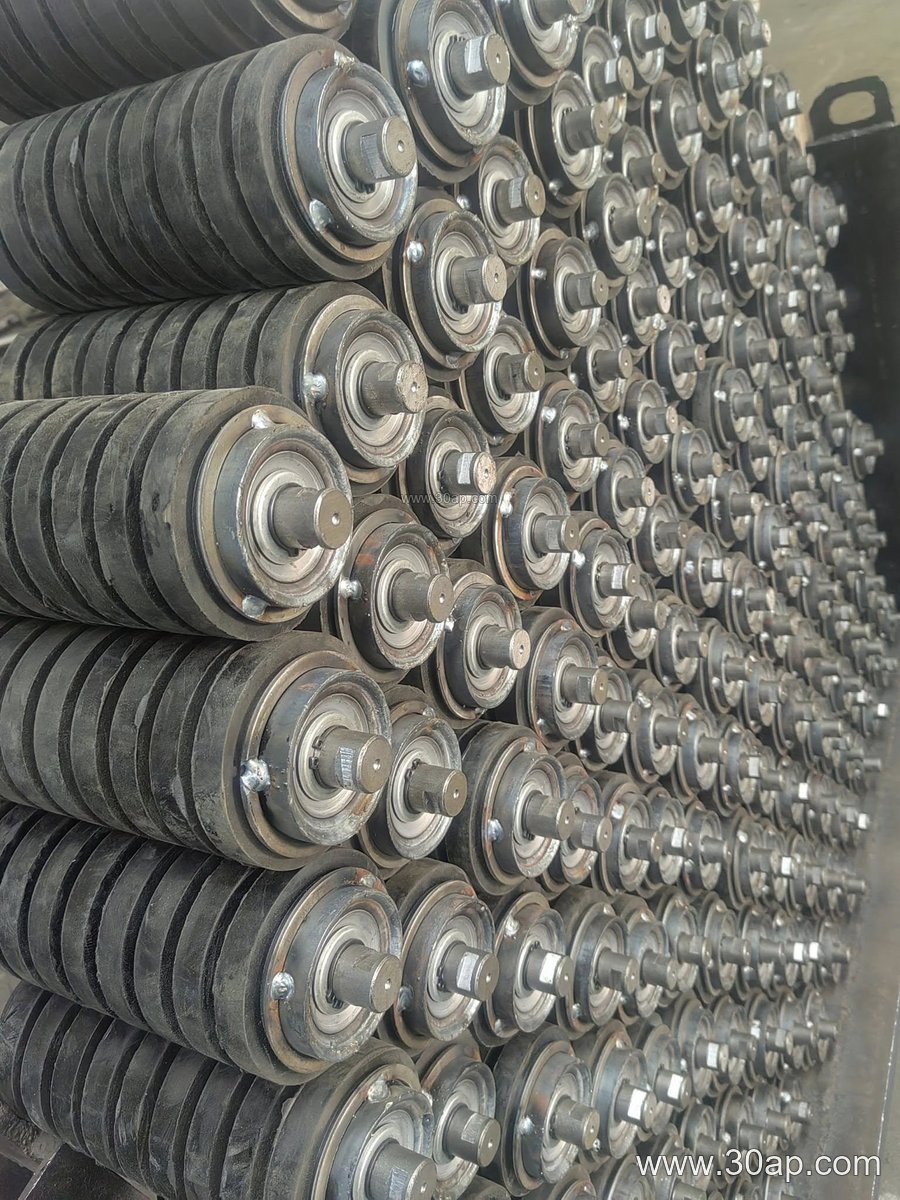
Most return idlers share a common construction. A steel tube forms the roller shell, with bearing housings pressed into each end. Common bearing sizes include 6204, 6205, 6305, 6306, 6308, and 6310, matched to the shaft and load requirements. The shaft extends through the roller and is held by a conveyor bracket on each side. Seals protect the bearings from dust, water, and fine particles—critical in coal handling, limestone crushing, and power plant coal yards. Roller surfaces may be plain steel, nylon, ceramic, or rubber-covered, depending on the material and environment. For sticky or wet materials, a spiral return idler can help shed buildup, while a rubber disc return roller absorbs impact and reduces noise.
Common Types and Where They Fit
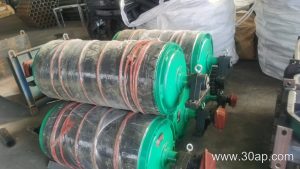
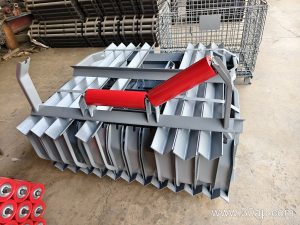
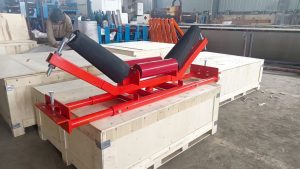
The main subject here is the return idler, and it comes in several forms. A flat return idler uses a single roller across the belt width. A V-shaped return idler uses two rollers set at an angle to center the belt, which is common on long overland conveyors in iron ore or copper mines. A spiral return idler has a helical surface to reduce material accumulation. A rubber disc return roller is often chosen in crushing and screening plants where the belt carries abrasive rock. These are all subtypes of the return idler. For comparison, a troughing idler is used on the carrying side, and a impact idler is used at loading points—neither replaces the return idler role.
Typical Dimensions and Selection Factors
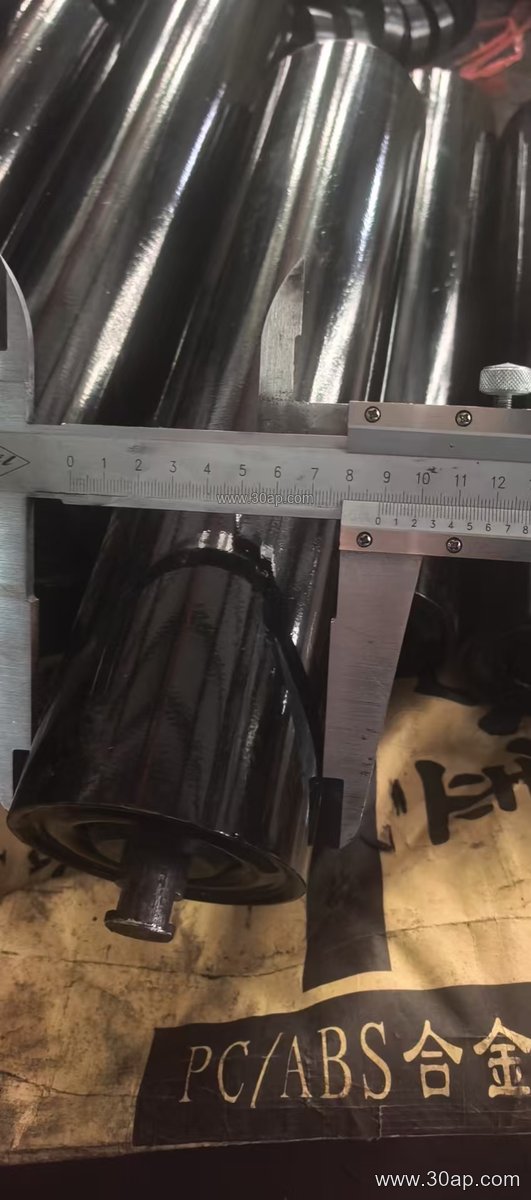
Return idler dimensions are not universal. Roller diameter and length depend on belt width, load, and the conveyor design. The following table gives common reference values, but these are not fixed pairings. A buyer should confirm the actual belt width, shaft size, and mounting centers with the conveyor manufacturer.
| Belt Width | Common Return Idler Diameter | Typical Roller Length (flat return) |
|---|---|---|
| B500 | Ø63–Ø89 mm | About 200 mm |
| B650 | Ø76–Ø108 mm | About 250 mm |
| B800 | Ø89–Ø133 mm | About 315 mm |
| B1000 | Ø108–Ø159 mm | About 380 mm |
| B1200 | Ø108–Ø178 mm | About 465 mm |
| B1400 | Ø127–Ø194 mm | About 530 mm |
| B1600 | Ø133–Ø219 mm | About 600 mm |
These values are examples only. A return idler for a B1200 belt might use a different diameter if the conveyor is heavily loaded or if the belt is thick. Also, the roller length for a V-return idler will be shorter because two rollers share the width. Do not assume that one belt width can only match one pulley diameter or one shaft size. The shaft diameter is determined by the bearing bore and the bracket, not by belt width alone.
Where Return Idlers Are Used
Return idlers appear in almost every bulk material handling system. In a coal mine, they support the belt on the return run after the discharge pulley. In a cement plant, they handle clinker and limestone dust. In a power plant coal yard, they keep the belt aligned through long transfer points. In a sand and gravel pit, they work alongside conveyor pulleys and brackets to maintain tension. A quarry or crushed stone operation may use rubber disc return rollers to reduce impact and noise. The return idler is also common in fertilizer, grain, and tunnel muck handling.
Buyer Checklist for Return Idlers
- Confirm the belt width (B400 to B2400) and the actual roller length needed.
- Check the roller diameter and shaft diameter against the existing bracket and bearing housing.
- Choose the roller surface: steel for general use, nylon for reduced weight, ceramic for high abrasion, rubber disc for impact and noise.
- Verify the bearing size (e.g., 6204, 6305, 6308) and seal type for the environment.
- Decide between flat, V-shaped, or spiral return idler based on belt tracking and material buildup.
- Remember that return idlers are not interchangeable with drive pulleys, tail pulleys, or bend pulleys.
For a reliable conveyor, the return idler should match the belt, the load, and the operating conditions. Whether you run a copper mine, a coal preparation plant, or a concrete batching site, selecting the right return idler reduces belt wear and downtime. Always refer to the conveyor design and the supplier’s data for final sizing.