What a Quarry Conveyor Belt Does
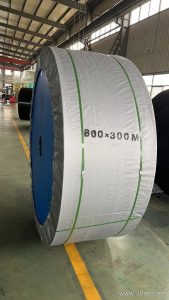
A quarry conveyor belt is the load-carrying element of a continuous haulage system that moves blasted rock, crushed stone, sand and gravel between the pit, the crushing circuit and the stockpile. In a sand and gravel plant, a cement works or a power station coal yard, the same belt carries abrasive, often wet or dusty material over long distances at a steady rate. Because the belt is the component that touches the load, its construction and cover quality decide how long the whole conveyor line stays in service.
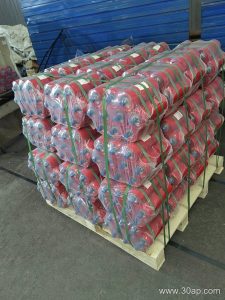
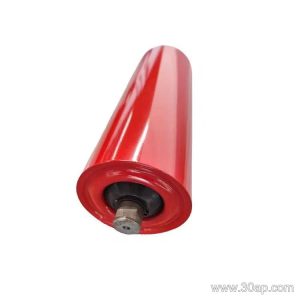
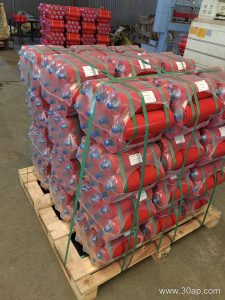
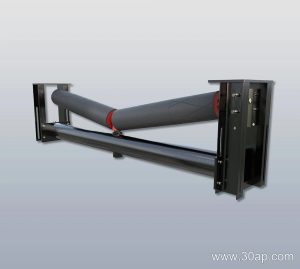
The belt does not work alone. It runs on a frame fitted with an idler roller set, is driven and redirected by a conveyor pulley, and is held in line by a conveyor bracket and training arrangement. Each of these parts has its own job, so a conversation about improving belt life should not treat them as interchangeable.
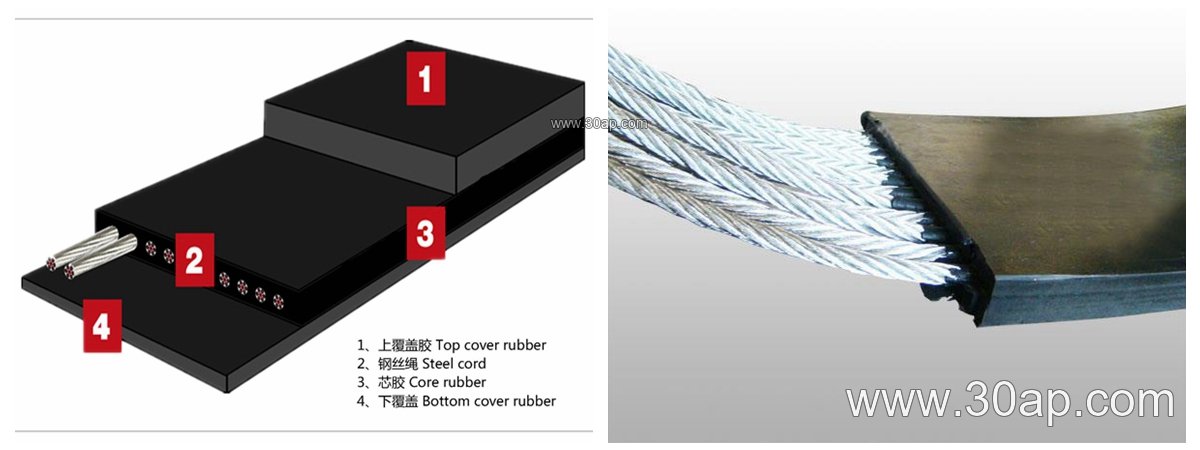
How the Belt Is Built
The carcass provides tensile strength and resistance to impact. Common constructions include EP fabric plies, NN nylon plies and steel cord. EP and NN belts are usually built with two to six plies, while steel cord belts are chosen where the duty needs higher strength over a long run. The carcass is protected by rubber covers on both faces, and the top cover is normally thicker because it absorbs the direct abrasion of falling rock.
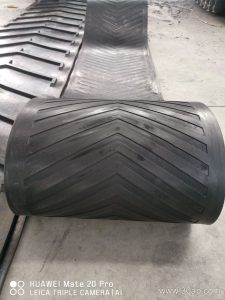
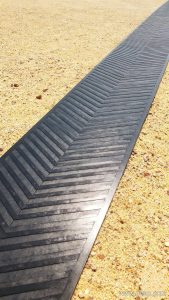
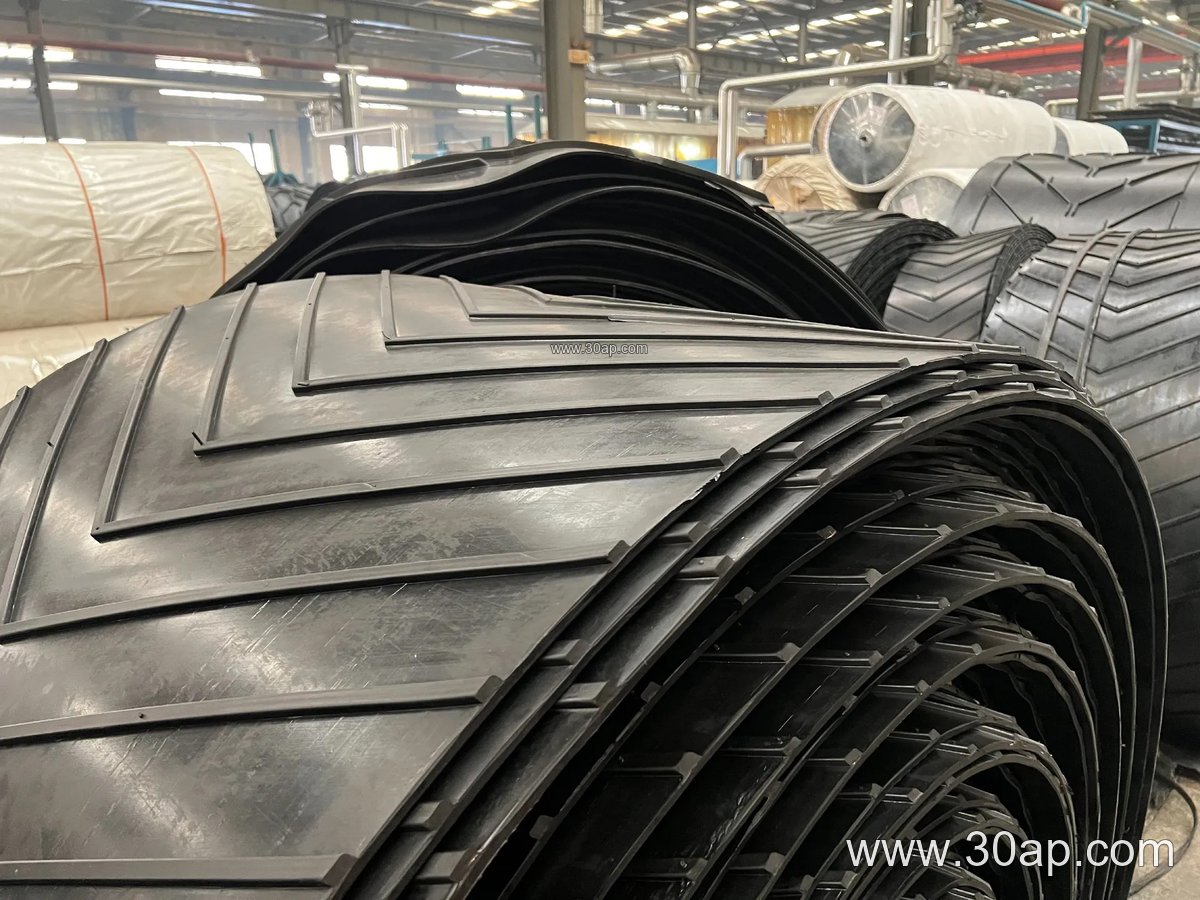
The conveyor belt for quarry duty may also carry special features. Flame-retardant and antistatic grades are used in underground coal and in dusty plants where ignition risk must be controlled. Heat-resistant covers suit cement clinker and similar hot loads, oil-resistant covers suit oily scrap or machinery areas, and cold-resistant grades help in winter operation. Chevron or patterned surfaces, and corrugated sidewall belts, are available where the incline is steep; these are different belt forms and not replacements for a standard flat belt on a normal incline.
Typical Specifications
The figures below are reference ranges and common workshop practice, not a fixed supply promise. Final values should be confirmed against the conveyor design, the material and the drive arrangement.
| Item | Common reference values |
|---|---|
| Belt type | EP, NN nylon, steel cord, PVC, PVG; wear, heat, oil, flame, antistatic, cold or acid resistant covers; chevron, patterned or corrugated sidewall forms |
| Strength grade | EP200, EP315, EP400, EP500, EP630, EP800, EP1000, EP1250, EP1600, EP2000 |
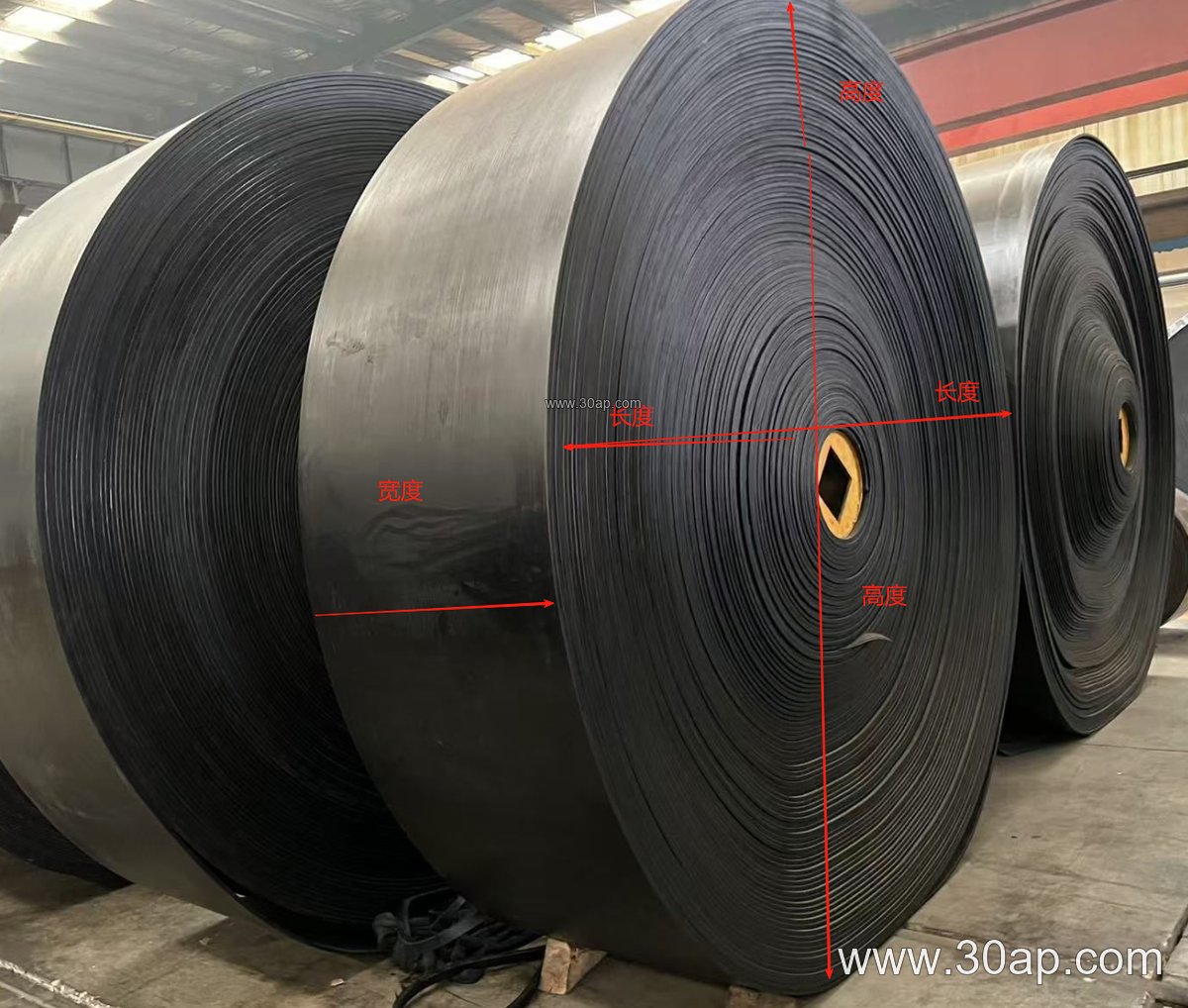
| Belt width | B500, B650, B800, B1000, B1200, B1400, B1600, B1800, B2000 |
| Cover thickness | 3+1.5, 4+2, 5+2, 6+2, 8+3 mm |
| Carcass plies | Commonly 2 to 6 layers for fabric belts |
Width and pulley size are matched by the conveyor designer, not by a single rule. A wide belt is not automatically tied to one pulley diameter, and shaft size follows the calculated load, not the belt width alone.
Where It Is Used
- Open-pit and underground mines moving ore and waste rock
- Sand and gravel pits and aggregate crushing plants
- Cement plants handling limestone, clinker and additives
- Power station coal yards and boiler feed lines
- Port and stockyard bulk handling systems
In all of these, the belt works with idlers, pulleys and brackets that must be inspected together. A worn idler roller can cut belt life as quickly as a poor cover compound.
What a Buyer Should Check
Start with the duty: material size, density, moisture, temperature and whether the load is sharp or oily. Then confirm the required strength grade and the carcass type, since EP, NN and steel cord belts behave differently under impact and over long spans. Check the cover thickness against abrasion, and ask whether flame, antistatic, heat or cold resistance is needed for the site. Confirm the belt width and the pulley and idler sizes against the existing frame, and make sure the splice method suits the chosen carcass.
Finally, plan maintenance. Regular alignment checks, prompt replacement of seized idlers and keeping the belt clean reduce edge damage and lengthen service life. A quarry conveyor belt is a wear part, so buying for the actual working conditions is more useful than buying the heaviest option without a reason.