Idler Roller Essentials for Export Buyers
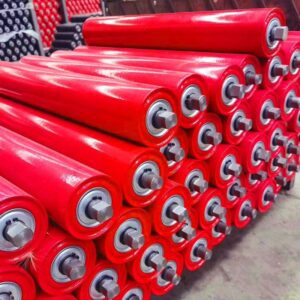
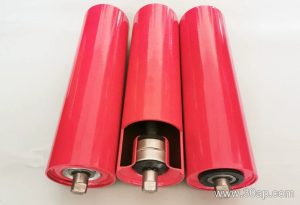
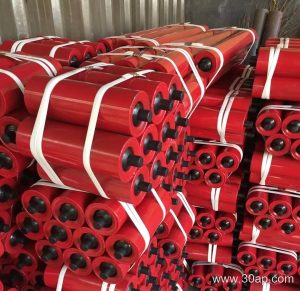
An idler roller supports and guides conveyor belts without driving them. Choosing the right unit reduces downtime, belt wear, and energy costs in bulk handling operations.
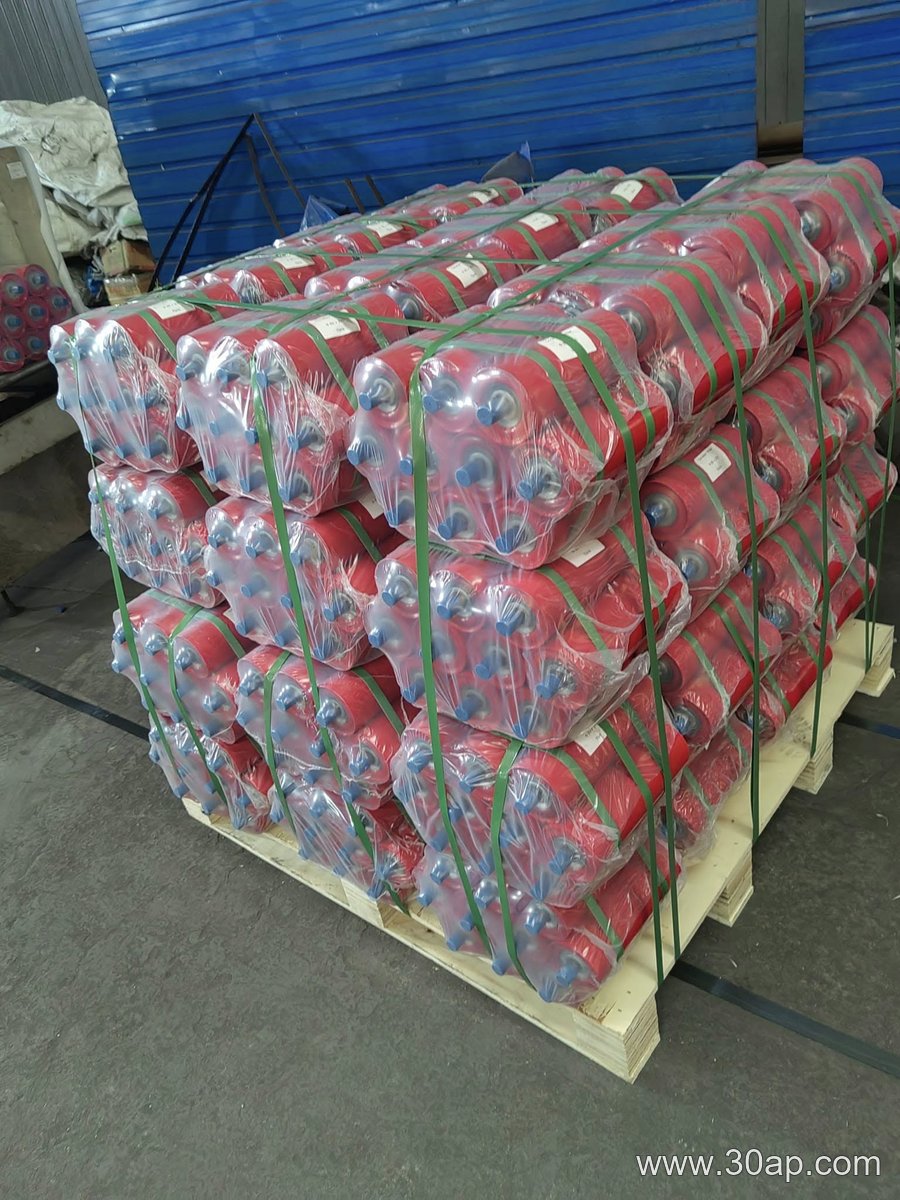
Key Selection Factors
- Load capacity and belt width
- Roller diameter and wall thickness
- Bearing type: sealed, precision, or self-aligning
- Material: steel, stainless, or polymer
- Environmental resistance to dust, moisture, and corrosion
Purchasing Advice
Verify dimensional standards, bearing seals, and dynamic balance. Request test reports and sample units before bulk orders. Compare total cost of ownership, not just unit price.
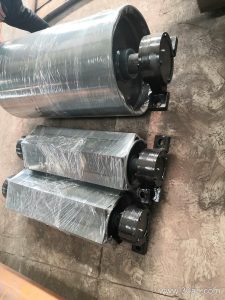
Conveyor Pulley Essentials
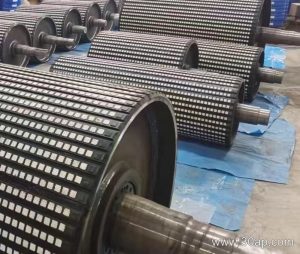
A conveyor pulley drives or redirects the belt. Choose drum or wing type based on load, speed, and environment.
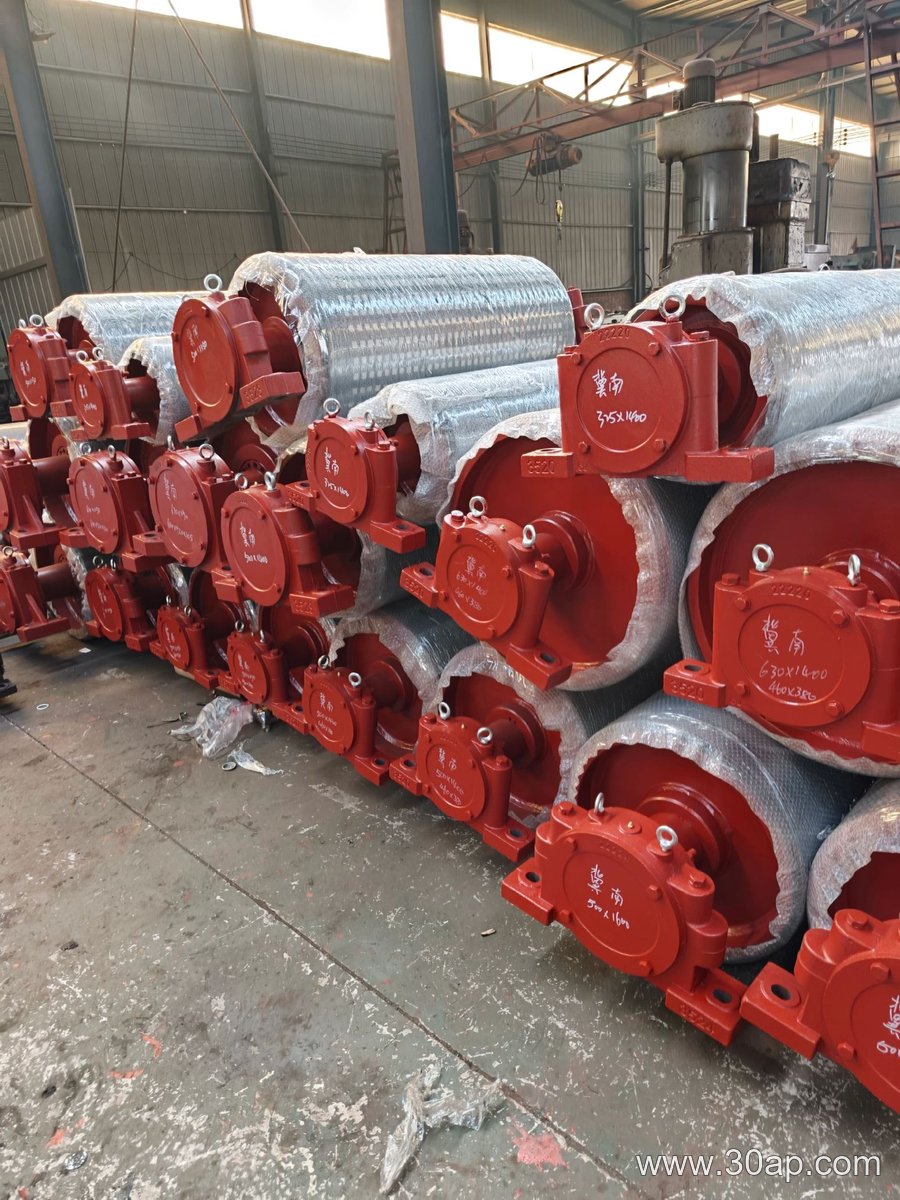
Selection and Purchasing Advice
- Match pulley diameter to belt tension and torque.
- Specify lagging for grip; choose rubber or ceramic.
- Confirm shaft, bearing, and hub fit.
- Check balance and runout for high-speed lines.
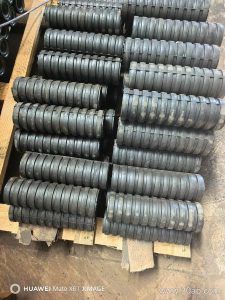
Conveyor Bracket: Selecting the Right Support for Your System
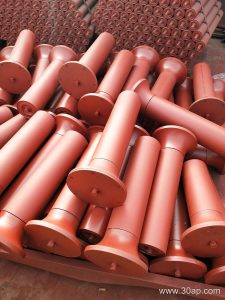
A conveyor bracket supports rollers, idlers, and frames, directly affecting belt alignment and uptime.
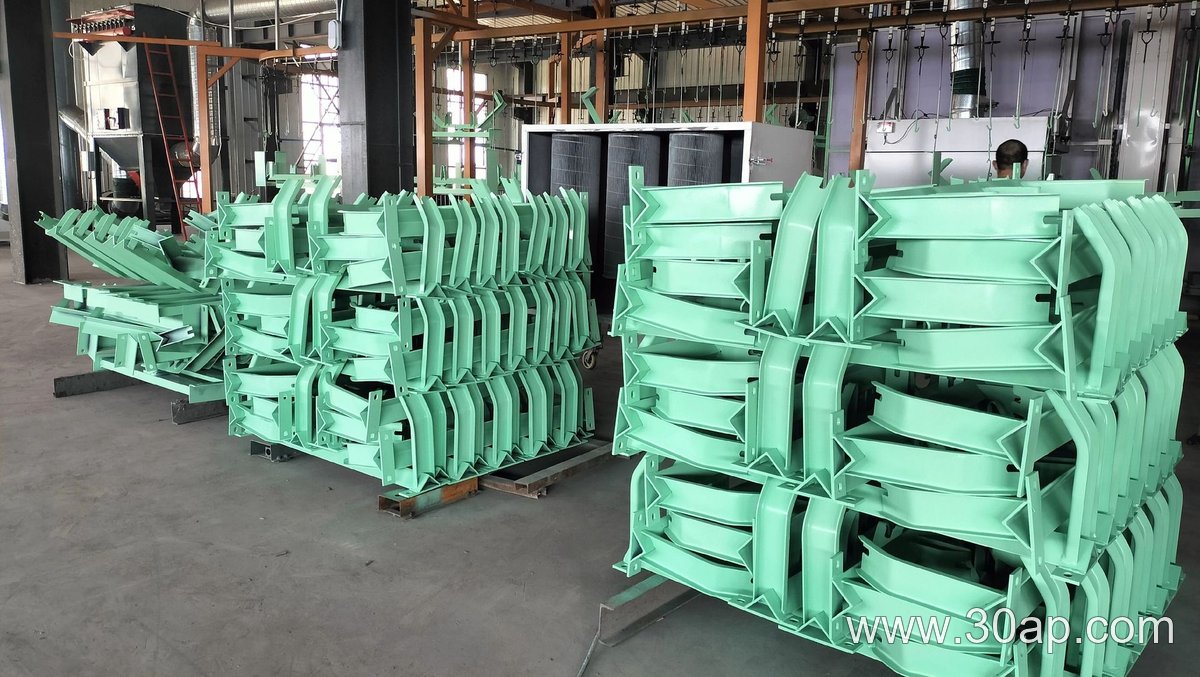
Key Selection Factors
- Load capacity and belt width
- Material: mild steel, stainless, or polymer
- Mounting style and adjustability
- Corrosion and washdown resistance
Purchasing Advice
Verify hole patterns, tolerances, and finish. Buy from suppliers offering load ratings and batch traceability.
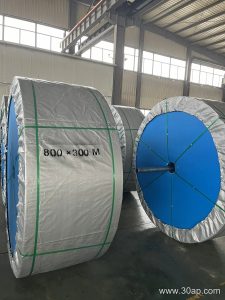
Conveyor Belt Selection Guide
A conveyor belt moves materials efficiently, but the right specification depends on load, speed, and environment.
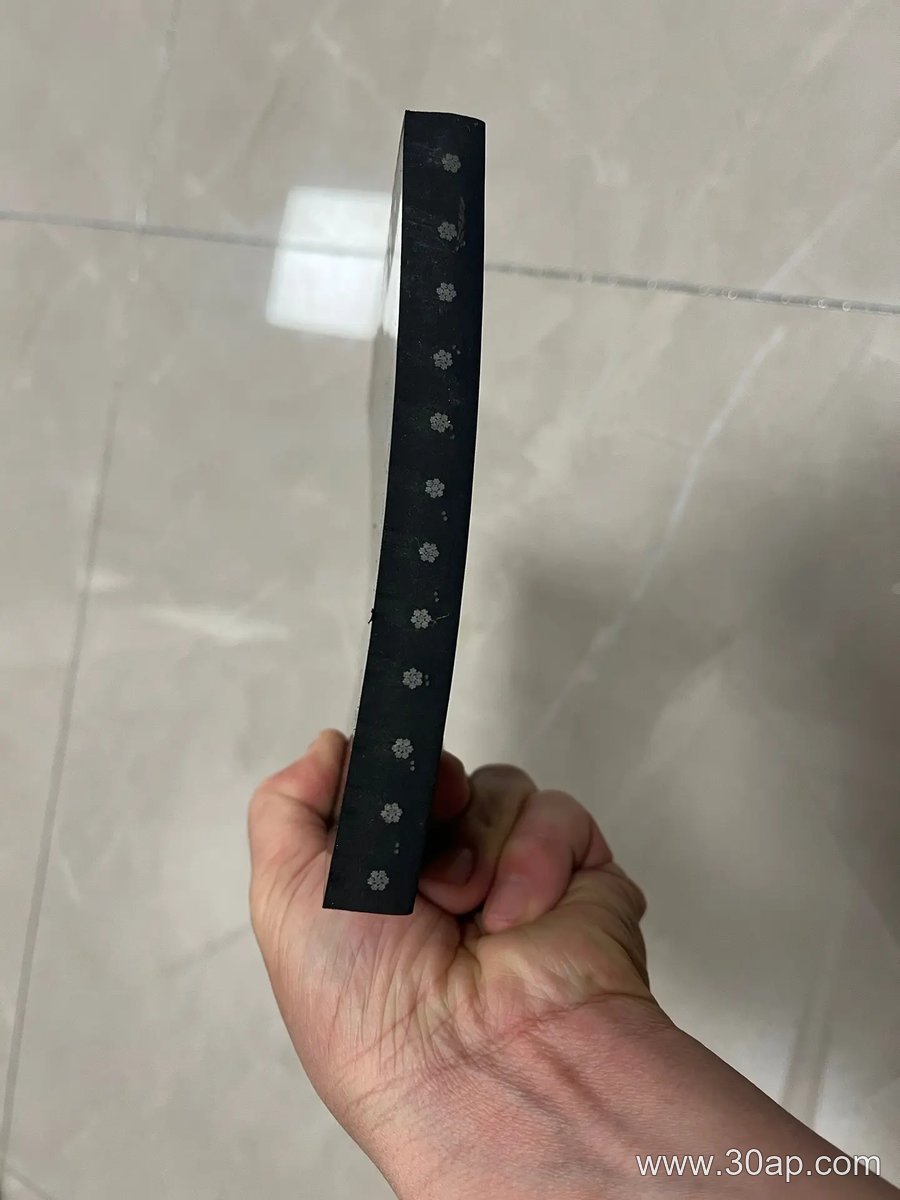
Key Buying Factors
- Material: rubber, PVC, or steel cord
- Belt width and tension rating
- Temperature and chemical resistance
Verify export certifications and request test reports before purchase.