What an Anti-Tracking Idler Does
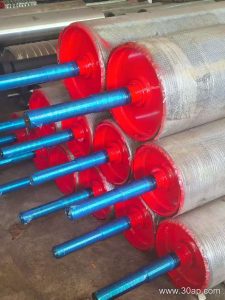
An anti-tracking idler is a self-aligning roller assembly that senses a drifting conveyor belt and steers it back toward the center line. In many plants this same component is called a self-aligning idler or training idler. It is not a drive pulley, a tail pulley, or a bend pulley; those are different parts of the conveyor. The anti-tracking idler belongs to the idler roller family and works on the carrying or return side of the belt.
When a conveyor belt wanders, material spills, edges fray, and the belt may rub the frame. A tracking idler corrects that motion before it becomes a bigger problem.
How It Is Built
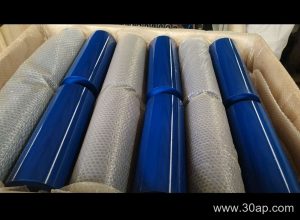
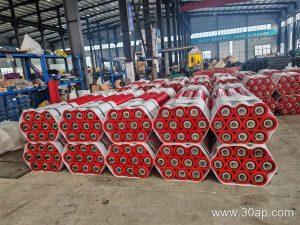
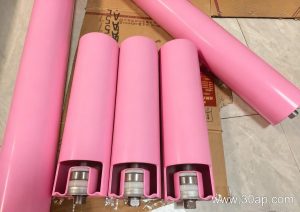
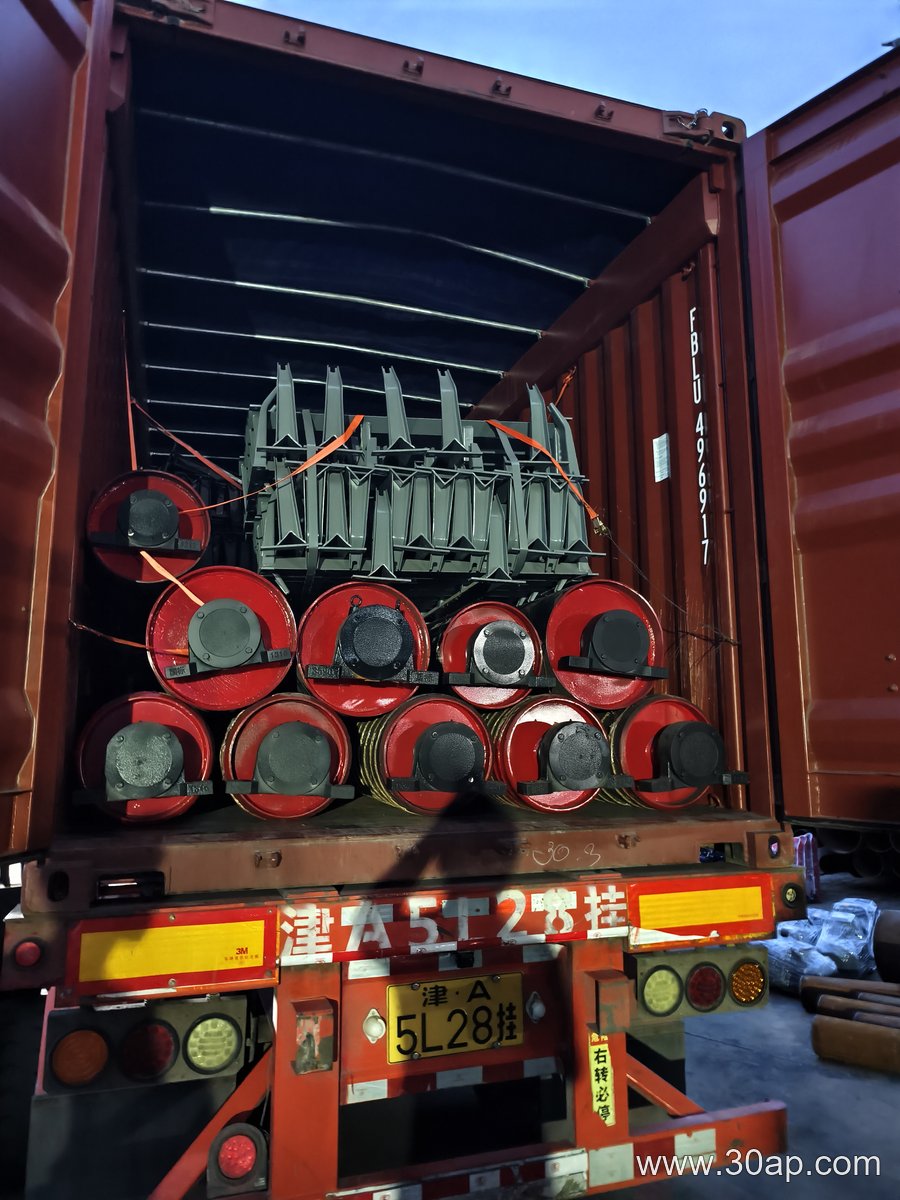
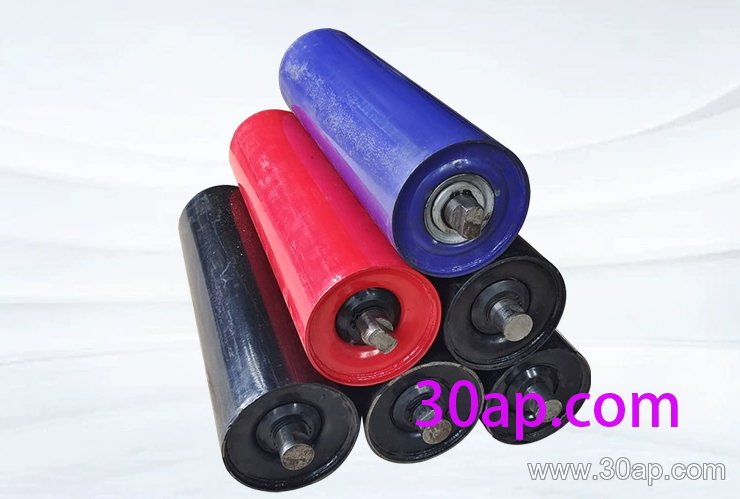
The assembly usually has two or three rollers mounted on a pivoting frame. The frame turns slightly when the belt edge contacts a vertical guide roller. That small rotation angles the rollers, and the friction between roller and belt pushes the belt back to center. Common roller surfaces include steel tube, nylon, ceramic, and rubber rings. Rubber rings are often chosen where impact or noise matters. Bearings such as 6204, 6205, 6305, 6306, 6308, or 6310 may be used depending on load and speed, but a given bearing is not tied to one roller diameter.
Where It Fits on the Conveyor
An anti-tracking idler is typically installed on the carrying side, sometimes on the return side, and often near the tail or loading point where misalignment starts. It may also appear before a conveyor pulley that would otherwise be damaged by an off-center belt. A conveyor bracket holds the assembly to the stringer. In a quarry, a limestone mine, or a sand and gravel line, a training idler is a practical way to protect the belt and the structure from constant edge contact.
Common Sizes and Configurations
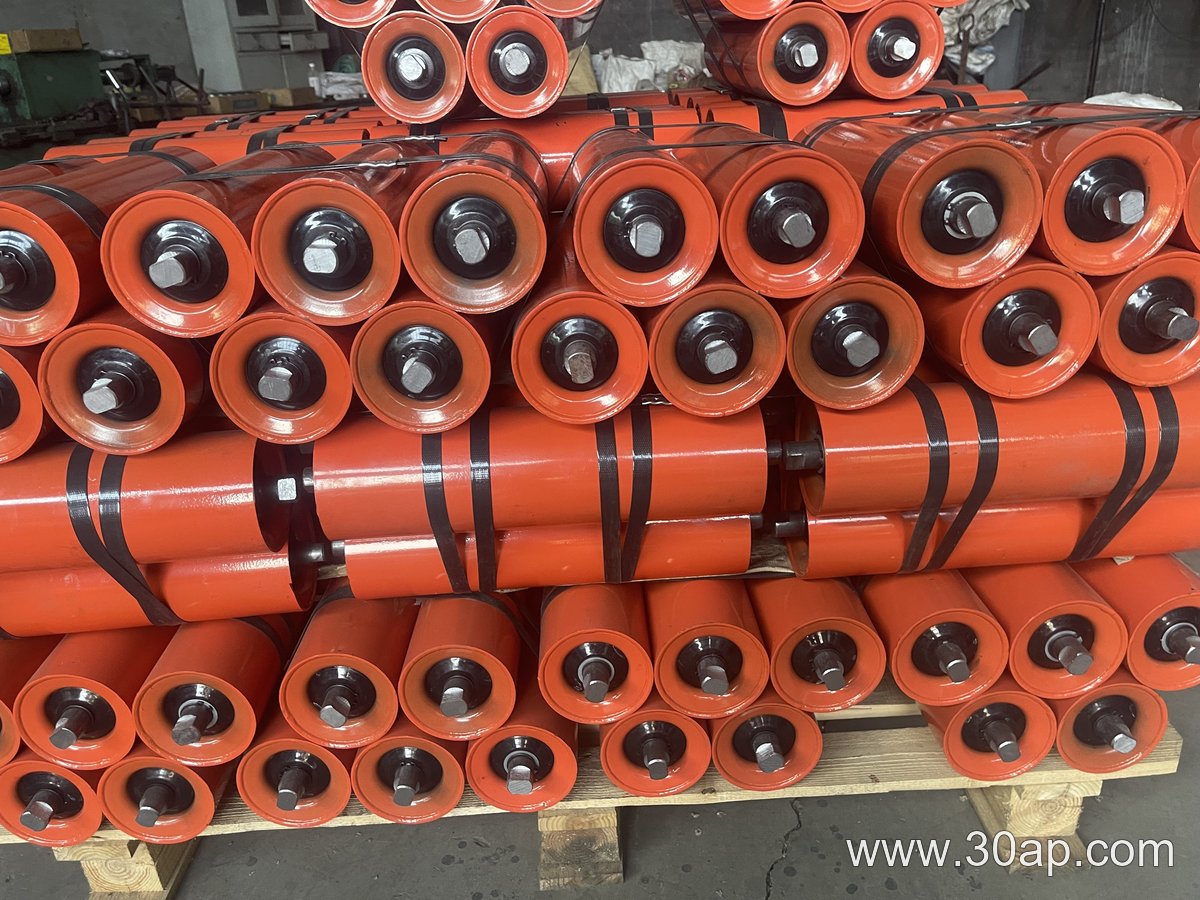
Roller diameter and belt width are selected together, but they are not locked one to one. The table below shows typical reference values; actual sizes follow the conveyor design.
| Parameter | Common reference values |
|---|---|
| Roller diameter | Ø63, Ø76, Ø89, Ø102, Ø108, Ø127, Ø133, Ø159, Ø178, Ø194, Ø219 mm |
| Belt width | B400, B500, B650, B800, B1000, B1200, B1400, B1600, B1800, B2000, B2200, B2400 |
| Trough angle | 20°, 30°, 35°, 45° |
| Idler set | single roller, two-roll, three-roll troughing |
| Roller surface | steel tube, nylon, ceramic, rubber ring |
For a three-roll troughing set, common roller lengths are about 200 mm at B500, 250 mm at B650, 315 mm at B800, 380 mm at B1000, 465 mm at B1200, 530 mm at B1400, 600 mm at B1600, 670 mm at B1800, and 750 mm at B2000. These are examples only; side rollers and center rollers can differ, and the final length is set by belt width, trough angle, and idler arrangement.
What a Buyer Should Check
- Belt width and trough angle, so the idler set matches the existing conveyor.
- Roller diameter and shaft size, since these affect load capacity and frame fit.
- Bearing type and sealing, especially in dusty or wet locations.
- Roller surface: steel for general use, rubber rings for impact, ceramic or nylon where wear or sticking is a concern.
- Mounting dimensions and bracket compatibility with the current conveyor bracket.
An anti-tracking idler is not a substitute for a drive pulley, tail pulley, or bend pulley, and it should not be confused with a plain troughing idler. Its job is alignment, not power transmission or belt direction change. When selected and installed correctly, it reduces edge damage, spillage, and downtime on the belt conveyor.