What the Feed Point Impact Idler Does
At the loading point of a conveyor system, material drops onto the belt with speed and weight. A feed point impact idler is the roller station placed directly under that drop zone to absorb the shock, protect the conveyor belt, and keep the belt line stable. It is a heavy-duty buffer roller assembly, often called a loading zone buffer idler or impact roller set, and it belongs to the same family as the rubber-ring impact idler used in mining and quarry conveyors.
The main job is simple: soften the impact. Without cushioning, lumps of ore, coal, or aggregate hammer the belt cover and the frame, causing rapid wear and misalignment. The impact idler takes that energy through resilient rollers and a reinforced structure, so the belt runs smoother and lasts longer.
How the Feed Point Impact Roller Is Built
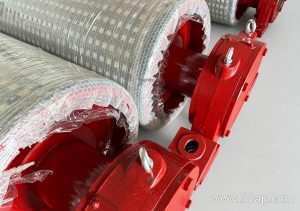
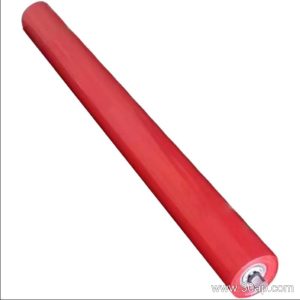
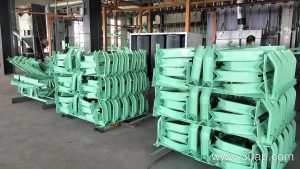
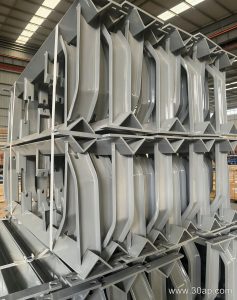
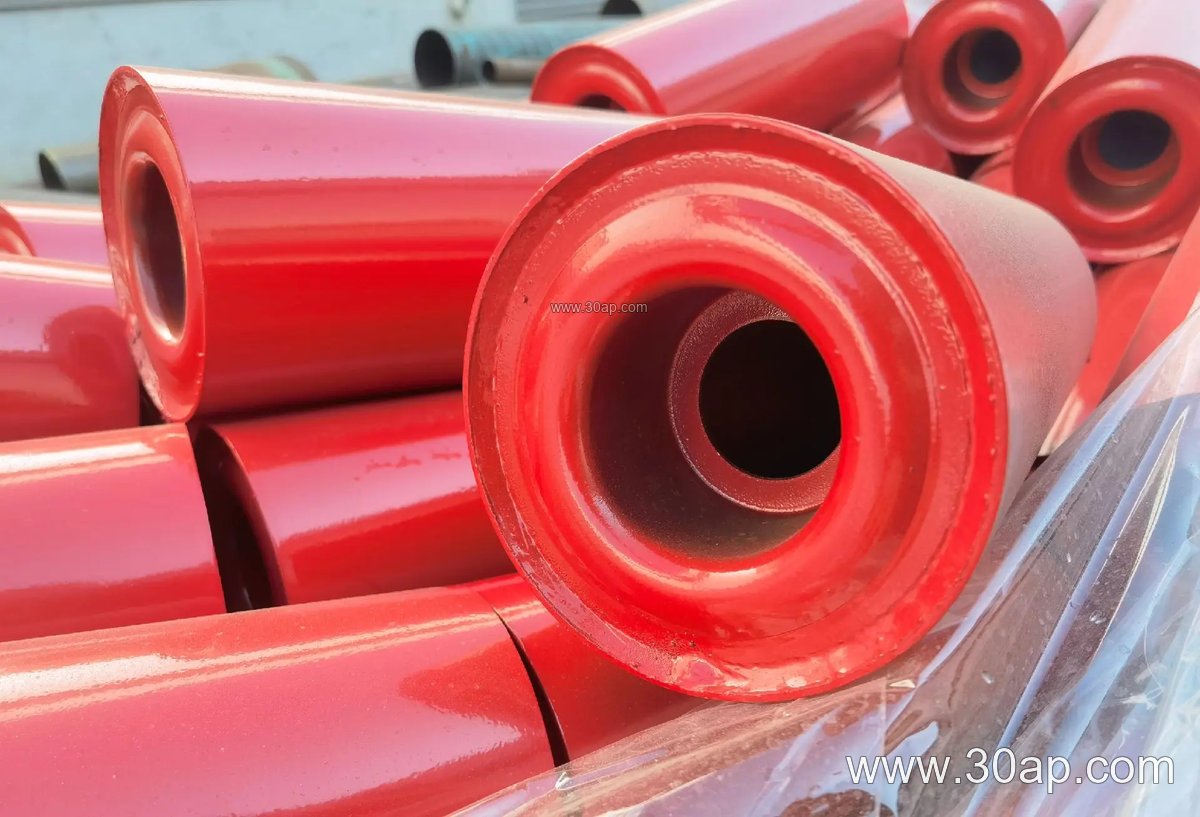
A typical unit uses a sturdy steel frame with several rollers arranged in a trough or flat pattern. The roller shells are often fitted with rubber rings or a rubber-covered surface to absorb shock. Inside, sealed bearings keep dust and water out, which matters in dusty coal plants or wet aggregate yards. The shaft and bearing housings are sized for the load, and the whole assembly mounts on the conveyor bracket or frame.
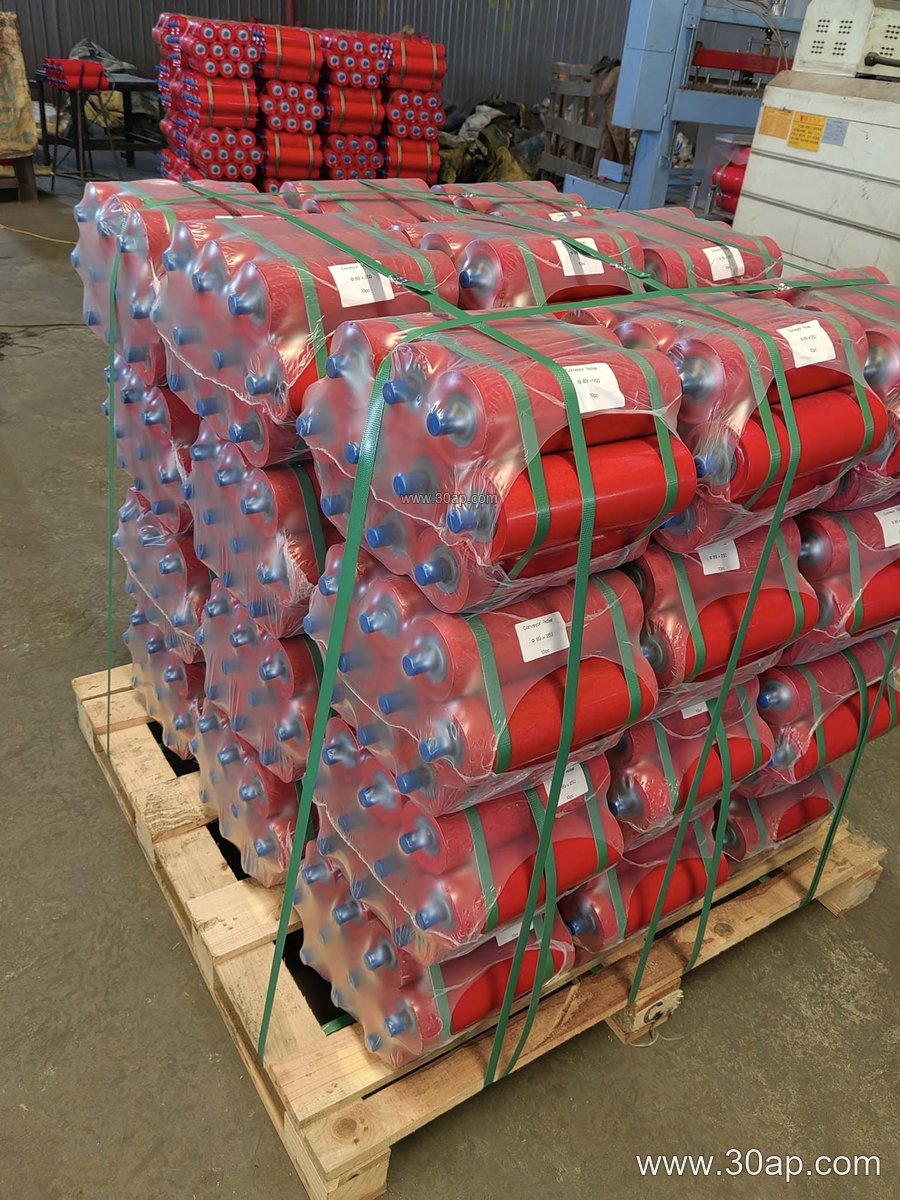
Common configurations include three-roller trough sets for wide belts and two-roller or single-roller sets for narrower or special layouts. Trough angles are usually 20, 30, 35, or 45 degrees, chosen to match the belt and material. Roller diameters often range from Ø89 to Ø219 mm, and belt widths from B500 to B2400 are common in heavy-duty installations. These are reference values, not fixed rules; the final size depends on the conveyor design and the drop height.
Where It Fits in the Conveyor Line
The feed point impact idler sits at the transfer chute or loading hopper, just downstream of the tail pulley and before the belt settles into its normal carrying run. In a limestone quarry, it may be under the primary crusher discharge; in a coal washing plant, under the raw coal feed; in a cement plant, under the clinker or raw meal transfer. It is also used in power plant coal handling, port bulk terminals, and aggregate crushing lines.
It is not a substitute for the drive pulley, tail pulley, or bend pulley. Those components transmit power and change belt direction, while the impact idler only supports and cushions the belt at the load point. Similarly, it is not the same as a standard carrying idler or a return idler; its cushioning role makes it a distinct subtype.
Selection Points for Buyers
When specifying a feed point impact idler, start with the material: lump size, density, and drop height decide how much shock the rollers must absorb. Then check belt width and trough angle to match the roller lengths and frame. Bearing size should suit the load and speed; common bearings include 6204, 6205, 6305, 6306, 6308, and 6310, but the correct choice is always confirmed by the conveyor designer.
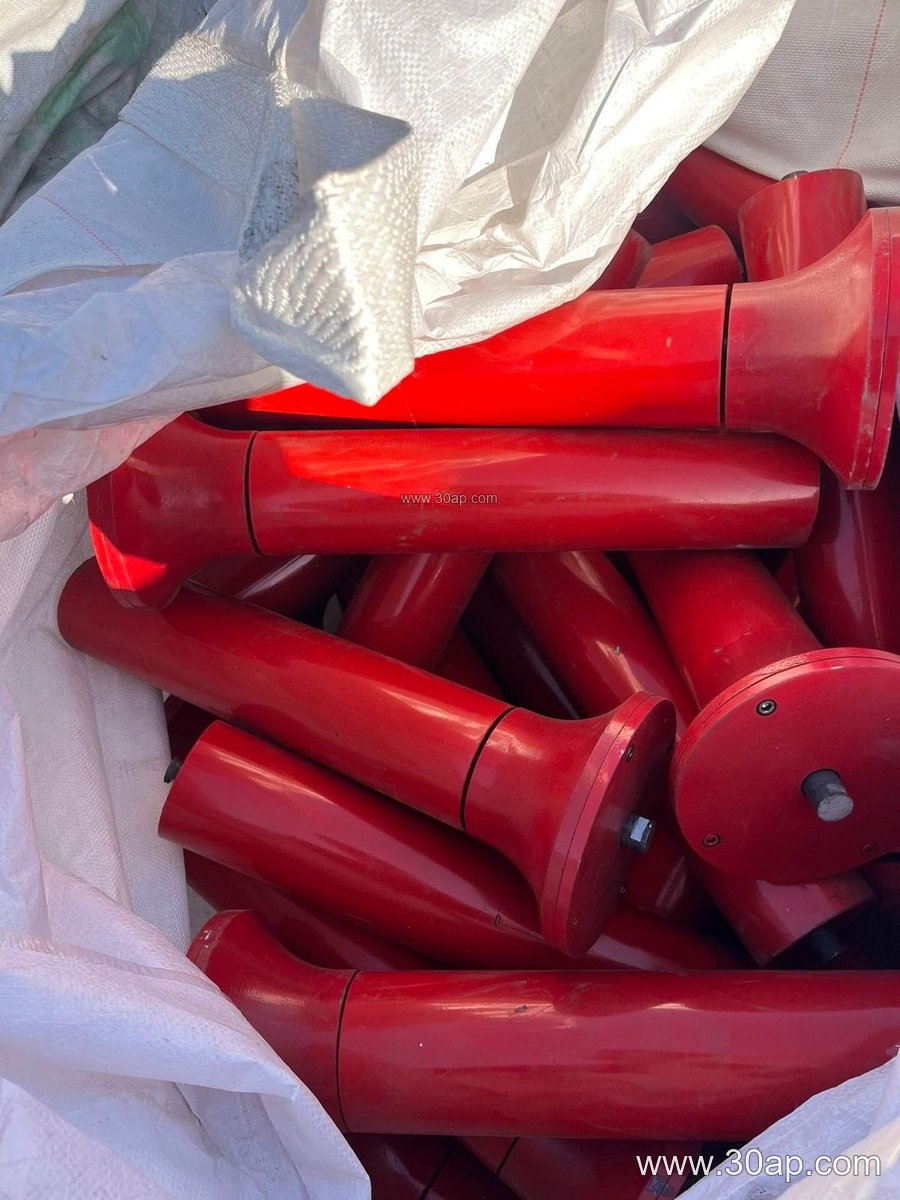
Roller surface options matter too. Rubber rings are common for high-impact zones, while plain steel shells may suit lighter duties. Sealing quality is critical in dusty environments, and a well-sealed bearing housing reduces maintenance. Mounting dimensions should match the existing conveyor bracket or frame, and the idler should be easy to replace without major dismantling.
Maintenance and Practical Notes
Inspect the impact idler regularly for worn rubber rings, loose fasteners, and seized rollers. A worn ring reduces cushioning and can damage the belt. Keep the loading chute aligned so material falls centrally, avoiding uneven wear. In harsh applications such as iron ore or tunnel spoil, choose a heavier frame and larger roller diameter to extend service life.
Remember that no single size fits every conveyor. A feed point impact idler for a B800 belt in a sand and gravel plant is not the same as one for a B1800 belt in a copper mine. Use the conveyor specifications and the manufacturer’s data to select the right assembly, and treat all dimensions as design-dependent rather than universal.