Material Selection Trade Offs for a Heavy Duty Steel Conveyor Bracket in Abrasive Environments
Choosing the correct material for a conveyor bracket requires balancing mechanical strength, environmental resistance, and fabrication constraints. In heavy industrial applications such as a cement plant clinker handling circuit, structural components face severe abrasive wear, constant vibration, and corrosive airborne dust. A conveyor bracket serves as the critical bridge connecting idler roll assemblies to stringer channels, making its material composition vital for long-term structural reliability. Engineers must weigh the trade-offs of carbon steel, stainless steel, and alloyed variants to prevent premature fatigue or catastrophic failure under heavy dynamic loads.
Carbon Steel Grades and Structural Trade Offs
Carbon steel remains the most common material choice for a heavy-duty steel conveyor bracket due to its high tensile strength and cost-effectiveness. Standard structural grades like ASTM A36 or equivalent ISO structural carbon steels provide a predictable yield strength that easily withstands high bending moments induced by off-center bulk material loads.
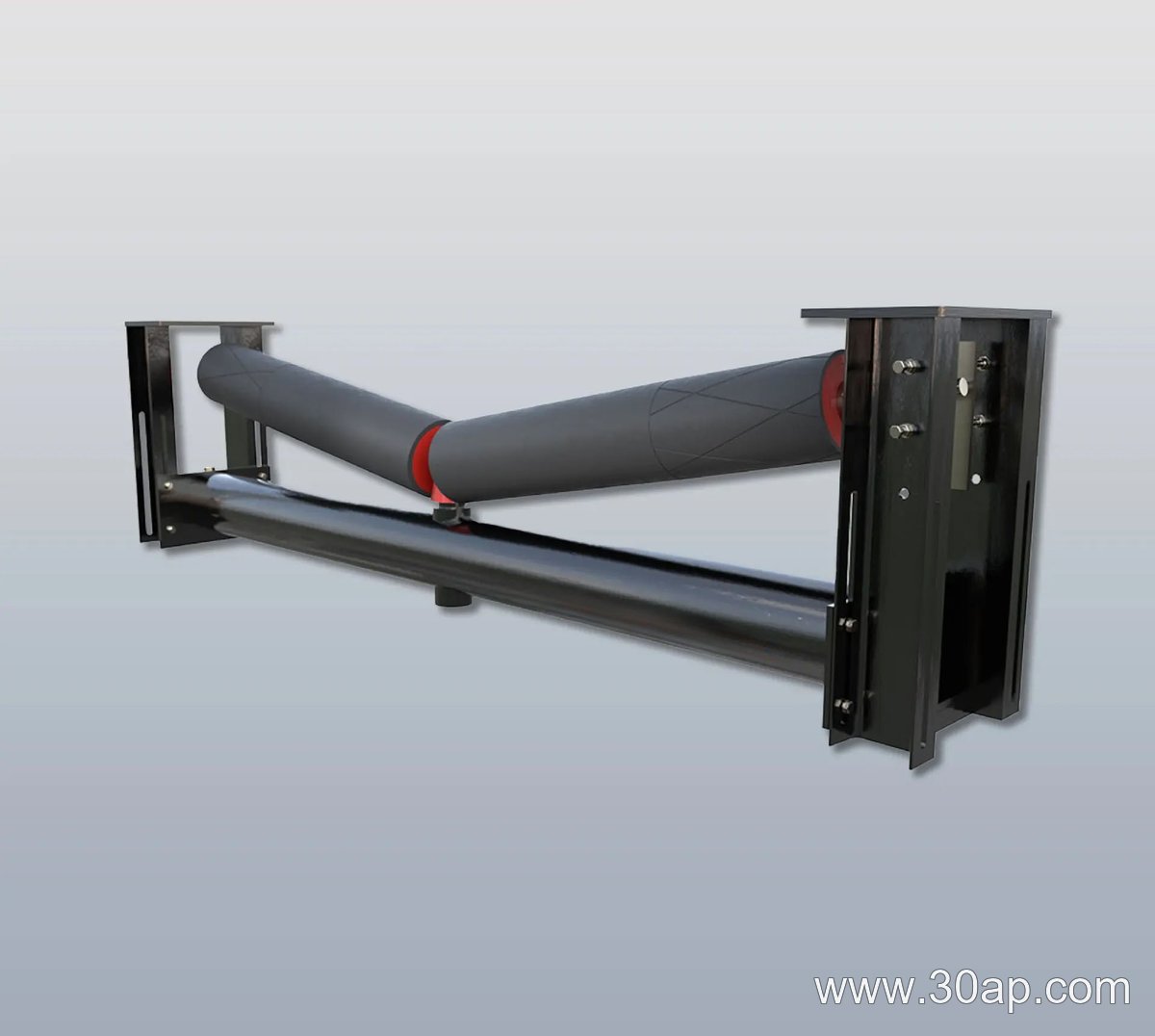
- High initial yield strength minimizes plastic deformation under heavy impact zones.
- Good weldability allows complex gussets and mounting plates to be integrated securely.
- Susceptibility to oxidation requires supplemental surface treatments such as hot-dip galvanizing or industrial powder coating.
- Brittle behavior can emerge in extremely low-temperature environments if incorrect impact-test grades are specified.
Corrosion Resistance Versus Fabrication Complexity
When a conveyor bracket operates in wet processing zones or chemical plants, standard carbon steel can corrode rapidly unless heavily protected. Upgrading to austenitic stainless steel grades, such as Type 304 or Type 316, provides exceptional resistance to moisture and chemical attack without relying entirely on external coatings.
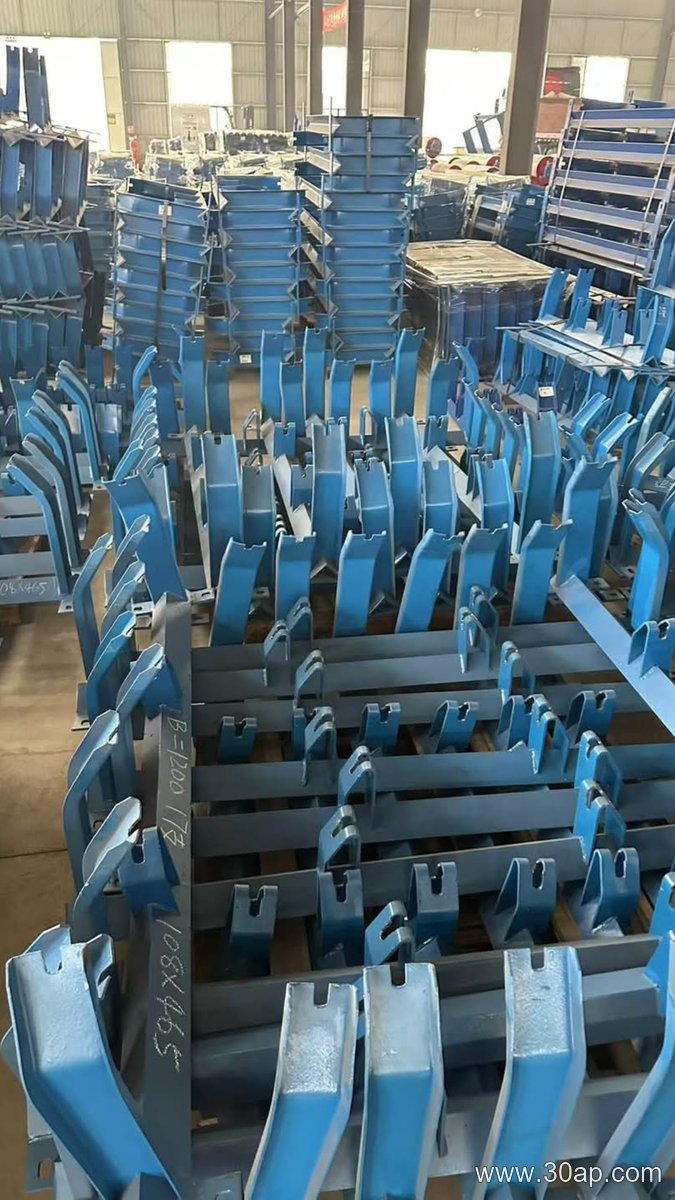
However, specifying stainless steel introduces distinct engineering trade-offs. The raw material cost is significantly higher than carbon steel, and machining or welding stainless grades requires specialized tooling to prevent work-hardening and weld decay. Furthermore, lower thermal conductivity in stainless steel can complicate certain fabrication welding procedures, requiring strict adherence to heat input limits to maintain structural integrity.
Surface Treatment Mechanisms and Protective Limitations
Rather than utilizing solid alloy construction, many designs employ carbon steel paired with advanced surface engineering. Hot-dip galvanizing creates a metallurgical bond between zinc and the underlying steel substrate, offering sacrificial anodic protection that shields the conveyor bracket even if minor surface scratches occur.
Epoxy coatings and polyurethane paints offer an alternative barrier defense against abrasive mineral dust. While effective in mild chemical exposures, coatings can chip under severe impact from falling aggregate. Maintenance engineers must regularly inspect coated surfaces to catch localized coating failure before moisture penetrates the substrate and initiates crevice corrosion beneath the paint layer.
Balancing Weight Constraints and Load Capacities
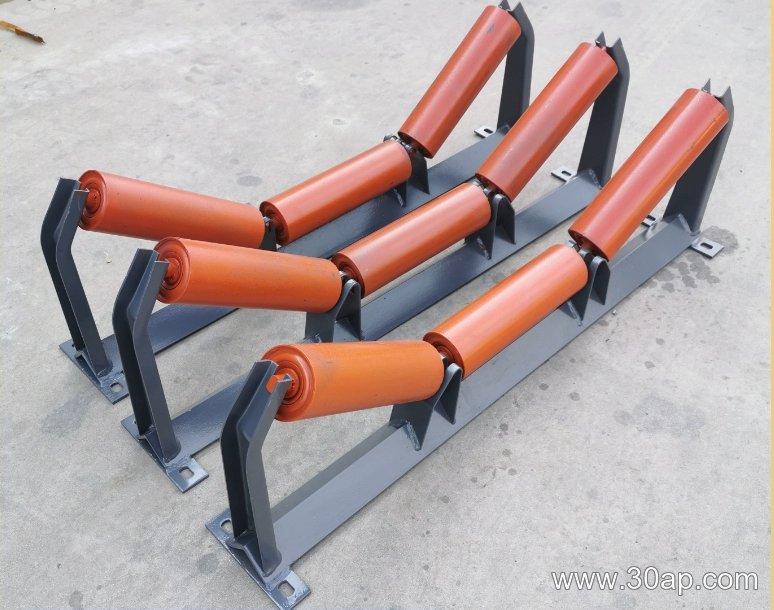
Material thickness directly dictates the section modulus and load-bearing capacity of a conveyor bracket, but increasing plate thickness also adds dead weight to the overall conveyor stringer network. Designers must evaluate whether thicker carbon steel sections are more economical than utilizing high-strength, low-alloy steels that allow thinner profiles while maintaining identical load ratings.
Ultimately, selecting the optimal material grade for a conveyor bracket depends on a thorough site assessment. By carefully analyzing the interplay between mechanical loads, abrasive wear rates, and environmental corrosiveness, engineers can specify a construction material that delivers optimal structural performance and extended service life.