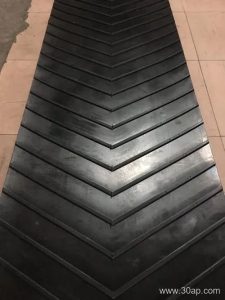
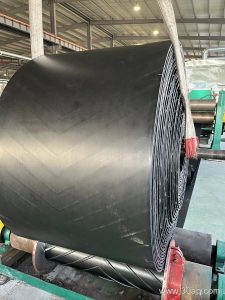
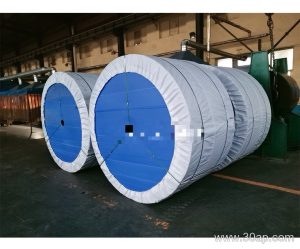
Conveyor Belt Selection and Purchasing
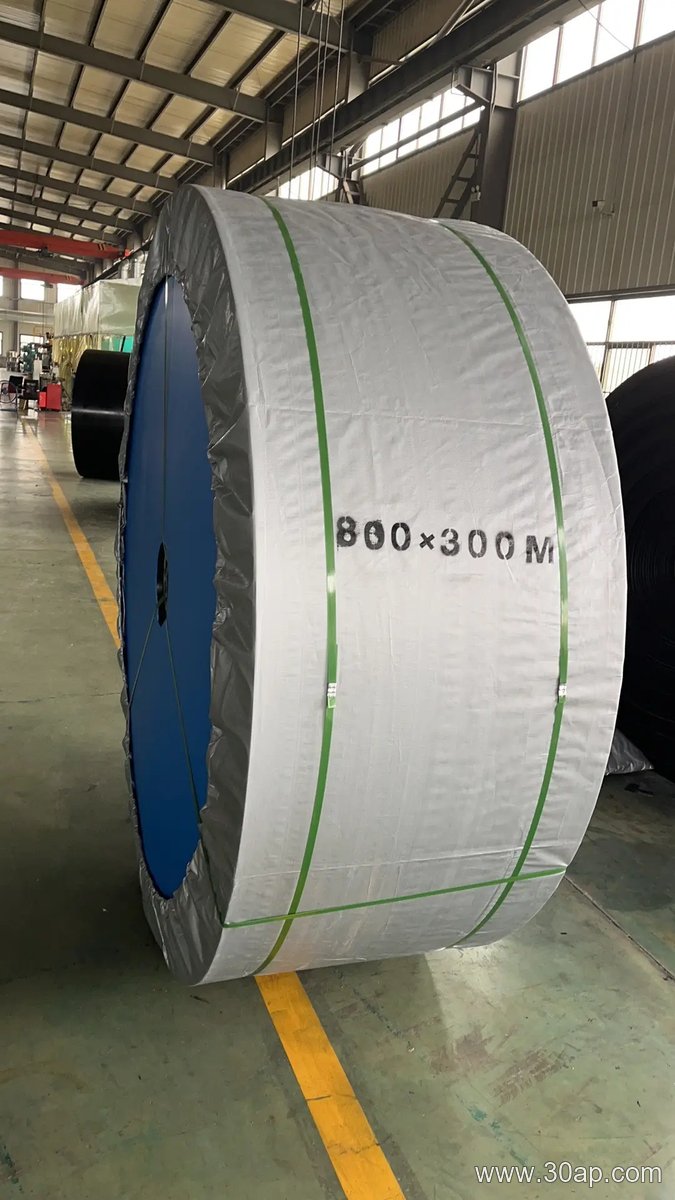
A conveyor belt is the core of any bulk handling line. Choose it by load, speed and environment. Match carcass, cover and splice. Verify tension and pulley size. Buy from a supplier offering data sheets and wear tests. Prioritize easy maintenance and spare availability.
Key Checks
- Material and load weight
- Belt width and speed
- Cover grade for heat or oil
- Splice type and lead time
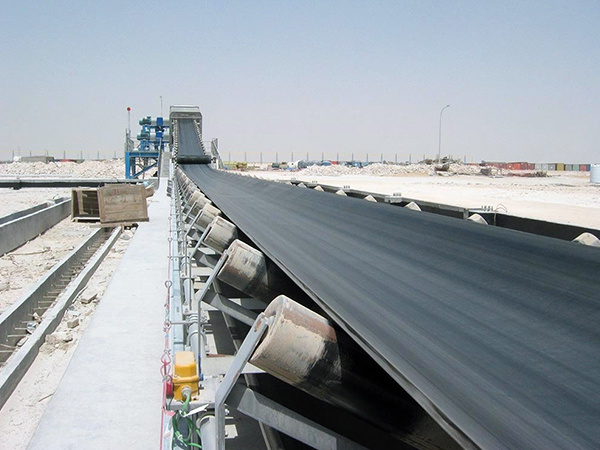
Idler Roller Selection and Purchasing Guide
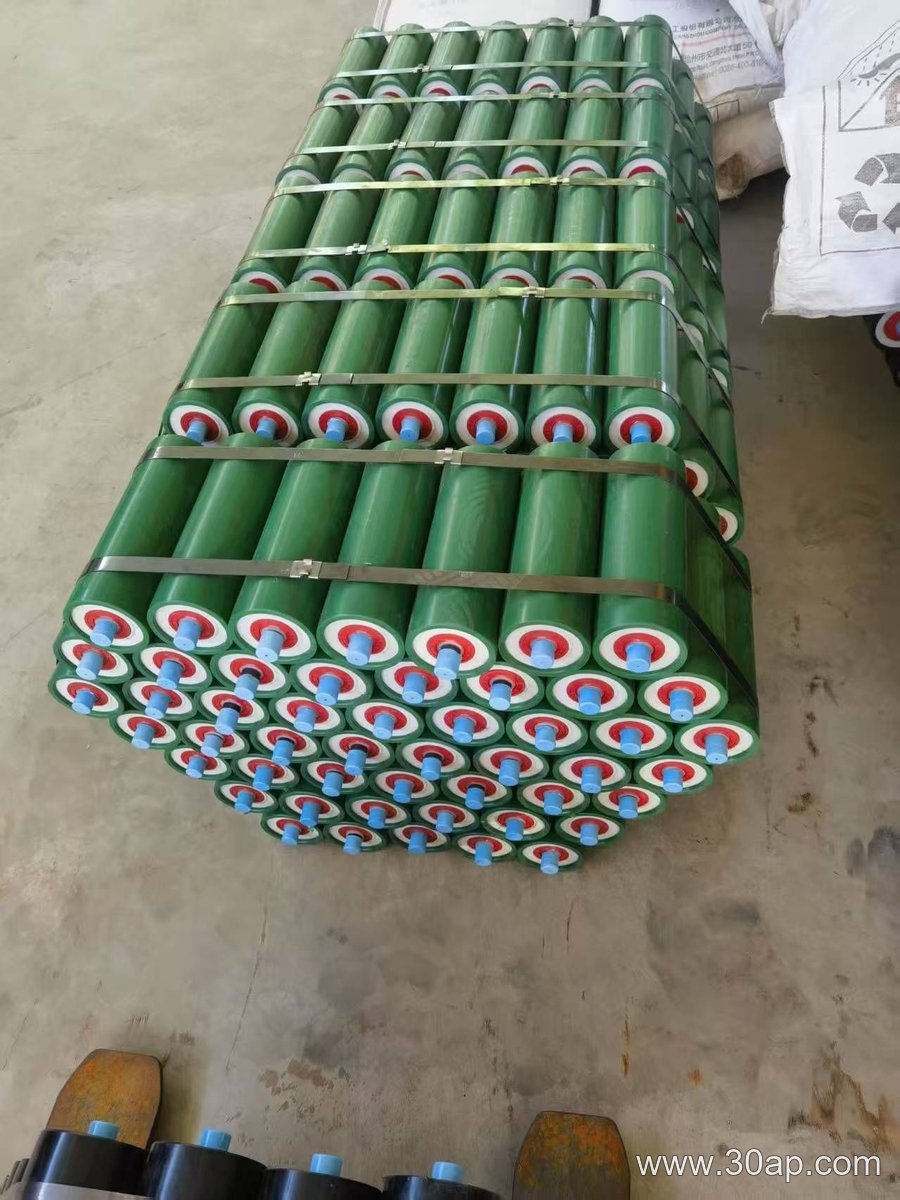
An idler roller supports the belt and reduces friction in bulk handling. Choose the right one to cut downtime and energy costs.
Key selection factors
- Load capacity and belt width
- Bearing type and sealing
- Roller diameter and wall thickness
- Material: steel, stainless, or polymer
- Environmental conditions and duty cycle
Purchasing advice
Match the roller to the application, verify tolerances, and compare total cost of ownership. Request samples and check availability of replacement parts before ordering in volume.
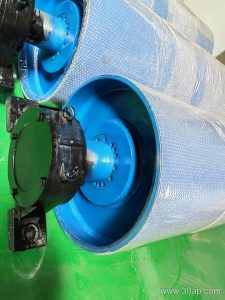
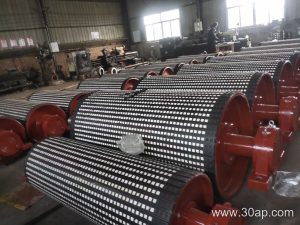
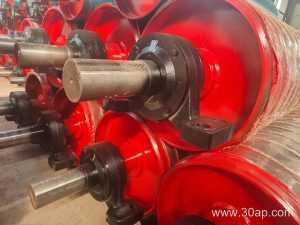
Conveyor Pulley Essentials
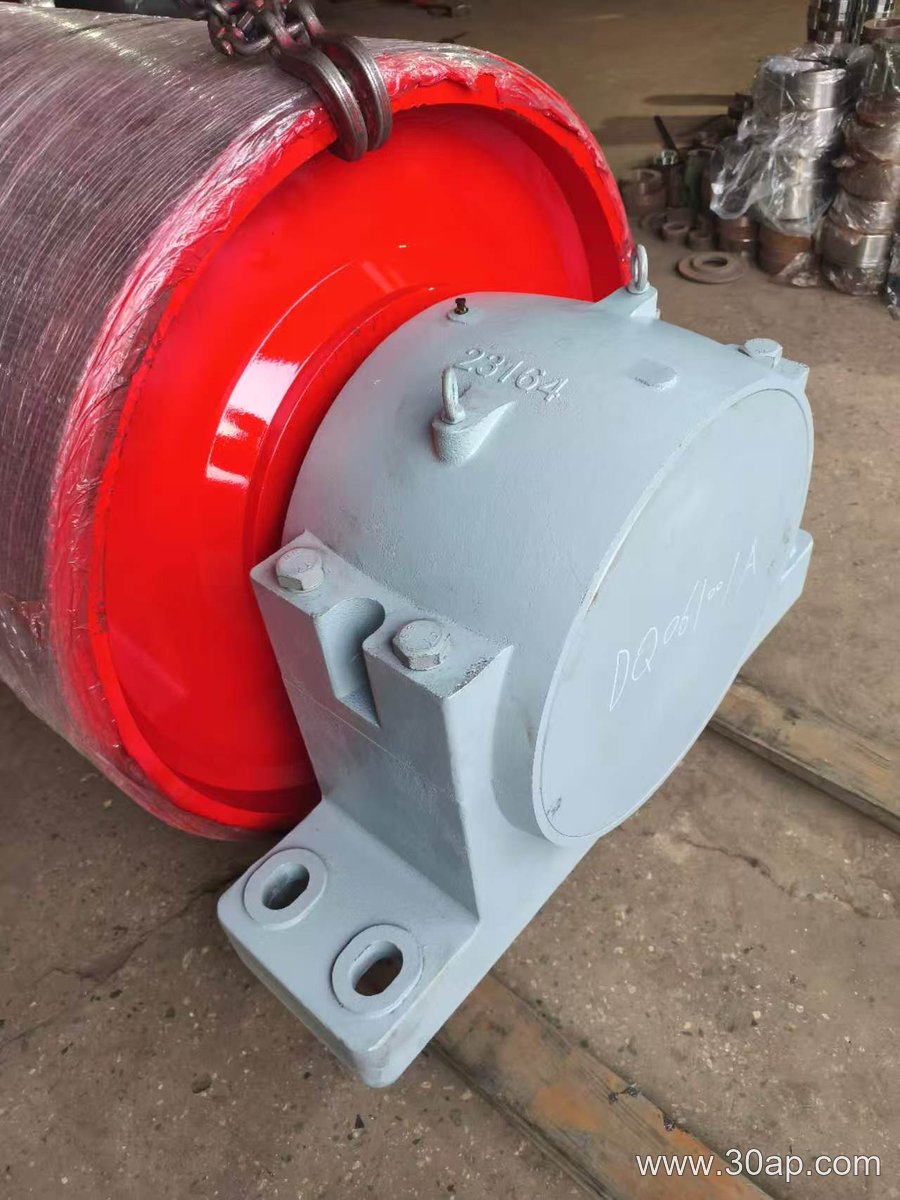
The conveyor pulley drives or redirects the belt. Choose the right one for reliability and efficiency.
Key Selection Factors
- Belt width and load capacity
- Pulley diameter and face length
- Lagging type for grip
- Bearing and shaft design
Purchasing Advice
Match pulley to belt tension, speed, and environment. Verify manufacturer specs and warranty.
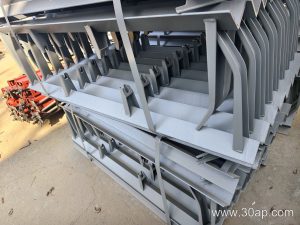
Conveyor Bracket Essentials
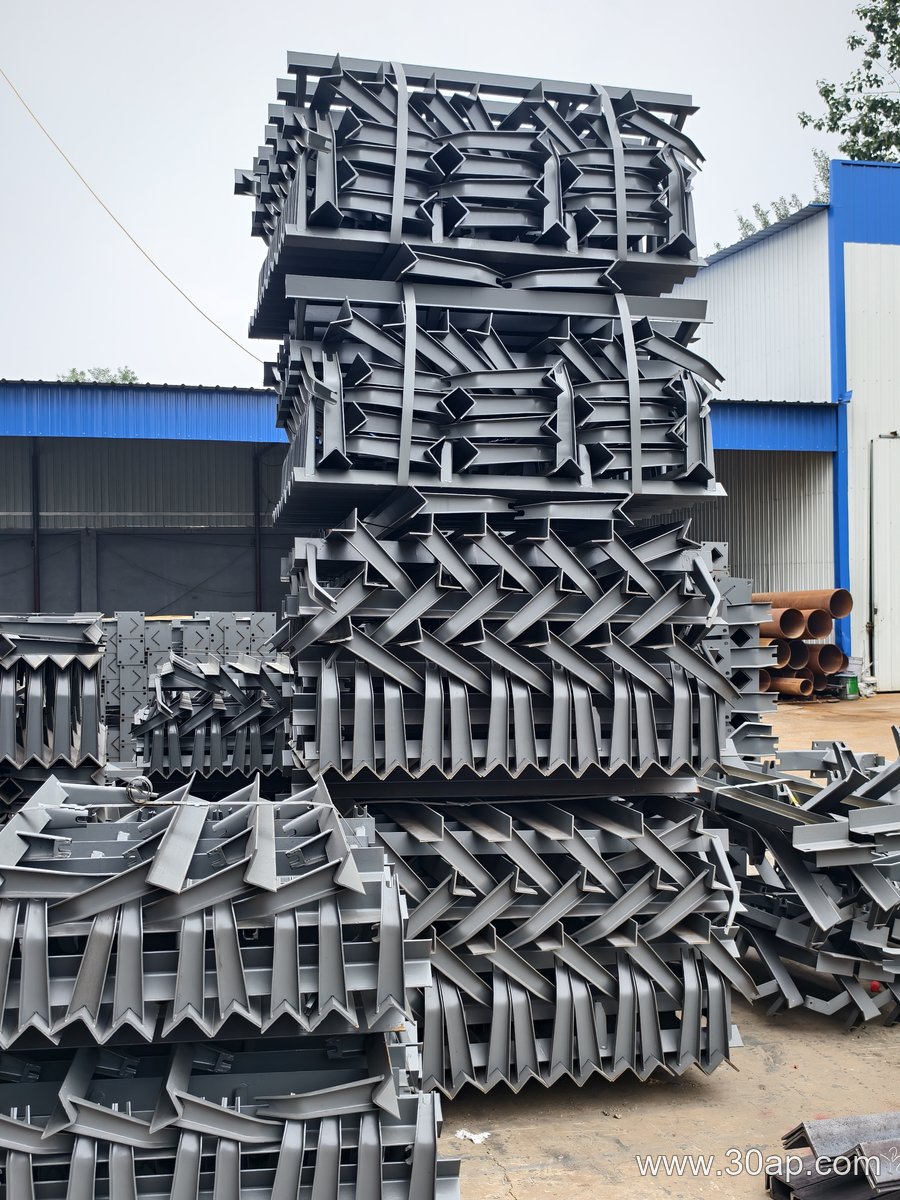
A conveyor bracket supports idlers, rollers, and frames, ensuring alignment and load stability.
Selection Tips
- Match material to load and environment.
- Check hole patterns and mounting compatibility.
- Verify load ratings and corrosion resistance.
Purchasing Advice
Buy from suppliers offering dimensional drawings and batch consistency. Confirm lead times and warranties before ordering.