What Makes an Impact Resistant Conveyor Belt Different
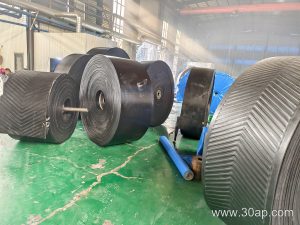
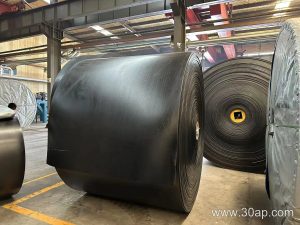
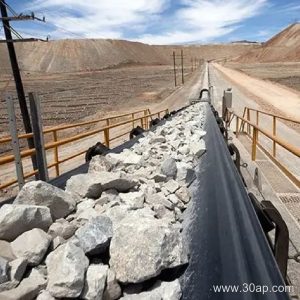
An impact resistant conveyor belt is a heavy-duty rubber conveyor belt engineered to survive the repeated shock of large, sharp, or high-fall material hitting the belt surface. In mines, coal preparation plants, cement kilns, power station coal yards, and sand and gravel yards, the loading point is the most punishing part of the conveyor. A standard belt may cut, gouge, or crack within weeks. The impact resistant variant uses a thicker, tougher top cover and a reinforced carcass so the belt keeps running through that abuse.
This belt is also called a shock-resistant conveyor belt or high-impact conveyor belt. It is not the same as a heat-resistant, oil-resistant, or flame-retardant belt, although those properties can be combined in one product when the application demands it.
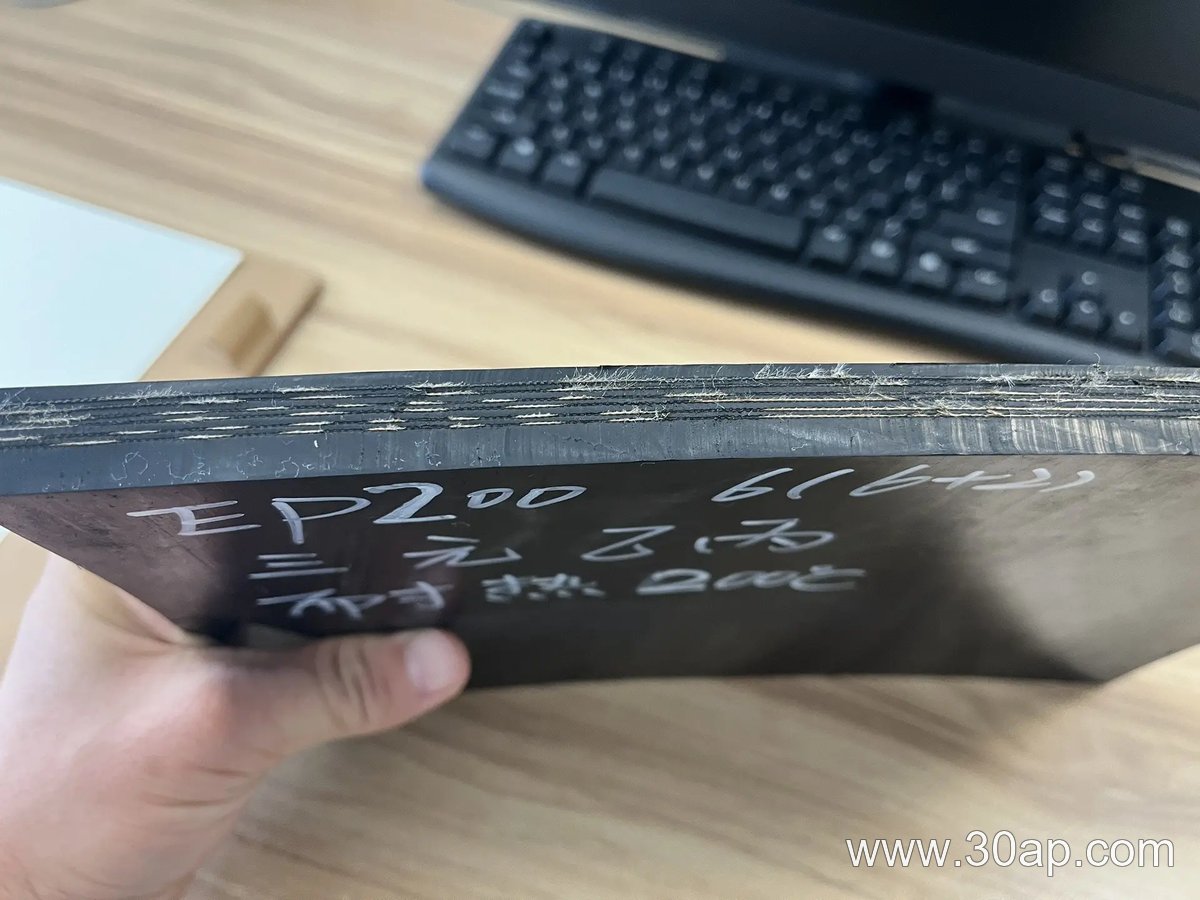
Construction and Key Components
The build starts with the carcass. Common options include EP (polyester-cotton) fabric, NN nylon fabric, and steel cord. For extreme impact, steel cord or high-strength EP constructions are often chosen. The cover rubber is where impact resistance really lives. Typical top cover thicknesses range from 4 mm to 8 mm, with 6+2 mm and 8+3 mm used at primary crusher discharge points. The rubber compound usually has high tensile strength, high elongation, and good cut and tear resistance.
Belt strength is expressed in EP grades such as EP200, EP400, EP630, EP800, EP1000, EP1250, and EP1600. A belt with a stronger carcass can absorb more energy before the fabric plies break. Some designs add a breaker layer or a transverse reinforcement cord under the top cover to spread the point load from a falling lump.
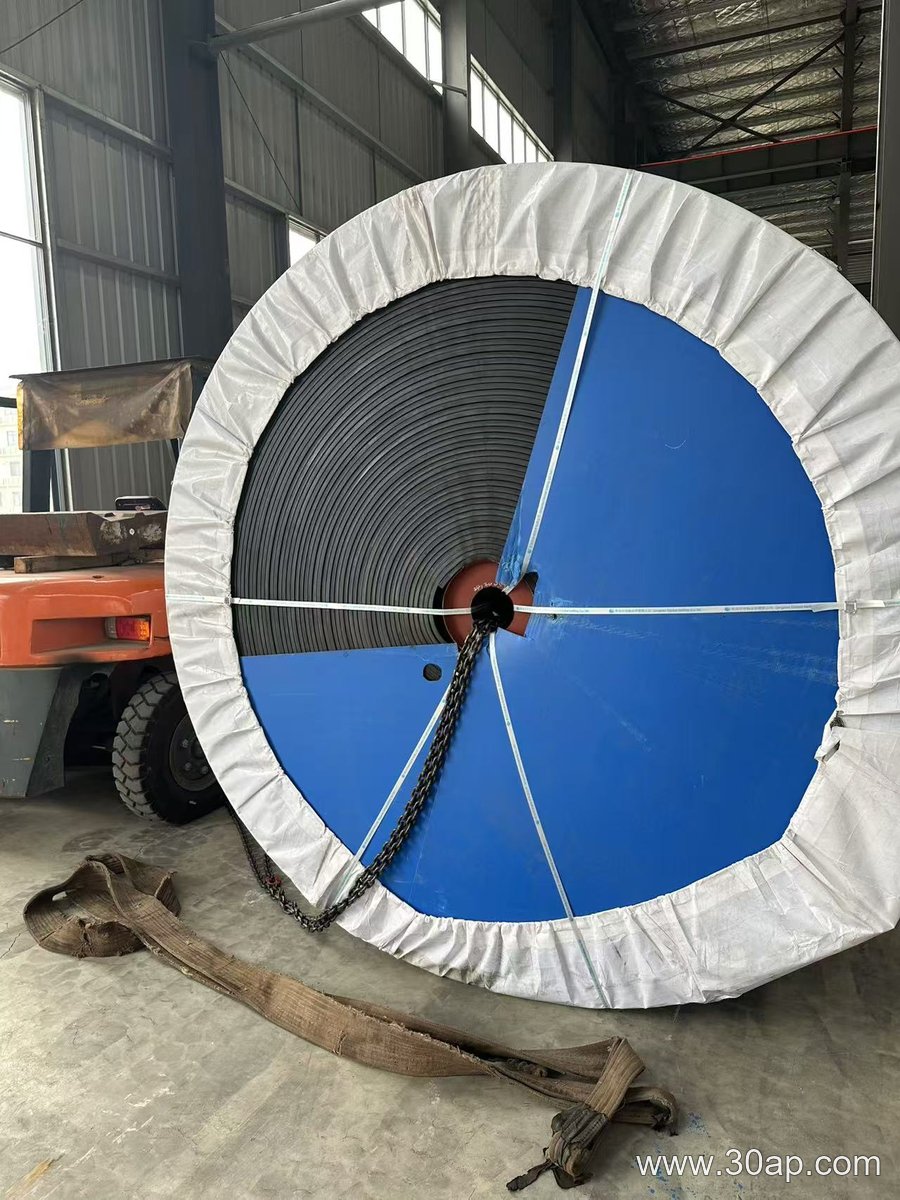
Where It Is Used
Impact resistant belts are common in:
- Primary and secondary crushing stations in metal and non-metal mines
- Coal handling systems at mines, washeries, and power plants
- Cement plants, especially clinker and limestone transport
- Sand and gravel pits with large feed sizes
- Port bulk terminals and steel plant raw material yards
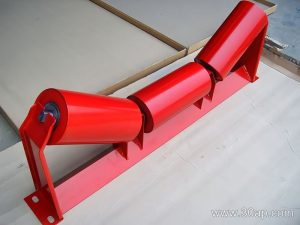
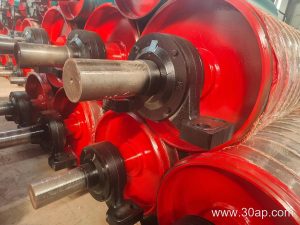
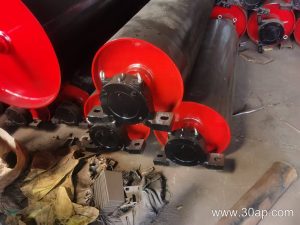
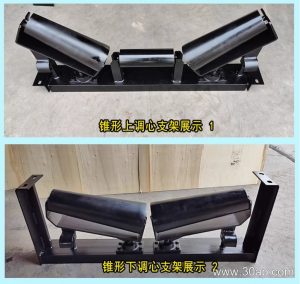
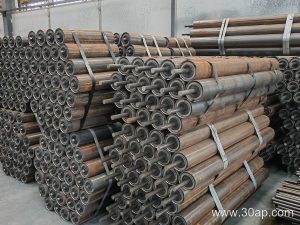
At these points, material may fall several meters onto the belt. The belt works together with idler rollers, a conveyor pulley at the discharge end, and a conveyor bracket that holds the rollers in place. Impact idlers or cushion rollers are often installed under the loading zone to support the belt and absorb part of the energy.
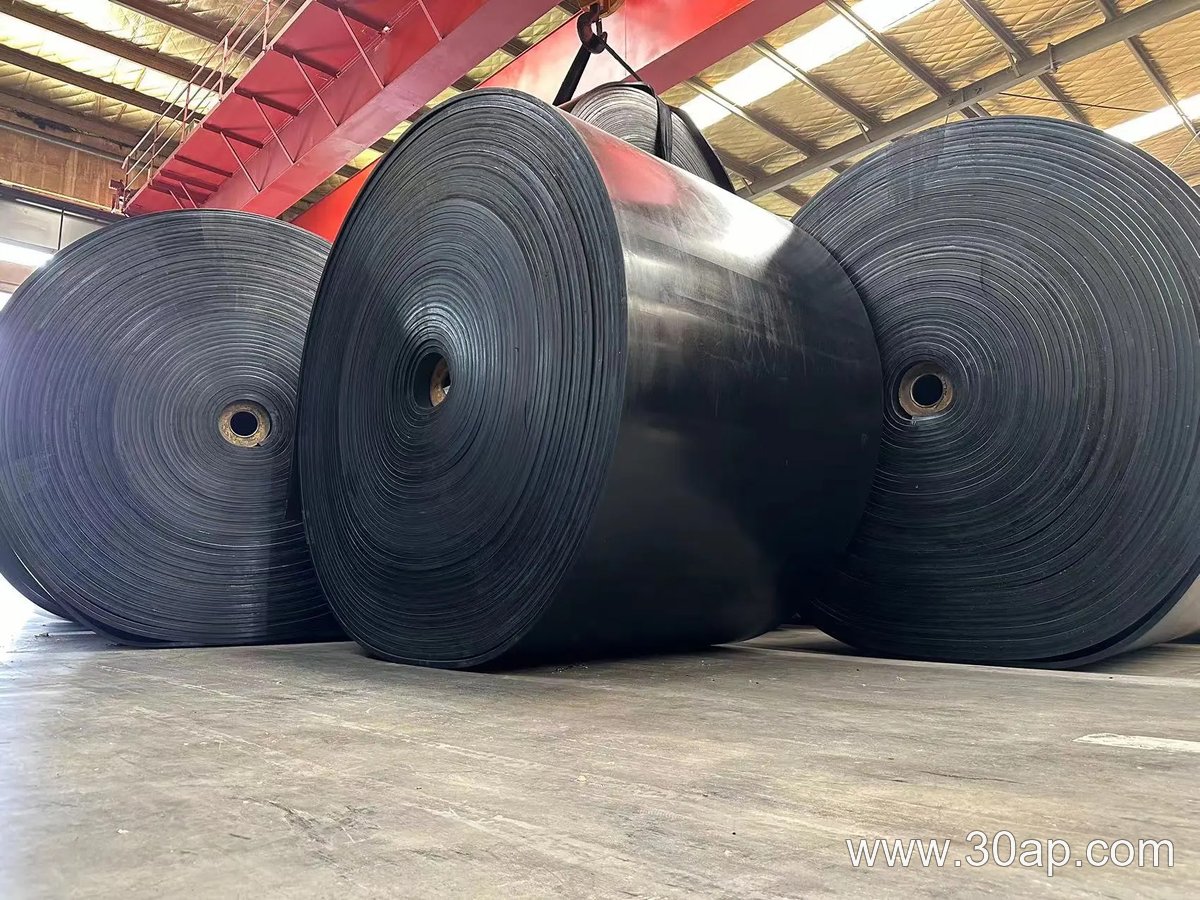
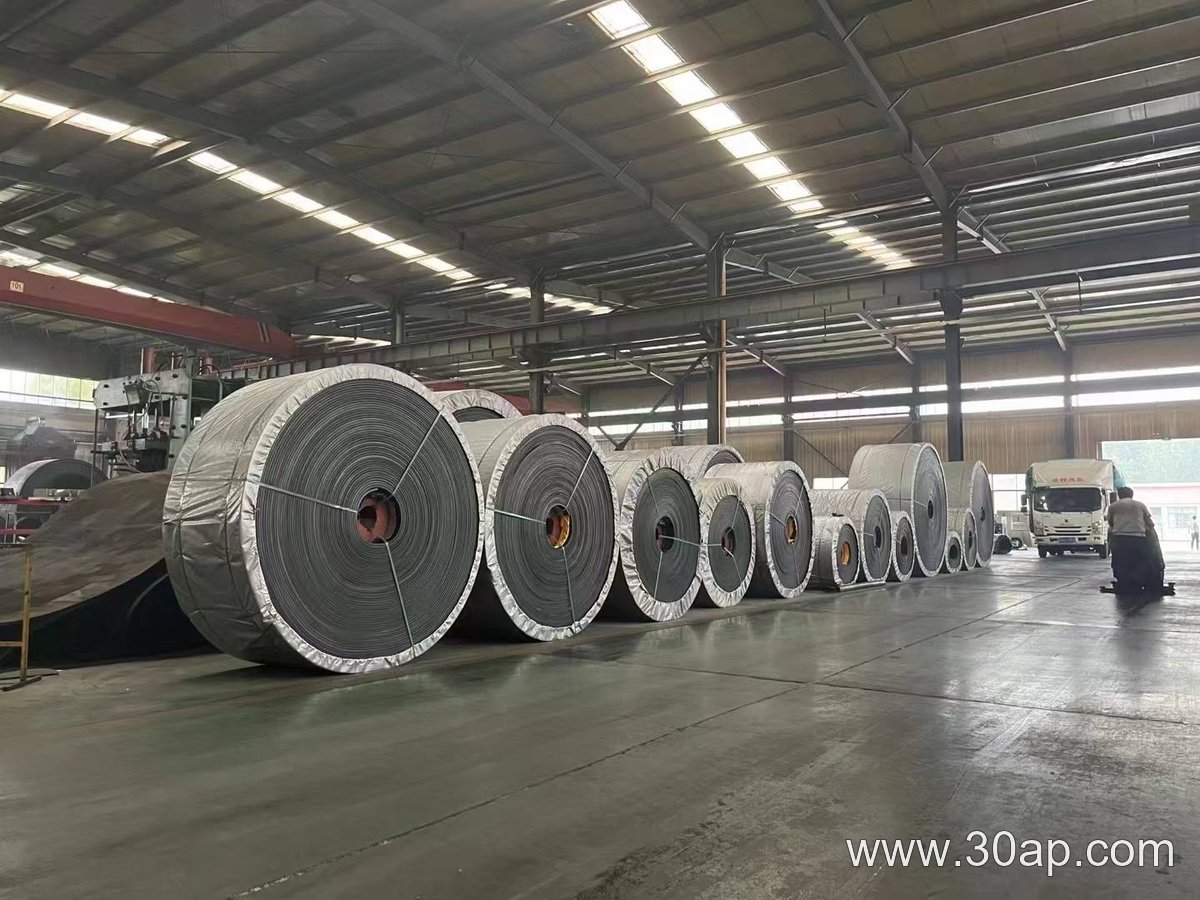
Selection Guide for Buyers
Choosing the right impact resistant belt depends on the material and the drop height, not just the tonnage. The table below gives common reference ranges, but final values should always be confirmed with the belt supplier and the conveyor designer.
| Parameter | Common Range | Notes |
|---|---|---|
| Belt width | B500, B650, B800, B1000, B1200, B1400, B1600, B1800, B2000 | Match to the conveyor frame and material size |
| Fabric type | EP, NN, steel cord | EP and NN are common; steel cord for very high tension |
| Strength grade | EP200 to EP2000 | Higher grade for longer conveyors and bigger lumps |
| Top cover thickness | 4 mm to 8 mm | Thicker cover at primary loading points |
| Bottom cover thickness | 1.5 mm to 3 mm | Depends on pulley side wear |
| Ply count | 2 to 6 layers | More plies for higher strength, not always for impact |
Buyers should also ask about cover rubber hardness, abrasion loss, and whether a breaker layer is included. A belt with a very hard cover may resist cutting but can crack under sharp impact. A softer, highly elastic cover may absorb impact better but wear faster on the top surface. The right balance depends on the material and the loading conditions.
Installation and Maintenance Notes
Even the best impact resistant belt can fail early if the loading chute is poorly designed. Material should hit the belt at a controlled angle and speed, not directly onto the carcass. Impact idlers or a impact bed should be placed under the loading zone. The conveyor pulley at the discharge and the tail pulley should be aligned so the belt tracks centrally. Worn idler rollers can cause the belt to sag and take a harder hit than intended.
Inspect the loading zone regularly for gouges, exposed fabric, and edge damage. Small cuts can grow into full belt breaks if ignored. When splicing, use a method that preserves the impact strength of the carcass, such as a vulcanized splice for high-tension belts.
Summary
An impact resistant conveyor belt is a specialized rubber belt built to survive the toughest loading points in mining, coal, cement, power, and sand and gravel operations. It combines a strong carcass with a thick, tough cover and sometimes extra reinforcement. Buyers should select it by material size, drop height, belt width, strength grade, and cover thickness, and should always confirm the final specification with the manufacturer and conveyor designer.