What Is Belt Conveyor Pulley Lagging?
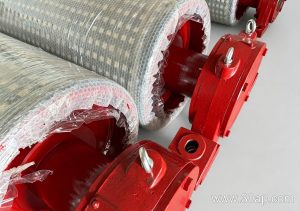
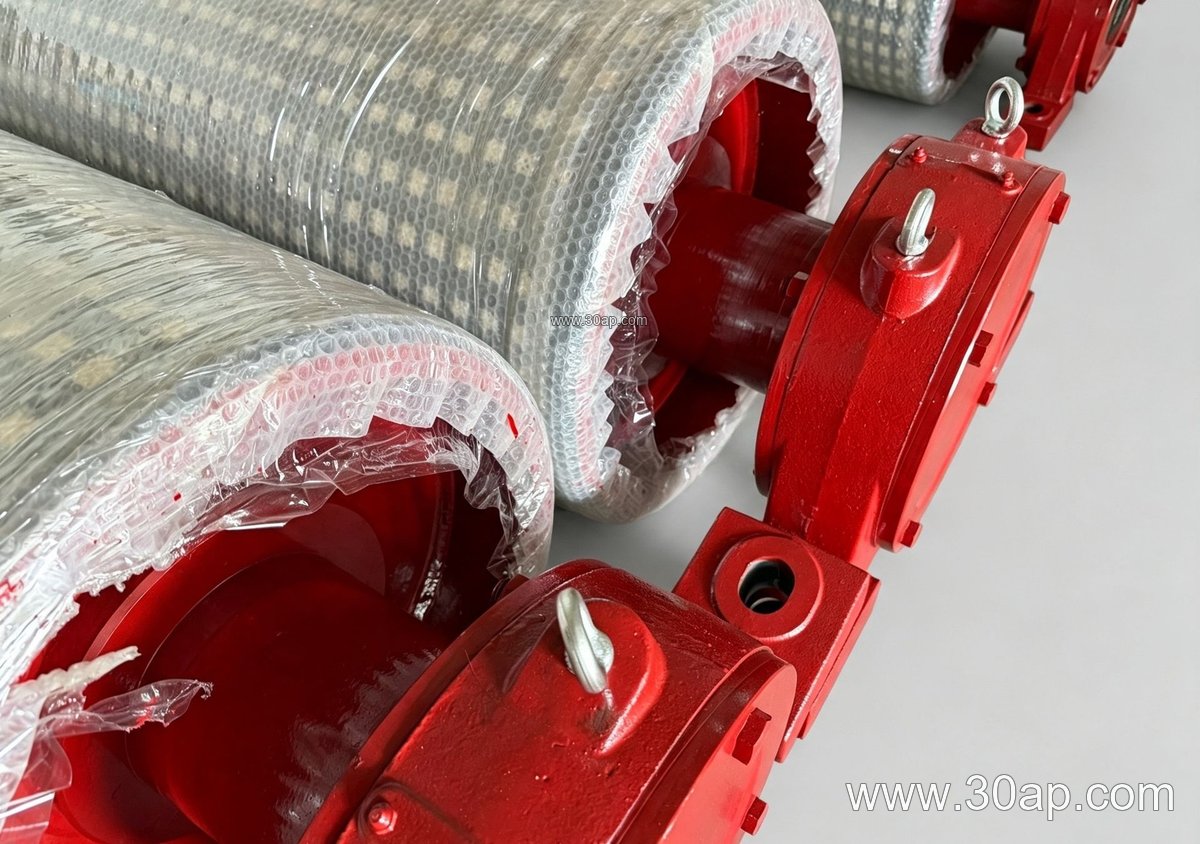
Belt conveyor pulley lagging is the rubber or ceramic layer applied to the drum surface of a conveyor pulley to increase friction between the pulley and the conveyor belt. It protects the pulley shell from wear and, in many cases, helps keep the belt centered. In quarry, cement, and power plant coal handling systems, lagging is often the difference between a belt that tracks cleanly and one that slips under load.
Where Lagging Fits in the Conveyor
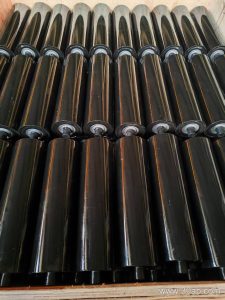
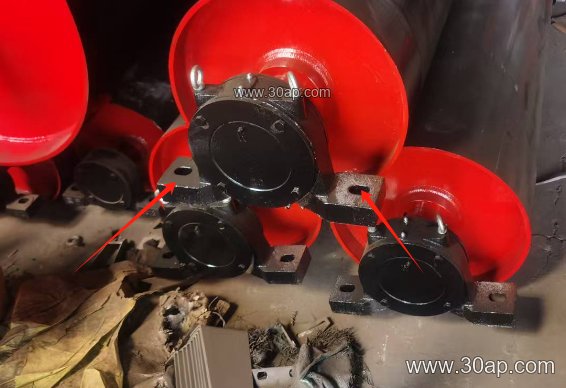
Lagging is most commonly specified for the drive pulley, where torque transfer is critical. It is also used on tail pulleys to reduce material buildup and on bend pulleys in tensioning arrangements. These are distinct positions, and a drive pulley is not interchangeable with a tail or bend pulley; each has its own load and tracking demands. A conveyor pulley with proper lagging works together with the conveyor belt, idler roller, and conveyor bracket to maintain stable operation.
Construction and Surface Forms
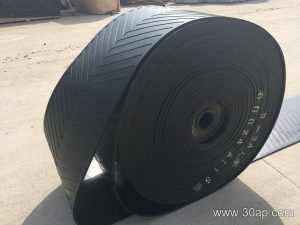
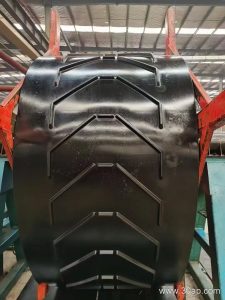
Lagging is usually bonded to the pulley shell by hot vulcanization or cold adhesion. Common surface patterns include plain rubber, diamond groove, herringbone, and ceramic tile. Thickness typically ranges from 8 mm to 20 mm, with 10 mm and 12 mm being frequent choices for general duty. The right pattern depends on the material being conveyed and the amount of water or fines present.
Common Lagging Thickness and Surface Options
| Surface Form | Typical Thickness | Notes |
|---|---|---|
| Plain rubber | 8–12 mm | General purpose, easy to clean |
| Diamond groove | 10–15 mm | Good water shedding |
| Herringbone | 12–15 mm | Helps center the belt |
| Ceramic tile | 15–20 mm | High wear resistance |
These are reference values, not universal specifications. Final thickness and pattern should be confirmed with the pulley manufacturer based on belt tension and material conditions.
Pulley and Belt Width Considerations
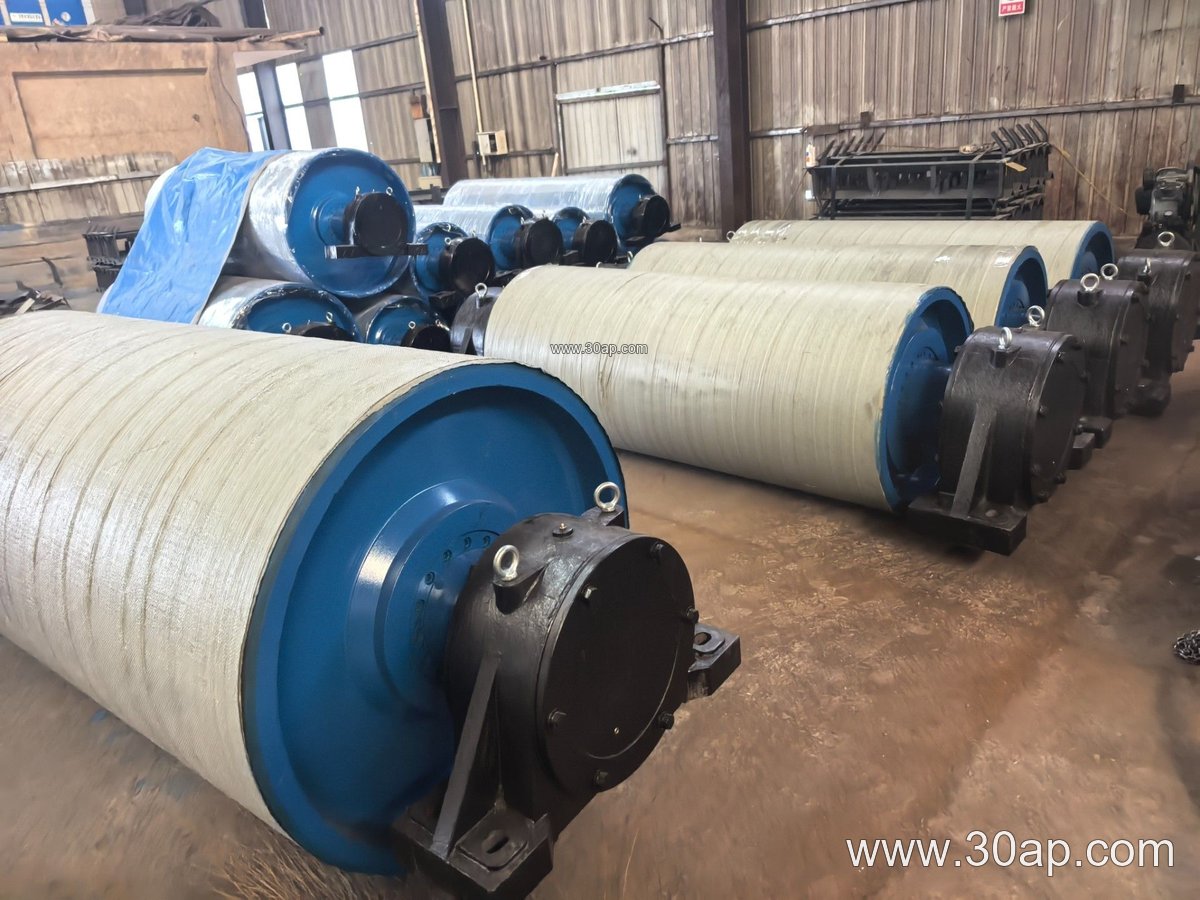
Lagging is applied to the pulley face, and the face width usually exceeds the belt width. For example, a B800 belt often runs on a pulley with roughly 950 mm face width, while a B1200 belt may use about 1400 mm. Diameter is selected by shaft load and torque, not by belt width alone. A B800 conveyor might use a Ø500 pulley in one application and a Ø630 in another. Shaft diameter is determined by torque and load; common shaft sizes include Ø80, Ø100, and Ø120, but no fixed shaft size should be assumed from belt width.
Selection Tips for Buyers
- Match lagging pattern to the material: ceramic for abrasive ores, diamond groove for wet coal or aggregate.
- Confirm pulley position: drive, tail, or bend pulleys have different friction and wear requirements.
- Check bonding method: hot vulcanized lagging generally offers stronger adhesion than cold bonded in high-torque drives.
- Consider belt tracking: herringbone or grooved surfaces can assist centering on long conveyors.
- Review maintenance access: thicker lagging adds wear life but may require more clearance.
Maintenance and Replacement
Inspect lagging for wear, glazing, or missing tiles during scheduled shutdowns. Worn lagging reduces friction and can lead to belt slip, especially on drive pulleys in cement plants or coal yards. Replace lagging when thickness drops below the manufacturer’s recommended minimum or when grooves are worn flat. Keep the conveyor belt and idler roller clean to prevent material carryback that accelerates lagging wear.
Belt conveyor pulley lagging is a small component with a large effect on conveyor reliability. By understanding the application, surface form, and dimensional relationships, buyers can specify lagging that extends pulley life and keeps the belt running smoothly.