What Is a Conveyor Vertical Roller
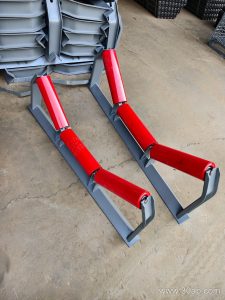
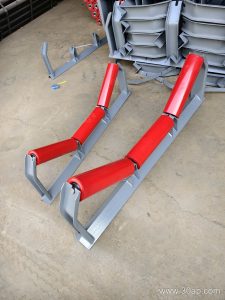
A conveyor vertical roller is a specialized idler roller mounted in a vertical orientation, typically at the loading zone or along the belt edge, to guide the conveyor belt and prevent it from drifting sideways. Unlike standard carrying idler rollers that support the belt from underneath, this vertical roller stands upright and contacts the belt edge or side surface. It is also known as a vertical guide roller or edge control roller. In mining, coal preparation plants, cement kilns, power plant coal handling, and aggregate crushing circuits, this component helps maintain belt alignment where material loading is uneven or where the belt transitions between sections.
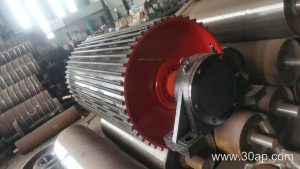
The conveyor vertical roller is not a drive pulley, tail pulley, or bend pulley. Those are completely different components. A drive pulley transmits power to the belt, a tail pulley forms the return end, and a bend pulley changes the belt direction. The vertical roller, by contrast, is a small-diameter idler that spins freely on its shaft and serves a guiding or edge-protection function.
Construction and Key Components
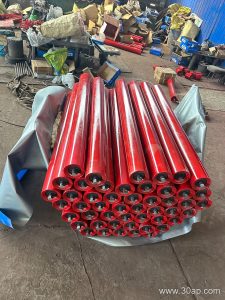
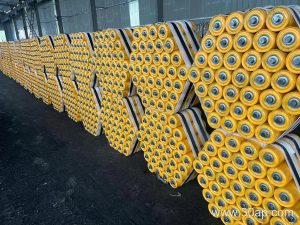
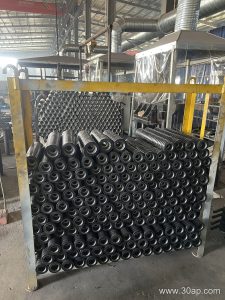
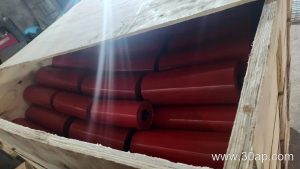
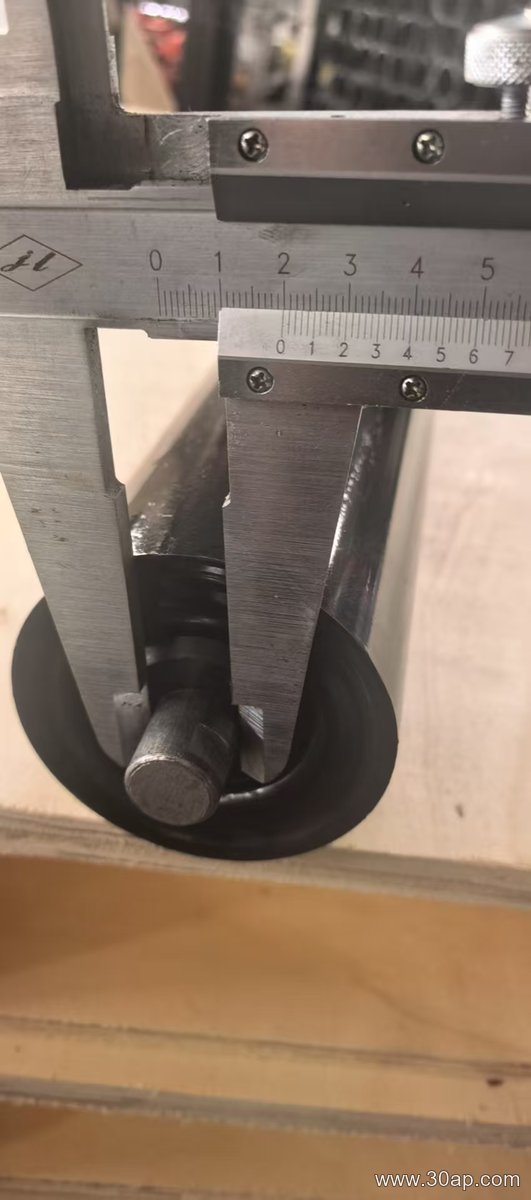
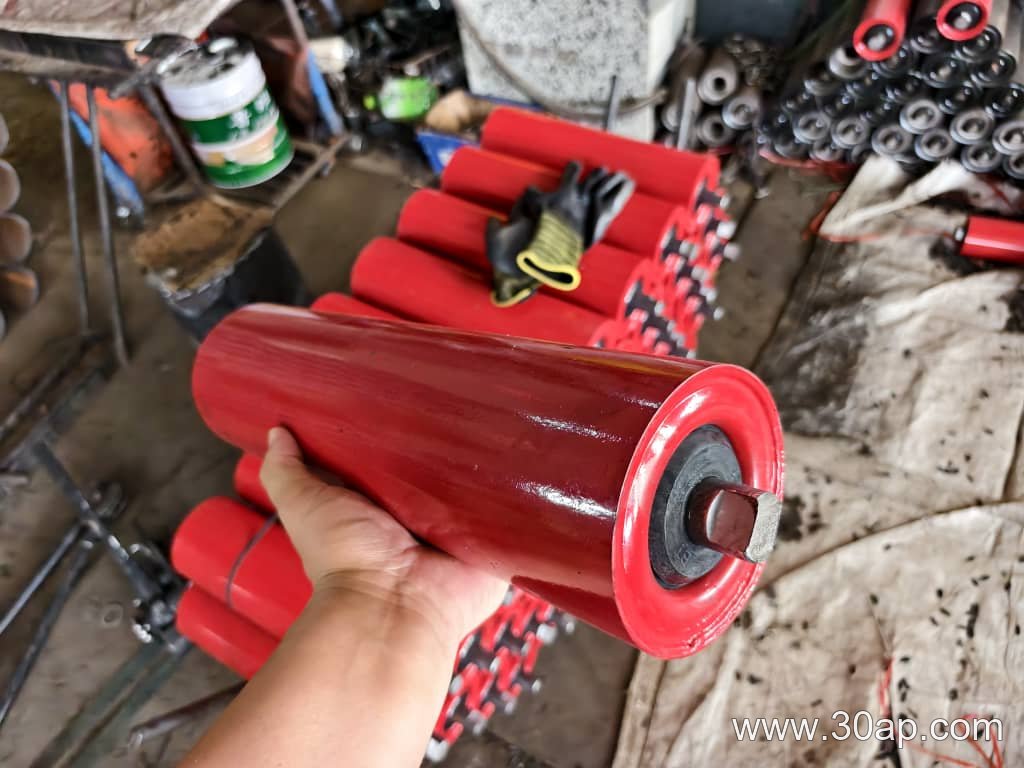
A typical conveyor vertical roller consists of a cylindrical shell, a shaft, bearing housings, and seals. The shell may be made of steel tube, nylon, or ceramic-coated steel, depending on the application. Rubber rings can be added for cushioning or noise reduction. The shaft is usually fixed to a conveyor bracket that bolts onto the conveyor frame. Common roller diameters for this subtype include Ø63, Ø76, Ø89, Ø102, and Ø108 mm, though larger sizes such as Ø127 or Ø133 mm are also used when the belt is heavy or the impact load is high.
Bearings inside the roller are often 6204, 6205, 6305, or 6306, but the exact bearing size depends on the shaft diameter and load rating, not on the belt width alone. Seals are critical because dust, water, and fine particles from materials like coal, limestone, or clinker can destroy bearings quickly. A good labyrinth seal or contact seal extends service life in harsh environments.
Where It Is Used
Conveyor vertical rollers appear in a range of bulk material handling operations. In a quarry or sand and gravel plant, they are often installed at the transfer point where the conveyor belt receives material from a crusher or screen. Here, the belt can be pushed off-center by uneven loading, and the vertical roller provides a positive side constraint. In a coal-fired power station, they may be placed along the edge of the belt on the loading section to keep the belt centered as coal drops from a chute. Similarly, in a cement plant, a vertical roller can guide the belt carrying limestone or gypsum.
They are also used in tunnel muck removal, fertilizer handling, and grain transport, but the working conditions vary widely. A vertical roller for a dusty coal yard needs different sealing than one for a clean grain facility.
Selection Points for Buyers
When choosing a conveyor vertical roller, consider the following factors. First, the belt width and speed. A wider belt, such as B1200 or B1400, may require a larger roller diameter to handle the edge forces. Second, the material being conveyed. Abrasive materials like iron ore or clinker call for a wear-resistant shell, possibly ceramic or thick rubber. Third, the mounting arrangement. The roller must fit the existing conveyor bracket and shaft support. Fourth, the environmental conditions. Wet or corrosive environments demand better seals and possibly stainless steel shafts.
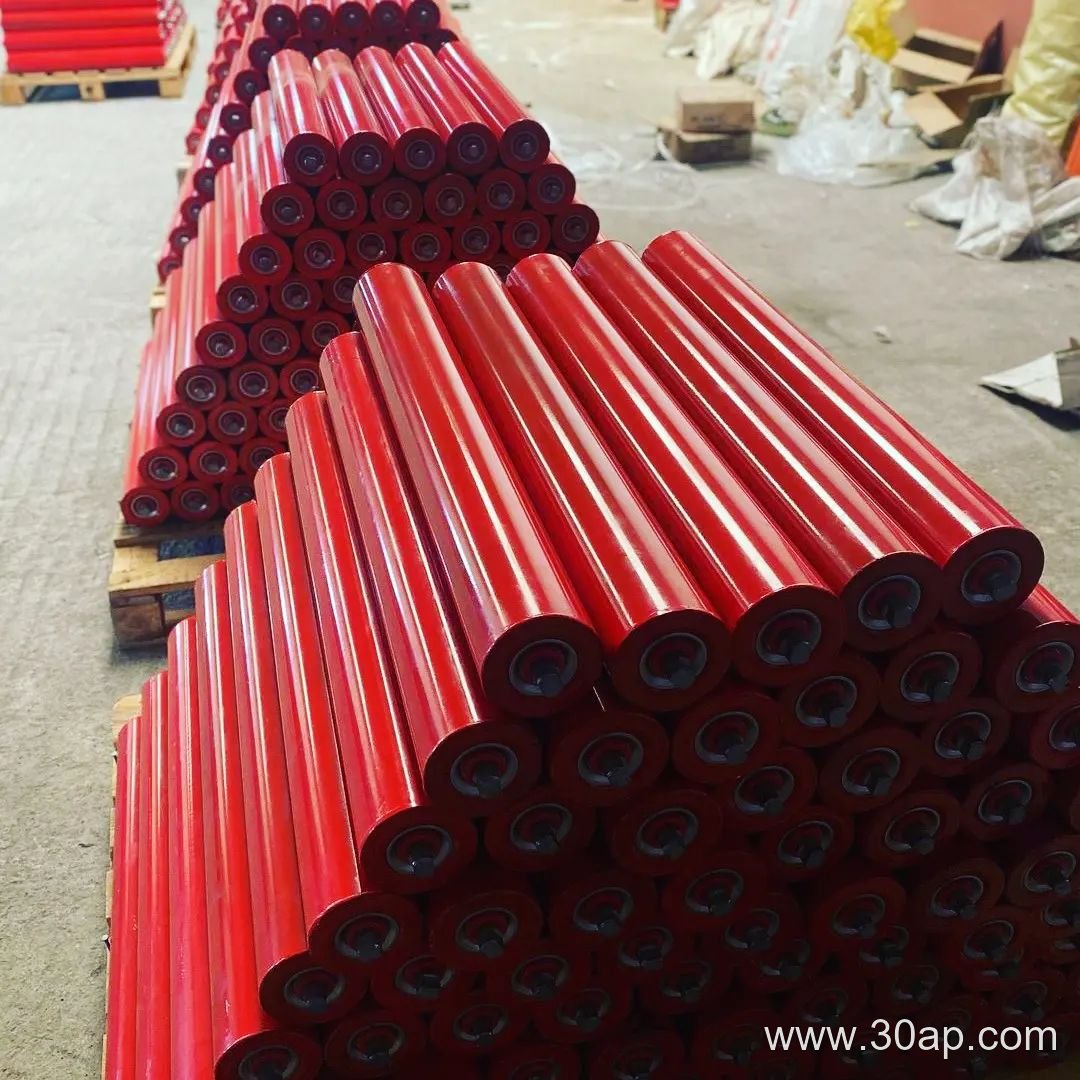
Do not assume that one roller diameter matches only one belt width. A B800 belt might use a Ø89 mm vertical roller in one design and a Ø108 mm roller in another, depending on the load and the conveyor layout. Similarly, shaft diameter is not fixed by belt width alone; it depends on the bracket design and the required strength. Always check the conveyor manufacturer’s specifications or consult an engineer.
Maintenance and Common Issues
Vertical rollers are relatively low-maintenance, but they can fail if bearings seize or seals leak. In a dusty coal plant, a seized vertical roller can rub against the belt and cause edge damage. Regular inspection should check for smooth rotation, abnormal noise, and excessive play. If the roller shell is worn flat or the rubber ring is torn, replacement is needed.
Lubrication is often sealed for life, but some designs allow relubrication. Follow the supplier’s instructions. Keep the area around the roller clean, especially in cement or sand plants where buildup can jam the roller.
Summary
The conveyor vertical roller is a small but important part of a belt conveyor system. It guides the belt, protects the edge, and helps maintain alignment in tough industries such as mining, coal, cement, and power generation. By understanding its construction, typical sizes, and application-specific requirements, buyers can select the right vertical roller for their conveyor and avoid unnecessary downtime.