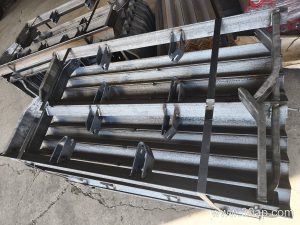
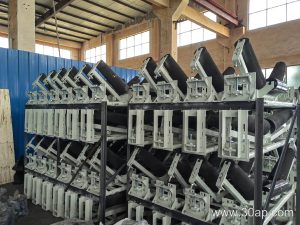
A conveyor bracket is the critical mounting component that secures rollers, idlers, and pulleys to a conveyor frame. Its design directly affects alignment, load capacity, and maintenance downtime.
Selecting the Right Conveyor Bracket
Choose based on load, environment, and frame type. Consider these factors:
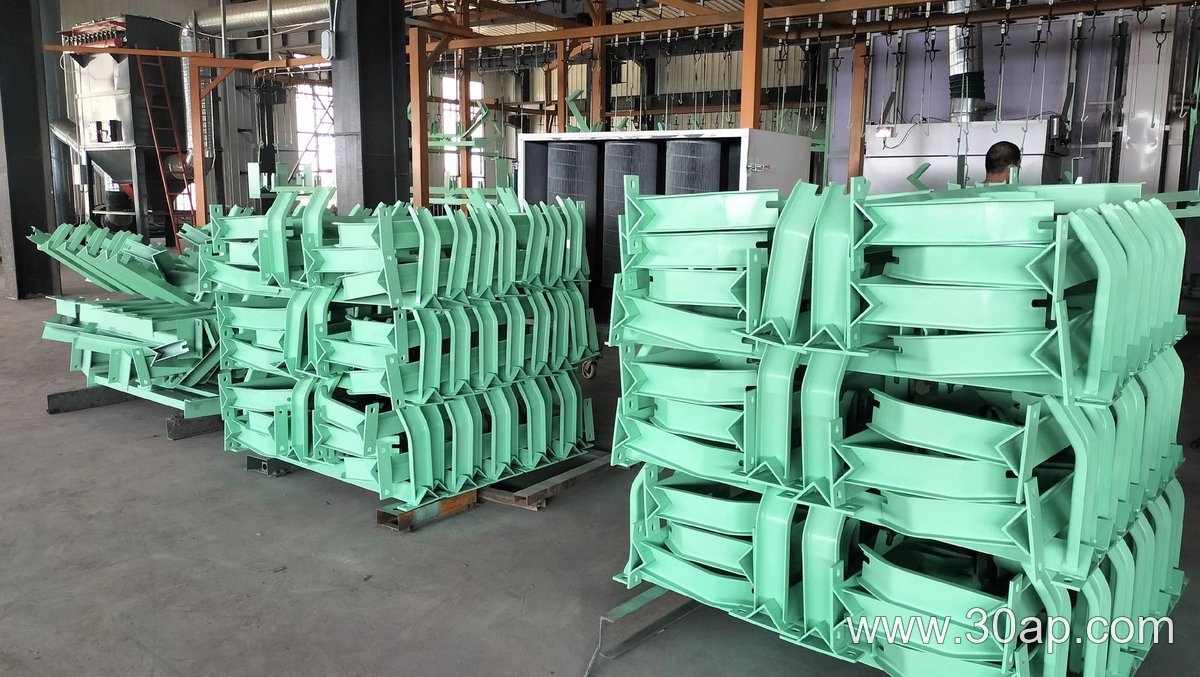
- Material: Mild steel for general use; stainless steel for washdown or corrosive areas.
- Mounting style: Bolt-on, weld-on, or clamp-on for quick adjustments.
- Adjustability: Slotted holes or threaded rods simplify belt tracking.
- Load rating: Match bracket capacity to maximum roller load with a safety factor.
Purchasing Advice
Verify hole patterns and dimensions against your conveyor frame. Prefer brackets with reinforced gussets for heavy loads. For food plants, specify hygienic designs that avoid debris traps. Buy from suppliers offering consistent tolerances and clear load ratings.
Conveyor Belt Selection for Global Buyers
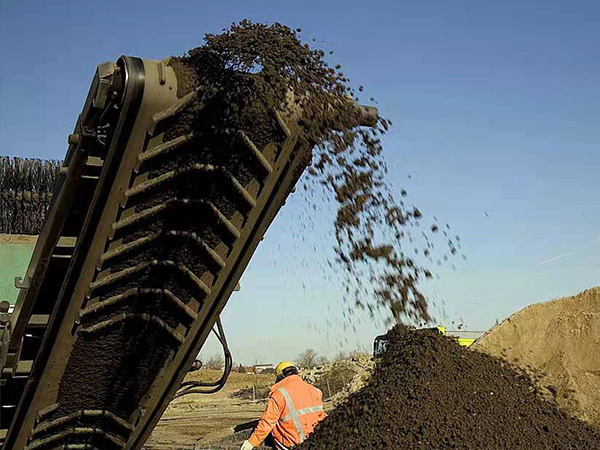
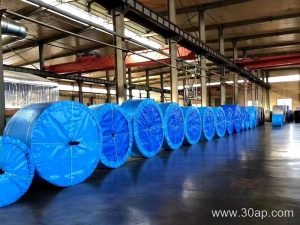
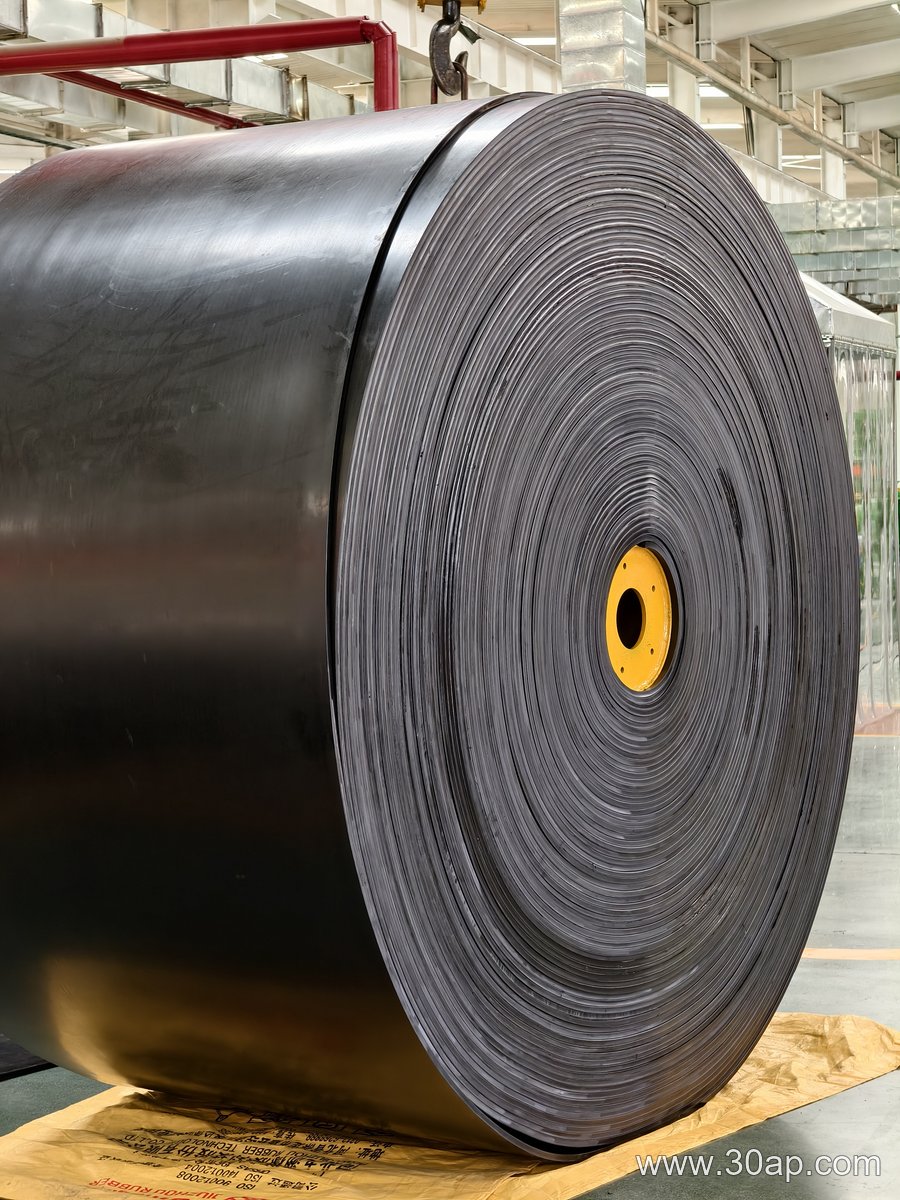
A conveyor belt is the core of any material handling system. Exporters must match belt type, material, and strength to the application and destination climate.
Key Selection Factors
- Load weight and speed
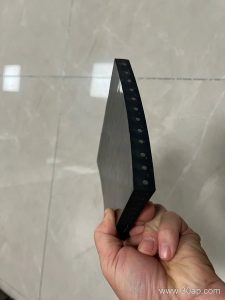
- Material: PVC, rubber, or steel
- Temperature and chemical resistance
- Belt width, ply, and splice type
Purchasing Advice
Request test reports, verify ISO standards, and confirm shipping durability. Compare total cost, not just price.
Idler Roller Essentials for Industrial Export Buyers
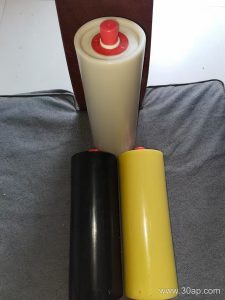
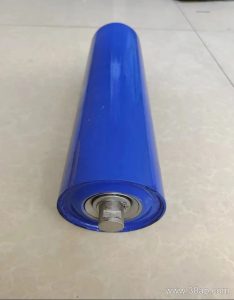
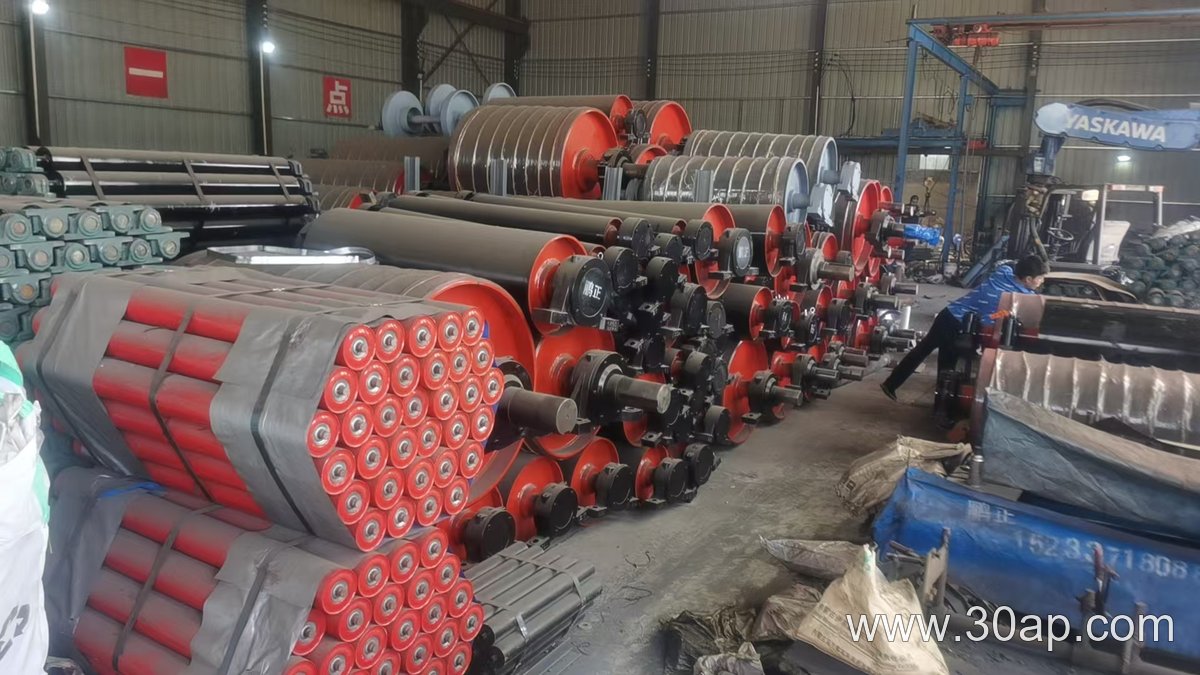
An idler roller supports and guides conveyor belts without driving them. Choosing the right unit reduces downtime, belt wear, and energy costs.
Key Selection Factors
- Load capacity and belt width
- Bearing type: sealed, open, or tapered
- Roller material: steel, stainless, or polymer
- Environmental resistance to dust, moisture, and heat
Purchasing Advice
Verify dimensional tolerances, dynamic balance, and lubrication. Request test reports and sample units before bulk orders. Confirm export packaging and lead times.
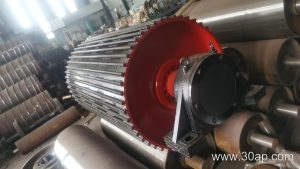
Conveyor Pulley: Core of Belt Conveyor Systems
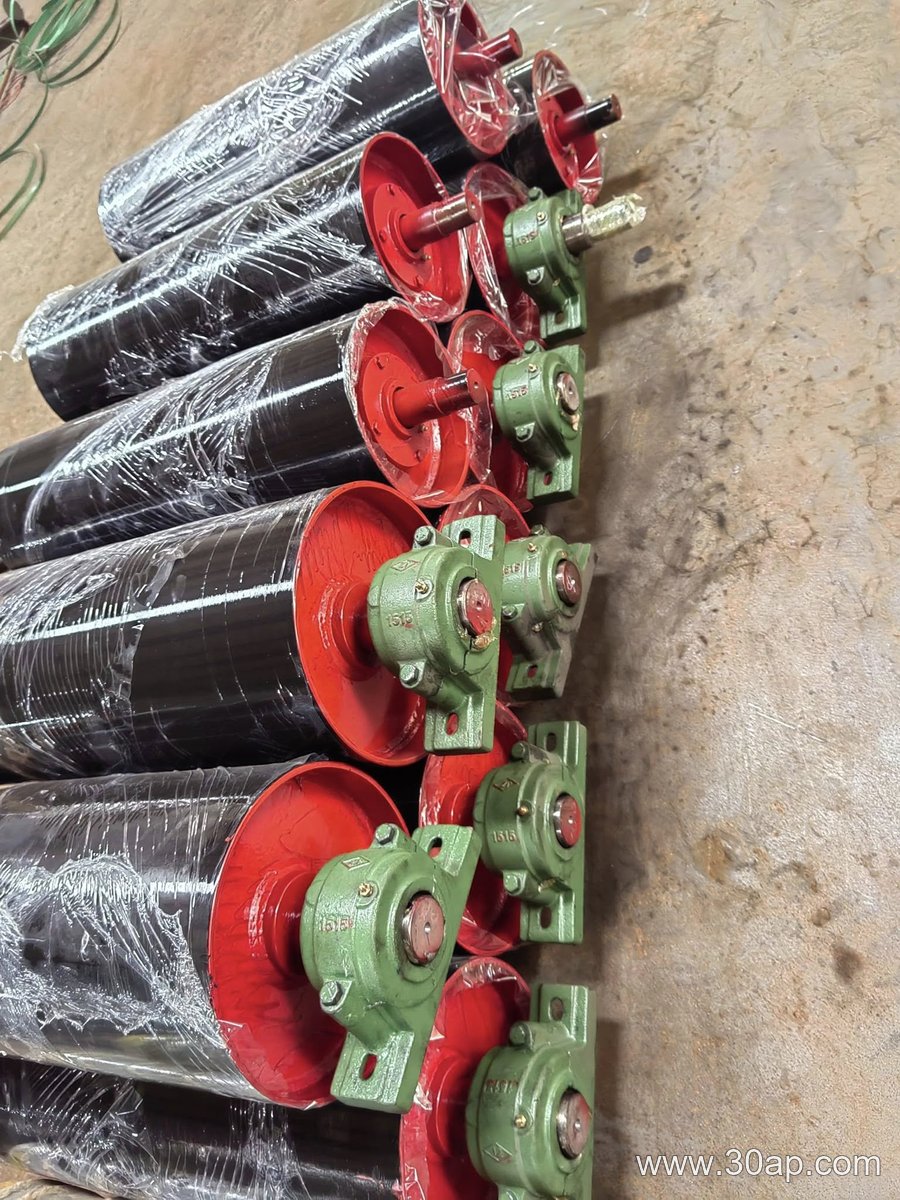
A conveyor pulley drives or redirects the belt. Choose the right one for reliable, efficient material handling.
Key Selection Factors
- Belt width, tension, and speed
- Pulley diameter and face length
- Lagging type for grip
- Shaft, bearing, and hub design
Purchasing Advice
Verify load capacity, balance, and finish. Request test reports and warranty. Compare total cost, not just price.