What the Ø127 Conveyor Idler Is and Where It Fits
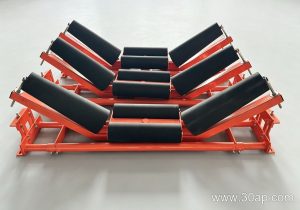
The Ø127 conveyor idler is a carrying or return roller with a nominal shell diameter of 127 mm. In practice, it is often called a 127 mm idler roller or a Ø127 belt conveyor roller. This diameter sits in the middle-heavy range of idler sizes, so it turns up on medium and wide belts where the load per roller is higher than a small diameter can handle comfortably. You will see it in coal preparation plants, cement kilns and clinker lines, iron ore and copper concentrator plants, power station coal yards, and aggregate crushing and screening circuits. It is a workhorse component, not a specialty item, and it is usually chosen because the belt width and the material load call for a sturdier roller than Ø89 or Ø108 can provide.
How the Roller Is Built
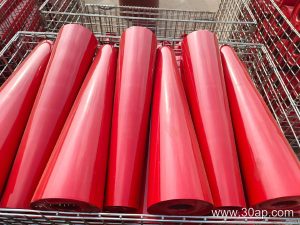
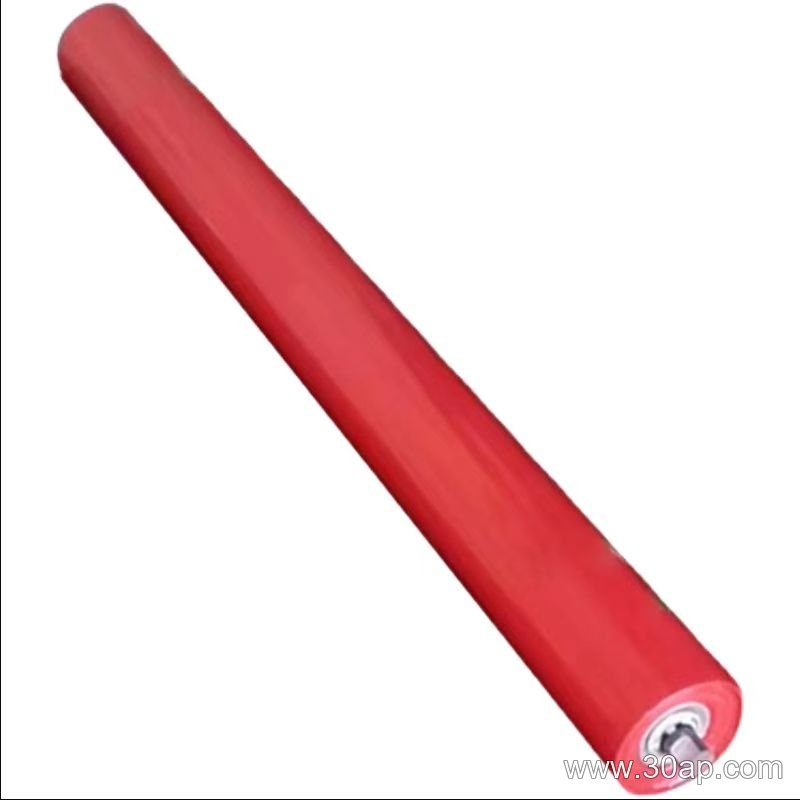
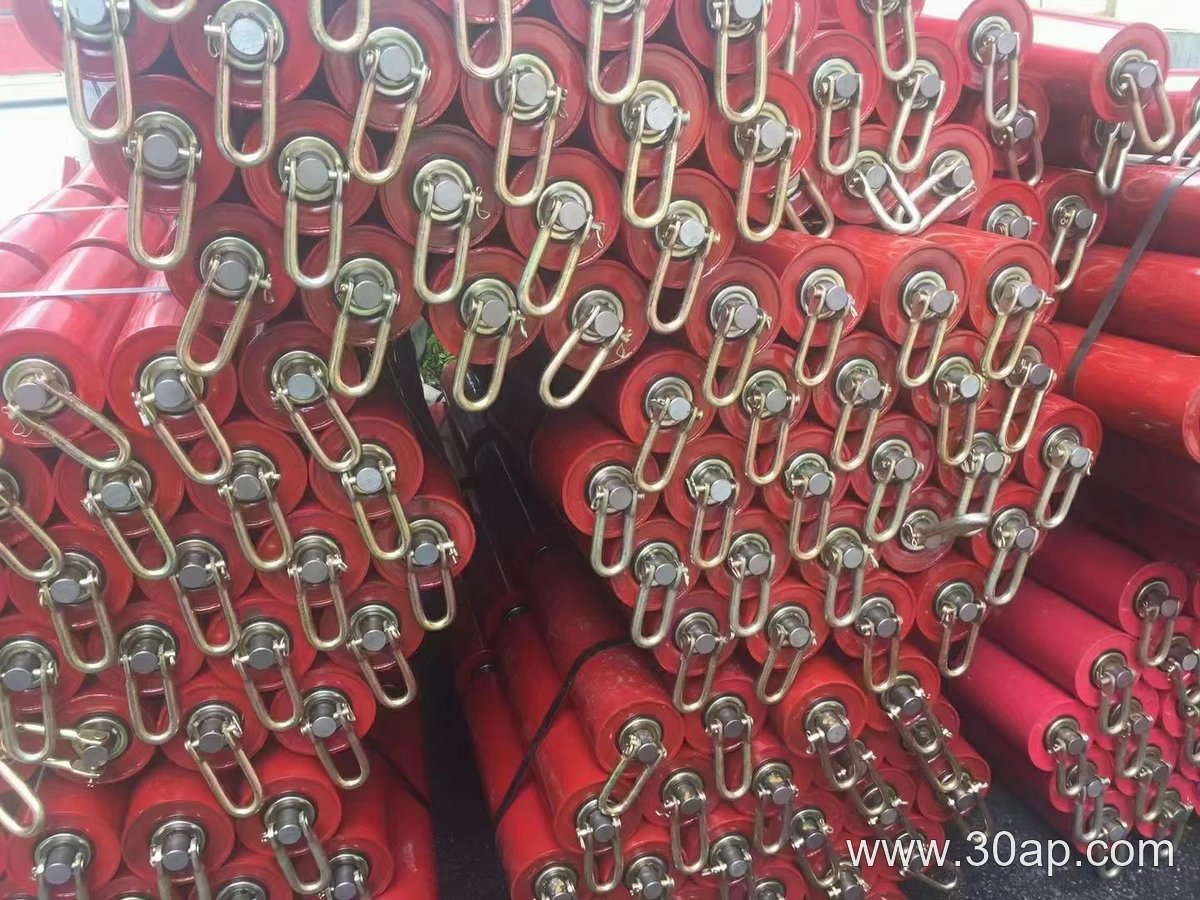
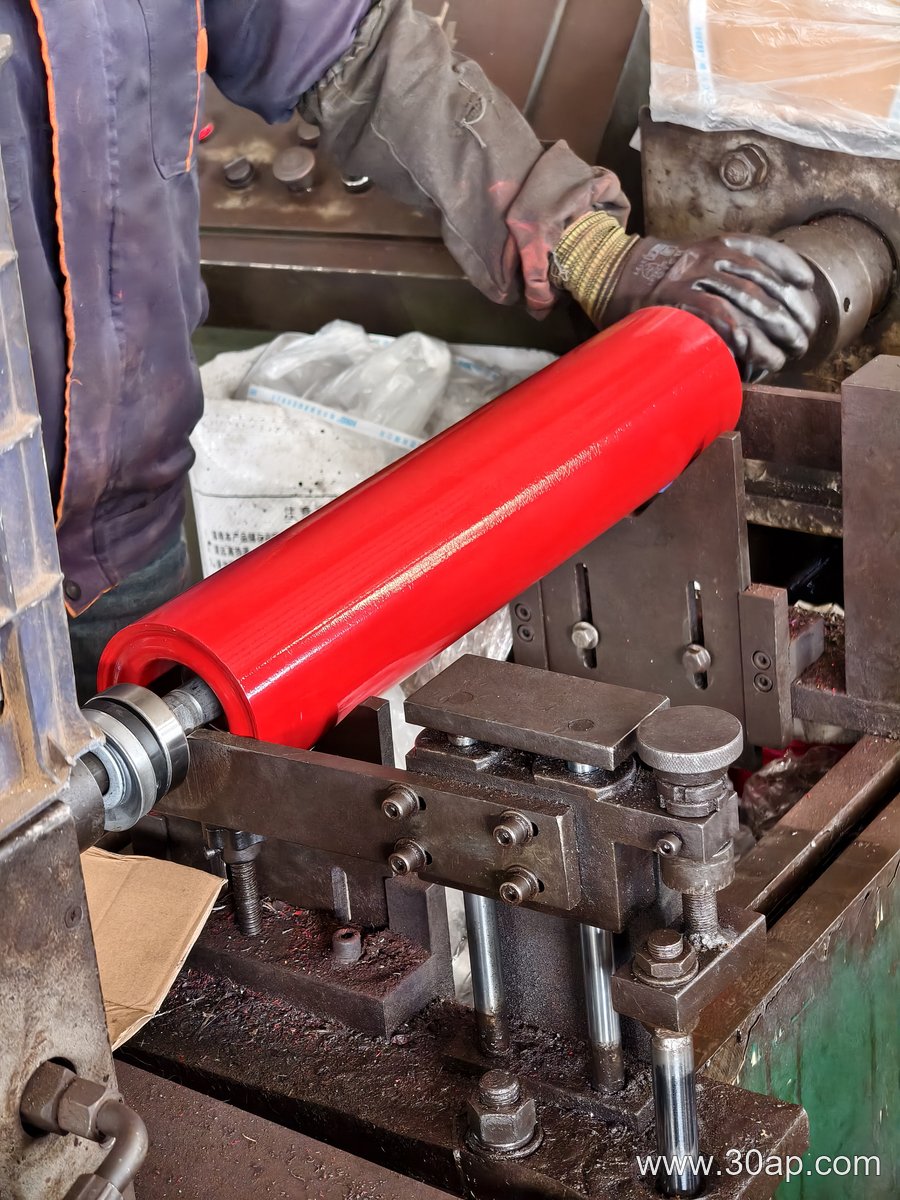
A typical Ø127 idler is made from a steel tube shell, pressed end caps, a shaft, and a bearing housing on each side. The shell can be plain steel, nylon-coated, or covered with rubber rings for buffer service. Bearings are commonly 6205, 6305, 6306, or 6308, but the bearing size is selected by the roller manufacturer according to load, speed, and sealing arrangement, not by diameter alone. Sealing is the detail that separates a long-life roller from a short-life one. Labyrinth seals, contact seals, and grease-filled housings all appear in this diameter class. The shaft ends usually sit in a conveyor bracket or frame, and the roller must be free to rotate with minimal drag.
Common Arrangements and Dimensions
The Ø127 roller is often used in three-roll troughing sets, two-roll sets, and single-roll return positions. Trough angles are usually 20, 30, 35, or 45 degrees. A forward tilt of about 1.5 to 2 degrees is sometimes used on training idlers. Roll length changes with belt width and trough form. The table below gives common reference values, not fixed rules.
| Belt width | Typical roller length for three-roll troughing |
|---|---|
| B650 | 250 mm |
| B800 | 315 mm |
| B1000 | 380 mm |
| B1200 | 465 mm |
| B1400 | 530 mm |
| B1600 | 600 mm |
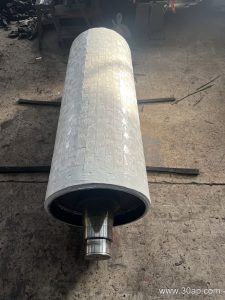
Side rollers and center rollers can differ in length. A belt width does not lock you into one pulley diameter, and a Ø127 idler should not be treated as a universal match for every B1000 or B1200 conveyor. The conveyor pulley at the drive, tail, or bend position is a separate component with its own diameter and face length. Do not confuse those pulleys with troughing or return idlers.
Where It Works Best
This diameter is a good fit for primary and secondary crushing circuits, sinter plants, coal handling, and cement raw material transport. In a quarry or sand and gravel line, it handles the return strand and the carrying side where lumps and abrasive fines are present. In a coal washing plant, sealed versions help keep fine coal dust out of the bearing. In a power plant coal yard, the roller may run for long hours at moderate speed, so low friction and good alignment matter more than extra thickness. Buffer idlers with rubber rings are used at transfer points, while plain steel rollers are common on the main carrying run.
What a Buyer Should Check
- Confirm the belt width, trough angle, and roller length before ordering.
- Check the shaft diameter and the mounting bracket dimensions; these are not derived from belt width alone.
- Ask about bearing size, seal type, and grease fill rather than assuming a standard.
- Match the roller surface to the duty: steel for general service, rubber rings for impact, nylon or ceramic where wear or buildup is a concern.
- Remember that a Ø127 idler is not a drive, tail, or bend pulley, and it should not be ordered as one.
For a reliable conveyor, the idler roller must suit the belt, the material, and the surrounding structure. A Ø127 conveyor idler is a practical choice when the load and belt width call for a mid-heavy roller, but the final selection should come from the conveyor design, not from a single diameter number.