What a Drive Pulley Does on a Conveyor
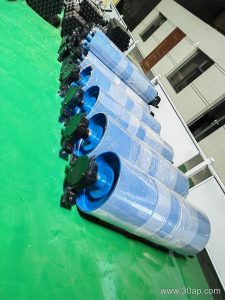
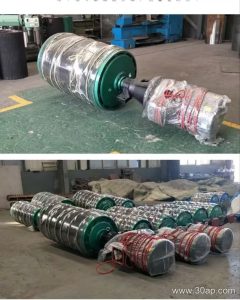
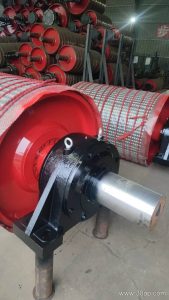
The drive pulley is the powered drum that transfers torque from the gearbox or motor to the conveyor belt. It is often called the head pulley when it sits at the discharge end, but the two terms describe the same functional unit only when the head pulley is also the driving drum. In a typical bulk handling line, this drum pulls the belt, while idler rollers support the belt along the carrying run and a tail pulley or bend pulley handles redirecting and tensioning duties. These are separate components and should not be used interchangeably.
The drive pulley works together with the conveyor belt to move material in industries such as coal washing plants, cement clinker lines, iron ore concentrators, power plant coal feeding, and sand and gravel aggregate yards. Its design must match the belt width, the required torque, and the environment.
Construction and Surface Options
A drive pulley is built around a cylindrical shell, two end discs, a shaft, and a locking assembly or keyed hub. The shell may be smooth or covered with a rubber lagging to increase friction between the drum and the belt. Common surface forms include plain finish, cold-bonded rubber, hot vulcanized rubber, diamond lagging, herringbone lagging, and ceramic lagging. Lagging thickness is often 8 mm, 10 mm, 12 mm, 15 mm, or 20 mm, depending on the required grip and wear conditions.
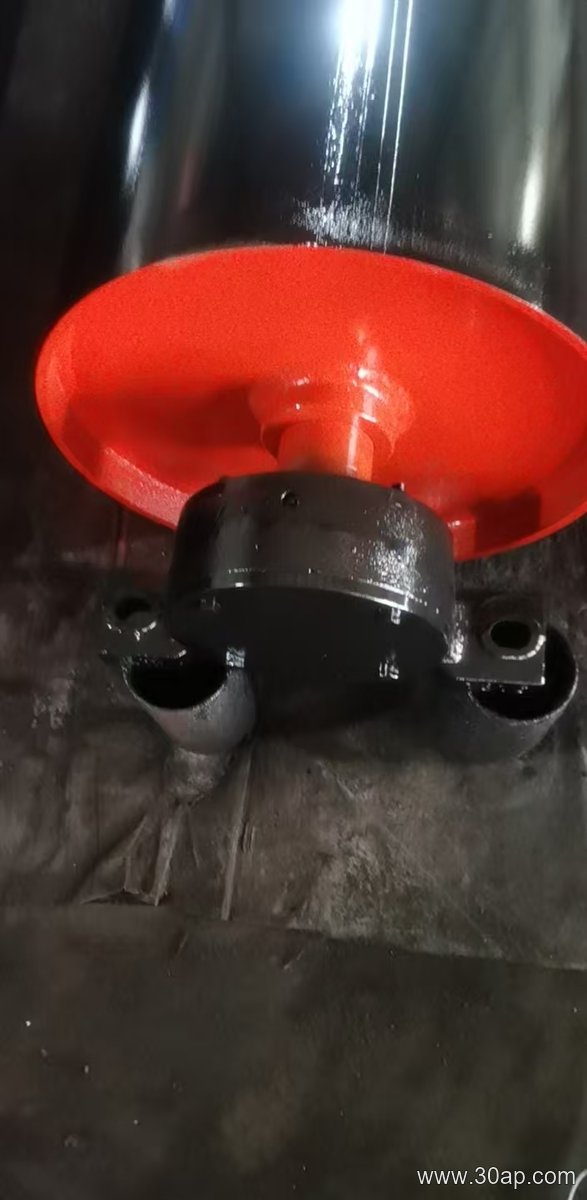
The shaft diameter is determined by torque and load, not by belt width alone. Typical shaft sizes range from Ø50 mm up to Ø200 mm or more. A common mistake is to assume that a certain belt width must always use one fixed shaft diameter. In reality, the drive pulley shaft is selected after calculating the belt tension, starting torque, and shock loads.
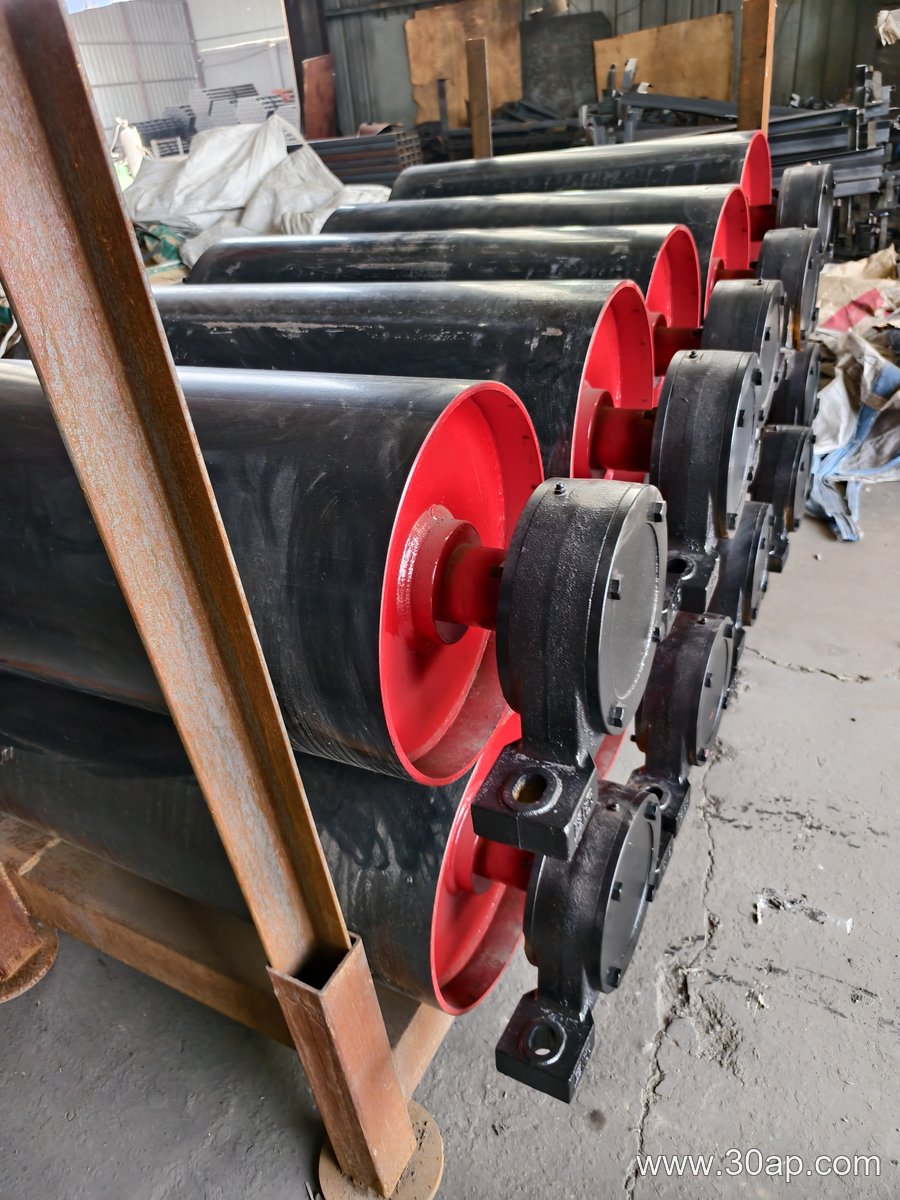
Common Dimensions and Combinations
Drive pulleys are made in many diameter and face width combinations. The table below shows reference values, not mandatory pairings. A B800 belt may run on a Ø500 drive pulley in one conveyor and a Ø630 drum in another, depending on the application.
| Belt Width | Typical Pulley Face Width | Example Drive Pulley Diameter |
|---|---|---|
| B400 | ≈500 mm | Ø200, Ø250, Ø315 |
| B500 | ≈600 mm | Ø250, Ø315, Ø400 |
| B650 | ≈750 mm | Ø315, Ø400, Ø500 |
| B800 | ≈950 mm | Ø400, Ø500, Ø630 |
| B1000 | ≈1150 mm | Ø500, Ø630, Ø800 |
| B1200 | ≈1400 mm | Ø630, Ø800, Ø1000 |
| B1400 | ≈1600 mm | Ø800, Ø1000, Ø1250 |
| B1600 | ≈1800 mm | Ø1000, Ø1250, Ø1400 |
| B1800 | ≈2000 mm | Ø1250, Ø1400, Ø1600 |
| B2000 | ≈2200 mm | Ø1400, Ø1600, Ø1800 |
These values are for general reference. The actual drive pulley diameter is usually chosen to provide enough belt wrap angle and to keep the belt from bending too sharply. The face width is normally slightly wider than the belt to allow for tracking variations.
Where Drive Pulleys Are Used
In a quarry or limestone mine, a drive pulley often sits at the head end of a primary crushing conveyor. In a coal-fired power plant, it drives the coal handling belt that feeds the bunker. In a cement plant, it may be found on clinker transport or raw material feed lines. The same principle applies in fertilizer plants, grain silos, and tunnel muck removal systems.
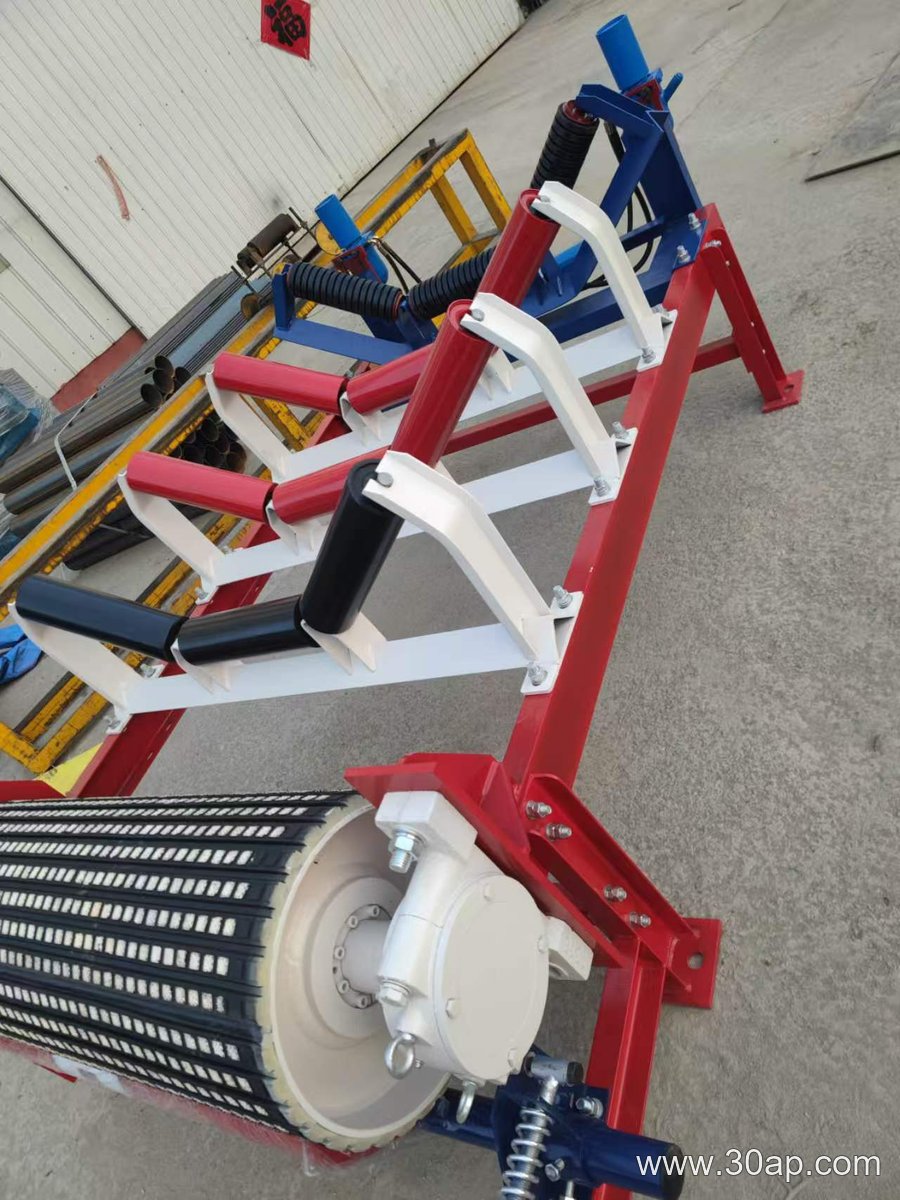
Other pulley types appear in the same conveyor but serve different roles. A tail pulley is usually at the opposite end and may be a tensioning drum. A bend pulley changes the belt direction without driving. A take-up pulley maintains belt tension. These are not interchangeable with the drive pulley.
What Buyers Should Know
When specifying a drive pulley, provide the belt width, the required torque or power, the belt speed, the shaft diameter, the lagging type, and the mounting arrangement. Also mention whether the pulley will be used in a dusty, wet, or corrosive environment. The conveyor bracket and bearing housings must match the shaft and the frame.
- Confirm the belt width and face width.
- State the required diameter and shaft size based on torque.
- Choose lagging according to grip and wear needs.
- Check compatibility with the conveyor belt and idler roller layout.
- Do not assume a fixed diameter for a given belt width.
A well-matched drive pulley helps the conveyor start smoothly and reduces belt slip. For heavy-duty applications in mining or cement, a larger diameter and thicker lagging may be preferred, but the final choice should always follow the actual engineering calculation and supplier data.