What an Impact Idler Bracket Does at the Load Point
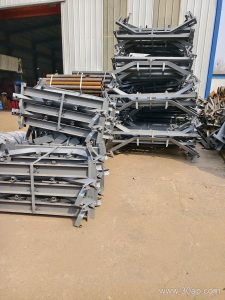
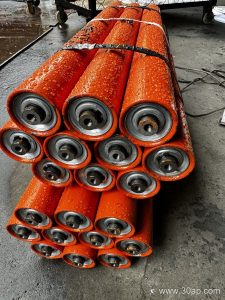
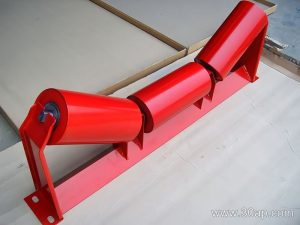
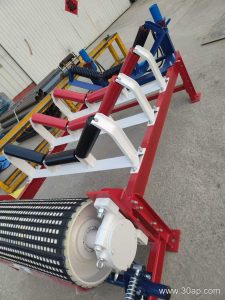
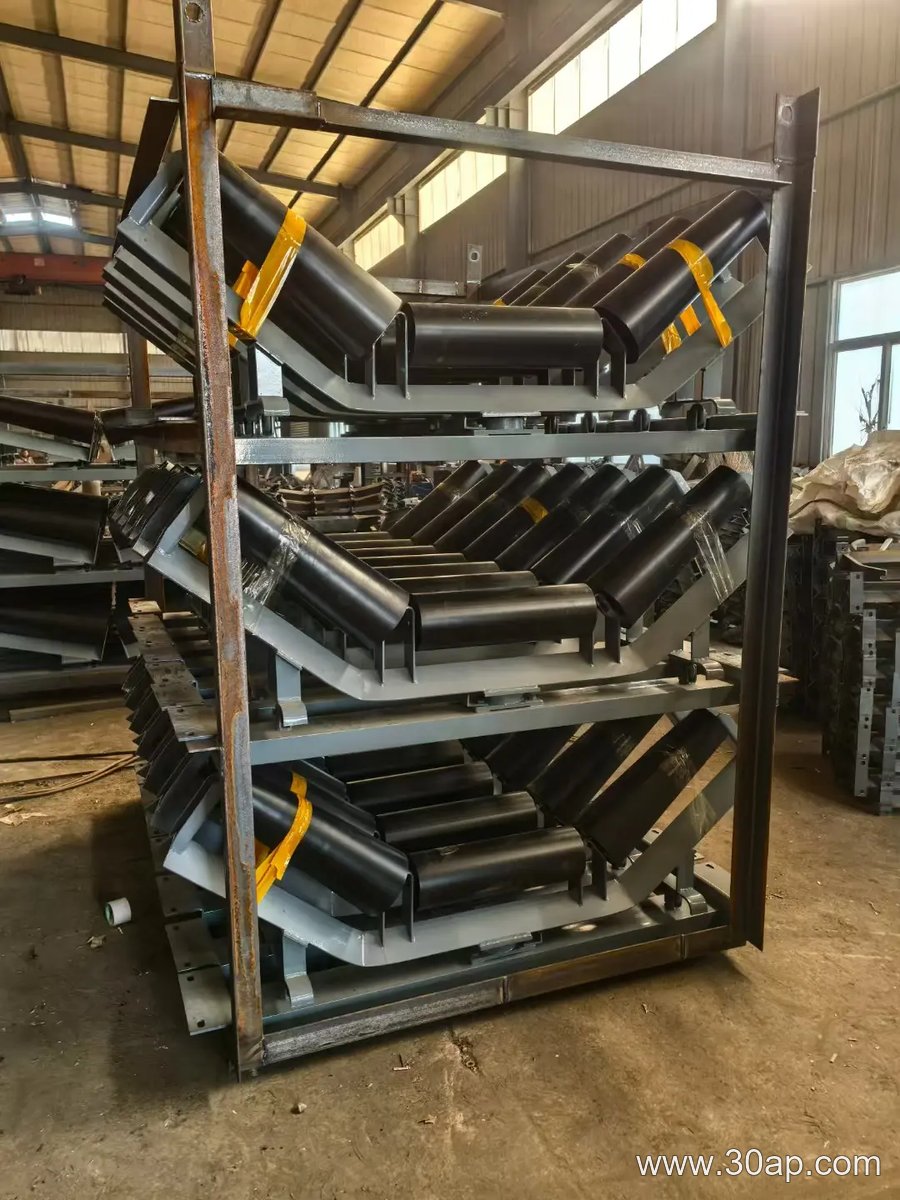
An impact idler bracket is the support structure that holds the impact idler rollers directly beneath the loading chute or transfer point of a belt conveyor. Its job is to keep those rollers in the right position while they absorb the repeated shock of falling material. Without a stable bracket, the idlers shift under load, the belt sags, and spillage or edge damage becomes more likely. The bracket is therefore a small but critical part of the loading zone assembly.
Construction and Common Materials
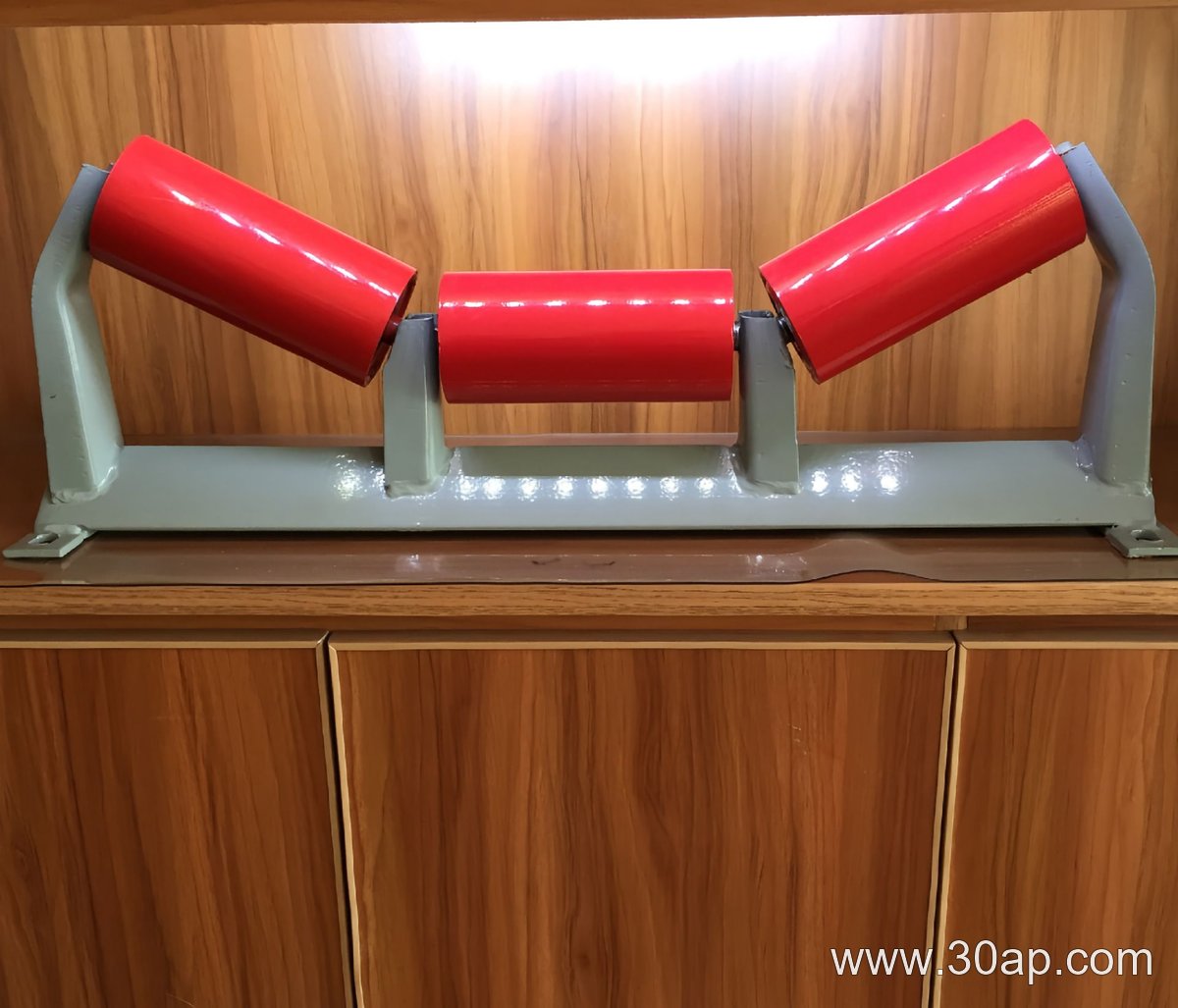
Most impact idler brackets are fabricated rather than cast. Angle steel, channel steel, or folded steel plate are typical starting materials, chosen for stiffness and weldability. The frame usually carries a set of mounting slots or drilled holes so the idler shafts can be positioned at the required trough angle. Rubber or polyurethane rings on the rollers provide the cushioning, but the bracket itself must resist bending and vibration. A well-built bracket keeps the roller axes parallel and maintains consistent contact with the conveyor belt.
Where Impact Idler Brackets Are Used
These brackets appear wherever material falls onto the belt with significant force. In a limestone quarry, they sit under the primary crusher discharge. In a coal preparation plant, they support the belt beneath the screen feed. Other common locations include crushing and screening circuits, cement plant clinker transfer points, and tunnel muck loading stations. The bracket is not usually found along the straight carrying run; that is the domain of standard troughing idler brackets. The impact version is reserved for the high-shock zone.
Relationship to Belt Width, Trough Angle, and Roller Diameter
Selection is not a single-size matter. Belt width, trough angle, and roller diameter all influence the bracket dimensions. A bracket for a B800 belt at 35 degrees will differ from one for a B1200 belt at 45 degrees. The table below shows common reference combinations, but these are examples only, not fixed rules.
Typical Reference Combinations
| Belt Width | Trough Angle | Roller Diameter |
|---|---|---|
| B650 | 30 degrees | Ø89 |
| B800 | 35 degrees | Ø108 |
| B1000 | 35 degrees | Ø133 |
| B1200 | 45 degrees | Ø133 |
| B1400 | 45 degrees | Ø159 |
| B1600 | 45 degrees | Ø159 |
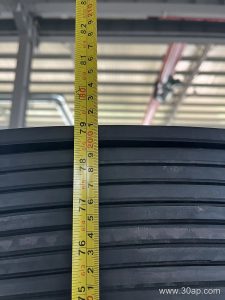
Note that a given belt width can accept more than one trough angle or roller diameter depending on the conveyor design. The mounting hole spacing and crossbeam length change with these choices. A buyer should not assume that a B1000 belt must use a specific roller size. The bracket manufacturer needs the actual belt width, trough angle, roller diameter, and mounting dimensions to supply a compatible unit.
Adjustable and Fixed Versions
Some impact idler brackets are fixed, with the trough angle set at the factory. Others are adjustable, allowing the angle to be changed between common values such as 20, 30, 35, or 45 degrees. Adjustable brackets are useful when the conveyor operates with variable material loads or when the original angle needs correction after commissioning. Fixed brackets are simpler and often more rigid, which can be an advantage in constant, heavy-duty impact zones. Neither type is universally better; the choice depends on the loading conditions and maintenance preferences.
What a Buyer Should Check Before Ordering
- Confirm the conveyor belt width and the required trough angle.
- Verify the impact idler roller diameter and shaft end dimensions.
- Check the mounting hole pattern and crossbeam length against the existing conveyor frame.
- Ask whether the bracket is fixed or adjustable, and whether the adjustment range covers your target angles.
- Consider the material being conveyed and the drop height, since these affect the required impact resistance.
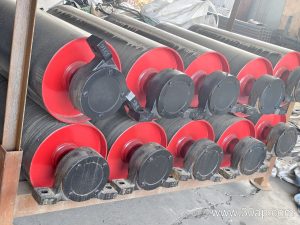
An impact idler bracket is not interchangeable with a drive pulley, tail pulley, or bend pulley. Those are different components with different functions. The bracket works together with the impact idler rollers and the conveyor belt to protect the belt at the load point. When specified correctly, it helps extend belt life and reduce maintenance in one of the most demanding areas of a conveyor system.