What a Carbon Steel Conveyor Bracket Does on a Belt Conveyor
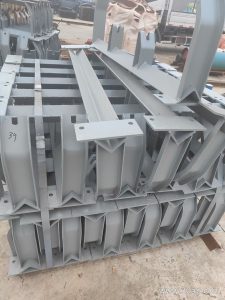
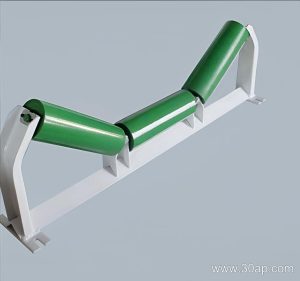
A carbon steel conveyor bracket is the structural frame that holds the idler roller in position along a conveyor line. It carries the weight of the conveyor belt, the material on it, and the rotating idlers, then transfers that load into the conveyor frame. In a coal handling system or a limestone crushing line, these brackets are the quiet, repetitive parts that keep the belt tracking smoothly from the loading point to the discharge end.
Because the bracket is usually fabricated from carbon steel, it offers a good balance of strength, weldability, and cost. It can be formed from angle steel, channel steel, or bent steel plate, depending on the load and the belt width it must support.
How the Bracket Is Built
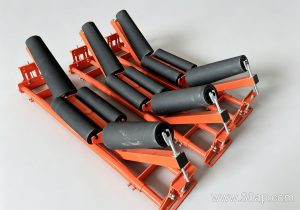
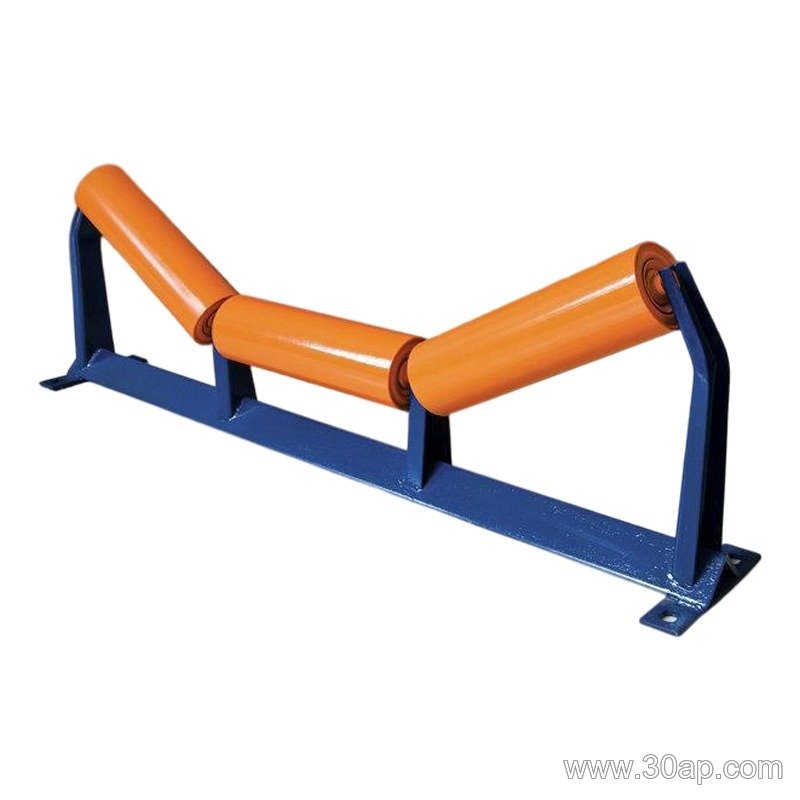
The construction is straightforward but must be accurate, because a twisted or misaligned bracket pushes the belt off center and wears the idler roller edges. A typical unit includes a cross beam, two or three roller seats, mounting holes, and sometimes a slotted adjustment zone.
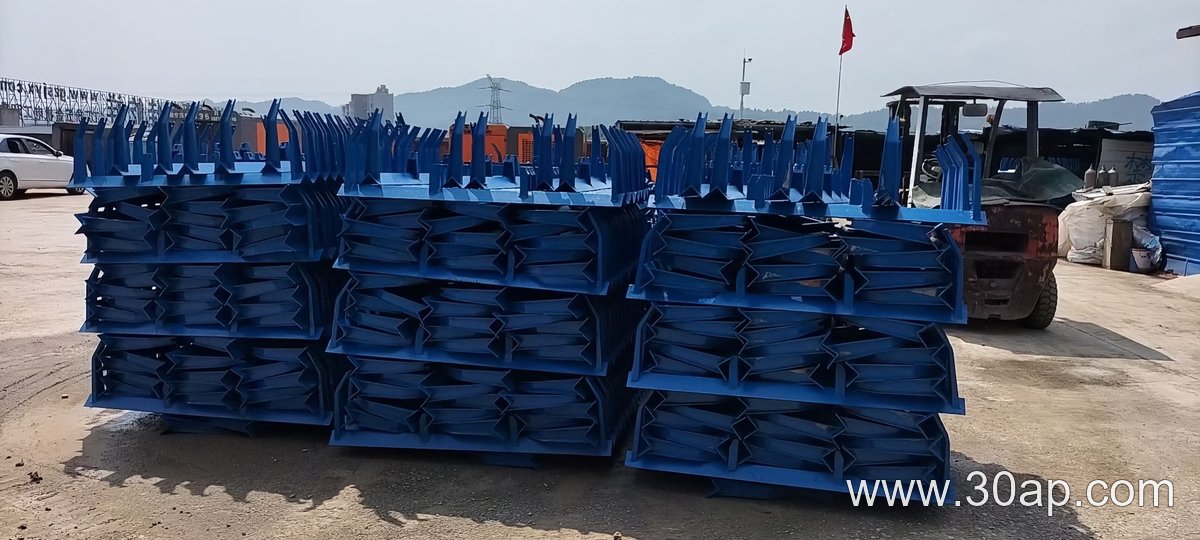
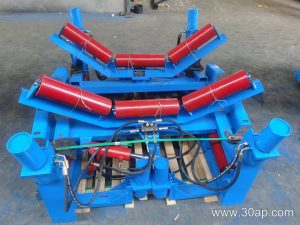
- Carrying side: a troughing bracket supports two or three rollers at a set trough angle.
- Return side: a flat or V-return bracket holds the belt after it leaves the head pulley.
- Impact zone: a buffer bracket with rubber or spring cushions absorbs the shock of falling material.
- Training zone: a self-aligning bracket corrects belt drift before it becomes serious.
Carbon steel grades are commonly selected for the frame, and the finished bracket is often painted or galvanized for corrosion protection. In dusty plants, such as a cement mill or a sinter plant, the coating matters as much as the steel thickness.
Common Forms and Typical Dimensions
The bracket type follows the job it performs. Troughing brackets, transition brackets, return brackets, and adjustable brackets are not interchangeable, and each is chosen for a specific position on the conveyor.
Common reference data for carbon steel conveyor brackets:
| Item | Typical reference range |
|---|---|
| Belt width | B500, B650, B800, B1000, B1200, B1400, B1600, B1800 |
| Trough angle | 20°, 30°, 35°, 45° |
| Idler diameter | Ø89, Ø108, Ø133, Ø159, Ø194 |
| Material | Angle steel, channel steel, bent steel plate |
| Adjustment | Fixed or adjustable trough angle |
These values are for reference only. Hole spacing and cross beam length change with belt width, trough angle, and the specific conveyor design, so they should always be confirmed against the drawing.
Where Carbon Steel Brackets Are Used
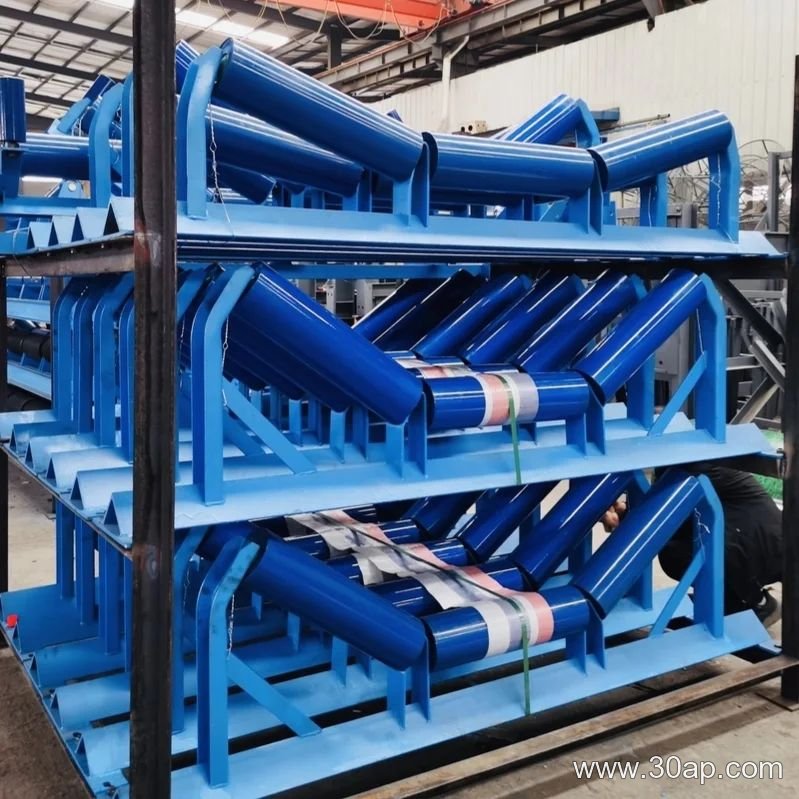
Two common settings show how widely these frames are applied. In a coal preparation plant, troughing brackets carry the conveyor belt through transfer towers and load-out areas, often at 35° with Ø133 idlers. In a sand and gravel yard, return brackets are fitted on the lower run to keep the belt from sagging between the head and tail pulleys. The same bracket family also appears in power plant coal handling, fertilizer granulation lines, and grain silo discharge systems.
In each case, the bracket works together with the idler roller and the conveyor belt. If the bracket is weak or the wrong trough angle is chosen, the belt may spill material or drift sideways.
Choosing the Right Bracket
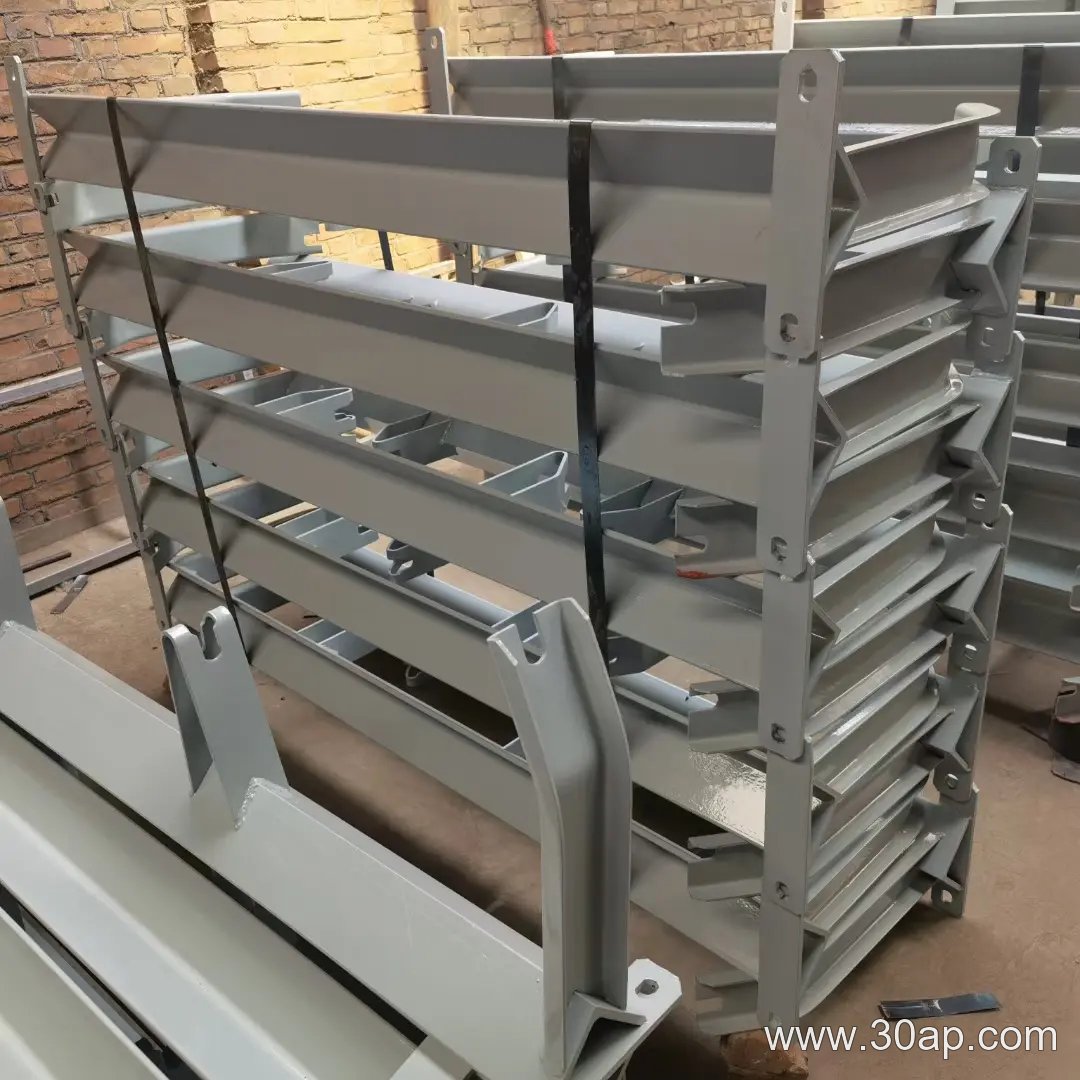
A buyer should start with the belt width and the required trough angle, then match the bracket to the roller diameter already used on the conveyor. A B800 belt running at 35° with Ø108 rollers needs a different bracket than a B1200 line running at 45° with Ø133 rollers. Do not assume one belt width can only use one trough angle or one roller diameter; the correct combination depends on capacity, material, and belt tension.
Other points worth checking:
- Confirm the mounting hole pattern against the existing conveyor frame.
- Ask whether the bracket is fixed or adjustable, since adjustable types allow tuning across 20° to 45°.
- Check the steel thickness and surface treatment for the plant environment.
- For impact points, specify a buffer bracket rather than a standard troughing bracket.
Installation and Maintenance Notes
Align the brackets before tightening all bolts, because a small angular error at one bracket can affect several meters of belt. Keep the roller seats clean so the idler roller turns freely. In dusty service, inspect for material buildup around the brackets and replace any bent or corroded unit promptly. A straight, well-supported bracket line reduces belt edge damage and extends the life of the conveyor belt.
For any project, the bracket should be selected together with the idler roller, the conveyor pulley arrangement, and the belt specification so the whole system works as one.