What the ST3150 Conveyor Belt Is
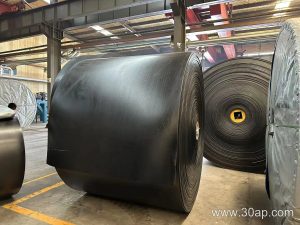
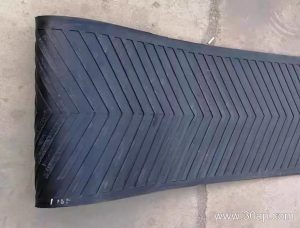
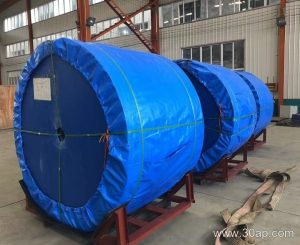
The ST3150 conveyor belt is a steel cord belt with a nominal tensile strength of 3150 N/mm. It belongs to the wire rope core family of belts, where the load is carried by parallel steel cables embedded in rubber. This construction makes it a strong candidate for long overland systems, high-tonnage mines, and other demanding material handling routes where textile belts reach their limit.
An accurate equivalent name used in many tenders and technical documents is steel cord conveyor belt ST3150. Both phrases describe the same product. The designation refers to the belt, not to the pulleys or idlers that support it.
How It Is Built
Inside an ST3150 belt, the carcass is a single layer of steel cords running lengthwise. Each cord is made of high carbon steel wires, usually brass coated to bond with the surrounding rubber. The cords are spaced at a regular pitch and held in place by a core compound that penetrates the gaps between wires. Top and bottom cover rubber protect the carcass from impact, abrasion, and moisture.
Cover thickness is chosen for the duty. Common combinations for heavy steel cord belts include 6+2 mm, 8+3 mm, and thicker covers in extreme conditions. The rubber grade may be wear resistant, heat resistant, oil resistant, flame retardant, or antistatic, depending on the site. A breaker layer or transverse reinforcement can be added under the top cover when large lumps are present.
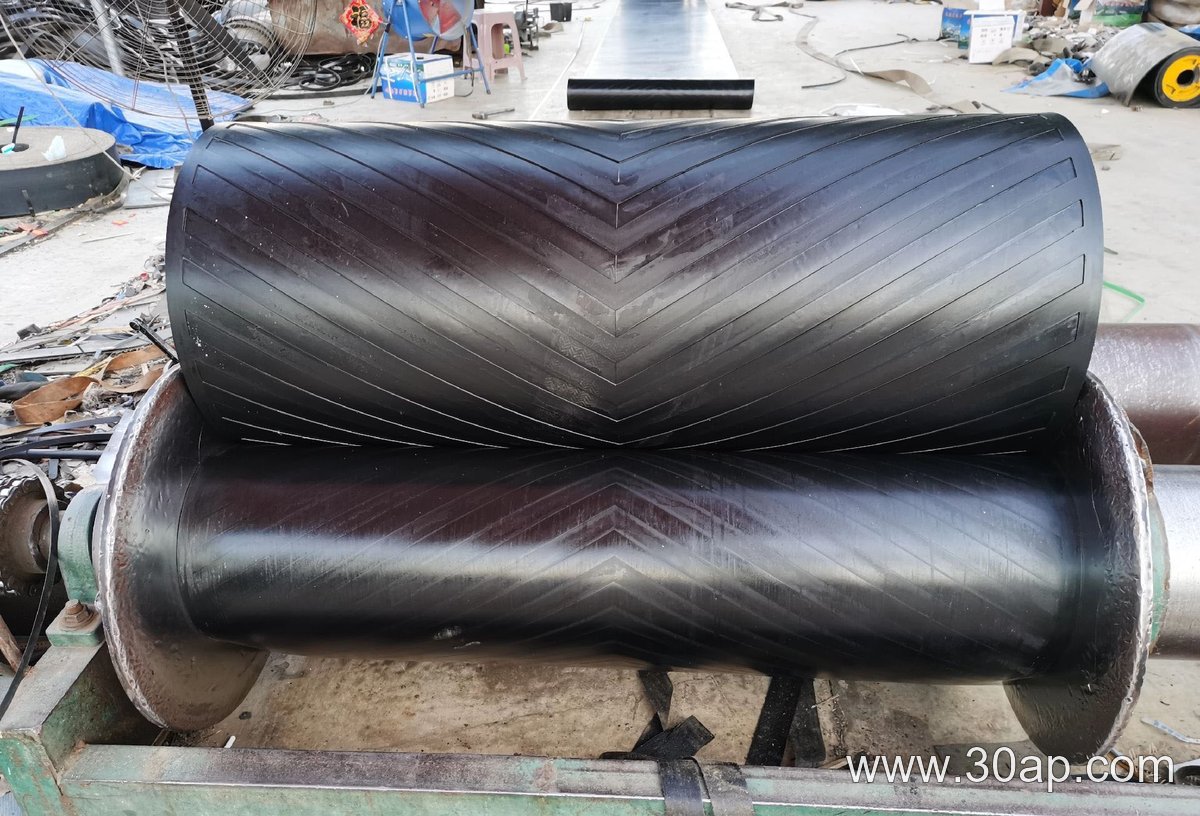
Splice design matters more than on fabric belts. A steel cord belt is usually spliced by vulcanization, with each cord end joined to the opposite cord in a staggered pattern. The splice length and step pattern are defined by the belt manufacturer, not by the conveyor builder alone.
Where It Fits in a Conveyor
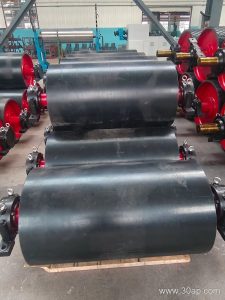
The belt runs over a drive pulley, a tail pulley, and one or more bend pulleys. These are separate components with distinct roles. A drive pulley transmits torque; a tail pulley forms the return end; a bend pulley changes belt direction or increases wrap angle. They are not interchangeable, and the ST3150 belt must be matched to each pulley diameter by the system designer.
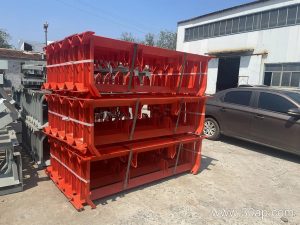
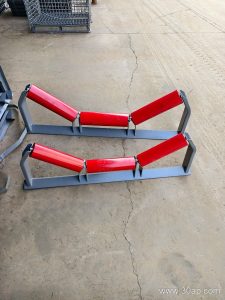
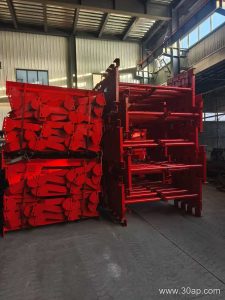
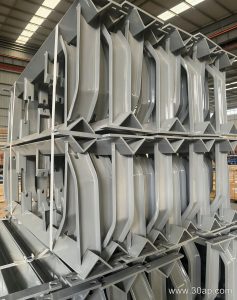
Troughing idler rollers support the loaded belt on the carrying side, while return idlers support it on the return run. A conveyor bracket holds the idlers or pulleys in position. On a long ST3150 system, the take-up device maintains tension so the belt does not slip on the drive pulley.
Typical Applications
Steel cord belts of this strength class are common in bulk material transport where capacity is high and the route is long. Examples include primary crushed ore, coal, and overburden in mining; large port and stockyard conveyors; cement plant limestone handling; and long overland lines that cross uneven terrain. The belt can also run in tunnels and on inclined sections when the design accounts for the higher tension and the weight of the steel carcass.
For comparison, a fabric belt such as an EP or NN construction may be suitable on shorter, lighter conveyors. It is not a direct replacement for ST3150 on a long, high tension route, because the carcass construction and elongation behavior differ.
Selection Points for Buyers
Start with the required working tension, not the belt width alone. Belt width and cord pitch are selected together with the conveyor profile, capacity, and troughing angle. A wide belt does not automatically mean a stronger belt, and one belt width does not dictate one pulley diameter. Pulley diameters are chosen from the cord diameter and the manufacturer’s fatigue criteria.
Ask for the following when requesting a quotation:
- Belt width, such as B1000, B1200, or B1400
- Cover thickness and rubber grade
- Number of cords and cord pitch
- Splice method and splice material
- Maximum lump size and impact conditions
- Ambient temperature and any fire or antistatic requirement
Also confirm the minimum pulley diameters specified for the cord used. This is a belt property, not a preference. Using a smaller pulley than allowed can shorten cord life and cause premature failure.
Installation and Maintenance Notes
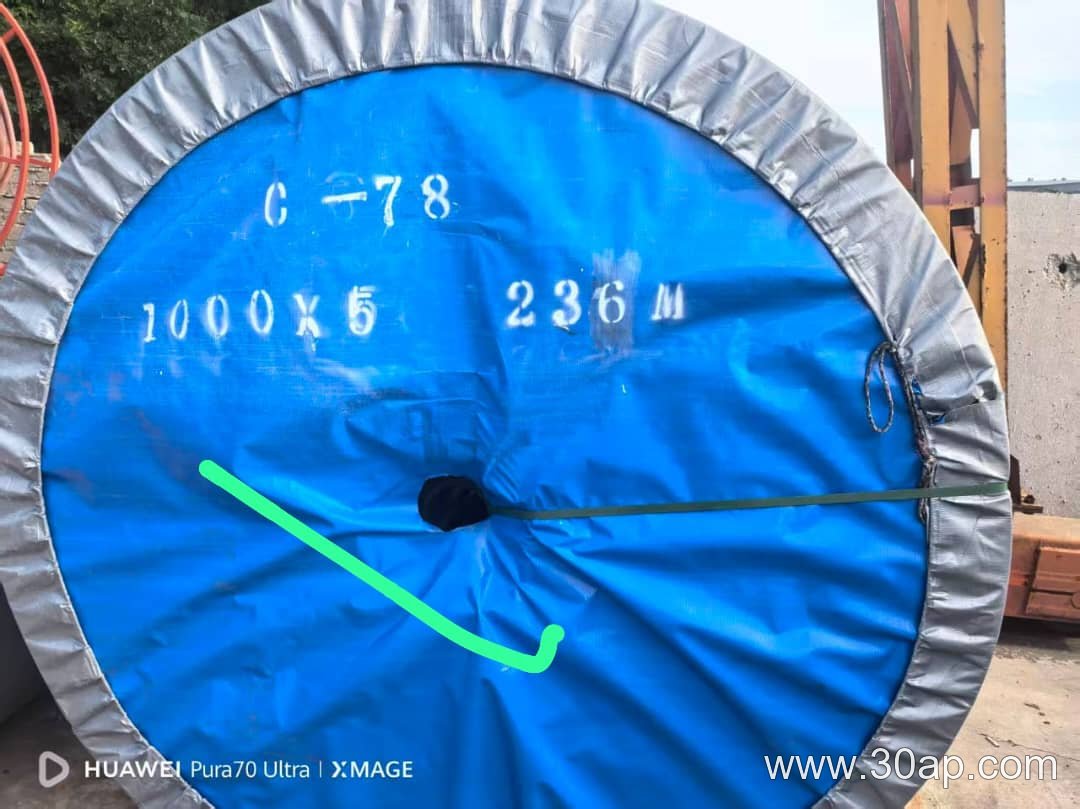
Steel cord belts are heavy and stiff compared with fabric belts. They need careful handling during installation to avoid kinking or twisting the cords. Storage should be on a dry surface, and the roll should not be crushed.
During operation, watch for edge damage, cover wear over the cords, and splice movement. Misaligned idler rollers and worn conveyor brackets can cause edge wear even when the belt itself is sound. A tracking check after the first few days of running is worthwhile, because the belt may settle into its final position.
Keep the drive pulley clean and maintain the take-up travel. If the belt slips, check tension and pulley lagging before increasing the counterweight. Excessive tension increases cord stress and reduces splice life.
When replacing an ST3150 belt, review the original specification with the current duty. Higher throughput or a longer route may call for a different strength class or cover grade. Use the belt manufacturer’s data for the actual cord construction, and treat all figures in this article as general reference, not as a supply promise for a specific project.