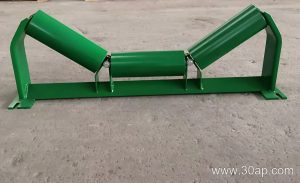
Idler Roller: The Essential Component for Conveyor Efficiency
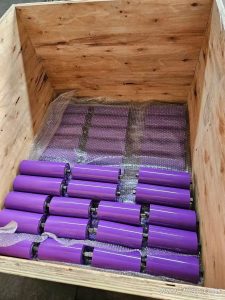
An idler roller supports the belt and reduces friction in bulk handling systems. Choosing the right one improves uptime and cuts energy costs.
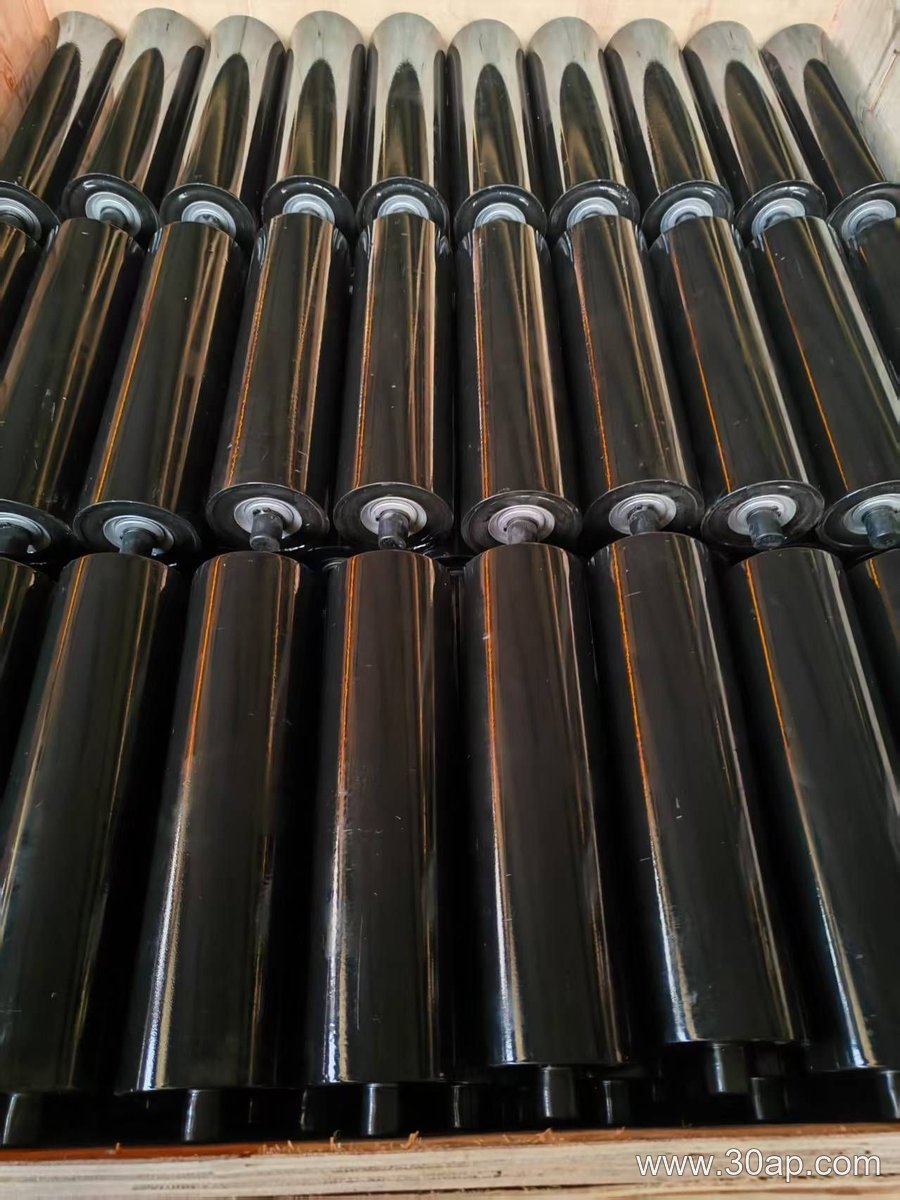
Key Selection Factors
- Load capacity and belt width
- Bearing type and sealing
- Roller diameter and wall thickness
- Material: steel, stainless, or polymer
Purchasing Advice
Match the idler roller to your environment. For dusty or wet sites, choose sealed bearings and corrosion-resistant shells. Verify shaft and bracket dimensions before ordering.
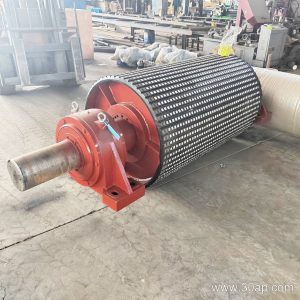
Understanding the Conveyor Pulley
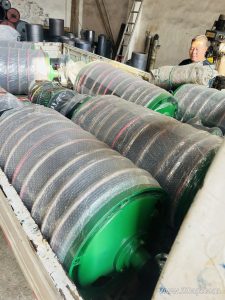
A conveyor pulley drives or redirects the belt. Choose the right one for reliability.
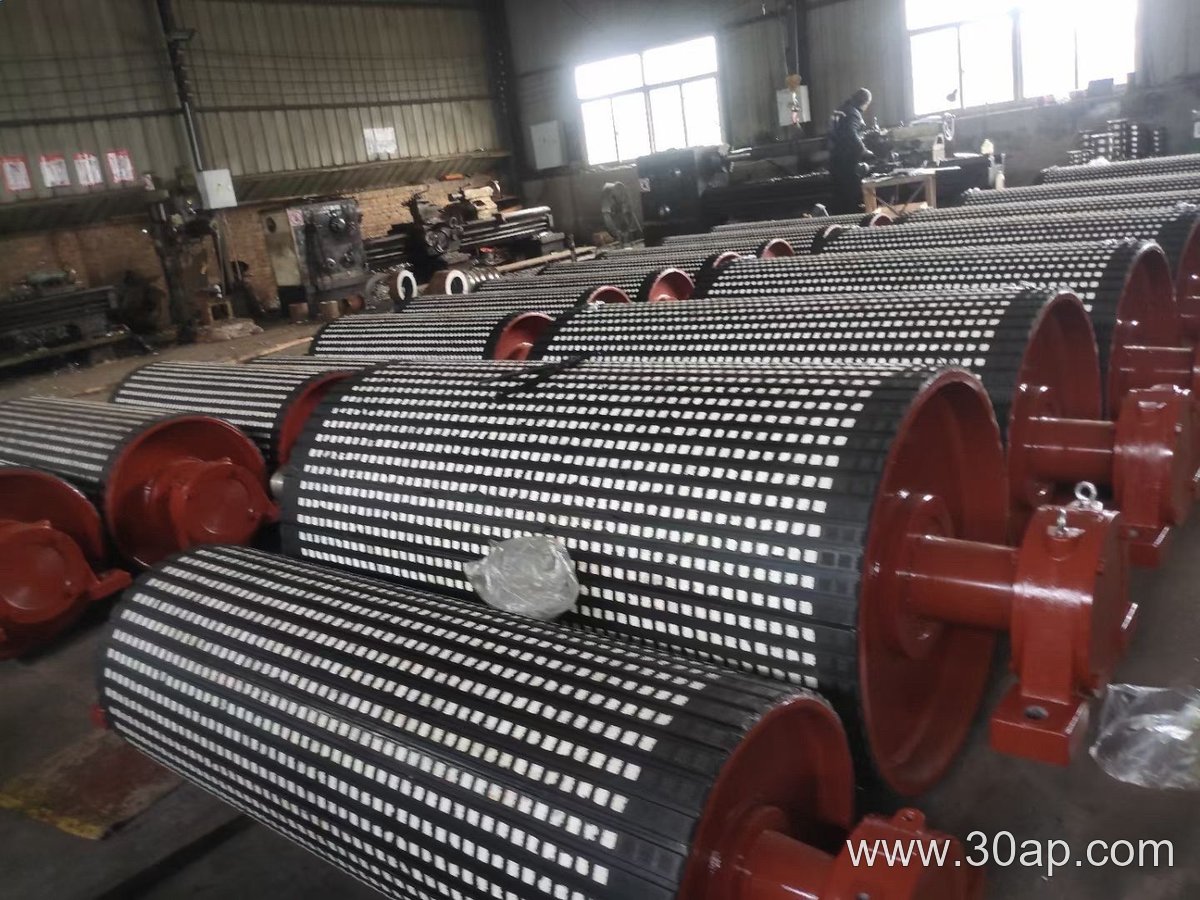
Key Selection Factors
- Belt width and load capacity
- Pulley diameter and face length
- Lagging type for grip
- Shaft and bearing specs
Purchasing Advice
Verify material, balance, and standards. Request load calculations and warranty terms before ordering.
Why the Conveyor Bracket Deserves Your Attention
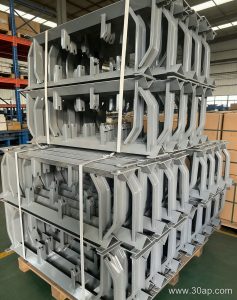
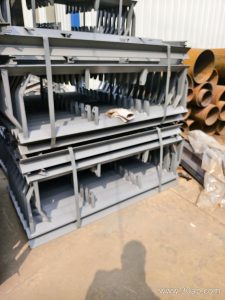
A conveyor bracket may seem like a small component, but it determines alignment, load capacity, and safety. Choosing the right bracket prevents costly downtime.
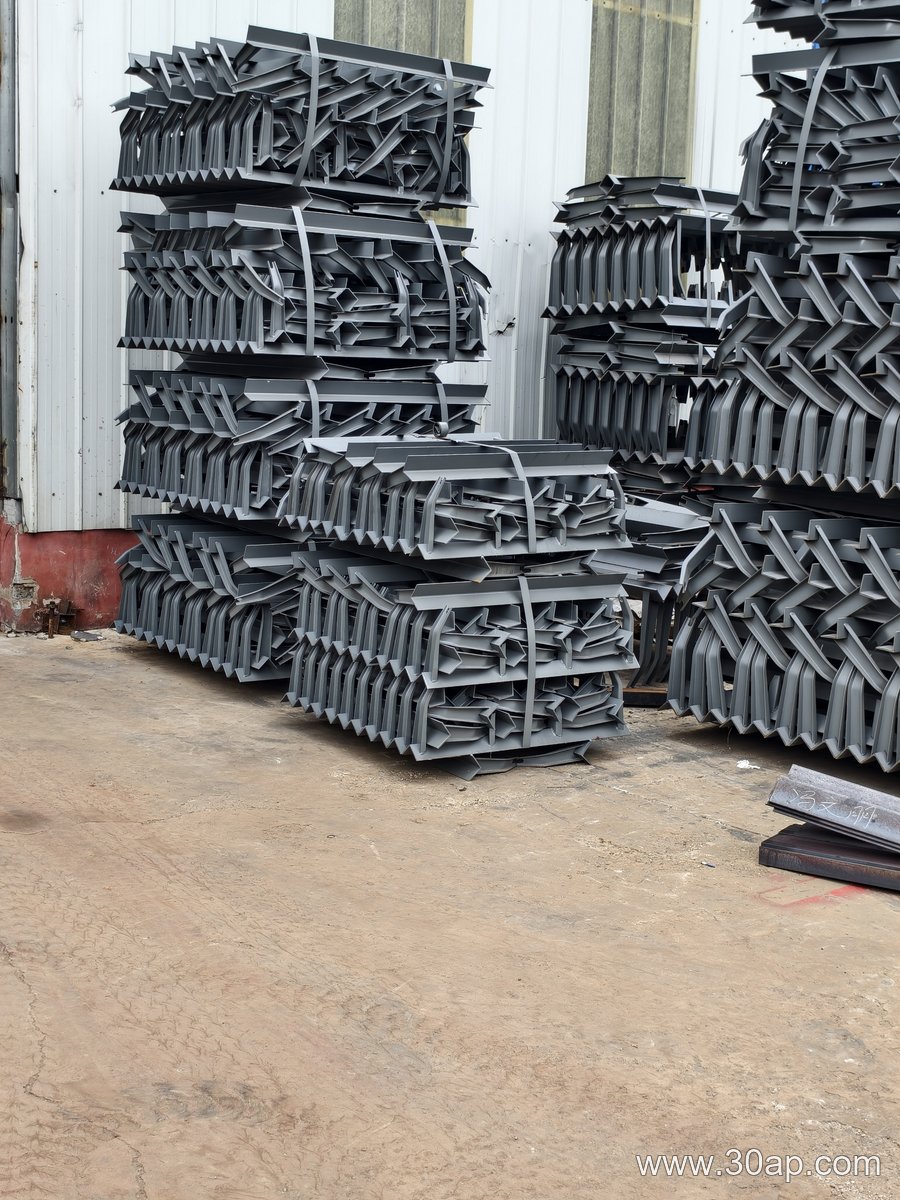
Selection and Purchasing Advice
- Match bracket material to your environment: mild steel for dry, stainless for washdown.
- Check load ratings and hole patterns against your conveyor frame.
- Prefer adjustable brackets for easier belt tracking.
- Buy from suppliers offering consistent tolerances and corrosion protection.
Conveyor Belt Selection and Purchasing Guide
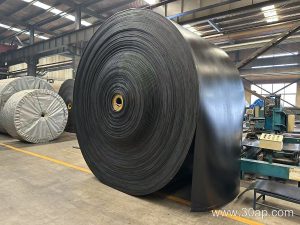
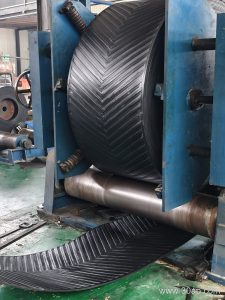
A conveyor belt is the core of any material handling system. Match belt type, cover compound, and tension rating to your load, speed, and environment before you buy.
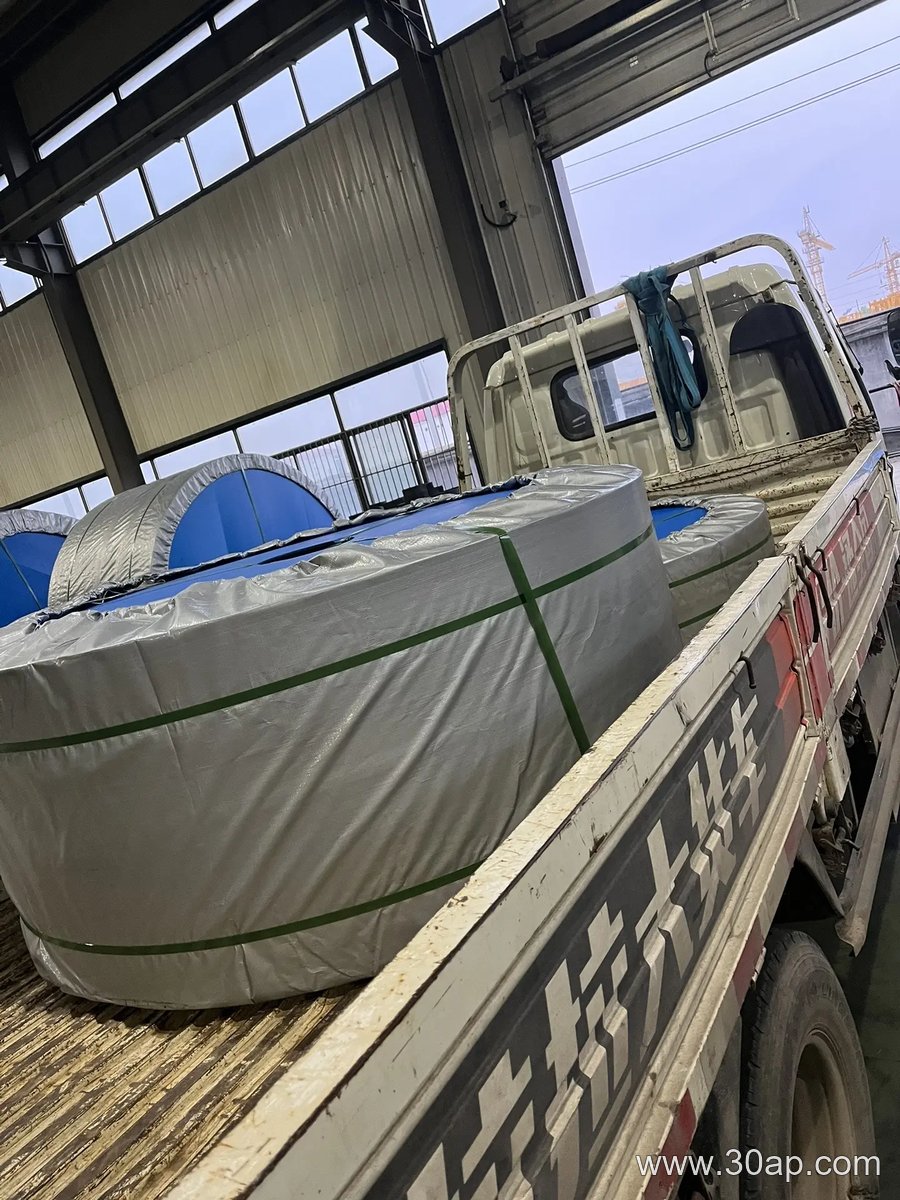
Key Selection Factors
- Material: rubber, PVC, or steel cord
- Load weight and belt width
- Temperature, oil, and abrasion resistance
- Cleat or sidewall needs
Purchasing Advice
Request tensile strength and elongation data. Verify splice compatibility and export documentation. Buy from suppliers offering wear guarantees and spare parts support.