What a Self-Cleaning Idler Does
A self-cleaning idler is a carrying or return roller built to shed material that would otherwise stick to a standard roller surface. On a conveyor belt moving damp coal, clay-rich limestone, or fine aggregate, ordinary rollers can pick up a layer of fines that hardens and changes the belt line. The self-cleaning idler keeps the shell surface active so the belt continues to run on a round, consistent roller instead of a lumpy one. In a coal washing plant or a limestone quarry, this small difference often decides how often a maintenance crew has to stop the line.
How the Cleaning Action Is Built
The cleaning effect comes from the roller geometry and surface, not from a separate scraper. Common designs include:
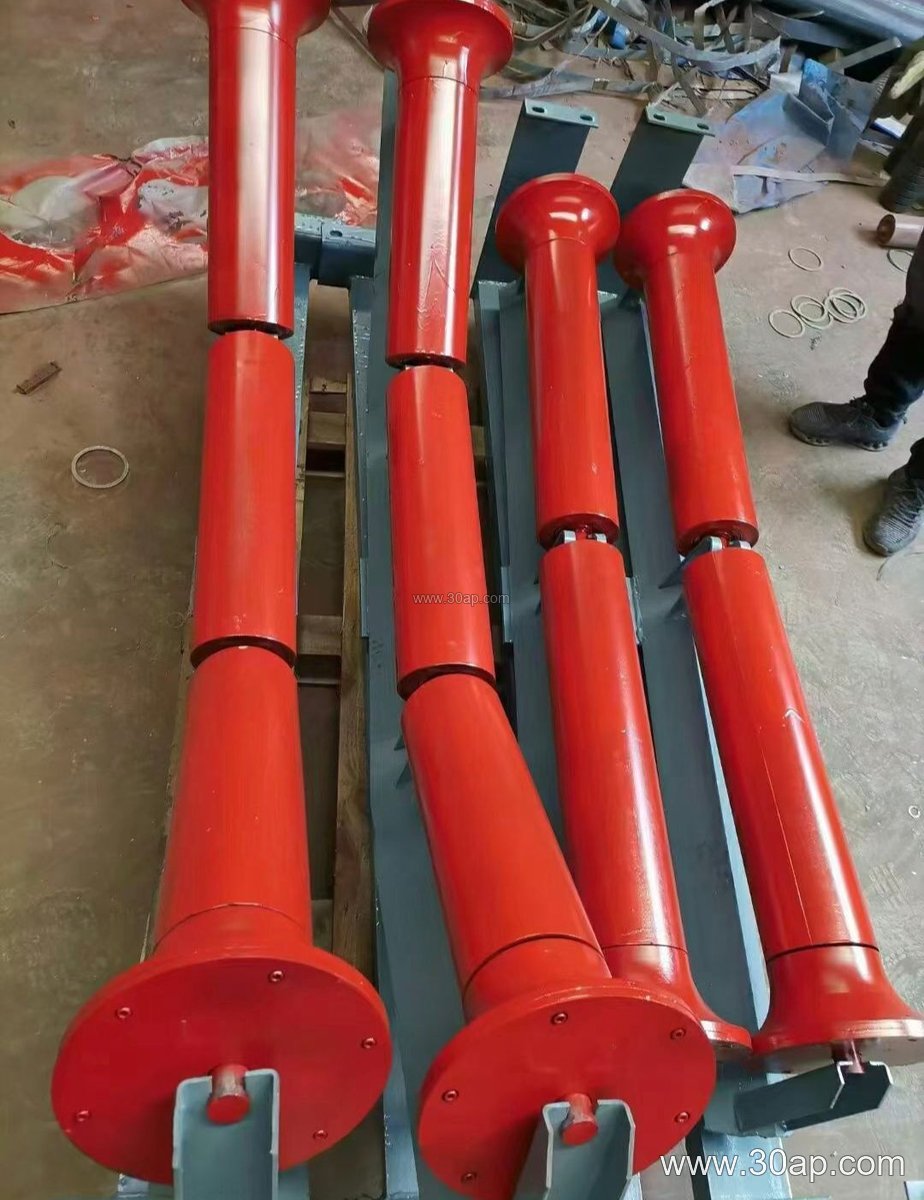
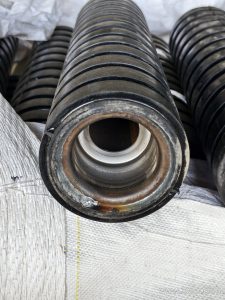
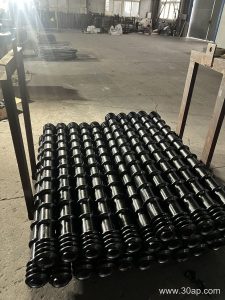
- Spiral idler roller – a helical steel flight welded on the shell that pushes fines sideways as the roller turns.
- Comb-tooth roller – rubber or steel discs spaced along the shaft to break up caked material.
- Rubber-disc impact roller – rings that flex and release sticky fines while also absorbing impact at the load point.
- Ceramic or nylon-covered shell – a low-stick surface that reduces adhesion in wet or abrasive duty.
A self-cleaning idler still uses a normal shaft, bearing housing, and labyrinth seal. Bearing sizes such as 6204, 6205, 6305, 6306, 6308, or 6310 are selected by load and speed, not by roller diameter alone. The seal is the part that keeps dust out, so a cleaning shell without a good seal will not last long in a cement plant or a power-station coal yard.
Where It Fits on the Conveyor
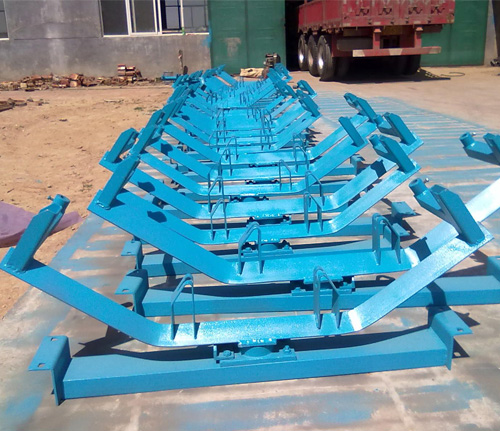
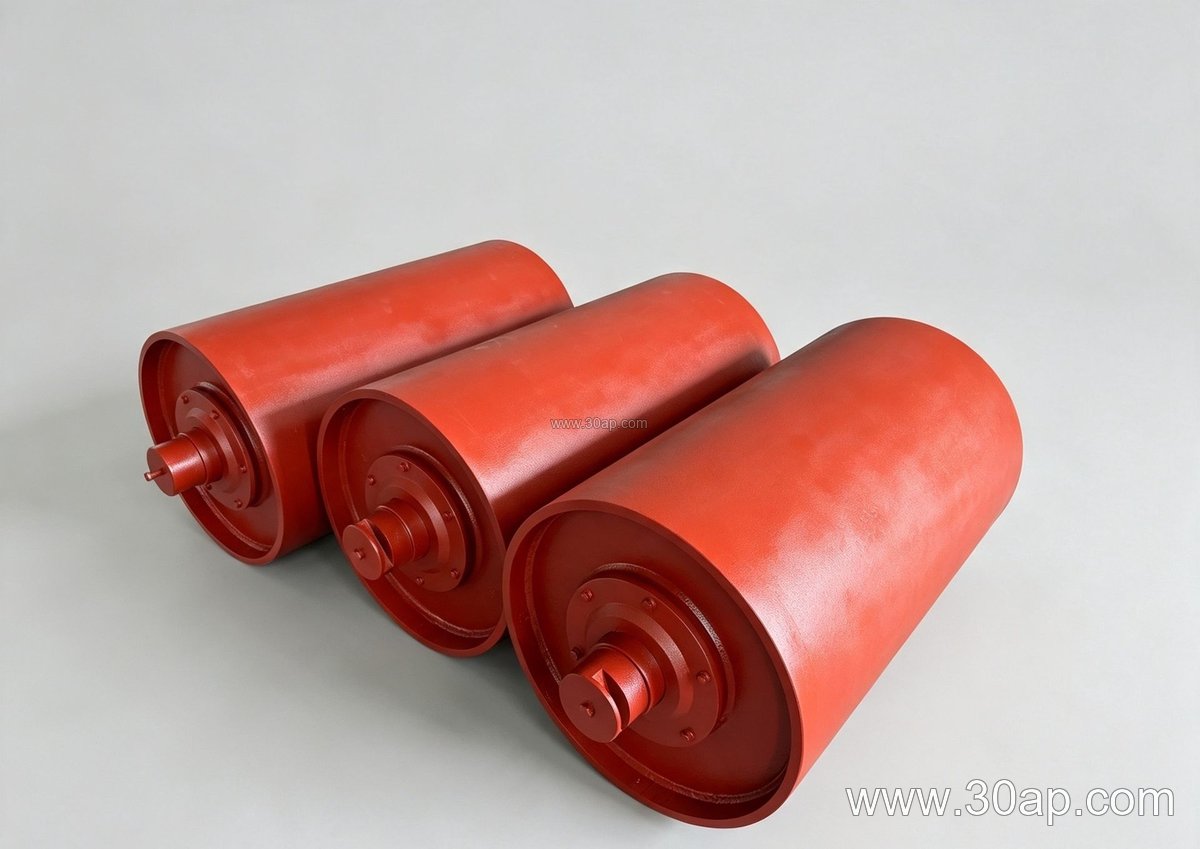
These rollers are most useful in the return strand and at transfer points where the conveyor belt releases wet or fine material. A V-shaped return self-cleaning idler helps center the belt while scraping away carryback. At a crusher discharge in a sand and gravel line, a rubber-disc version can replace a standard impact idler without losing cushioning. The same body style can also appear as a troughing idler in the carrying run when the material is sticky but not too heavy on impact.
When engineers compare options, they sometimes look at a conventional troughing idler, a training idler, or a buffer idler on the same line. Those are different duties and should not be treated as substitutes for a self-cleaning unit. The drive pulley, tail pulley, and bend pulley are separate components as well and are never interchangeable names for a roller.
Common Sizes and Fit
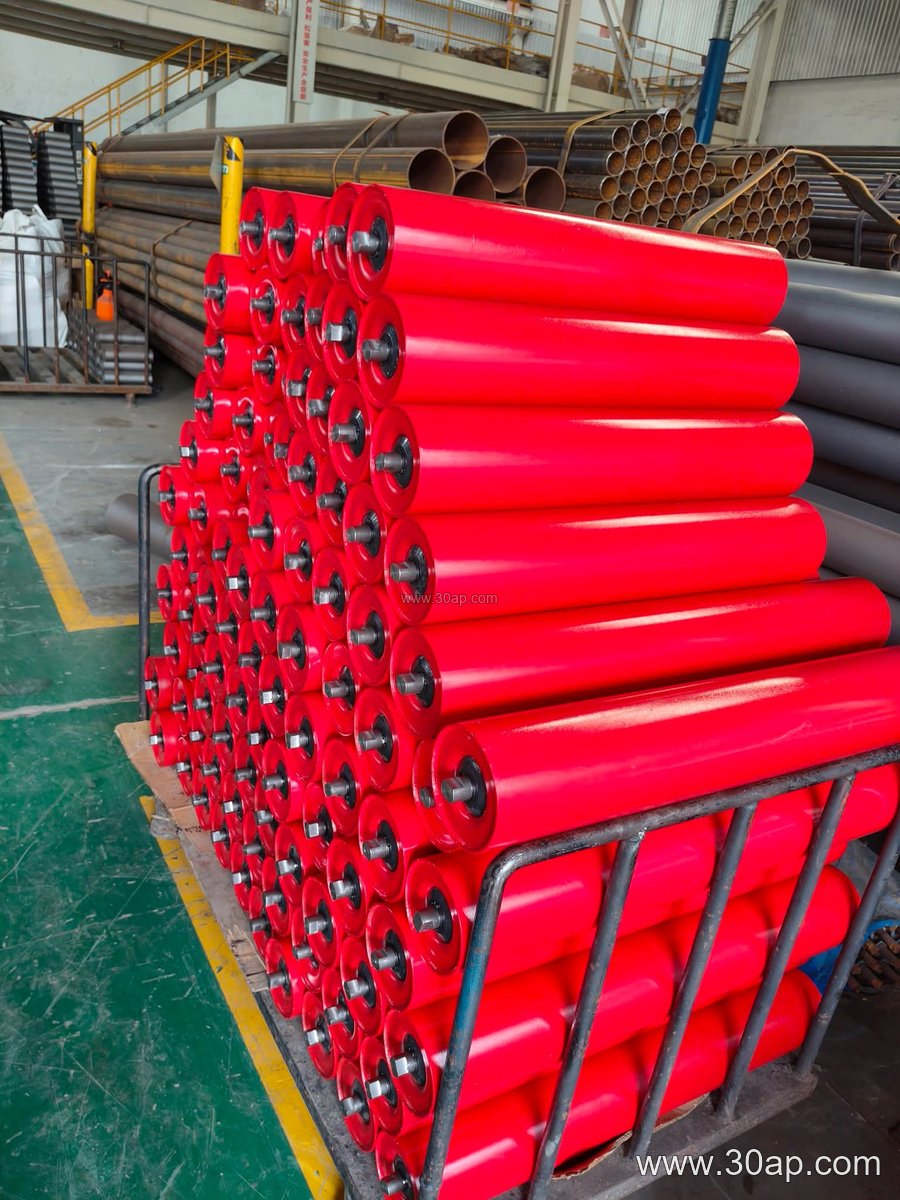
Roller diameter and belt width are chosen together with the idler group. A three-roll troughing set may use different roller lengths for the center and side rollers, so the figures below are typical references rather than fixed matches.
| Belt width | Common roller diameter | Typical roller length (three-roll troughing) | Usual trough angle |
|---|---|---|---|
| B500 | Ø63 – Ø89 mm | about 200 mm | 20° – 30° |
| B650 | Ø76 – Ø108 mm | about 250 mm | 20° – 35° |
| B800 | Ø89 – Ø133 mm | about 315 mm | 30° – 35° |
| B1000 | Ø108 – Ø159 mm | about 380 mm | 30° – 35° |
| B1200 | Ø108 – Ø178 mm | about 465 mm | 30° – 45° |
| B1400 | Ø133 – Ø194 mm | about 530 mm | 35° – 45° |
| B1600 | Ø133 – Ø219 mm | about 600 mm | 35° – 45° |
| B1800 | Ø159 – Ø219 mm | about 670 mm | 35° – 45° |
| B2000 | Ø159 – Ø219 mm | about 750 mm | 35° – 45° |
Roller length also follows the trough angle and the group type. A forward-tilted idler, often set about 1.5° to 2°, is a separate design choice and should not be confused with a self-cleaning shell. Matching the roller to the conveyor bracket is just as important as the diameter, because an incorrect bracket spacing can force the belt into the roller and defeat the cleaning action.
Points a Buyer Should Check
- Confirm the material: wet coal fines, sticky limestone, or dry aggregate each favor a different shell surface.
- Check the bearing and seal class for the dust level at the site, whether it is a cement mill, a steel plant sinter line, or a port stockyard.
- Match the roller diameter and length to the existing conveyor bracket and belt width, not to a catalogue number alone.
- Decide between a spiral roller, a comb-type roller, and a rubber-disc style based on how sticky and how abrasive the load is.
- Ask how the roller is balanced and how the shaft end is finished, since vibration shortens bearing life on any self-cleaning idler.
A self-cleaning idler is a practical upgrade for lines that fight carryback every shift. When it is sized to the belt, mounted on the correct bracket, and sealed for the local dust, it protects the conveyor belt and keeps the whole conveying system running with less manual cleaning.