Understanding the Conveyor Bracket: More Than a Metal Mount
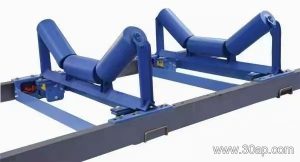
A conveyor bracket is the structural interface that secures idler rolls, impact beds, and return rollers to the conveyor frame. Without a correctly engineered bracket, even premium belting and drives fail prematurely due to misalignment, vibration, and uneven load distribution. For any bulk material operation—from mining to aggregate processing—the bracket determines system stability and maintenance intervals.
Key Selection Criteria for Industrial Applications
- Load rating: Match bracket capacity to peak dynamic load, not just static belt weight. Include a safety factor of 1.5x for surge conditions.
- Material and coating: Choose galvanized steel for corrosive environments, or abrasion-resistant alloy for high-impact zones. Powder coating adds life indoors.
- Adjustability: Slotted bolt holes allow fine-tuning of idler angle and height, critical for belt tracking and edge wear reduction.
- Compatibility: Verify C-channel or truss frame type, bolt spacing, and idler roll diameter. Custom brackets often outperform universal fits.
Purchasing Advice: Avoid Costly Downtime
Always request a technical drawing and test certificate for each batch. Inspect weld quality and edge radius—sharp corners induce stress fractures. Buy from manufacturers that offer finite element analysis (FEA) reports for your specific belt speed and tonnage.
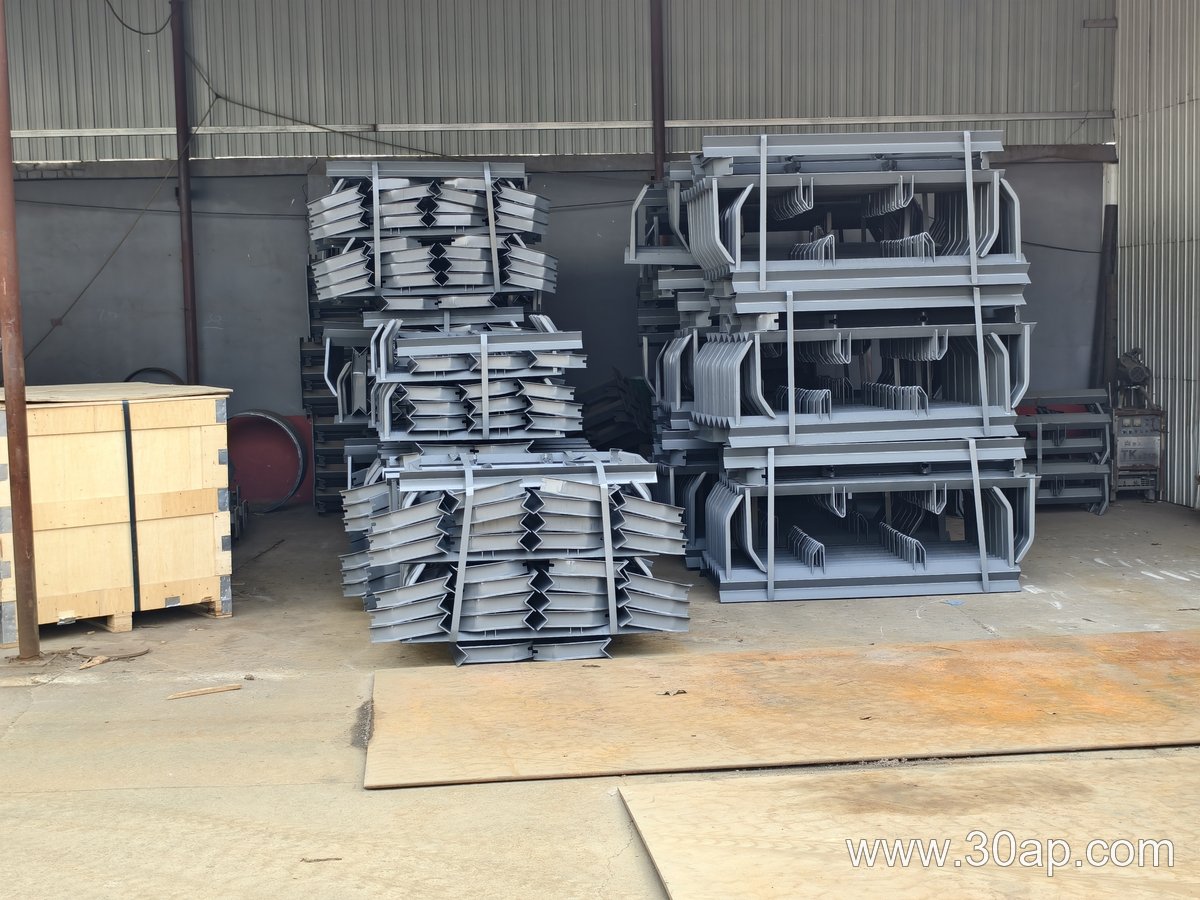
For retrofits, measure the existing frame width and roll drop accurately. A slight 2mm deviation can cause premature bearing failure. Finally, stock spare brackets for critical transfer points; lead times of six weeks are common. Prioritize suppliers with rapid prototyping for bespoke geometries.
Conveyor Belt Core Considerations for Long-Term Performance
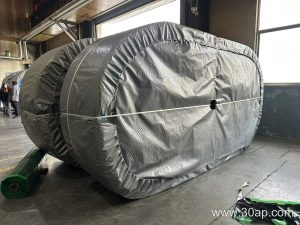
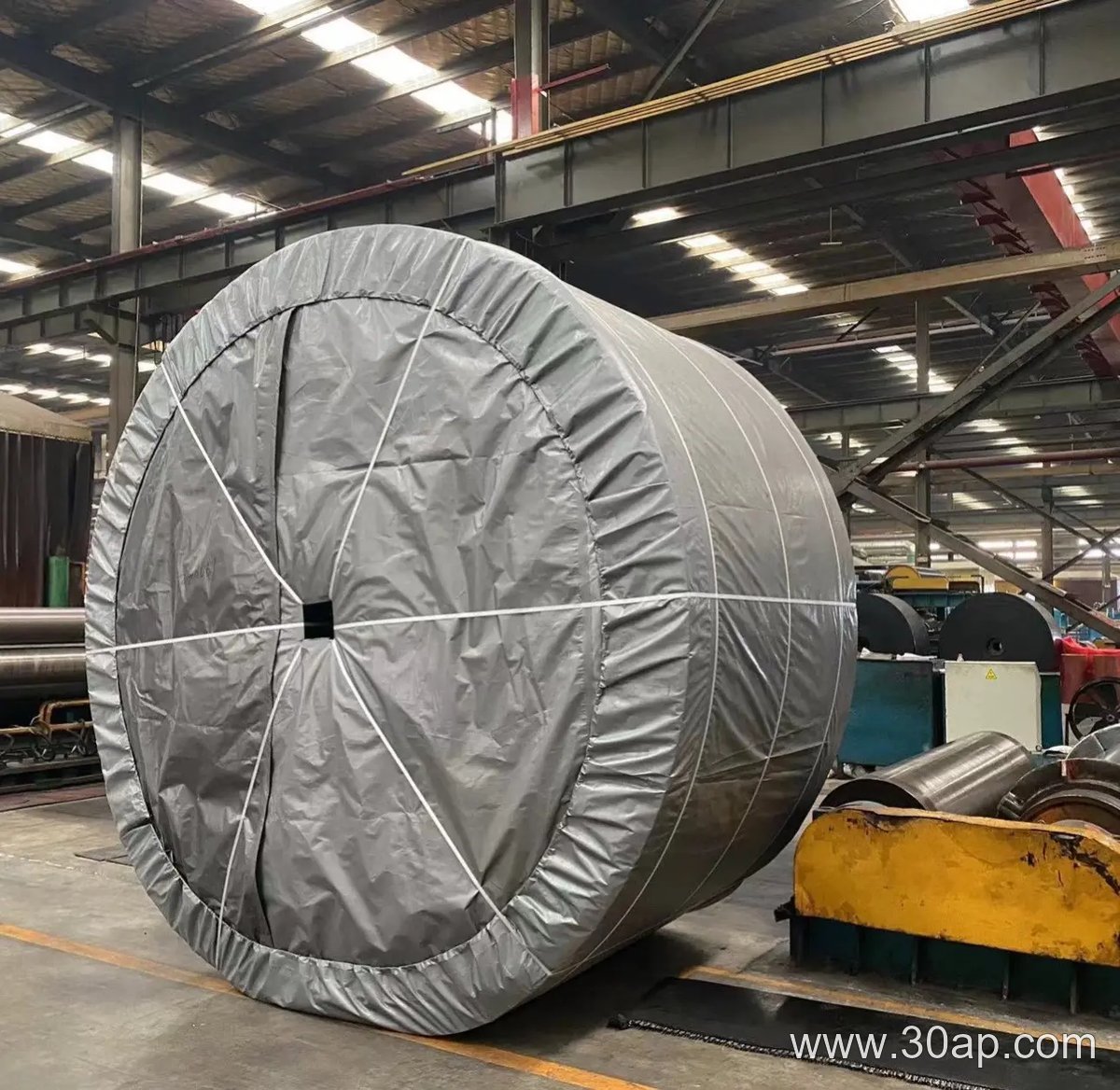
A conveyor belt is the backbone of any bulk material handling system, directly impacting throughput, safety, and maintenance costs. Choosing the wrong belt leads to premature wear, downtime, and increased energy consumption. This guide focuses on conveyor belt specifications, materials, and purchasing criteria.
Key Selection Factors
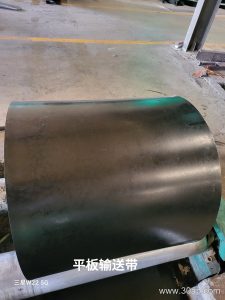
- Material composition: Rubber for abrasion, PVC for food-grade, or steel cord for high-tension applications.
- Carcass strength: Assess tensile rating (N/mm) against load weight and start-stop frequency.
- Cover thickness: Top cover resists impact; bottom cover handles pulley friction. Thicker covers extend life.
Buying Advice
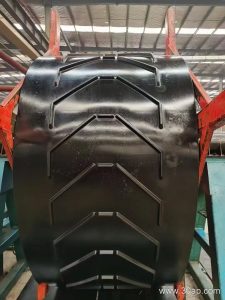
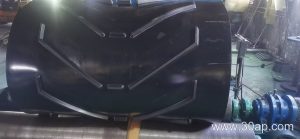
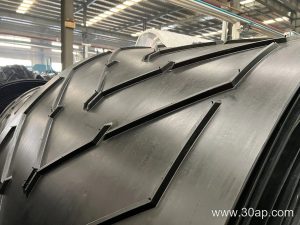
Always request a load simulation and verify belt splice method (mechanical vs. vulcanized). For inclined systems, specify chevron or cleated profiles to prevent backslip. Confirm compatibility with existing rollers and frames—belt width and trough angle must match your conveyor structure.
Maintenance and Replacement
Track belt alignment weekly and inspect for cuts or delamination. Stock a spare belt of identical spec to avoid production halts. Compare total cost of ownership, not just upfront price, including energy efficiency and expected service life under your operating conditions.
Understanding the Critical Role of the Idler Roller
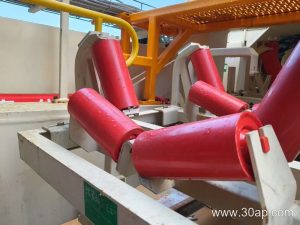
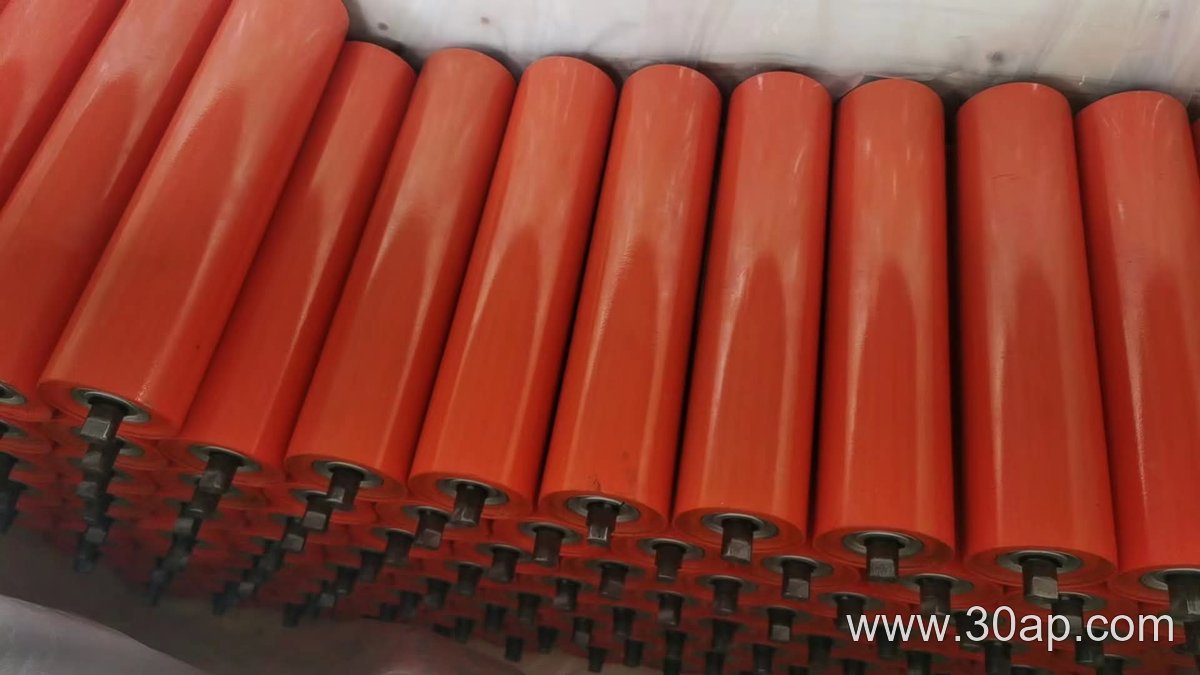
The idler roller, though often overlooked, is the backbone of any bulk material handling conveyor. It supports the belt and cargo, reduces friction, and ensures smooth, continuous operation. Choosing the wrong idler roller leads to premature belt wear, increased energy consumption, and costly downtime.
Types and Materials
Select between steel, HDPE, or rubber-coated idler rollers based on your environment. Steel offers maximum durability for heavy loads; HDPE is corrosion-resistant and quieter; rubber-coated rollers excel in high-impact or sticky material applications.
Key Specifications to Evaluate
- Roller diameter and wall thickness: Match to belt width, speed, and load density.
- Bearing quality: Look for sealed, pre-lubricated bearings with C3 clearance for thermal expansion.
- Shaft and end cap design: Ensure proper concentricity to minimize vibration.
- Sealing system: Choose labyrinth or contact seals to protect against dust and moisture.
Purchasing Advice
Always request load rating data and test reports from suppliers. Verify that the idler roller meets CEMA or ISO standards for your region. Consider lifecycle cost—cheaper rollers often fail faster, increasing replacement labor. For abrasive or wet conditions, invest in enhanced sealing and thicker shells. Finally, maintain a small stock of critical sizes to avoid unscheduled stoppages.
Why the Conveyor Pulley Dictates System Efficiency
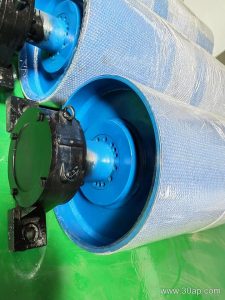
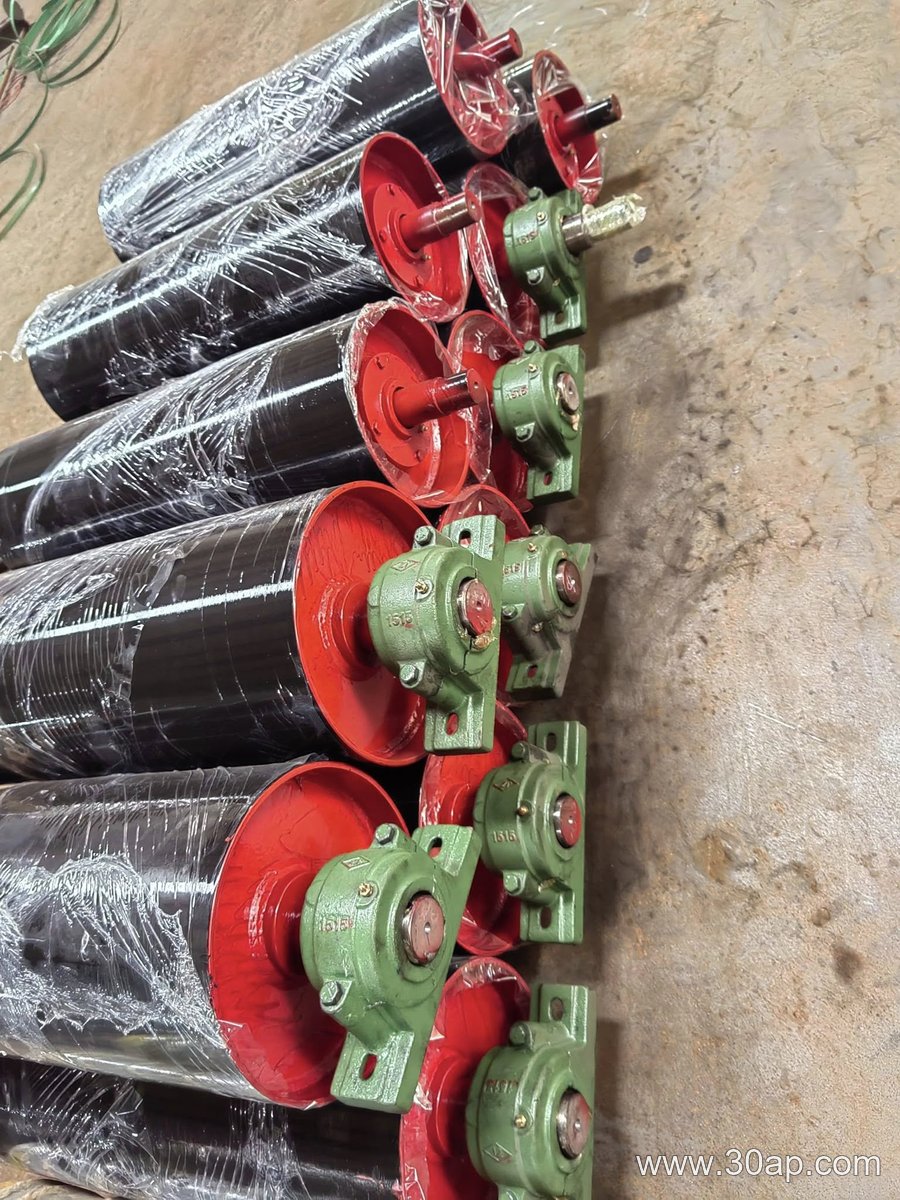
The conveyor pulley is not a passive roller; it is the mechanical heart that transfers drive torque and maintains belt tension. Choosing the wrong unit causes slippage, misalignment, and premature belt wear.
Key Types and Their Applications
- Drive (head) pulleys: Lagged with rubber or ceramic for high friction in motorized sections.
- Bend and tail pulleys: Snub the belt to increase wrap angle and redirect return runs.
- Take-up pulleys: Automatically adjust tension to prevent sag between idlers.
Engineering Factors for Purchase
Verify shaft diameter against bending stress and fatigue cycles. Crowned faces aid self-centering, but for heavy loads, consider herringbone lagging to expel water and debris.
Selection and Procurement Advice
- Calculate effective belt pull and slack side tension before requesting quotes.
- Specify shell thickness and end-disc welding per CEMA standards (or DIN for export).
- Demand balancing grade G2.5 or better at operating speed to avoid vibration damage.
- Ask for a certified drawing showing bore, keyway, and hub or locking element details.
- For corrosive or high-temperature environments, choose stainless steel shells or heat-resistant lagging compounds.
Always request a finite element analysis report for pulleys over 800 mm face width. A correct conveyor pulley delivers years of low-maintenance service, while a marginal one halts production within weeks.